
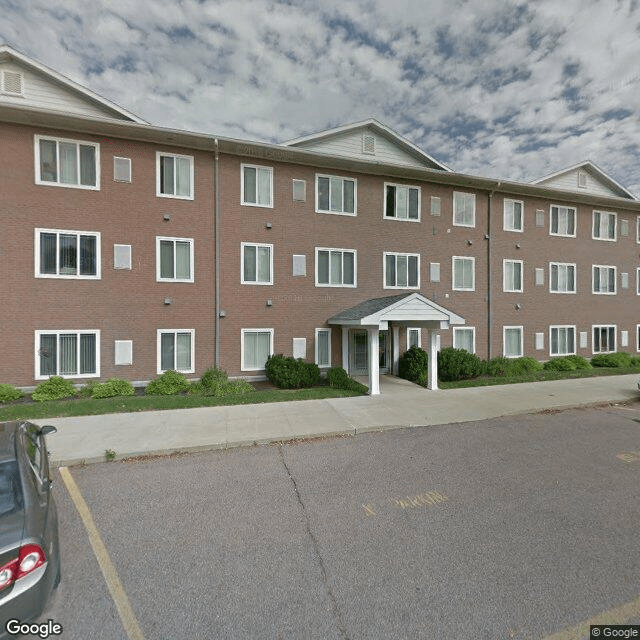
108 1st Avenue Nw, Le Mars, IA 51031
For more information about senior living options: (866) 208-4318
Prime Assisted Living Costs & Pricing
At Prime Assisted Living, the monthly cost for a one-bedroom unit is competitively priced at $700, which stands in stark contrast to the average expenses found within Sioux County and the broader state of Iowa. In Sioux County, residents typically face monthly costs of approximately $3,331 for similar accommodations, while statewide averages hover around $2,862. This significant difference underscores the affordability and value offered by Prime Assisted Living, making it an attractive option for those seeking quality assisted living services without the burden of excessive financial strain.
| Floor plans | Prime Assisted Living | Sioux County | Iowa |
|---|---|---|---|
| 1 Bedroom | $700 | $3,331 | $2,863 |
Assisted Living communities with a similar price nearby
-
from +$25 / mo
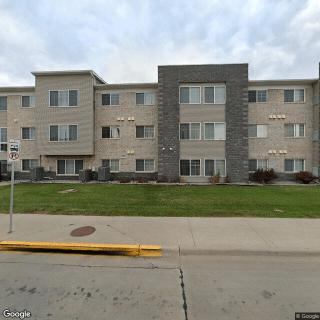
Prime Assisted Living
$725 / month23.9 miles away
Overall Review of Prime Assisted Living
Pros
 The staff treated her well.
- The accommodations were satisfactory.
- The place is clean.
Cons
 The deposit was not returned and an exorbitant cleaning fee was charged, despite weekly cleaning payments.
- They were charged an extreme amount to haul large items to the dump after being told items could be placed by the dumpster.
- The manager allegedly promised a substantial portion of the deposit would be refunded, but nothing was returned.
- Barb is accused of constantly raising residents' rents and of widespread wage theft to fund vacations.
- The property is described as run by a slumlord, with staff cutting corners under management.
- Visitors risk being accused of residency and removed by police, limiting visit time.
- It is not recommended for employment or for assisted living.
Review
Prime Assisted Living in Le Mars, IA, is best suited for families seeking a warm, basic-care environment where frontline caregivers deliver patient, personable attention and the living spaces are adequately maintained. It works for residents who are comfortable with a straightforward, no-frills setting and who value daily routines, cleanliness, and courteous staff more than bells and whistles. The catch is that the long-term value hinges on management practices across the corporate office and the bottom-line priorities that shape billing and policies. When expectations are aligned with respectful resident care and predictable charges, the community delivers; when they are not, trouble quickly follows.
On the upside, the mom who lived there reportedly received compassionate treatment from staff and found the accommodations satisfactory. Residents can expect a clean, orderly environment, with routine services performed reliably. That frontline care is the strength that keeps families returning for a period, particularly when other options may feel impersonal or overly clinical. In short, the daily human touch and the basic safety of the facility are credible positives, offering steadiness even when administrative issues simmer below the surface.
The darker thread is the financial and policy volatility that colors many families' experiences. After a loved one passes, attempts to recover a deposit devolved into a dispute over steep cleaning charges and undisclosed disposal costs. The situation hints at a broader pattern: deposits that vanish despite assurances, and a billing culture that can surprise families with large, non-negotiated fees. That kind of unpredictability makes planning difficult, especially for those managing limited budgets or end-of-life transitions where every dollar matters.
Compounding the concern is management style in the building, epitomized by assertions of rent increases and alleged wage practices that appear aimed at cost-cutting rather than resident welfare. Descriptions labeling the property as a "slumlord" and noting corner-cutting across staff practices paint a picture of a facility where financial pressures take precedence over transparency and fair labor. These impressions aren't mere rumors; they reflect how governance shapes daily experience, from staffing consistency to the reliability of service commitments. For some families, that erodes trust to a point where other options look preferable.
Visitation and policy enforcement emerge as another critical fault line. Reports that visitors could be challenged or removed under aggressive interpretations of residency rules create a sense of "prison-like" entry and exit, undermining family involvement at a time when support is crucial. While the property is clean, the living experience is defined as much by policy posture as by room size or meals. In such a climate, the few benefits, friendly staff, decent physical plant, risk being overshadowed by governance issues that touch every family decision.
Bottom-line guidance centers on aligning priorities. If considering Prime Assisted Living, insist on clear, written policy disclosures: deposit handling, itemized move-out charges, and any dumpster-haul fees; demand transparent, predictable rent schedules and a robust explanation for any increases; verify current staffing patterns and wage practices; and speak with residents or families about ongoing governance. For families prioritizing financial transparency, long-term stability, and respectful, consistent administration, alternatives should be explored. For those who can tolerate or mitigate the organizational shortcomings through proactive oversight and careful budgeting, Prime offers decent day-to-day care wrapped in appreciable warmth, but it is not without serious, actionable caveats.
 54 resident community capacity
 Assisted Living
 Activities on-site
 Air-conditioning
 Beauty salon
 Cable or satellite TV
 Computer center
 Devotional services off-site
 Dining room
 Fitness room
 Fully furnished
 Gaming room
 Garden
 Housekeeping services
 Indoor common areas
 Kitchenette
 Move-in coordination
 Outdoor space
 Private bathrooms
 Restaurant-style dining
 Small library
 Telephone
 Wellness center
 Wi-Fi/high-speed internet available
 Community operated transportation
 12-16 hour nursing
 24-hour call system
 Ambulatory care
 Assistance with bathing
 Assistance with dressing
 Assistance with transfers
 Diabetes diet
 Diabetic care
 Medication management
 Mental wellness program
 Special dietary restrictions
 Concierge services
 Planned day trips





 Choosing the Right Senior Care: A Detailed Exploration of Assisted Living and Nursing Homes
 Understanding the True Cost of Assisted Living in 2025: A Comprehensive Guide
 Understanding Medicaid Coverage for Assisted Living: A Comprehensive Guide