Mercy Hospital in Iowa City, IA
Save500 E Market St, Iowa City, IA 52245
For more information about senior living options: (844) 490-3973
What level of care are you interested in?

Assisted Living

Memory Care

Independent Living

Skilled Nursing Facility

Continuing Care Retirement Community (CCRC)CCRC

Other
Mercy Hospital in Iowa City is best suited for families who want a locally accessible hospital with strong emergency and acute-care options in the mix of their care network, and who value maternity and pediatric services when a trusted, nearby facility is important. The ER experience in this community is highly variable, but there are concrete strengths: prompt triage and decisive treatment when the right team is on duty, and a maternity unit that many families praise for compassionate, thorough care. For seniors who anticipate episodic hospital stays or short rehab stays, Mercy can serve as a practical anchor if there is a built-in relationship with a primary team and a family keeps expectations aligned with what the facility can reliably deliver.
However, families should explicitly consider alternatives, because the overall record includes significant friction in administrative and some clinical areas. University of Iowa Hospitals and Clinics is a common reference point for those weighing options, cited by many as offering more consistent billing practices, broader specialty coverage, and a newer-feel infrastructure. A recurring concern here is not the care itself in moments of urgent need, but the downstream experience: billing complexity, statement accuracy, and the administrative burden that can accompany post-discharge planning. For a family prioritizing financial clarity and predictable processes, Mercy warrants careful comparison with other regional providers before committing long-term reliance.
The strongest upside of Mercy lies in its front-line care when the stars align: ER teams that move quickly into evaluation, pediatric care that can be responsive, and certain units where nurses and doctors communicate clearly and show genuine attentiveness. There are credible, well-documented cases of exemplary care in labor and delivery, post-op outpatient care, and specific emergency scenarios where patients felt heard, seen, and treated with competence. Yet these positives are not universal. Several reviews recount extended ER waits, inconsistent staffing, and situations where communication breaks down, leaving families uncertain about what is happening and when. The contrast between standout moments and the rough patches is enough to drive a cautious, risk-aware decision.
On the downside, the most persistent headaches relate to staffing rhythms, responsiveness, and the hospital's administrative backbone. Reports of long or opaque wait times, slow call-backs from nursing staff, and perceived gaps in patient advocacy point to a hospital that can function exceptionally well in some shifts and poorly in others. Billing and accounting emerge as a separate, recurring pain point: misapplied charges, delayed statements, and repeated attempts needed just to settle a straightforward bill. For seniors and families navigating chronic care needs, these issues translate into real stress around discharge planning, coordinated care, and the financial predictability essential to long-term planning.
Practical decision guidance centers on matching Mercy's strengths to the priorities of the person and family. If the priority is immediate, competent emergency care with access to maternity or pediatric services without traveling far, Mercy can be a reliable option when the care team is engaged and the family has a clear point of contact. Yet for ongoing chronic conditions, post-acute rehab, or a consumer-first billing experience, alternatives should be actively explored, with concrete benchmarks in mind: average ER wait times by time of day, unit-level patient satisfaction, and a clearly articulated, itemized bill with verified discounts or insurance outcomes. Prospective residents and their caregivers should press for every step of the discharge pathway and confirm there is a patient advocate available when needed.
In the end, Mercy Hospital presents a nuanced profile: credible clinical capabilities in urgent care and certain specialty areas, paired with a patchwork experience in staffing consistency and administrative reliability. Families weighing assisted-living transitions or broader post-acute planning will want to see Mercy as one component of a broader network, not the sole anchor. The prudent approach is to tour with specific questions in hand, request patient-advocate involvement, and compare total-cost estimates and post-discharge supports against other regional options. Mercy can be a sound local choice for episodic needs and particular services, but a wary eye on billing clarity, unit-to-unit consistency, and communication is essential to avoid drifting into the pitfalls flagged by many reviewers.
Mercy Hospital in Iowa City, IA is an assisted living community that offers a range of amenities and care services to its residents. Located in a convenient location with several cafes, parks, pharmacies, physicians, restaurants, and other facilities nearby, the community provides easy access to various resources.
The community has devotional services available off-site for those who desire spiritual support. Indoor common areas are provided for residents to socialize and engage in activities with one another. Diabetic care is offered, ensuring that residents with diabetes receive the necessary attention and support for their health needs.
Residents can participate in devotional activities offsite to further fulfill their spiritual needs. With eight cafes nearby, residents can easily enjoy a cup of coffee or dine out with family and friends. The presence of six parks encourages residents to stay active and appreciate nature's beauty through walks or picnics.
Having eight pharmacies nearby ensures that medication needs are promptly met. Convenient access to 28 physicians allows residents to seek medical advice and consultations without hassle. The abundance of 33 restaurants provides a wide variety of dining options for residents looking to explore different cuisines.
Transportation options are available nearby to facilitate ease of travel for residents who may require assistance getting around. Two places of worship are conveniently located nearby for those seeking spiritual guidance within their faith communities. Residents interested in cultural events can take advantage of the two theaters located close by.
Finally, the presence of 12 hospitals nearby ensures that residents have ample access to healthcare services should emergency situations arise.
Overall, Mercy Hospital in Iowa City, IA offers a well-rounded assisted living community that focuses on providing necessary care services while also emphasizing convenience and access to various amenities and resources in the surrounding area.
This part of Iowa City, Iowa, offers a convenient and diverse array of amenities that would be appealing for senior living. With multiple hospitals and physicians located within close proximity, residents can easily access healthcare services. There are also various restaurants offering a range of dining options, as well as cafes for socializing and enjoying coffee. The presence of places of worship provides opportunities for spiritual fulfillment, while nearby theaters offer entertainment options. Parks in the area allow for outdoor recreation and relaxation. Additionally, pharmacies are readily available for medication needs, and transportation options such as the Iowa City Municipal Airport provide convenience for travel. Overall, this neighborhood presents a well-rounded community with accessible resources for seniors looking to live comfortably in Iowa City.
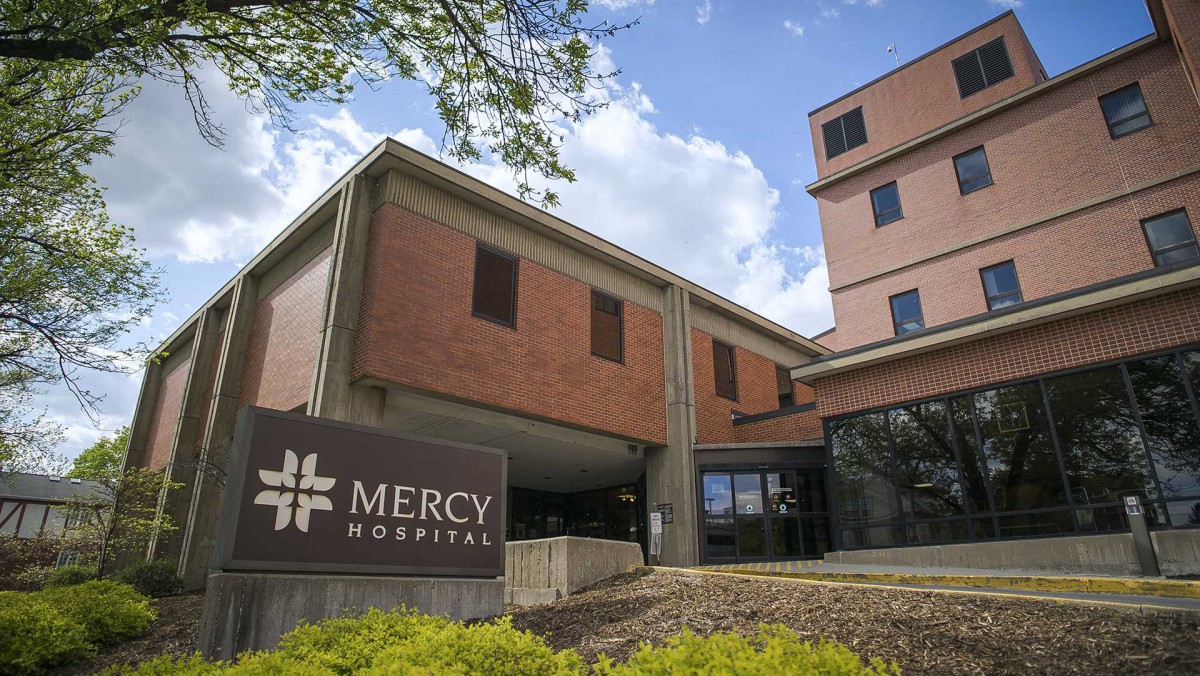
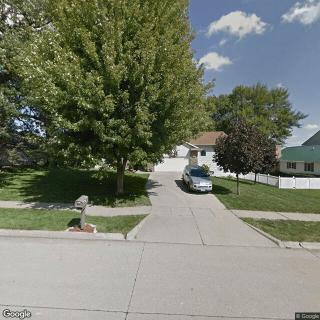
Mercy Hospital is located at 500 E Market St, Iowa City, IA 52245 in Johnson County, Iowa
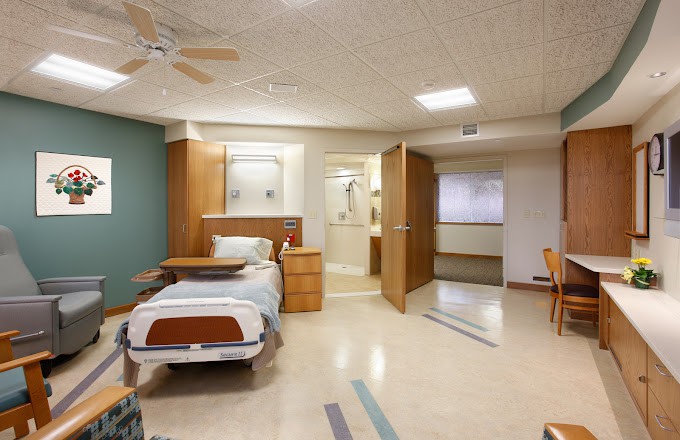
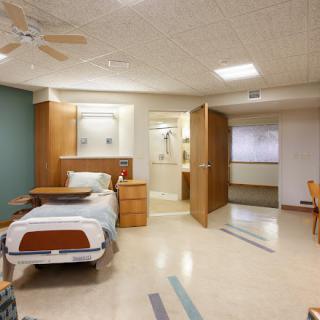
Mercy Hospital on seniors.fyi includes 6 photos including images showing interior, healthcare, waiting area, lounge, television, bedroom, building, architecture, and more.
Beyond the Bingo Hall: 50+ Enriching Activities for Seniors in Assisted Living

Assisted living communities offer diverse activities beyond traditional games to enhance seniors' physical health, cognitive well-being, emotional enrichment, and social connections, including fitness classes, creative expression, and intergenerational interactions. These enriching programs foster community bonds and support residents' independence and happiness.
Understanding the Distinctions: Assisted Living and Memory Care Explained

The article differentiates between assisted living and memory care, explaining that assisted living supports seniors with daily activities while promoting independence, whereas memory care provides specialized services for individuals with dementia, focusing on secure environments and cognitive support. It also addresses staff training, safety considerations, costs, family involvement, and transition strategies for families navigating these care options.
Guiding Elderly Parents Who Refuse Assisted Living: 6 Practical Steps


Family caregivers face emotional, legal, and practical challenges when elderly parents refuse assisted living, often due to fears of losing autonomy. Open conversations and professional assessments can help address these concerns while exploring alternatives and ensuring safety, potentially leading to legal guardianship if necessary.