
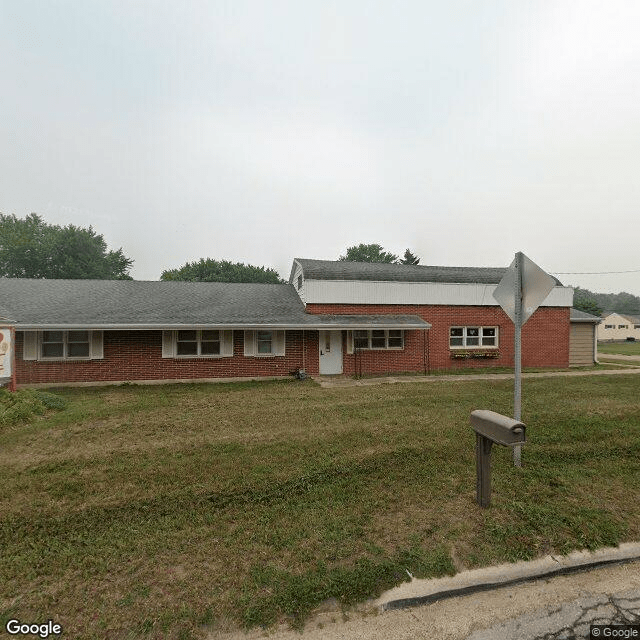
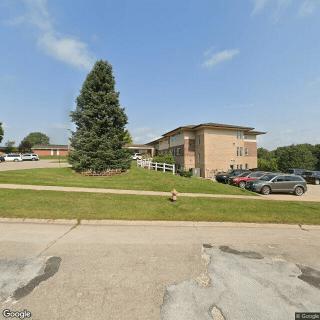
611 3rd St NE, Hartley, IA 51346
To contact a resident: (712) 728-2231
For more information about senior living options: (866) 208-4318
Hartley Senior Wellness Ctr Costs & Pricing
The Hartley Senior Wellness Center offers competitive pricing for its accommodations compared to both Osceola County and the wider state of Iowa. For instance, residents can expect to pay $6,500 per month for a studio and $7,000 for a private room, which aligns with the costs in Osceola County. However, when we consider broader state averages, these rates are significantly higher than the typical monthly fees of $3,613 for a studio and $4,670 for a private room throughout Iowa. This positioning suggests that while Hartley Senior Wellness Center provides quality services that may justify its premium pricing within the county, potential residents should weigh these costs against available options in the state to ensure they are making informed decisions about their care.
| Floor plans | Hartley Senior Wellness Ctr | Osceola County | Iowa |
|---|---|---|---|
| Studio | $6,500 | $6,500 | $3,609 |
| Private | $7,000 | $7,000 | $4,670 |
Overall Review of Hartley Senior Wellness Ctr
Pros
 The gym is tremendous.
- It offers a wide variety of weights and well-laid-out equipment that lets users do almost anything they want for a workout.
- The manager and staff take pride in keeping the gym and equipment clean.
- Even during busier times, patrons are nice and courteous.
- It’s open 24/7 and offers unbeatable value.
- Visitors say they can’t recommend this gym enough.
Review
Hartley Senior Wellness Center is best suited for independent seniors who want a strong, gym-forward approach to daily wellness. It shines for those who value broad exercise options, a clean and orderly environment, and an affordable, around-the-clock facility that supports self-directed routines. For residents who primarily need companionship, structured senior programming, or on-site care services, this center functions more as a wellness hub than a full-service living option. In short, it serves as an excellent foundation for fitness with social elements, but it is not a substitute for licensed care.
Families exploring assisted living should explicitly consider alternatives if daily living assistance is a core requirement. Prospective residents who need regular nursing oversight, medication management, memory care, or help with activities of daily living will likely find that a traditional assisted living community, or a continuing care arrangement, offers the necessary support. If a partner or parent requires meals, transportation to appointments, or coordinated rehab services, those needs are better addressed in settings designed around licensed care rather than just wellness and fitness.
The strongest positives here anchor a practical, low-stress independence model. A wide variety of weights and equipment, well-laid-out spaces, and an evident sense of pride in cleanliness create an environment where workouts can be tailored to individual capability and goals. The staff and management come across as courteous and attentive, which translates to reliable, predictable service and a welcoming vibe. The 24/7 access adds significant value for seniors whose schedules or energy patterns vary, enabling pre-dawn or late-evening routines without extra planning. And the price point keeps ongoing fitness a realistic investment rather than a financial burden, which matters in long-term wellness planning.
On the downside, the primary limitation is the absence of on-site care services. The gym-centric model means care needs, mobility assistance, medical monitoring, medication administration, or therapeutic rehab, aren’t inherently provided. There is occasional congestion during peak times, which can affect equipment availability and personal pace. For seniors who value a highly supervised environment, or who require consistent oversight for safety reasons, this can be a meaningful drawback. In essence, the center excels as a wellness and social venue but does not replace the comprehensive support found in assisted living or memory-care communities.
The key to leveraging the good elements is to align expectations with the facility’s strengths. The dependable cleanliness, friendly staff, and broad equipment lineup create a sustainable routine that supports ongoing fitness, balance, and social interaction, crucial ingredients for independent living. When these advantages are weighed against the lack of formal caregiving and the occasional crowding, the center remains a strong fit for those who can self-manage most daily needs and simply want reliable access to fitness resources. For seniors with higher care needs, the advantages may not compensate for the missing services.
The practical path forward is clear. Families should arrange a hands-on visit to observe peak and off-peak times, gauge how crowded the gym gets, and assess whether the staff responsiveness translates into real-world ease of use. Ask for trial memberships or short-term commitments to test fitness programming, social events, and any age-specific wellness activities. Compare this option against nearby assisted living communities that offer licensed care, meal plans, and transportation to appointments. In the right scenario, Hartley Senior Wellness Center becomes a durable anchor for healthy aging, with the caveat that higher levels of daily care require a different environment.
 Assisted Living
 Activities on-site
 Devotional services off-site
 Indoor common areas
 Ambulatory care
 Diabetic care
 Meals provided

 Social Security Benefits and Assisted Living: Navigating Options Across the U.S.
 An Extensive Exploration of the VA Aid and Attendance Benefit
 Senior Transition Services: Understanding Their Role, Cost, and Importance