The Kensington Senior Living & Memory Care at Fort Madison Costs & Pricing
The Kensington Senior Living & Memory Care at Fort Madison offers competitive pricing for its various living arrangements, closely aligning with the costs in Lee County and reflecting broader state trends in Iowa. For a studio unit, residents can expect to pay $3,295 per month, which matches the average cost in Lee County but is slightly lower than the state average of $3,613. One-bedroom apartments are priced at $4,495, consistent with county rates yet notably higher than the state's average of $2,862. The two-bedroom option stands at $5,695 - again on par with Lee County's pricing while exceeding the state's average of $3,329. Notably, the semi-private room option is priced at $5,895; this is significantly above both local and state averages of $4,535 and $3,885 respectively. Overall, The Kensington provides tailored senior living solutions that reflect both locality and quality care within their pricing structure.
Floor plans
The Kensington Senior Living & Memory Care at Fort Madison
Lee County
Iowa
Studio
$3,295
$3,295
$3,609
1 Bedroom
$4,495
$4,495
$2,863
2 Bedrooms
$5,695
$5,695
$3,329
Semi-Private
$5,895
$4,535
$3,885
Skilled Nursing Facilities with a similar price nearby
Overall Review of The Kensington Senior Living & Memory Care at Fort Madison
common34 reviews mention this
Staff care feels personal
Residents and families repeatedly describe the staff as caring, respectful, and supportive.
Across many reviews, people say the staff treats residents with patience and respect and makes families feel included. Multiple reviewers describe close check-ins, clear help during transitions, and a supportive approach to dementia needs. Several comments also highlight how staff welcomed visitors and handled day-to-day situations with care.
common10 reviews mention this
Activities and outings are a focus
Reviews describe regular activities, crafts, and outings that keep residents engaged.
Residents and families mention crafts, games, baking, and group activities, along with outings like trips to stores and restaurants. Some reviewers also describe exercise and bingo-style programming, and others mention programs brought in to interact with residents. For families visiting, several say the community keeps a steady schedule of things to do both inside and outside the building.
common6 reviews mention this
Clean, well-kept spaces stand out
Many reviews point to cleanliness and good upkeep throughout the community.
Several reviewers mention clean rooms and a facility that feels well maintained. Others also describe well-kept common areas and outside spaces, with less concern about clutter or mess. A few comments link that upkeep to feeling safe and comfortable for long stays.
common2 reviews mention this
Food gets strong praise
Food quality is a standout in reviews, with residents describing meals positively.
At least a couple of reviewers call the food excellent, including one specifically comparing it favorably to expectations for assisted living. Another review highlights a home-delivered meal service with strong quality marks, and ties food to the broader day-to-day experience at the community.
caveat2 reviews mention this
Valuables handling raises concerns
Some memory care families report frustration with how a missing-valuable situation was handled.
Two reviews describe issues involving missing cash from a resident’s wallet after family members reported the amounts were short. In both accounts, the families say communication and staff/business-office follow-through did not feel reassuring, and they describe needing to escalate to get a resolution. One of the reviews also contrasts that direct patient care staff were viewed positively while leadership response was criticized.
How we summarize
Counts show how many written reviews mention each theme; a review can touch several themes, and only frequently mentioned themes are displayed.
Features
Housing
1-bedroom apartments
2-bedroom apartments
Studio apartments
Types of Care
Assisted Living
Memory Care
Skilled Nursing Facility
Amenities
Activities off-site
Activities on-site
Air-conditioning
Bath tubs
Beautician on-site
Cable or satellite TV
Devotional services off-site
Devotional services on-site
Dining room
Financing advice
Full kitchen
Garden
Guasts at mealtime
Handicap accessible
Housekeeping services
Indoor common areas
Kitchenette
Laundry
Outdoor common areas
Overnight guests
Party space
Respite or short term stays offered
Wheelchair accessible showers
Wi-Fi/high-speed internet available
Transportation
Transportation & parking
Care Services
Ambulatory care
Diabetic care
High acuity care
Incontinence care
Medication management
Dining
Anytime dining
Gluten-free
Guest meals
Kosher
Low / no sodium
Meals provided
No Sugar
Restaurant style dining
Room service
Vegetarian
Activities
Activities off-site
Art classes
Bible study group
Catholic services
Cooking classes
Devotional activities offsite
Devotional activities on-site
Educational speakers / life long learning
Fitness programs
Live well programs
Mormon/LDS services
Protestant services
Religious services
Visiting chaplain or priest
Languages Spoken
English
Nearby Places of Interest
This part of Fort Madison, Iowa, offers a peaceful and convenient location for senior living. With multiple places of worship nearby, such as Sacred Heart Catholic Church and Santa Fe United Methodist Church, residents have access to spiritual support and community engagement. The proximity of pharmacies like Midwest Respiratory & Rehab and Rashid Health Mart ensures easy access to healthcare services. A variety of restaurants, including Hall's Old Fashioned Ice Cream and Vinnie's Santa Fe Tap, provide dining options for social gatherings or convenient meals. The area is also home to several physicians' offices for medical care needs. Transportation options are readily available with the BNSF Railway Co. and Fort Madison Station nearby, as well as a local Enterprise Rent-A-Car branch. Parks like Settlers Park and Rodeo Park offer opportunities for outdoor recreation, while hospitals such as Fort Madison Health Center and Fort Madison Community Hospital provide essential medical services. Additionally, cafes like Cottage Cafe and Grandpa John's Cafe offer cozy spots for enjoying a cup of coffee or a meal with friends. Overall, this neighborhood provides a safe and welcoming environment for seniors looking to reside in Fort Madison.
Places of Worship
Sacred Heart Catholic Church (0.1 miles)
Shekinah Inc. (0.4 miles)
General Conference Of Seventh-Day Adventists (0.4 miles)
Santa Fe United Methodist Church (0.6 miles)
Second Baptist Church (0.9 miles)
Holy Family Parish Office (1 miles)
Fort Madison Catholic Community (1 miles)
Pharmacies
MidWest Respiratory & Rehab (0.3 miles)
Rashid Health Mart (0.3 miles)
Rashid Pharmacy PLC (0.3 miles)
Walgreens (0.4 miles)
Nauvoo Pharmacy (6 miles)
Heritage Park Pharmacy (15 miles)
Restaurants
Hall's Old Fashioned Ice Cream (0.3 miles)
Wing Street (0.3 miles)
Vinnies Santa Fe Tap (0.4 miles)
KFC (0.7 miles)
Cabaret (0.8 miles)
Sidelines (1 miles)
McDonald's (1 miles)
Physicians
Concha Audiology PLC (0.4 miles)
Ordona, Truce Dr - Fort Madison Physicians and Surgeons (2.4 miles)
Memorial Medical Nauvoo Clinic (6 miles)
Miracle-Ear Hearing Aid Service Center (14.9 miles)
The Kensington Senior Living & Memory Care at Fort Madison offers competitive pricing for its various living arrangements, closely aligning with the costs in Lee County and reflecting broader state trends in Iowa. For a studio unit, residents can expect to pay $3,295 per month, which matches the average cost in Lee County but is slightly lower than the state average of $3,613. One-bedroom apartments are priced at $4,495, consistent with county rates yet notably higher than the state's average of $2,862. The two-bedroom option stands at $5,695 - again on par with Lee County's pricing while exceeding the state's average of $3,329. Notably, the semi-private room option is priced at $5,895; this is significantly above both local and state averages of $4,535 and $3,885 respectively. Overall, The Kensington provides tailored senior living solutions that reflect both locality and quality care within their pricing structure.
The Kensington Senior Living & Memory Care at Fort Madison offers medication management to ensure that residents receive their prescribed medications on time and in the correct dosages, which is crucial for maintaining their overall health and managing symptoms of dementia or Alzheimer's disease. This feature alleviates the stress often associated with self-medication, allowing residents to focus on their daily activities and improving their quality of life. Additionally, incontinence care provides compassionate support for residents dealing with this common challenge, helping to maintain dignity and comfort while reducing anxiety about accidents. This attentive care fosters a secure environment where individuals can thrive, enhancing their overall well-being while addressing the specific needs related to cognitive impairments.
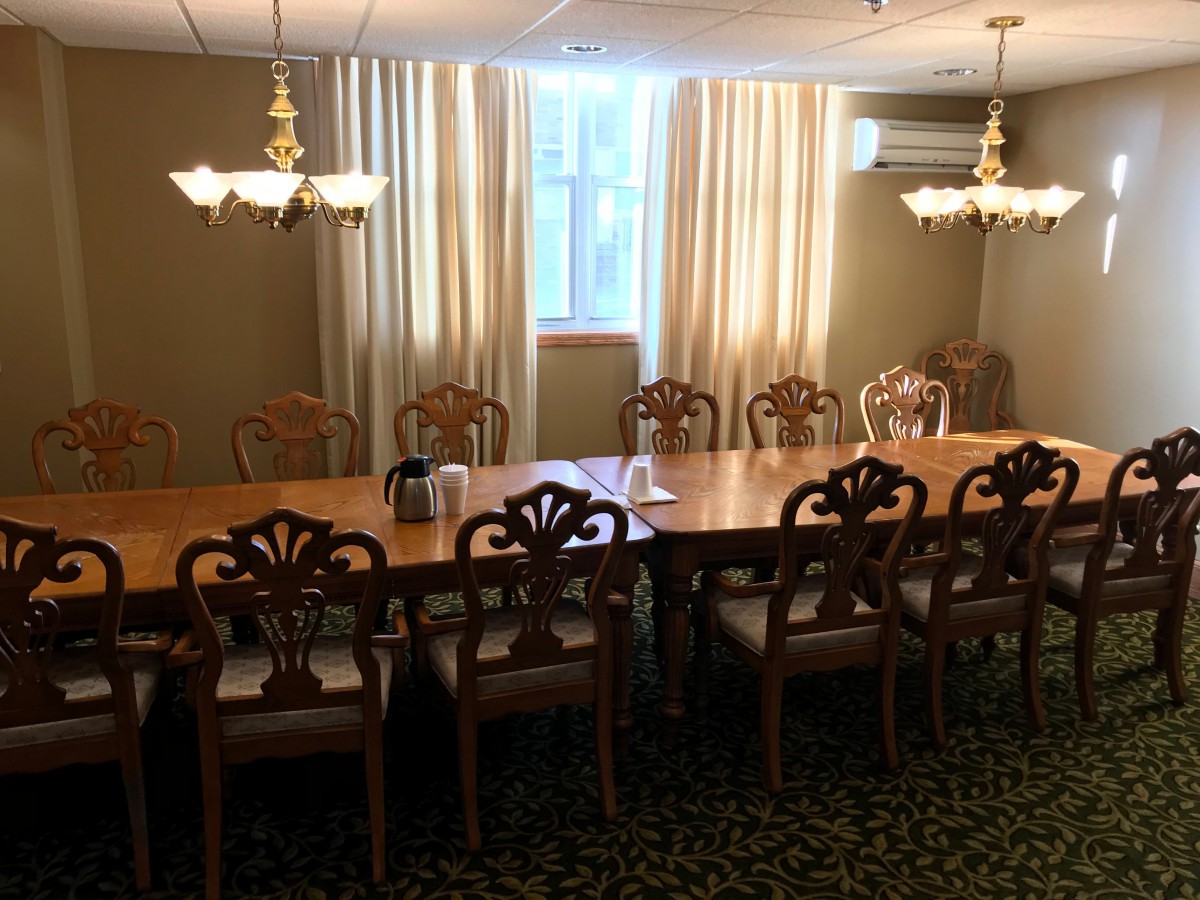
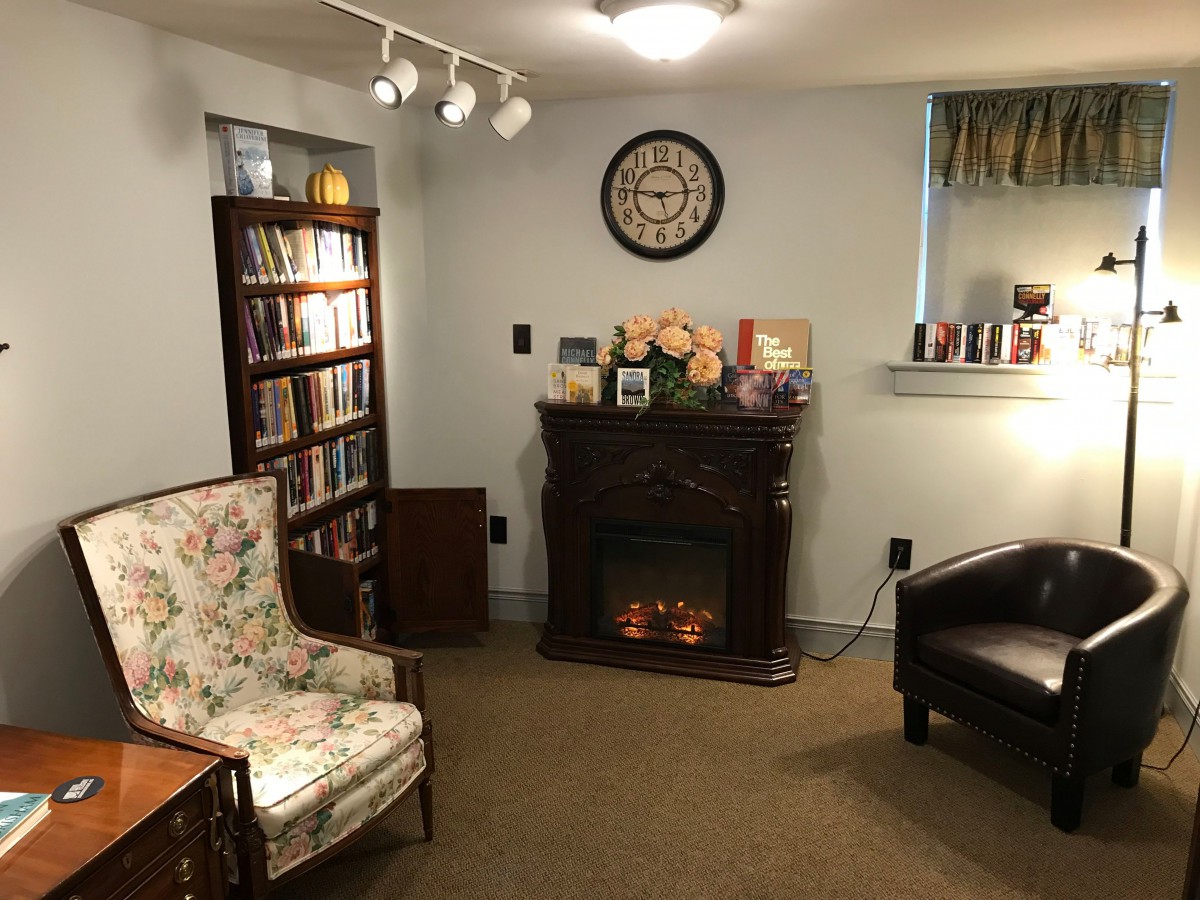
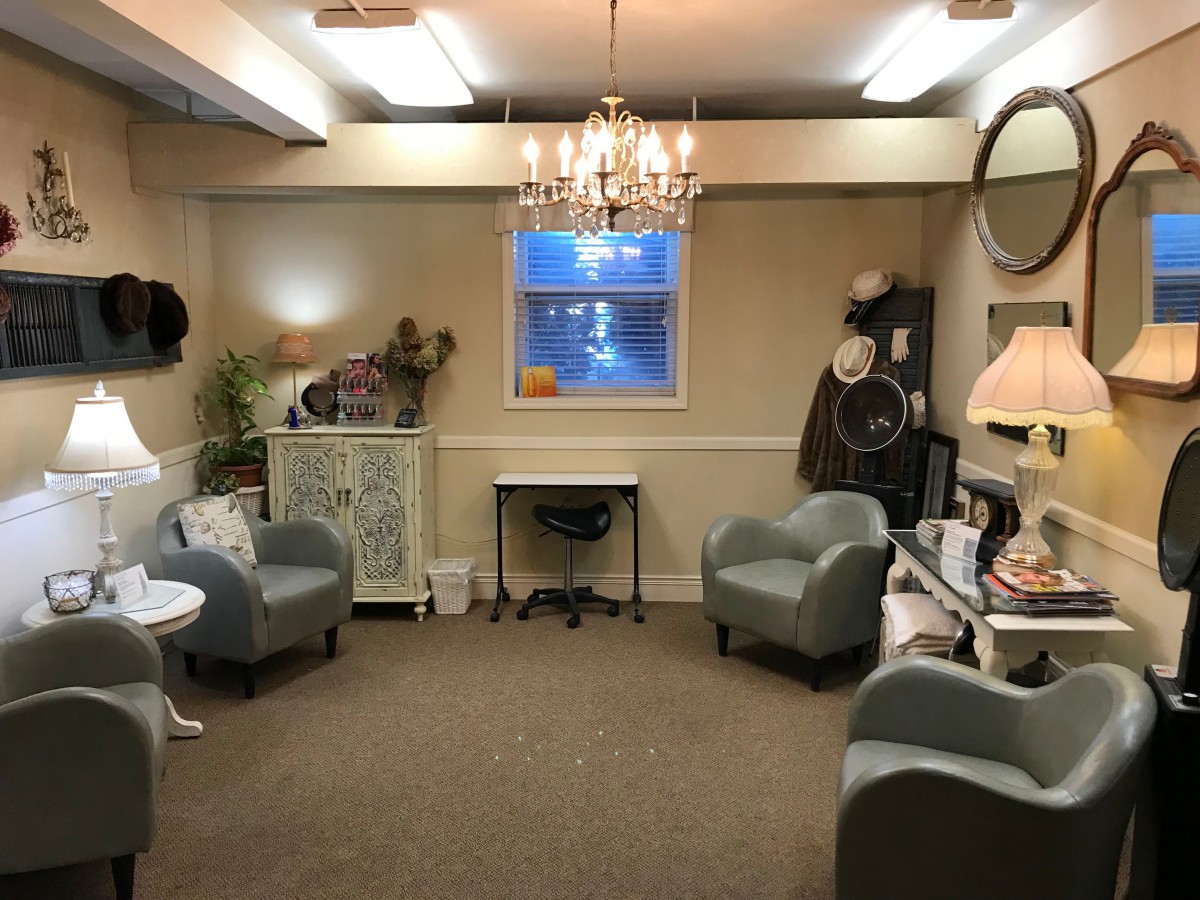
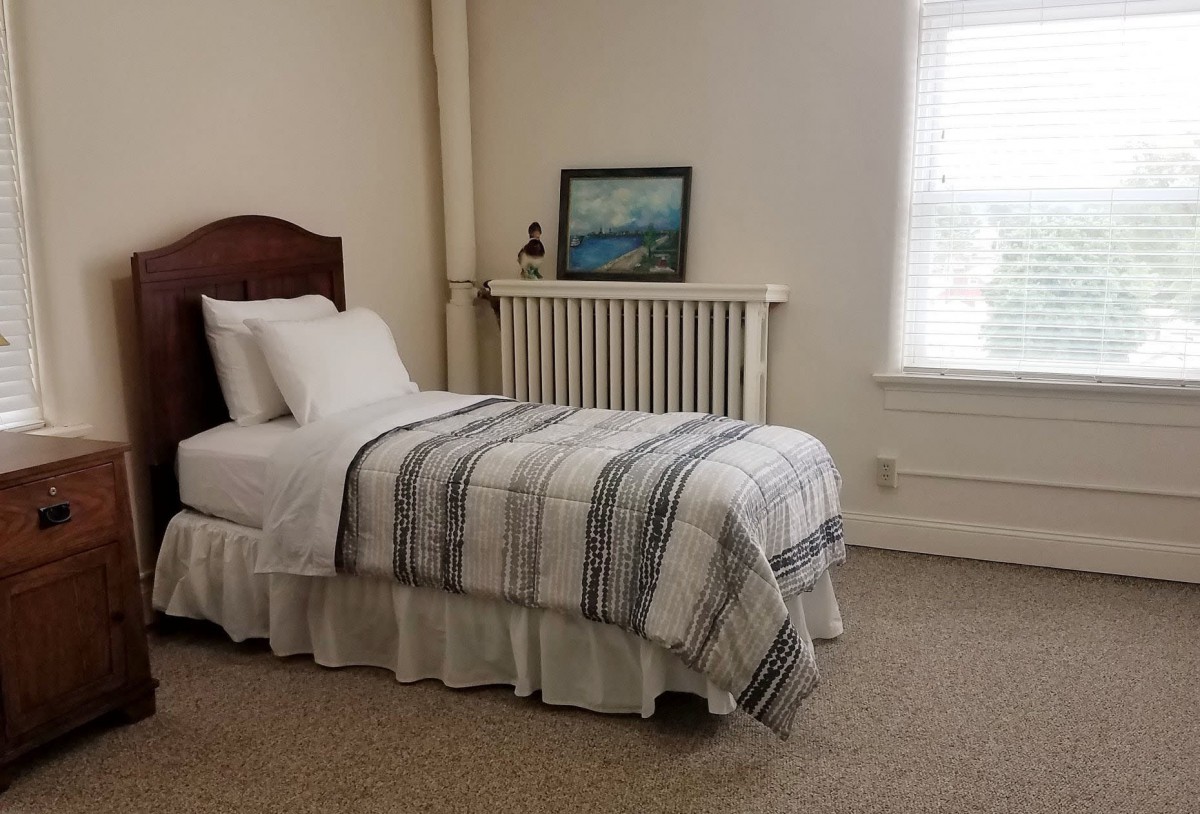
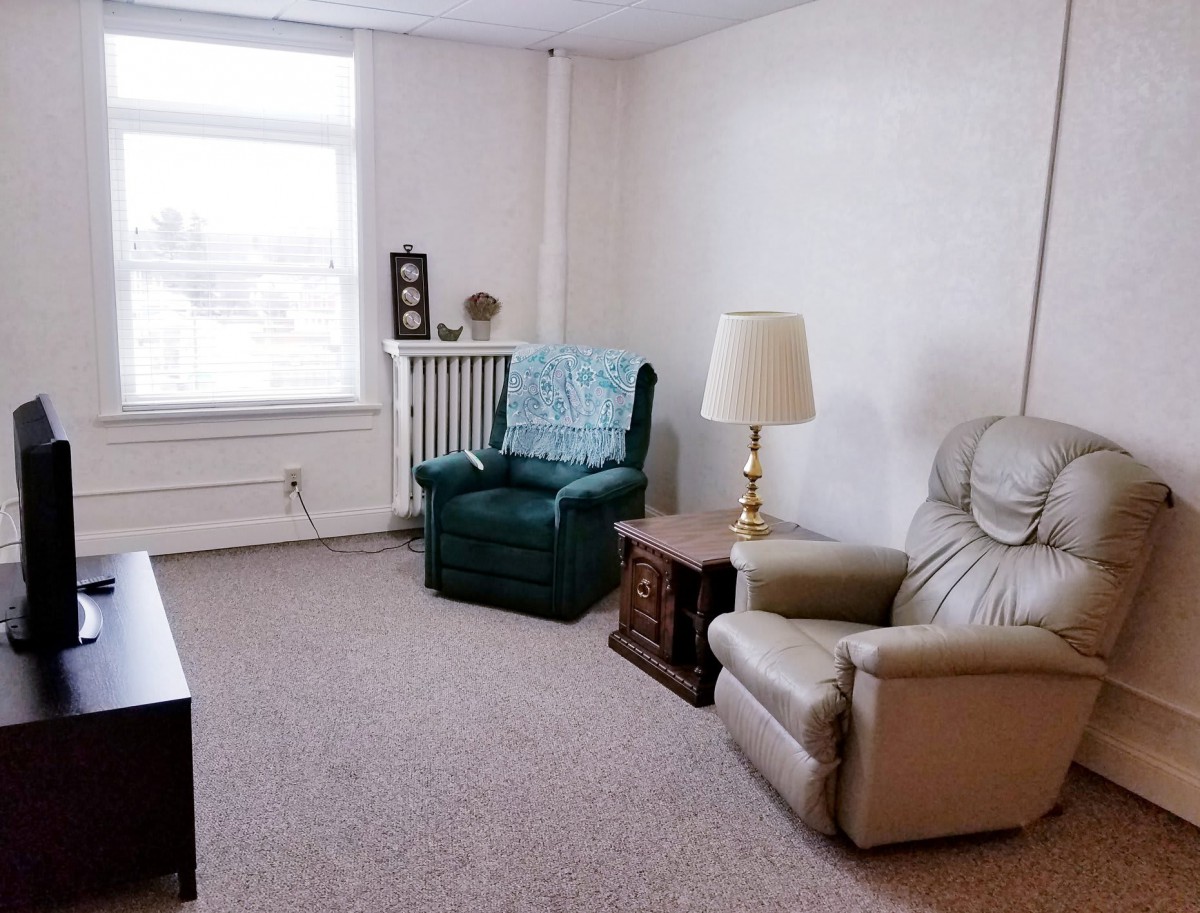
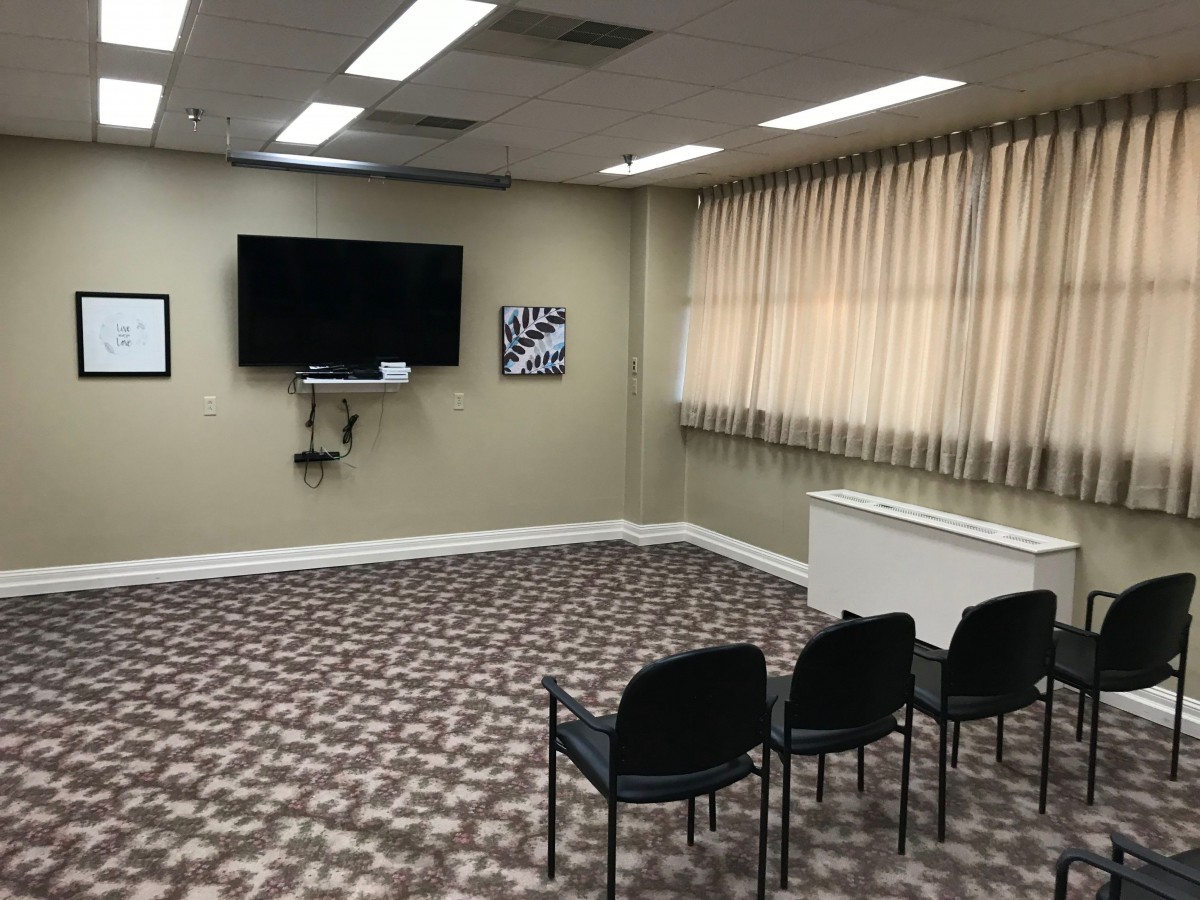
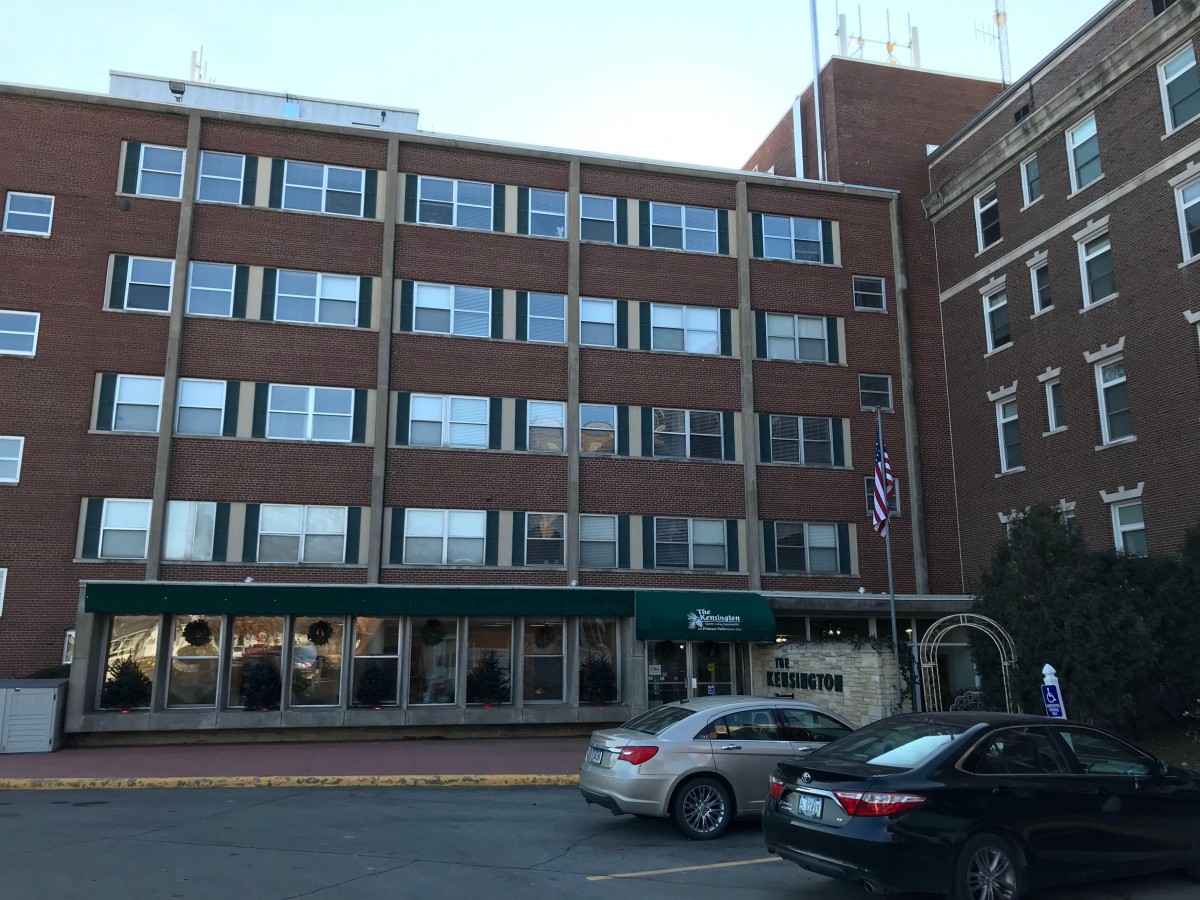
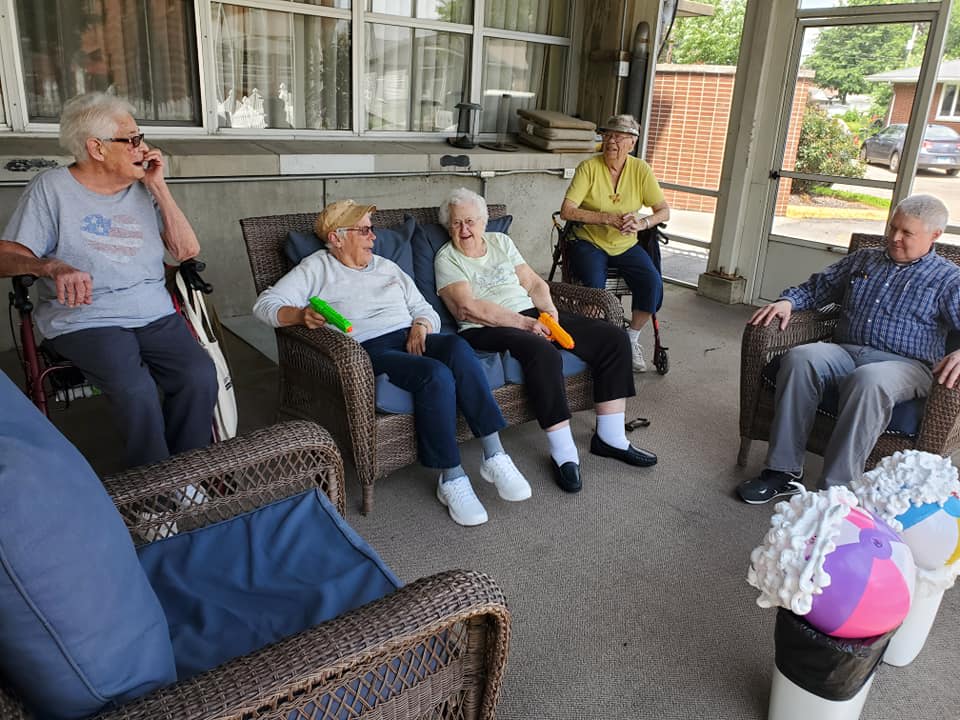
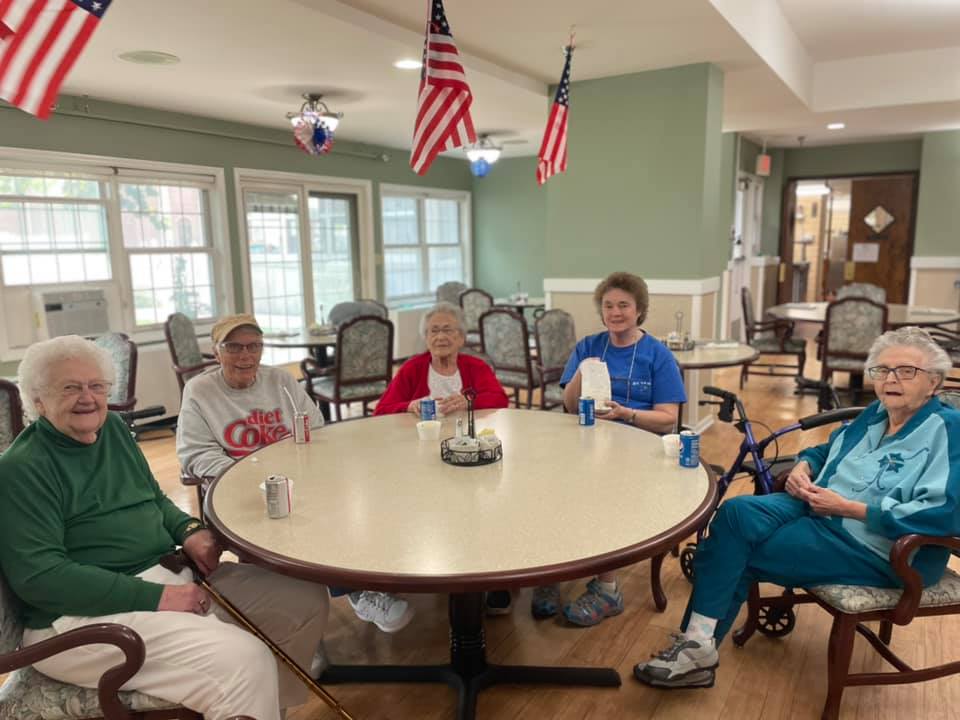
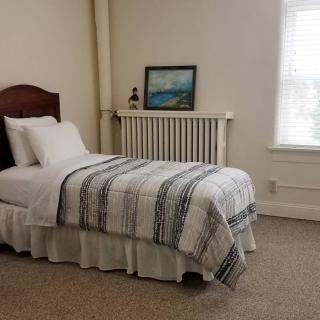
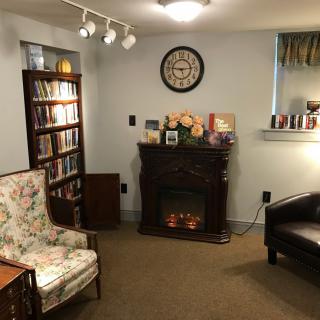
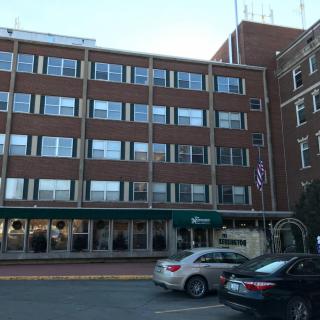
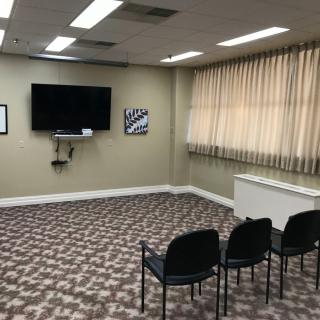
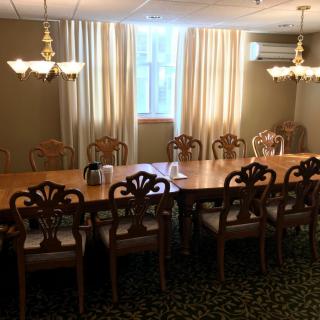
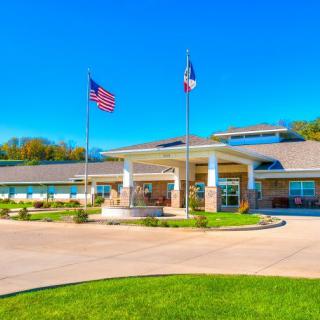
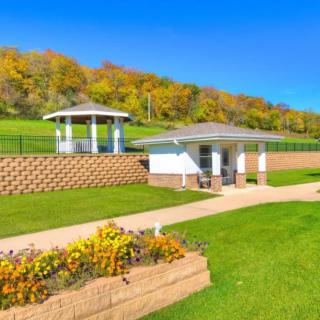
The Kensington Senior Living & Memory Care at Fort Madison on seniors.fyi includes 13 photos including images showing interior, living room, windows, conference room, chandelier, outdoors, bedroom, television, and more.
Nearby Communities
The Kensington At Fort Madison
Fort Madison, IA
4.3 from 37 reviews
Specialized memory care with 24/7 supervision and dementia-focused programming
The Madison
Fort Madison, IA
3.9 from 18 reviews
Comprehensive amenities and 24/7 care support (transportation, restaurant-style dining, wellness programs, beauty salon, fitness room, and activities).
Addington Place Ft Madison
Fort Madison, IA
4.7 from 45 reviews
$3,175 to $6,300 / month
Caring staff, warm atmosphere, and engaging activities in a well-maintained memory care community.
Addington Place Of Fort Madison
Fort Madison, IA
4.5 from 18 reviews
Strong memory-care focus with 24/7 staff and ample on-site amenities.
FMCH Home Health Care
Fort Madison, IA
5 from 2 reviews
Strong access to nearby health services and daily amenities.
West Point Care Center
West Point, IA
4.8 from 4 reviews
Fully furnished assisted living with 24-hour care, restaurant-style dining, and outdoor spaces near parks.
Dementia is characterized by cognitive decline, with nutrition playing a vital role in brain health; while no specific diet can prevent or reverse it, a nutrient-dense diet rich in antioxidants and healthy fats may support cognitive function. The MIND diet, which emphasizes beneficial foods and limits processed items, along with proper hydration and individualized meal strategies, can enhance the well-being of dementia patients.
Dementia affects memory and cognitive function in older adults, presenting challenges for caregivers due to behavioral changes such as confusion and mood swings. Compassionate, person-centered care that considers individual history and preferences, along with effective communication and environmental modifications, is essential for supporting both patients and their caregivers.
Dementia leads to cognitive impairment and can cause emotional and behavioral changes, including aggression that arises from frustration, confusion, or fear. Effective coping strategies for caregivers include understanding dementia's nature, recognizing triggers, using empathetic communication, and employing non-pharmacological interventions like music and art therapy.
The Kensington Senior Living & Memory Care at Fort Madison photos
×
Interior
Outdoors
Decor
Living Room
Building
Windows
Television
Chandelier
Interior
Decor, Bedroom, and Painting
Living Room
Windows
Building, Architecture, and Urban
Television and Lighting Fixtures
Chandelier
Fireplace
Outdoors
Flag
Conference Room
Additional Photos
Get PricingAsk A QuestionSchedule A TourContact Senior Advisor
By clicking submit, you agree to our Partner's Terms of Use. You
also consent to receive calls and texts, which may be autodialed, from our Partner. Your consent is not a condition to
using our Partner's service. Please visit our Partner's Privacy Policy for information about their privacy practices.






 1-bedroom apartments
 Assisted Living
 Memory Care
 Skilled Nursing Facility
 Activities off-site
 Air-conditioning
 Bath tubs
 Beautician on-site
 Cable or satellite TV
 Devotional services off-site
 Dining room
 Financing advice
 Full kitchen
 Garden
 Handicap accessible
 Housekeeping services
 Indoor common areas
 Laundry
 Outdoor common areas
 Overnight guests
 Party space
 Respite or short term stays offered
 Wheelchair accessible showers
 Wi-Fi/high-speed internet available
 Transportation & parking
 Ambulatory care
 Diabetic care
 High acuity care
 Incontinence care
 Medication management
 Anytime dining
 Art classes
 Bible study group
 Cooking classes
 Educational speakers / life long learning
 Fitness programs
 Live well programs
 English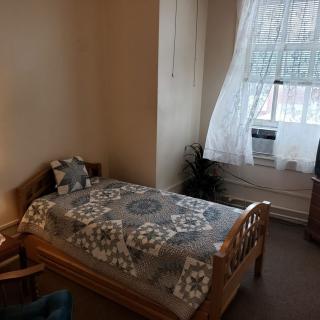
 Specialized memory care with 24/7 supervision and dementia-focused programming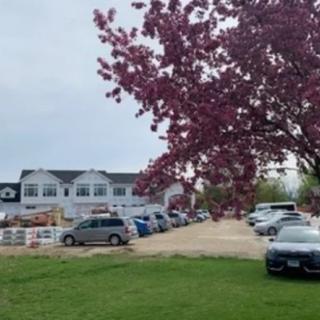

 Nourishing the Mind: Essential Dietary Approaches for Dementia
 Understanding Dementia Behaviors: Practical Insights and Strategies for Caregivers
 When Dementia Sparks Anger and Aggression: Understanding the Connection and Ways to Cope