
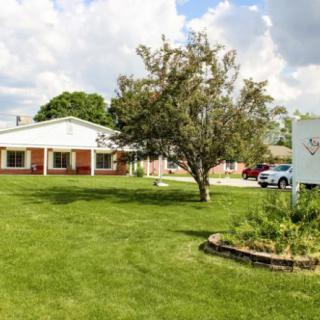
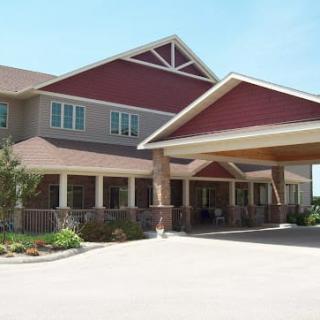
21668 80th Street, Cresco, IA 52136
For more information about senior living options: (866) 208-4318
Overall Review of Donald Lundak Assisted Living Center
Pros
 The staff care about residents and are upbeat, positive people who make them feel happy and secure by going with their errant thoughts.
- They use humor or distractions to keep residents happy rather than correcting them.
- Activities until 8 p.m. keep residents socially engaged.
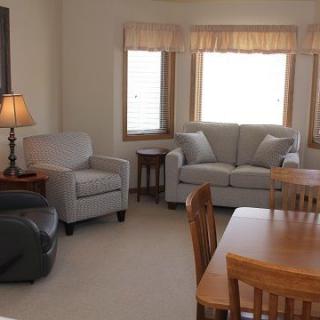
- The circular layout with meals and activities in the center encourages residents to be social and not isolated in their rooms.
- The staff go out of their way to entertain visiting children, offer coffee to visitors, and make it feel like a home.
Review
Donald Lundak Assisted Living Center in Cresco is best suited for memory-impaired adults who thrive on a deliberately social, care-focused environment where staff exercise a person-centered approach and dignity is placed at the forefront. The setting is clearly built for residents who gain security from consistent routines, meaningful engagement, and staff who navigate memory challenges with warmth, humor, and flexible strategies rather than rigid correction. If the goal is to preserve social connectedness and emotional well-being through structured activities and a home-like atmosphere, this community delivers in spades.
Those weighing alternatives should note a few realities. Families seeking a more independent living experience with minimal supervision, or those needing higher levels of medical acuity beyond memory care, may find other options more aligned with their priorities. The facility’s strengths, robust social programming, extended activity hours, and a layout that promotes interaction, do not automatically translate to every resident’s needs, especially for those who require quieter routines, tighter security, or different medical support structures. A broader continuum of care or a setting with less emphasis on memory-centered programming could be a better fit in such cases.
The core positives are tightly aligned with the realities of memory care. Staff are described as upbeat and genuinely attentive, with a capacity to validate residents’ thoughts by “going with” what memory-impaired residents are saying. That person-centered tactic, using humor or distraction rather than correction, reduces frustration, mitigates agitation, and lends a sense of dignity and happiness. The community’s social calendar is robust, with activities running until 8 p.m., ensuring residents stay engaged and connected rather than slipping into isolation. The circular floor plan, placing meals and activities in a central hub, reinforces this social emphasis, making it easier for residents to interact, participate, and feel part of a shared daily life. The atmosphere also sounds welcoming for visitors, which helps families stay connected and reassured about their loved one’s enjoyment and security.
These strengths effectively offset the common drawbacks inherent to many memory-care environments. A facility that prioritizes engagement and a home-like feel can mitigate common memory-care pitfalls, restlessness, withdrawal, and loneliness, by creating a predictable, joyful rhythm that residents come to anticipate. The willingness of staff to entertain visiting children and to offer hospitality to families adds an extra layer of reassurance, signaling a culture that treats residents as integral members of a broader community. When the primary concern is preserving mood, meaning, and social contact for someone living with memory impairment, the described approach stands out as a practical and proven strategy.
Yet there is value in scrutinizing data limitations before deciding. The evidence base here rests on a single, highly positive review, which means experiences may vary across other residents or times. Prospective families should also probe unknowns not detailed in the review: the specific level of medical oversight, staff-to-resident ratios during peak activity times, security measures for memory-care residents, and how transitions are managed if care needs evolve. Costs, contract terms, and what services are included or excluded are equally crucial inquiries. In short, plan for an in-person assessment that confirms alignment with care expectations, safety standards, and long-term viability.
In the end, Donald Lundak Assisted Living Center is a compelling option for families prioritizing memory-care excellence anchored by compassionate staff, vigorous social programming, and a home-like setting that keeps residents happy and engaged. It is particularly well-suited for those who value a deliberately social daily structure and a caregiving tone that validates residents through humor, presence, and gentle guidance. For families with different priorities, less emphasis on constant social stimulation, a need for broader care levels, or a preference for quieter routines, alternatives should be considered, as a fuller picture of options will ensure the best fit for both resident and family.
 24 resident community capacity
 Assisted Living
 Memory Care
 Activities on-site
 Beauty salon
 Cable or satellite TV
 Devotional services off-site
 Dining room
 Fully furnished
 Garden
 Housekeeping services
 Indoor common areas
 Kitchenette
 Move-in coordination
 Outdoor space
 Restaurant-style dining
 Small library
 Telephone
 Wi-Fi/high-speed internet available
 24-hour call system
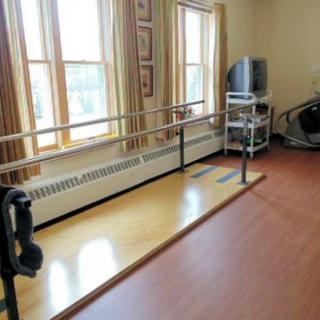
 Ambulatory care
 Assistance with bathing
 Assistance with dressing
 Assistance with transfers
 Diabetes diet
 Diabetic care
 Medication management
 Mental wellness program
 Special dietary restrictions

 Why Do Dementia Patients Sleep So Much? Understanding Oversleeping, Stages, and Care Approaches
 8 Key Indicators That Suggest It May Be Time to Transition from Assisted Living to Skilled Nursing Care
 Nourishing the Mind: Essential Dietary Approaches for Dementia