
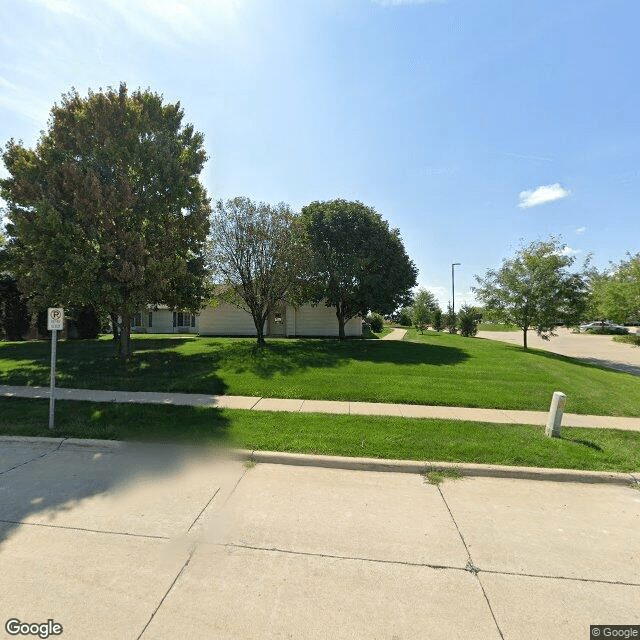
3301 Sterling Dr, Burlington, IA 52601
To contact a resident: (319) 754-7500
For more information about senior living options: (866) 208-4318
Overall Review of Sterling House
Pros
 The facility is clean, well-kept, and feels like a home rather than an institution.
 - The staff are professional, caring, and treat residents with evident warmth, creating a sense of family.
- The environment is welcoming for pets, including dogs, which makes it a good fit for families.
- Residents are lively, engaged, and social, with friendly conversations and active participation in activities.
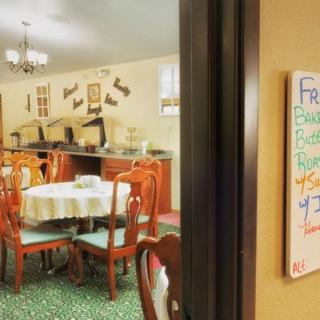
- The dining facilities are attractive, with fresh-baked items and a variety of appealing options.
- The rooms come in three sizes and can be personalized, offering privacy and a homey feel.
- The outdoor courtyards provide a pleasant space for outdoor time and coffee.
- The staff are described as part of the 'Bickford family,' reinforcing a happiness-focused, respectful culture.
Cons
 The facility was costly and Medicaid was not covered.
- The apartments were on the small side.
- It would be too crowded for two people.
Review
This Burlington community is best suited for families seeking a warm, home-like assisted living that feels intimate rather than institutional. The model emphasizes a mid-sized, homestead atmosphere with apartment-style living, generous common areas, and outdoor spaces that invite casual coffee or conversation. It appeals most to those who value a strong sense of community, personal attention from staff, and a culture that treats residents like people with longtime friendships. For families prioritizing companionship, ease of transition, and a facility where residents can continue small rituals, pets, personal decor, and familiar routines, this setting offers a compelling fit.
Those considering alternatives should note several potential gaps. If budget is the primary constraint or Medicaid coverage is required, options that accept government assistance may be more suitable, since the reviewed experiences indicate a private-pay model with limited payer flexibility. For couples or residents needing more expansive two-person accommodations, or for families seeking a larger campus with broader medical amenities and structured clinical programs, other communities could better match those needs. Also, if the desire is for a more clinical, hospital-like environment with extensive on-site medical services, alternatives may be a better match.
The strongest pros are the defining, tangible comforts that offset the financial considerations. The setting feels like a true home, not an institution, with rooms sized to personal preference and an emphasis on privacy within apartment-style living. The ambiance is enhanced by well-kept grounds, a welcoming front porch, and courtyards where residents can stroll with a leashed pet or enjoy a quiet moment outdoors. Dining and social spaces are designed to be inviting, with from-scratch meals and a varied menu that aligns with the homey vibe. The staff culture stands out as well: caregivers and administrators project a genuine commitment to residents, often described as a “family” atmosphere that translates into daily kindness, attentiveness, and meaningful interactions.
Cost emerges as the principal drawback, and it is not insignificant. The reviews consistently flag private-pay status and the lack of Medicaid coverage as a major consideration for families evaluating long-term care options. That financial reality can narrow the field for those relying on public assistance or on strict budget constraints. However, the offset comes from a clearly demonstrated value: residents are engaged, well cared for, and integrated into a lively community where neighbors are curious, conversations flow, and memory care needs can be met with a tuned, personalized approach. In this sense, the precious intangible of belonging, feeling seen, heard, and respected, often mitigates the sticker price for families who prize quality interactions and continuity of care.
From a resident-experience perspective, the evidence points to a vibrant social fabric. Residents are described as well-kept and engaged, with opportunities for meaningful activities and social hours that prevent stagnation. The dining experience supports a feeling of abundance and warmth, with rooms and common areas arranged to foster interaction rather than isolation. Pet-friendly policies add a meaningful layer of comfort for families with animal companions, and the presence of memory care programs indicates a pathway for progressive needs without abrupt transitions. The staff, including nurses and activity coordinators, are cited as professional, responsive, and invested in the residents’ emotional well-being as much as their physical safety.
In deciding whether this Burlington community is the right match, a practical lens is essential. If priority rests on a homelike setting, strong staff relationships, pet inclusivity, and a culture that treats residents as part of a welcoming family, this option stands out as a top contender. If Medicaid coverage, budget-conscious planning, or a preference for larger campuses with broader medical services are non-negotiables, alternatives deserve exploration. The recommended next step is a deliberate visit: assess room options, test the dining atmosphere, meet the care team, and speak with current families about day-to-day realities. A clear picture will emerge of how well Sterling House in Burlington aligns with the household’s care goals and financial plan.
 1-bedroom apartments
 Assisted Living
 Memory Care
 Skilled Nursing Facility
 Activities on-site
 Beautician on-site
 Cable or satellite TV
 Devotional services off-site
 Dining room
 Financing advice
 Garden
 Guest parking
 Housekeeping services
 Indoor common areas
 Kitchenette
 Laundry
 Overnight guests
 Party space
 Respite or short term stays offered
 Spa
Spa Transportation & parking
 Ambulatory care
 Diabetic care
 Medication management
 Diabetes diet
 Low / no sodium
 Arts and crafts
 Fitness programs
 Games
Games Live musical performances
 Stories
 English




 Comprehensive Insights on the Late Stages of Dementia: What to Expect and How to Provide Care
 Medications Associated with Dementia Risk: A Comprehensive Overview
 Guiding Your Journey: Understanding Power of Attorney for Elderly Parents