Harrison's Crossing Health Campus

Save
Harrison's Crossing Health Campus

Harrison's Crossing Health Campus

395 8th Avenue, Terre Haute, IN 47807

For more information about senior living options: (844) 490-3973

4.5 from 41 reviews
5 stars
36
4 stars
0
3 stars
0
2 stars
0
1 stars
5

Assisted Living Memory Care Skilled Nursing Facility

What level of care are you interested in?

Assisted Living

Memory Care

Independent Living

Skilled Nursing Facility

Continuing Care Retirement Community (CCRC)CCRC

Other


Request a tour at Harrison's Crossing Health Campus

    Overall Review of Harrison's Crossing Health Campus

    Pros

    • pro The staff at Harrison's Crossing is caring and dedicated, with nurses, therapists, and support staff working together to improve residents' health.
    • pro The staff treats residents like family and provides around-the-clock attentive care.
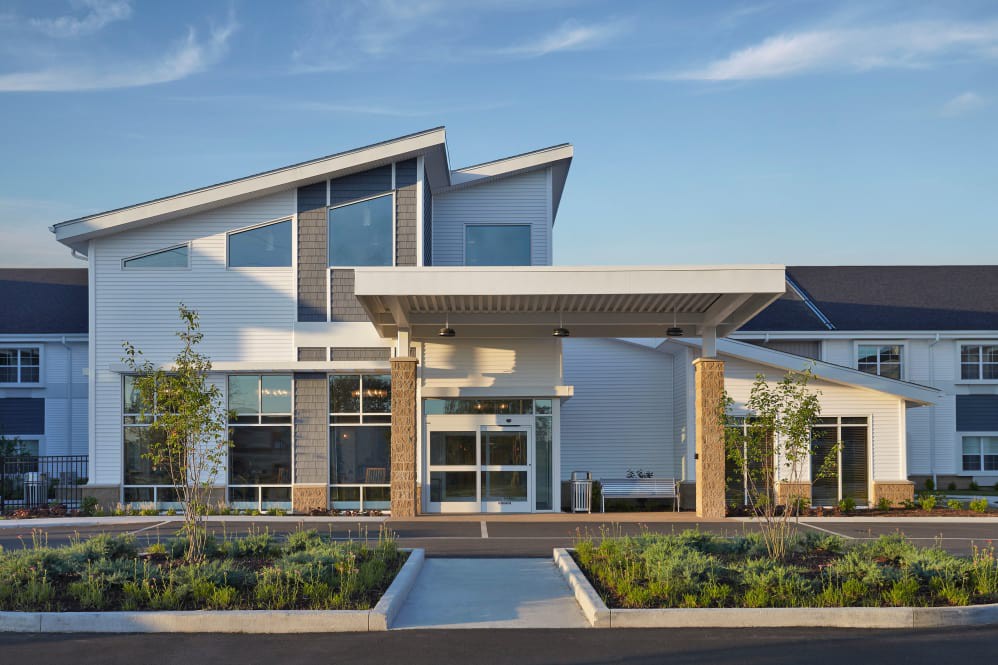
    • pro The facility is beautiful, modern, and welcoming, with a home?like atmosphere.
    • pro Leslie Garcia consistently goes above and beyond to make transfers smooth and stress-free.
    • pro The meals are delicious and prepared by accomplished chefs, offering a fine-dining experience.
    • pro Harrison's Crossing uses cutting?edge technology to enhance quality of life for residents.
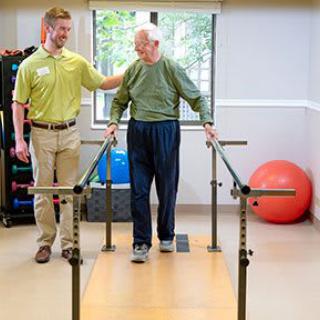
    • pro The campus emphasizes socialization, activities, and physical therapy to support recovery.
    • pro Admissions and transitions are seamless, reducing stress for families.
    • pro Families report remarkable care and compassion for their loved ones.
    • pro The campus provides excellent customer service and takes pride in meeting patients' needs.
    • pro The care at Harrison's Crossing is top-notch and staff genuinely care about patients.
    • pro Some reviewers describe the staff as lifesaving, underscoring the impact of their work.

    Cons

    • pro The reviewer stated that the facility deserves no stars.
    • pro A reviewer described neglect, noting a patient hadn't been bathed for a week, was left in filth, and couldn't get help when needed.
    • pro The reviewer claimed essential medications and breathing treatments were not provided, contributing to health decline.
    • pro The facility was criticized for being understaffed and for poor communication among staff and with families.
    • pro The reviewer alleged the facility charges $200 per day to neglect patients.
    • pro A reviewer noted a bed sore bandage was not changed promptly and wounds were not adequately monitored.
    • pro One reviewer warned readers not to consider using the facility.

    Review

    Harrison's Crossing presents itself in many reviews as a facility that blends modern comfort with attentive, compassionate care. Several families describe it as beautiful and welcoming from the moment you walk in, a place that feels less like a sterile medical center and more like a home you would actually want your loved ones to inhabit. The atmosphere is punctuated by a sense of dedication from the moment of arrival, with phrases such as rolling out "the red carpet" and an overall commitment to health that appears unwavering. Reviewers consistently note a first impression of warmth and hospitality that sets the tone for what follows during the stay.

    The core of the praise centers on the staff and the daily caregiving experience. Families repeatedly highlight nurses, physical therapists, aides, and support teams who genuinely seem to care about each patient's wellbeing. The care is described as thorough and personalized, with nurses responding promptly to calls and staff treating residents like family. The medical and therapeutic teams are commended for their attentiveness, and several reviews emphasize that the staff's dedication translates into tangible improvements in mobility, independence, and mood. In addition to the clinical attention, patients benefit from socialization, activities, and a sense of routine that contributes to a higher quality of life during recovery.

    Meal service and overall nutrition are cited as standout features in many accounts. Several reviewers mention delicious meals prepared by in-house chefs, with a dining experience that rivals fine dining in terms of variety and presentation. The ability for residents to select from menus and the emphasis on balanced meals contribute to a perception of holistic care that supports recovery and wellbeing as much as therapy and medications do. The combination of nourishment and engaging activities seems to create an environment where residents eat well, engage with others, and maintain a positive outlook during rehabilitation.

    A recurring thread across multiple testimonies is the impact of the facility on aging loved ones and the reassurance it provides to families. One review describes a 99-year-old mother who, during rehab, appears to "reverse age" through socialization, physical therapy, and meaningful activities, with staff treating her like family. Special mentions of individuals who go above and beyond - like Leslie Garcia, whose efforts ensure smooth admissions and stress-free transitions from hospital to Harrison's - underscore the sense that people matter here and that some staff members become trusted partners in a family's journey. The sense of continuity and steady support appears to relieve families during tough times, allowing them to focus more on being with their loved ones rather than worrying about logistics.

    Admitted residents span a range of needs, from acute rehab to assisted living, and the reviews reflect strong satisfaction in those transitions. For some, the facility represents the essential bridge between hospital care and returning home, with several accounts noting seamless admissions, well-coordinated transfers, and thoughtfully arranged care plans. A few reviewers specifically praise the assisted-living environment within the campus, highlighting its homey feeling, small-town vibe, and the confidence they would place in the staff to care for their loved ones. The overall message is one of trust: once a loved one is there, families feel they have found a dependable place that can provide both independence and safety.

    Yet not every experience is uniformly flawless. A significant minority of the feedback raises concerns about staffing levels, communication gaps, and specific medical care lapses. One review recounts a troubling sequence in which a patient did not receive essential breathing treatments, a clogged tube contributing to serious infection, and a cascade of missed medications, with desserts chosen inappropriately for a diabetic patient. It also describes delays in responding to call bells and a failure to keep wounds or bedsores appropriately managed. The reviewer stresses that better staffing, clearer communication among hospital partners, and stricter medication and treatment protocols are essential improvements. This voice emphasizes the reality that even in a facility known for warmth and competence, the human systems of care - allocation of staff, medication administration, and timely response - must always be resourced and aligned to prevent harm.

    Despite these concerns, the collective sentiment remains that Harrison's Crossing has a lot to offer: a beautiful, well-maintained campus; state-of-the-art approaches and technology; highly capable medical teams; and a culture of care that makes many families feel their loved ones are not just patients, but valued individuals. Several individuals recount experiences where staff were responsive, admissions were smooth, and the overall trajectory of recovery or comfort was favorable enough to enable transitions back home or into more independent living arrangements. In multiple narratives, the facility earns praise for inspiring gratitude, with caregivers and administrators who leave a lasting impression through their professionalism and genuine concern.

    Ultimately, the reviews paint a nuanced portrait of Harrison's Crossing: a place of considerable strength, where exceptional staff, thoughtful amenities, and a patient-centered ethos meet the realities of staffing challenges and imperfect systems that sometimes impede flawless care. The recurring themes - compassionate staff, robust rehabilitation services, dynamic activities, and high-quality meals - create a compelling case for the facility as a preferred option for families seeking skilled, empathetic care. At the same time, the accounts underscore the imperative for ongoing improvements in staffing levels, internal communications, and medication management to ensure every resident receives the safest, most consistent care possible. Leslie Garcia, along with the broader admissions team, appears as a touchstone of reliability in the positive experiences, illustrating how individual dedication can shape a resident's trajectory and a family's peace of mind.

    Features

    Types of Care

    • Assisted Living Assisted LivingAssisted living facilities provide crucial support and care for seniors who may need help with daily tasks such as medication management, bathing, and meal preparation. These communities offer a safe and comfortable environment where seniors can maintain their independence while receiving the assistance they need to thrive in their golden years.
    • Memory Care Memory CareMemory care is crucial for seniors as it provides specialized support and services for individuals with dementia or Alzheimer's disease. These programs offer a safe and secure environment where residents receive personalized care, cognitive stimulation, and help with daily activities. Memory care helps seniors maintain their independence, quality of life, and dignity while also providing peace of mind for their families.
    • Skilled Nursing Facility Skilled Nursing FacilitySkilled Nursing Facilities are crucial for seniors as they provide round-the-clock medical care, rehabilitation services, and assistance with daily activities. These facilities ensure that seniors receive the specialized care they need to maintain their health and well-being as they age.

    Amenities

    • Cable or satellite TV Cable or satellite TVCable or satellite TV is important for seniors because it provides entertainment, news, and companionship, helping to combat loneliness and boredom. It also offers a wide range of programming options tailored to different interests and preferences.
    • Dining room Dining roomDining rooms are important for seniors as they provide a space for socialization, connection, and nutritious meals. They offer opportunities for residents to bond over shared meals, foster a sense of community, and promote healthy eating habits. Dining rooms also ensure that seniors have access to well-balanced meals tailored to their dietary needs and preferences.
    • Fully furnished Fully furnishedFully furnished senior living communities are important for seniors because they provide convenience, comfort, and a hassle-free moving experience. Seniors can easily settle into their new living space without the stress of having to buy and move furniture. This allows them to focus on enjoying their new home and community.
    • Garden GardenGardens are important for seniors as they provide a peaceful and therapeutic environment for relaxation, physical activity, and socialization. Being in nature has been shown to reduce stress, improve mood, and promote overall well-being. Gardens also offer opportunities for seniors to engage in gardening activities, which can improve mobility, flexibility, and cognitive function. Additionally, gardens create a sense of community and connection with others who share a passion for plants and outdoor spaces.
    • Housekeeping services Housekeeping servicesHousekeeping services are important for seniors because they help maintain a clean and safe living environment, promote independence, and reduce the risk of accidents or illnesses. Additionally, having assistance with household chores can alleviate physical strain and allow seniors to focus on other aspects of their well-being.
    • Move-in coordination Move-in coordinationMove-in coordination is important for seniors because it helps ease the transition into their new living environment. It ensures that all logistics, such as packing, organizing movers, and setting up utilities are taken care of, allowing seniors to focus on settling in and adjusting to their new home. Having a smooth move-in process can alleviate stress and anxiety, making the transition smoother and more enjoyable for seniors.
    • Outdoor space Outdoor spaceOutdoor spaces are important for seniors as they provide opportunities for physical activity, social interaction, exposure to natural light and fresh air, and a sense of connection to nature. Having access to outdoor spaces can improve overall well-being and quality of life for older adults living in senior communities.
    • Telephone TelephoneTelephones are important for seniors as they provide a lifeline for communication with loved ones, emergency services, and healthcare providers. They offer a sense of security and independence, enabling seniors to stay connected and access assistance when needed.
    • Wi-Fi/high-speed internet available Wi-Fi/high-speed internet availableWi-Fi/high-speed internet is important for seniors to stay connected with loved ones, access online resources, and participate in virtual activities to combat feelings of loneliness and isolation. It also allows them to easily manage healthcare needs, access entertainment, and engage in lifelong learning opportunities.

    Care Services

    • 24-hour supervision 24-hour supervision24-hour supervision is important for seniors to ensure their safety, well-being, and access to immediate assistance in case of emergencies or health issues. This constant support provides peace of mind for both seniors and their loved ones, allowing them to age in place with dignity and security.
    • Activities of daily living assistance Activities of daily living assistanceActivities of daily living assistance are important for seniors because they provide essential support with tasks such as eating, bathing, dressing, and mobility. This assistance helps seniors maintain their independence, dignity, and overall quality of life as they age.
    • Assistance with bathing Assistance with bathingAssistance with bathing is crucial for seniors as it helps maintain personal hygiene, prevents infections, and ensures their overall well-being and comfort. It also provides a sense of dignity and independence for seniors who may struggle with this task on their own.
    • Assistance with dressing Assistance with dressingAssistance with dressing is important for seniors because it helps maintain their independence, promotes personal hygiene, prevents accidents and injuries, and improves overall quality of life. This service ensures that seniors can continue to dress comfortably and confidently, despite any physical limitations they may have.
    • Assistance with transfers Assistance with transfersAssistance with transfers is crucial for seniors as it helps prevent falls and injuries, maintains their independence, and ensures they can safely navigate their living environment. It also provides peace of mind for both seniors and their loved ones.
    • Coordination with health care providers Coordination with health care providersCoordination with health care providers is crucial for seniors to ensure proper medical care, medication management, and overall well-being. This collaboration helps prevent overlapping treatments, track progress more effectively, and provide comprehensive support tailored to individual needs.
    • Dementia waiver Dementia waiverDementia waivers are essential for seniors as they provide critical protections and accommodations for those experiencing cognitive decline. These waivers ensure individuals with dementia receive appropriate care, support, and resources to maintain their quality of life and dignity as they navigate the challenges of this progressive condition.
    • Diabetes diet Diabetes dietA diabetes diet is crucial for seniors as it helps manage blood sugar levels, reduce risks of complications, and improve overall health and well-being. By following a balanced and nutritious diet tailored to their specific needs, seniors can better control their diabetes and enhance their quality of life.
    • Hospice waiver Hospice waiverHospice waivers are important for seniors because they allow individuals to receive specialized end-of-life care and support at home or in a hospice facility. This waiver ensures that seniors can access the necessary resources and services to maintain comfort and dignity during their final days.
    • Meal preparation and service Meal preparation and serviceMeal preparation and service are crucial for seniors as they may have limited mobility or energy to cook nutritious meals. Having access to healthy and convenient food options can ensure they are getting the proper nutrition needed to maintain their overall health and well-being.
    • Medication management Medication managementMedication management is crucial for seniors to ensure they are taking the right medications at the correct dosages and times. This helps prevent adverse drug interactions, reduces the risk of medication errors, and promotes overall health and well-being. Proactive management also allows for adjustments as needed based on changing health conditions or new prescriptions.
    • Mental wellness program Mental wellness programMental wellness programs are essential for seniors as they promote cognitive stimulation, emotional support, and social engagement. These programs help prevent isolation, depression, and cognitive decline, ultimately enhancing the overall quality of life for older adults.
    • Mild cognitive impairment Mild cognitive impairment"Mild cognitive impairment" is important for seniors because it is an early stage of cognitive decline that can potentially progress to more severe conditions such as dementia. Recognizing and addressing mild cognitive impairment can help seniors receive appropriate care and support to maintain their quality of life and independence for as long as possible.
    • Special dietary restrictions Special dietary restrictionsSpecial dietary restrictions are important for seniors because age-related changes in metabolism and health conditions can make it difficult for their bodies to process certain foods. By following a diet tailored to their specific needs, seniors can maintain their overall health and well-being, manage chronic conditions, and reduce the risk of complications such as malnutrition or food interactions with medications.
    • Specialized memory care programming Specialized memory care programmingSpecialized memory care programming is crucial for seniors with cognitive impairments such as dementia or Alzheimer's disease. These programs provide a safe and supportive environment tailored to the unique needs of individuals with memory loss, helping them maintain their independence, dignity, and quality of life.
    • Transportation arrangement (medical) Transportation arrangement (medical)Transportation arrangements for medical purposes are essential for seniors as they may have difficulty driving themselves to appointments or accessing public transportation. Having reliable and safe transportation options ensures that seniors can receive timely medical care and maintain their health and well-being.
    • Transportation to doctors appointments Transportation to doctors appointmentsTransportation to doctors' appointments is crucial for seniors as it ensures they have access to necessary medical care and support for their health needs. Without reliable transportation, seniors may struggle to attend important appointments, leading to potential delays in treatment and health complications. Providing transportation services helps seniors maintain their overall well-being and quality of life.

    Dining

    • Diabetes diet Diabetes dietA diabetes diet is crucial for seniors as it helps manage blood sugar levels, reduce risks of complications, and improve overall health and well-being. By following a balanced and nutritious diet tailored to their specific needs, seniors can better control their diabetes and enhance their quality of life.
    • Special dietary restrictions Special dietary restrictionsSpecial dietary restrictions are important for seniors because age-related changes in metabolism and health conditions can make it difficult for their bodies to process certain foods. By following a diet tailored to their specific needs, seniors can maintain their overall health and well-being, manage chronic conditions, and reduce the risk of complications such as malnutrition or food interactions with medications.

    Activities

    • Community-sponsored activities Community-sponsored activitiesCommunity-sponsored activities are important for seniors as they provide opportunities for social interaction, mental stimulation, and physical activity. These activities can help improve overall well-being, combat loneliness and isolation, and promote a sense of belonging and purpose among older adults.
    • Scheduled daily activities Scheduled daily activitiesScheduled daily activities are important for seniors because they provide structure, socialization, mental stimulation, and physical activity. Engaging in regular activities can improve overall well-being and quality of life for seniors living in a community setting.

    Description

    Harrison's Crossing Health Campus, located in Terre Haute, IN, is a dedicated assisted living community that offers compassionate care for individuals in need of memory support and skilled nursing services. The campus is thoughtfully designed to create a welcoming environment enriched with amenities aimed at enhancing the quality of life for its residents.

    Residents can enjoy comfortable accommodations in fully furnished units while benefiting from an array of amenities, including a cozy dining room, beautiful gardens, and outdoor spaces perfect for relaxation and socialization. The community takes pride in providing comprehensive housekeeping services and seamless move-in coordination to make transitions smooth for new residents. With Wi-Fi and high-speed internet access available throughout the campus, residents remain connected with their loved ones and the outside world.

    Harrison's Crossing specializes in tailored care services that include assistance with daily living activities such as bathing, dressing, and transfers. The dedicated staff collaborates closely with healthcare providers to ensure each resident receives personalized attention based on their unique needs. Specialized programs cater specifically to those with dementia or mild cognitive impairment, featuring structured activities aimed at promoting mental wellness. The culinary experience is equally important here; meals are prepared to accommodate special dietary restrictions while ensuring nutritious options are always available.

    The vibrant community offers scheduled daily activities that encourage engagement and interaction among residents. For those needing transportation arrangements—be it for medical appointments or outings—the staff is readily available to provide assistance.

    Located within a thriving neighborhood, Harrison's Crossing Health Campus provides easy access to numerous conveniences: there are four nearby cafes for casual dining experiences; seven parks perfect for leisurely strolls; 13 pharmacies and 26 physicians nearby; as well as 36 restaurants offering diverse culinary delights. Additional resources include places of worship and proximity to hospitals ensuring comprehensive support.

    At Harrison's Crossing Health Campus, the focus remains on creating an enriching lifestyle where safety, comfort, and companionship come together to foster a sense of community among its residents.

    Nearby Places of Interest

    Physicians

    • Internal Medicine Nephrology (0.1 miles)
    • Providence Medical Group (0.1 miles)
    • Dr Mohammad S. Alam, MD (0.1 miles)
    • Krishnamohan Namburi (0.1 miles)
    • Uap Clinic Bone & Joint Center: Dipierro Dominic E MD (0.2 miles)
    • Union Medical Group Bone & Joint Center (0.2 miles)
    • Northside Family Medicine (0.2 miles)

    Hospitals

    • Lugar Center For Rural Health (0.2 miles)

    Pharmacies

    • Ash Pharmacy Infusion Therapy (0.2 miles)
    • CVS Pharmacy (1 miles)
    • AP & S Clinic (1.4 miles)
    • CVS Pharmacy (1.6 miles)
    • CVS Pharmacy (2.1 miles)
    • J R Pharmacy (2.5 miles)
    • Med Pharmacy (3.2 miles)

    Parks

    • Maple Avenue Nature Park (0.6 miles)
    • Collett Park (0.7 miles)
    • Fairbanks Park Playground (1.8 miles)
    • Rea Park Golf Course Maintenance (2 miles)
    • Sheridan Park (2 miles)
    • Washington Park (2.1 miles)
    • Voorhees Park (2.9 miles)

    Places of Worship

    • Church of Christ (0.9 miles)
    • Foursquare Gospel Church (0.9 miles)
    • Eighth Avenue Baptist Church (1.4 miles)
    • Bethany Ucc (2.1 miles)
    • Islamic Center of Terre Haute (2.1 miles)
    • Hulman Street Wesleyan Church (2.8 miles)
    • St Mark United Church of Christ (3 miles)

    Restaurants

    • Rally's (1.3 miles)
    • Wendy's (1.4 miles)
    • McDonald's (1.4 miles)
    • Sonka Irish Pub (1.4 miles)
    • Stables Steakhouse (1.6 miles)
    • Bohannon's East (1.6 miles)
    • Taco Casita (1.7 miles)

    Transportation

    • Alamo (1.5 miles)

    Cafes

    • Starbucks (2 miles)
    • Java Haute (2.9 miles)
    • Little Bear Coffee Co. (3.1 miles)
    • Starbucks (3.5 miles)

    Frequently Asked Questions

    Where is Harrison's Crossing Health Campus?
    Does Harrison's Crossing Health Campus provide care for residents with dementia or Alzheimer's disease?

    Nearby Communities

    Assisted Living in Nearby Cities

    Related Resources

    • memory care activitiesEngaging Memory Care Activities That Enhance Quality of Life

      Memory care activities are essential for improving the quality of life of seniors with cognitive impairments, as they stimulate cognitive function, promote well-being, and encourage social interaction through tailored strategies. These activities combine structured exercises with spontaneous tasks, sensory engagement, physical workouts, creative pursuits, and intergenerational interactions to enhance emotional connection and a sense of purpose.

    • when to move from assisted living to memory careWhen to Transition from Assisted Living to Memory Care: Key Indicators, Steps, and Finding the Right Community

      Transitioning from assisted living to memory care is driven by an individual's cognitive decline and specific needs, requiring careful evaluation of indicators like increased confusion and wandering. The process involves consulting medical professionals, researching suitable communities, considering financial and legal aspects, and ensuring effective communication for personalized care plans.

    • assisted living vs memory careUnderstanding the Distinctions: Assisted Living and Memory Care Explained

      The article differentiates between assisted living and memory care, explaining that assisted living supports seniors with daily activities while promoting independence, whereas memory care provides specialized services for individuals with dementia, focusing on secure environments and cognitive support. It also addresses staff training, safety considerations, costs, family involvement, and transition strategies for families navigating these care options.


    Get Pricing Ask A Question Schedule A Tour Contact Senior Advisor