Cumberland Trace offers competitive pricing for its residential accommodations, reflecting the quality of living and amenities provided. For a one-bedroom unit, residents can expect to pay $3,575 per month, which is notably higher than both the county average of $2,579 and the state average of $3,300. Similarly, the two-bedroom option at Cumberland Trace is priced at $4,390, again surpassing Hendricks County's average of $2,946 and Indiana's state figure of $3,208. While these costs may be above local and state averages, they likely correspond with enhanced services and community features that set Cumberland Trace apart as a desirable living environment.
Floor plans
Cumberland Trace
Hendricks County
Indiana
1 Bedroom
$3,575
$2,579
$3,300
2 Bedrooms
$4,390
$2,946
$3,208
Skilled Nursing Facilities with a similar price nearby
Residents frequently describe the staff as caring, and families often cite responsiveness to questions.
Across the reviews, families and residents repeatedly point to staff members who treat people with kindness and provide hands-on assistance. Several reviewers specifically mention nurses or therapists taking the time to communicate with them and involve families in care decisions. At the same time, some reviewers raise concerns about professionalism, communication difficulties, call-light response, and staffing levels—especially during nights or weekend coverage. Taken together, the overall impression is that many teams members are attentive, but service quality can vary enough for some families to feel unsafe.
common
Therapy and rehab support
Rehab and therapy are a major focus, with residents describing progress through treatment.
Several reviews highlight rehab and therapy as a key reason people feel comfortable recommending the community. Stroke and mobility-focused comments describe speech therapy and physical therapy helping residents relearn movement and improve function. Some families also emphasize in-house rehab, so residents can receive extra care without going elsewhere. A smaller set of reviews, however, are negative about rehabilitation quality, noting missing or inconsistent care, limited activity, or safety concerns for specific patients.
common
Food quality receives mixed feedback
Food is repeatedly discussed, with many calling it consistently good while others describe problems.
Many reviewers say meals are appetizing and that dining staff help residents with meal choices or provide support beyond the dining room. Families also mention variety in activities and routine access to food, including residents being able to eat in their rooms when needed. Other reviews describe meals arriving cold, confusion about diet consistency, or delays with serving residents. Overall, dining satisfaction shows up often, but there are enough negative meal-service stories to make it a mixed experience for some families.
caveat
Pricing is a recurring concern
Pricing comes up often, and multiple reviews frame the cost as hard to justify.
Some families describe the community as expensive and note they could not afford it. The pricing ranges provided for the available apartment types sit above the comparison averages, which aligns with reviewers who called out affordability as a deciding factor. Other reviews still recommend the community if families can manage the cost, but cost remains a clear caveat in the feedback.
How we summarize
We summarize when many written reviews mention each theme; a review can touch several themes, and only frequently mentioned themes are displayed.
Features
Housing
1-bedroom apartments
2-bedroom apartments
Studio apartments
Types of Care
Assisted Living
Skilled Nursing Facility
Pets
Cats allowed
Dogs allowed
Amenities
Beautician on-site
Dining room
Full kitchen
Garden
Guasts at mealtime
Housekeeping services
Kitchenette
Laundry
Party space
Resident parking
VA Benefits Consultation
Transportation
Indianapolis International (5 miles away)
Transportation & parking
Care Services
High acuity care
Medication management
Physical therapy
Activities
Activities off-site
Fitness programs
Religious services
Languages Spoken
English
Nearby Places of Interest
This section of Plainfield, Indiana offers a variety of amenities and services that cater to senior living needs. With numerous dining options such as White Castle, McDonald's, and Sal's Famous Pizzeria within a short distance, seniors can easily access convenient meals. Additionally, there are several healthcare providers in the vicinity including Indiana Adult & Pediatric Medicine and The Dermatology Center of Indiana for medical needs. For recreation, Hummel Park is just 1 mile away for outdoor enjoyment. In terms of transportation, the Indianapolis International Airport is located nearby providing easy access for travel. Overall, this area provides a mix of essential services and conveniences for seniors looking to settle in Plainfield.
Restaurants
White Castle (0.4 miles)
McDonald's (0.5 miles)
Sal's Famous Pizzeria (2.1 miles)
BRU Burger Bar Plainfield (2.2 miles)
Stone Creek (2.2 miles)
Oasis Diner (2.2 miles)
Sonic Drive-In (2.3 miles)
Physicians
Indiana Adult & Pediatric Medicine (0.7 miles)
The Dermatology Center of Indiana (0.7 miles)
Plainfield Oral & Maxillofacial Surgery (1.1 miles)
IU Health Physicians (1.2 miles)
MyEyeDr (2.1 miles)
Heartland Internal Medicine (3.7 miles)
IU Pediatrics (4 miles)
Parks
Hummel Park (1 miles)
Hospitals
Methodist Hospital of Indiana (1.2 miles)
St Francis Hospital & Health Centers (5.1 miles)
St Francis Hospital & Health Centers St Francis Hospital Mooresvllle (5.1 miles)
Franciscan Health Moor (5.1 miles)
IU Health West Hospital Emergency Medicine (7.1 miles)
Assurance Of Indianapolis (8.5 miles)
Hendricks Regional Health (8.8 miles)
Pharmacies
Walgreens (2.1 miles)
CVS Pharmacy (2.1 miles)
CVS Pharmacy (2.7 miles)
Sunnylife Pharma (3.2 miles)
Walmart Pharmacy (3.6 miles)
Walgreens (4.6 miles)
CVS Pharmacy (5.4 miles)
Theaters
AMC Perry Crossing 18 (2.2 miles)
Showtime Cinema (5.5 miles)
Regal Shiloh Crossing (6.3 miles)
Hendricks County Fairgrounds (8.3 miles)
Cafes
Panera Bread (2.5 miles)
Starbucks (3.4 miles)
Starbucks (5.8 miles)
Starbucks (6.1 miles)
Cabin Coffee (6.3 miles)
Places of Worship
Church of Christ at Plainfield (2.8 miles)
Valley Mills Christian (4.8 miles)
Good Shepherd Baptist Church (5.4 miles)
St Ann Catholic Church (5.5 miles)
Transportation
Delta Air Lines Ticket Counter (4.6 miles)
Indianapolis International Airport (IND) (4.7 miles)
Cumberland Trace offers competitive pricing for its residential accommodations, reflecting the quality of living and amenities provided. For a one-bedroom unit, residents can expect to pay $3,575 per month, which is notably higher than both the county average of $2,579 and the state average of $3,300. Similarly, the two-bedroom option at Cumberland Trace is priced at $4,390, again surpassing Hendricks County's average of $2,946 and Indiana's state figure of $3,208. While these costs may be above local and state averages, they likely correspond with enhanced services and community features that set Cumberland Trace apart as a desirable living environment.
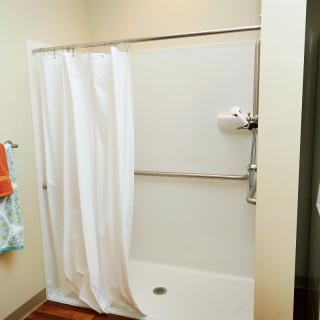
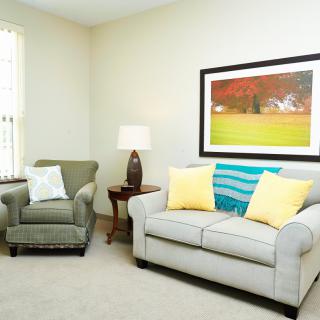
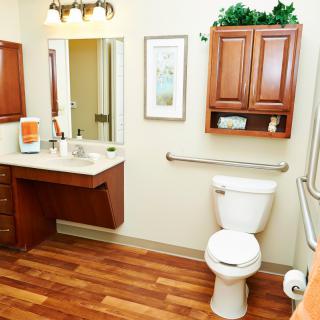
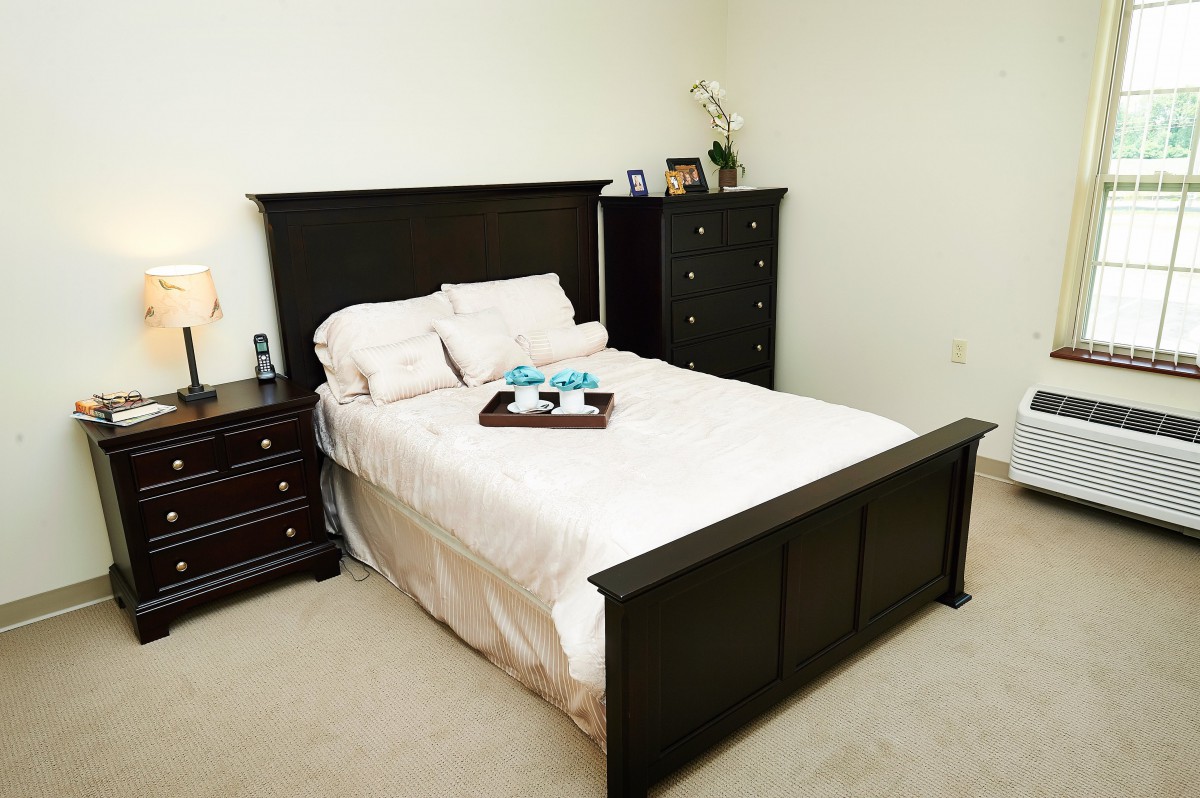
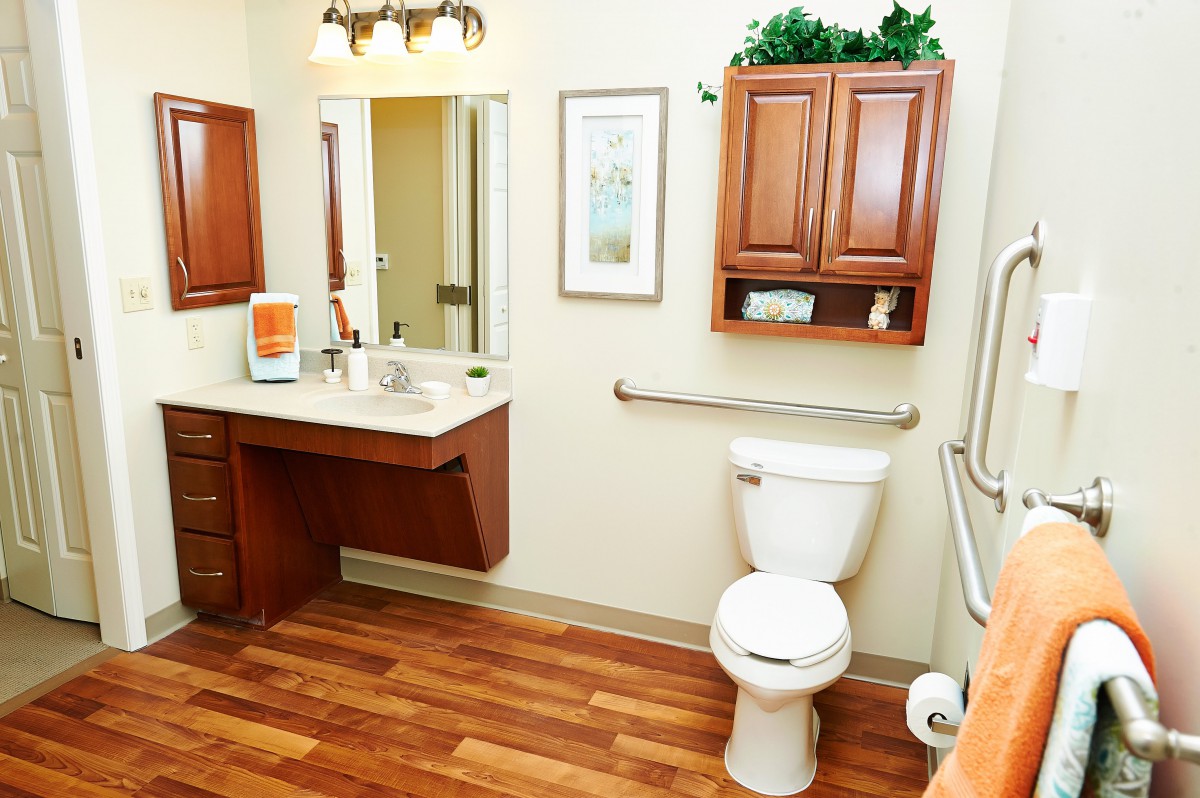
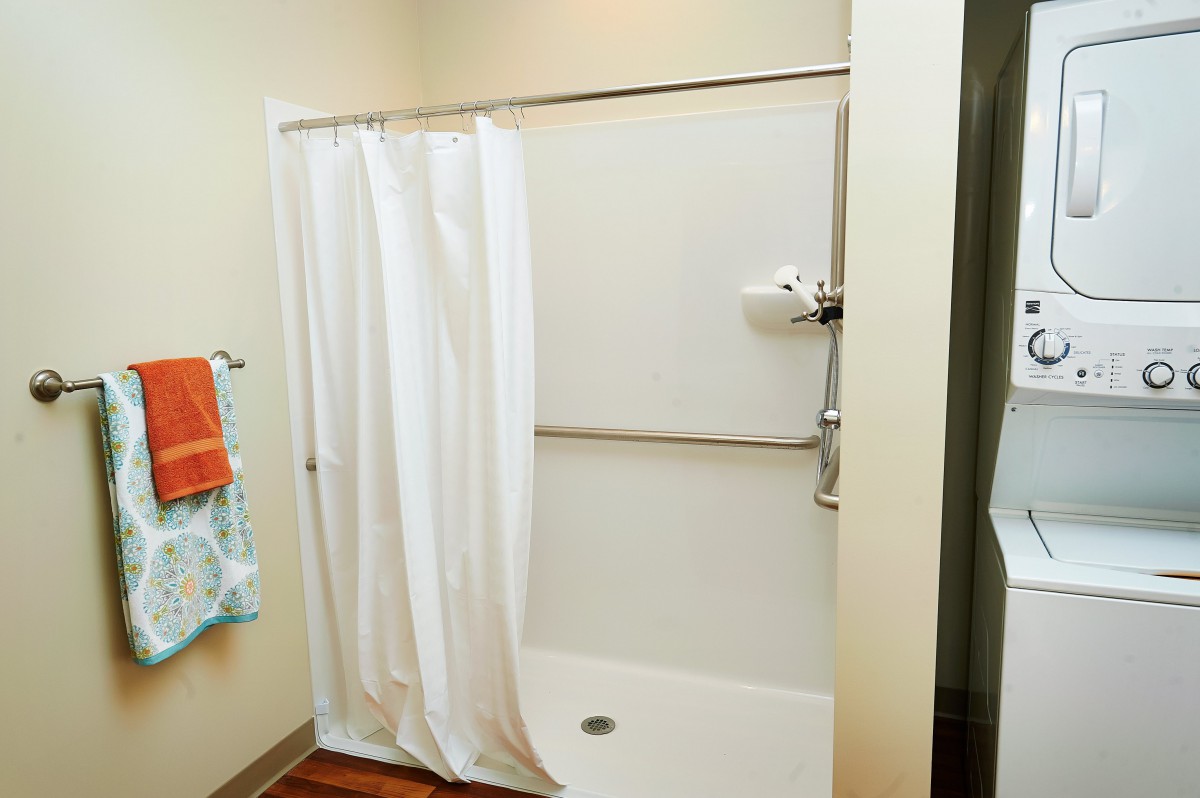
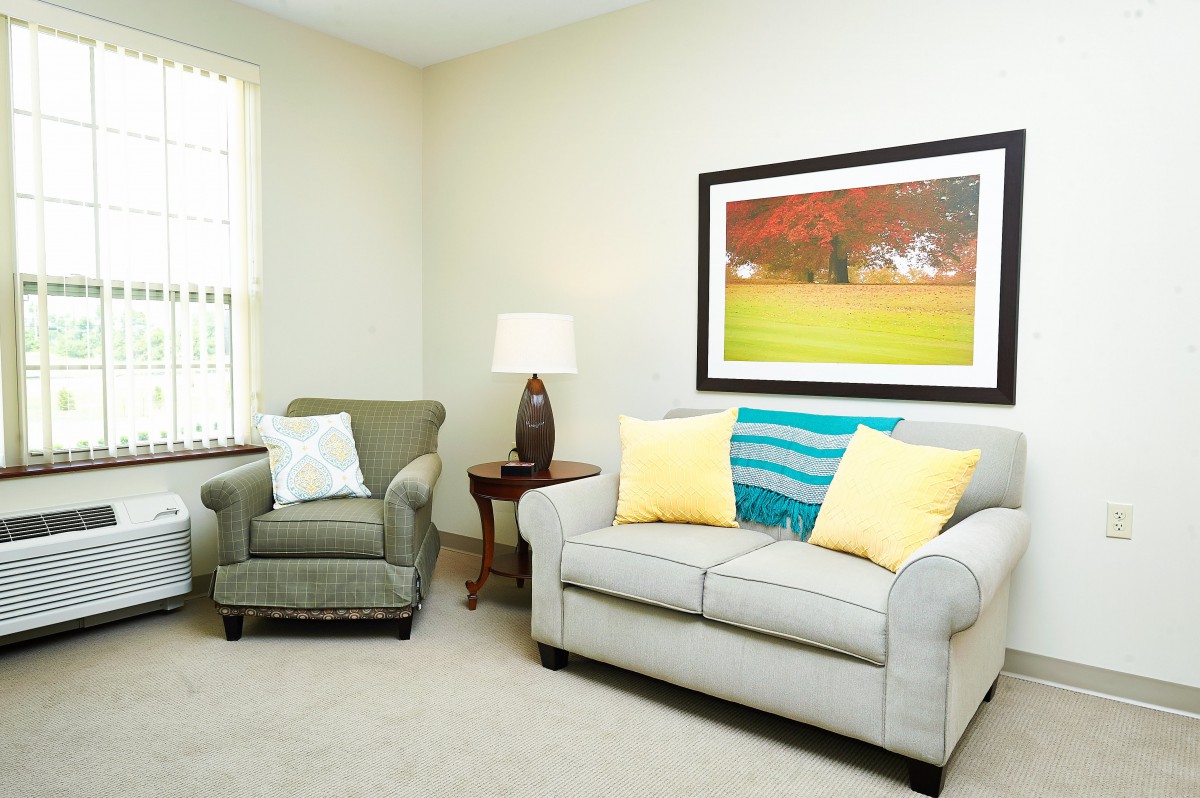
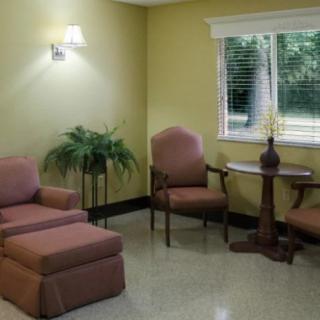
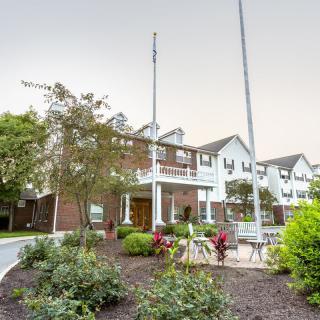
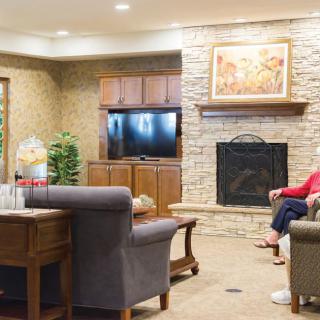
Cumberland Trace on seniors.fyi includes 5 photos including images showing bathroom, bedroom, decor, interior, painting, handrails, wall art, shower, and more.
Nearby Communities
Cumberland Trace Health & Living Community
Plainfield, IN
4.1 from 86 reviews
Clean, well-maintained community with attentive staff and engaging dining/activities.
The Oaks at Plainfield
Plainfield, IN
4.5 from 59 reviews
$1,300 to $1,700 / month
Friendly, caring staff in a welcoming, activity-rich environment with spacious apartments.
Plainfield Health Care Center
Plainfield, IN
4.4 from 93 reviews
Extensive amenities and comprehensive care options.
Friends Apartment Home
Plainfield, IN
4 from 3 reviews
Excellent access to nearby amenities and healthcare.
Wellington at Saratoga
Plainfield, IN
Comprehensive care (meals, medication management) with connectivity and nearby amenities.
Encore Perry Crossing
Plainfield, IN
4.8 from 40 reviews
$1,595 to $1,695 / month
Vibrant 55+ community with friendly staff and extensive amenities.
Meadow Lakes
Mooresville, IN
4.2 from 177 reviews
$1,570 to $2,877 / month
Caring staff with good communication, a clean environment, and varied activities.
Independence Village of Avon
Avon, IN
4.3 from 105 reviews
$3,840 to $4,595 / month
Strong sense of community with caring staff, recently renovated facilities, and engaging activities.
Traditions at Reagan Park
Avon, IN
4.4 from 92 reviews
$2,650 to $3,600 / month
Clean, inviting community with spacious housing options and caring staff.
Assisted living provides moderate support for seniors seeking independence, while memory care offers specialized support for individuals with dementia or cognitive impairments through structured routines and trained staff. Key differences include care approaches, environment security measures, staff training levels, activity types, and cost considerations.
Assisted living communities offer diverse activities beyond traditional games to enhance seniors' physical health, cognitive well-being, emotional enrichment, and social connections, including fitness classes, creative expression, and intergenerational interactions. These enriching programs foster community bonds and support residents' independence and happiness.
The article differentiates between assisted living and memory care, explaining that assisted living supports seniors with daily activities while promoting independence, whereas memory care provides specialized services for individuals with dementia, focusing on secure environments and cognitive support. It also addresses staff training, safety considerations, costs, family involvement, and transition strategies for families navigating these care options.
Get PricingAsk A QuestionSchedule A TourContact Senior Advisor
By clicking submit, you agree to our Partner's Terms of Use. You
also consent to receive calls and texts, which may be autodialed, from our Partner. Your consent is not a condition to
using our Partner's service. Please visit our Partner's Privacy Policy for information about their privacy practices.



 1-bedroom apartments
 Assisted Living
 Skilled Nursing Facility
 Cats allowed
 Dogs allowed
 Beautician on-site
 Dining room
 Full kitchen
 Garden
 Housekeeping services
 Laundry
 Party space
 Resident parking
 VA Benefits Consultation
 Indianapolis International (5 miles away)
 Transportation & parking
 High acuity care
 Medication management
 Physical therapy
 Activities off-site
 Fitness programs
 Religious services
 English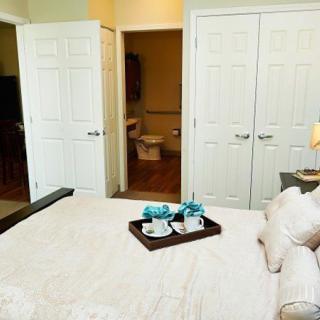
 Clean, well-maintained community with attentive staff and engaging dining/activities.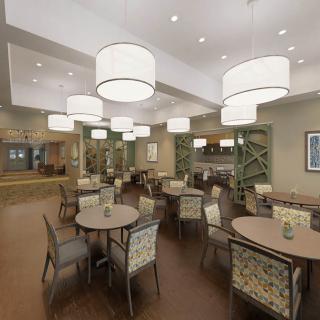



 Assisted Living and Memory Care: Understanding Their Core Differences
 Beyond the Bingo Hall: 50+ Enriching Activities for Seniors in Assisted Living
 Understanding the Distinctions: Assisted Living and Memory Care Explained