
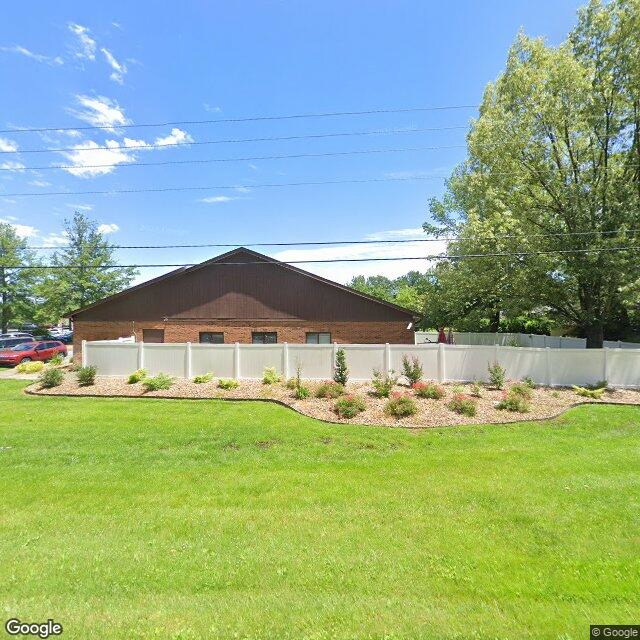
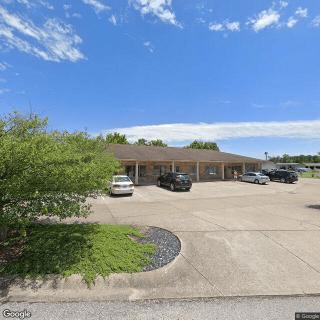
4088 Frame Road, Newburgh, IN 47630
For more information about senior living options: (866) 208-4318
Golden Living Center - Woodlands Costs & Pricing
Golden Living Center - Woodlands offers a private room at a monthly cost of $5,018, which positions it above both the county and state averages. In Warrick County, the typical cost for comparable private accommodations is approximately $4,774, while Indiana's statewide average stands at $4,418. This suggests that while Golden Living Center - Woodlands provides quality care and amenities that may justify its higher price point, potential residents and their families should carefully consider budget implications in comparison to local and state alternatives.
| Floor plans | Golden Living Center - Woodlands | Warrick County | Indiana |
|---|---|---|---|
| Private | $5,018 | $4,774 | $4,418 |
Skilled Nursing Facilities with a similar price nearby
-
from -$488 / mo

Signature Healthcare Of Newburgh
$4,530 / month2.3 miles away
Overall Review of Golden Living Center - Woodlands
Pros
 The facility is amazing.
- The staff is very caring.
- The therapists are wonderful.
- The experience is great.
- The staff is welcoming and accommodating.
- The facility is very clean.
- The dad is comfortable and happy with his nurses.
- They treat patients like their own family.
Cons
 They doubt it deserves five stars.
- They warn others not to go to this facility, citing understaffing, dirtiness, unhappy overworked employees, and loud 24/7 call button noise.
- They state there is nothing golden about this living center and that nurses can take up to 30 minutes to respond due to understaffing.
- They describe the place as pathetic and advise paying heed to the negative reviews.
- They claim the facility is for-profit, corporate-owned, ridiculously understaffed, with patients left in filth and little time to care because staff are spread thin, calling it prison-like.
- They report items going missing from a relative’s belongings (cash, clothes, personal items, etc.).
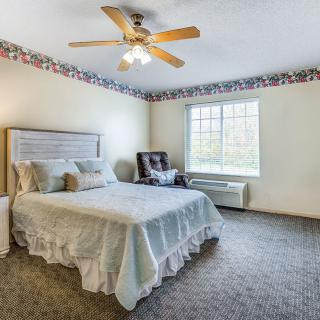
- They say rooms need updating, especially the bathrooms.
Review
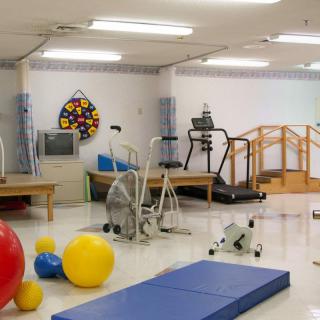
Golden Living Center – Woodlands in Newburgh, IN is best suited for seniors who need post-acute rehab or short-term transition care and who prize a visibly caring, personable staff and active, therapy-focused programming. The strongest signals in the feedback point to therapists who deliver solid practice and to nurses and aides who genuinely put residents at ease. For families seeking a facility where staff greet residents warmly, create a family-like atmosphere, and keep rehabilitation momentum front and center, Woodlands can be a good match. The environment often reads as clean and organized, and when recovery wins occur, they are attributed to attentive therapists and a team that treats residents like individuals with real dignity.
Those who should consider alternatives are families that require consistently reliable staffing and a pristine, low-disruption environment at all hours. Several reviews raise red flags about understaffing, slow nurse responses, and interruptions caused by persistent call-bell activity. The perception that some shifts are overtaxed translates into longer waits for basic needs and care, which is a critical concern for anyone with significant assistance requirements or memory care needs. Similarly, reports of outdated bathrooms and rooms, combined with instances of items going missing, suggest a level of maintenance and security that may not meet everyone's standards. For residents who value constant vigilance, predictability, and modernized spaces, exploring other options is prudent.
The key positives, caring staff, strong therapy teams, and a generally clean facility, often offset most concerns when rehab success and daily personal attention are the primary goals. Families frequently highlight "amazing" caregivers and top-notch therapists who make a meaningful difference in recovery, mobility, and comfort. The anecdotal evidence of staff treating patients like family reinforces the sense that residents can feel seen and supported during their stay. However, these strengths do not completely neutralize the nagging reality described in other reviews: when staffing is stretched thin, the resulting delays and gaps in basic care can erode the quality expectations that motivated choosing the center in the first place. The result is a split experience, excellent rehab momentum on good days, tempered by slower responses on busier ones.
To make a well-supported decision, prospective families should prioritize a thorough, multiple-visit assessment. Verify staffing patterns by requesting to see current nurse-to-resident ratios and to observe a shift-change period. Evaluate call-light response times in real-life demonstrations or by speaking with front-line staff about typical wait times. Tour both common areas and private rooms, paying particular attention to bathroom updates and overall cleanliness, since reviews suggest these areas may lag behind the care side of the operation. Inquire about how personal items are safeguarded and tracked, and ask about any recent renovations or plans to update facilities. Clarify governance and ownership structures to gauge how corporate policies translate into day-to-day care on the floor.
Ultimately, the community presents a nuanced picture. It delivers highly valued rehab strengths and a compassionate, family-like climate that can propel recovery and daily well-being. It also carries a credible if conflicting, caution about staffing stability, maintenance, and environmental updates. Families with a clear priority on robust rehabilitation and personal connection will find Woodlands compelling, provided they are comfortable with the possibility of variability in service levels. For long-term residency or for those whose quality of life hinges on consistently prompt assistance and consistently modern surroundings, it is essential to compare with other nearby options and to push for concrete assurances before committing.
 120 resident community capacity
 Assisted Living
 Memory Care
 Skilled Nursing Facility
 Activities off-site
 Air-conditioning
 Beautician on-site
 Cable or satellite TV
 Computer center
 Devotional services on-site
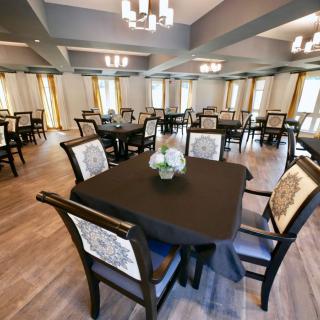
 Dining room
 Fitness room
 Fully furnished
 Gaming room
 Garden
 Housekeeping services
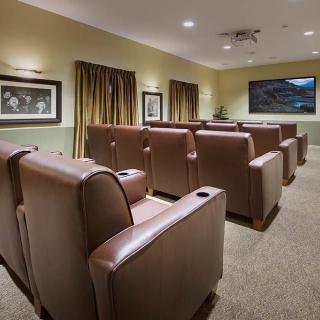
 Indoor common areas
 Kitchenette
 Move-in coordination
 Outdoor common areas
 Private
 Private bathrooms
 Restaurant-style dining
 Small library
 Telephone
 Wellness center
 Wheelchair accessible showers
 Wi-Fi/high-speed internet available
 Evansville Regional (8 miles away)
 Community operated transportation
 24-hour call system
 Assistance with bathing
 Assistance with dressing
 Assistance with transfers
 Diabetes diet
 High acuity care
 Incontinence care
 Medication management
 Special dietary restrictions
 Concierge services
 Planned day trips


 Delving into the Inner World of Dementia: Insights into Thoughts and Awareness
 Five Subtle Dementia Indicators to Observe: An In-Depth Guide to Understanding “Does My Mom Have Dementia?”
 Dementia, Paranoia, and Caregiver Guidance: Understanding the Connection