

1802 East Dowling Street, Kendallville, IN 46755
For more information about senior living options: (866) 208-4318
Overall Review of Kendallville Manor
Pros
 Kendallville Manor was good.
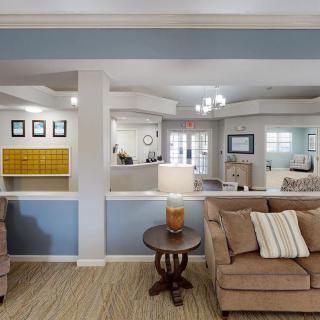
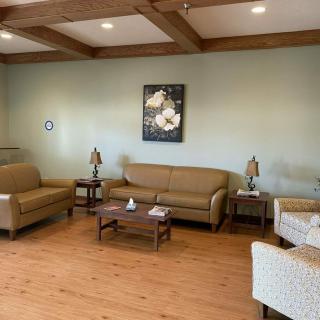
- It had a nice lounge and a small cafeteria area.
- The staff were really nice.
- The nurses helped bring her out and assisted with getting her ready.
- They were very helpful when she was leaving.
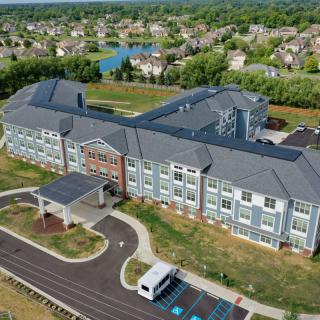
- The facility was laid out on one level and easily accessible.
- Kendallville Manor looked pretty nice.
Cons
 They couldn't be with her because of the virus.
- The only visitation they had was through the window.
- That was the only access they had to her.
Review
Kendallville Manor in Kendallville, IN is best suited for seniors who need short- to mid-term rehabilitation in a straightforward, single-level setting. The layout is clearly designed for easy navigation, with all services concentrated on one floor that reduces mobility friction and safety concerns. A quiet lounge and a small cafeteria signal a calm, uncomplicated environment where daily routines can stay predictable during recovery. The care feel is practical and hands-on; in the discharge moment, the team organized help from multiple nurses, underscoring a collaborative approach to transitions. For families prioritizing an uncomplicated post-acute experience, with clear spaces, easy supervision, and direct access to rehabilitation exercises, Kendallville Manor delivers without excess frills.
That said, alternatives should be on the table for anyone planning longer-term living arrangements. The facility is described primarily as a rehab place, and there is little detail about ongoing daily living supports beyond the rehabilitation framework. Prospective residents and their families should seek clarity on long-term services such as 24/7 nursing coverage, medication management, and a bona fide assisted-living program if the intention is to stay beyond recovery. Dining quality and meal flexibility are not clearly documented, nor is there a robust picture of social programming or memory-care options. In short, for those needing sustained daily support, Kendallville Manor may not provide all the essentials in one place, and alternatives offering comprehensive long-term care merits serious comparison.
The strongest positives, the accessible, one-level design; the understated, welcoming common spaces; and the impression of a capable, team-oriented staff, tend to offset the uncertainties around long-term care and dining. An easy-to-navigate layout reduces fall risk and simplifies care coordination, particularly for residents who are regaining strength and need steady assistance with transfers and daily routines. A pleasant lounge and compact cafeteria contribute to a humane, non-institutional atmosphere that supports comfort during a short stay. Moreover, the evident emphasis on careful transition planning, as demonstrated by multiple nurses assisting with discharge, signals that a family can count on clear communication and coordinated handoffs when it is time to move a loved one home or to another level of care.
Nevertheless, the limited information around meals and extended-care offerings remains a meaningful gap. Without reliable insight into menu options, portion control, flexibility for dietary needs, and the cadence of activities beyond rehab sessions, families must temper expectations about daily life if the stay extends beyond therapy. The absence of published details on memory-care capabilities, social programming, and around-the-clock nursing means that Kendallville Manor is probably best viewed as a post-acute pathway rather than a full, ongoing home. In practice, this translates into a decision that favors short-term recovery goals over long-term lifestyle planning, unless supplementary arrangements are readily available nearby.
Staffing dynamics emerge as a practical strength in real-world decision-making. The observed kindness of at least one staff member and the reported discharge support from a team of nurses provide visible reassurance about day-to-day attentiveness and careful transitions. For families anxious about the quality of hands-on care during a vulnerable recovery window, these indicators matter: they suggest a culture of responsiveness and coordinated effort when coordinating with family members, therapists, and physicians. That kind of team cohesion matters more in a rehab context than in a long-term care hallmarks, making Kendallville Manor a sensible choice when recovery trajectory is the primary objective.
For families evaluating Kendallville Manor, concrete next steps should be straightforward. Schedule a focused tour to assess cleanliness, room options, and safety features that matter for fall prevention and independent mobility. Ask for a detailed description of the rehab services, including therapy frequency, equipment availability, and discharge planning resources. Request a complete overview of the dining program, menus, customization for dietary restrictions, and dining hours, and verify what is included in the daily rate versus add-on charges. Finally, probe long-term options: what levels of care are truly available on-site, what the cost structure looks like for extended stays, and how transitions to memory care or full-time assisted living would be managed. A candid discussion with administrators and, if possible, current residents or families will illuminate whether Kendallville Manor aligns with the ongoing needs and expectations.
Bottom line: Kendallville Manor offers a solid, practical choice for seniors focused on recovery in an accessible, low-friction environment with attentive, transition-minded care. It excels for post-acute needs where a straightforward, single-story setting supports rehabilitation and steady discharge planning. However, for those whose priorities include long-term, full-time assisted living with a robust dining program, extensive social scheduling, and comprehensive 24/7 medical oversight, alternatives deserve careful consideration. A targeted tour and frank conversations about meals, care levels, and long-term options will determine whether this community is the right fit or if another local option better matches the expected trajectory of care.
 60 resident community capacity
 Assisted Living
 Skilled Nursing Facility
 Air-conditioning
 Beauty salon
 Cable or satellite TV
 Computer center
 Dining room
 Fitness room
 Fully furnished
 Gaming room
 Garden
 Housekeeping services
 Kitchenette
 Move-in coordination
 Outdoor space
 Private bathrooms
 Restaurant-style dining
 Small library
 Telephone
 Wellness center
 Wi-Fi/high-speed internet available
 Community operated transportation
 24-hour call system
 Activities of daily living assistance
 Assistance with bathing
 Assistance with dressing
 Assistance with transfers
 Diabetes diet
 Medication management
 Special dietary restrictions
 Concierge services
 Planned day trips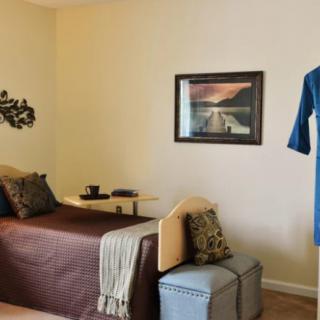





 How and When Medicaid May Cover Assisted Living Costs
 A Detailed Exploration of Assisted Living Medicaid Waivers Across the United States
 Comprehensive Residential Support and Assisted Living Solutions for Individuals with Disabilities