
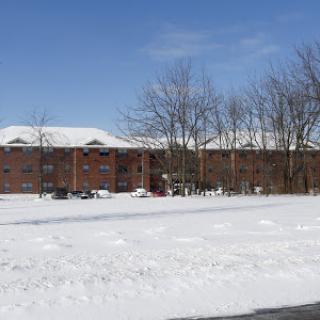
100 Independence Parkway, Hartford City, IN 47348
For more information about senior living options: (866) 208-4318
Overall Review of Crownpointe Of Hartford City
Pros
 Crown Pointe is caring about its residents.
- The staff are friendly and introduce themselves to visitors.
- The staff regularly check in with residents and chat with them.
- The patient rooms are bright and airy.
- There is plenty of storage space in the rooms for belongings.
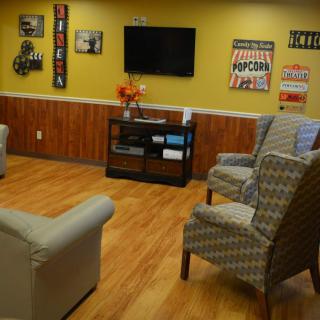
- The main dining area is pleasant and well-appointed.
- The facility is conveniently located near the local hospital, just across the street.
Cons
 There is very little insulation in the walls.
- The thermostat was kept at 67 all month, leaving the resident nearly frozen.
- Maintenance claimed that additional insulation could not be installed.
- The facility does not inform residents about hearing neighbors.
- The manager claimed that no one else had mentioned the issue, except the reviewer.
- The reviewer asserts that anyone who believes that claim is foolish.
- Strong winds make it feel colder back there, with cold air blowing across the bed.
- Many residents do not speak up for fear of not being able to find another place.
- Crown Pointe is criticized as not caring about its residents.
- The grandmother was not overly happy about being in assisted living.
Review
Crownpointe Of Hartford City is best suited for seniors who want a hands-on, resident-centered assisted-living experience with strong staff engagement and practical access to medical care. The facility shines for families who prioritize proximity to a hospital, a bright, homey atmosphere, and a social dining environment that supports an active daily rhythm. This community is not the right fit for those who demand near-ideal energy efficiency or absolute quiet and privacy in their living space. For households with a tight energy budget, or residents who are highly sensitive to drafts and noise, alternatives that emphasize insulation, soundproofing, and modern climate control should be considered.
From the positive side, Crownpointe's strongest draw is the living ecosystem around care and connection. One resident’s experience highlighted how the rooms could feel bright and airy, with large sliding glass doors opening to small patios that reinforce a sense of home. Storage space is ample, and the dining area, high ceilings, comfortable seating, a welcoming atmosphere, supports regular, social meals rather than clinical monotony. Staff frequently check in, and the team makes a point to greet visitors, which helps families feel confident in daily supervision. The fact that the local hospital sits just across the street is more than convenience; it’s a meaningful reassurance during medical needs or urgent concerns.
On the other hand, the drawbacks are real and nontrivial. A key issue is insulation: one account describes minimal options to retrofit heat retention, leading to cold rooms and very noticeable drafts even when thermostats are kept low. The heating burden translates into higher energy costs that can undo the comfort such settings claim to deliver. Sound privacy is another concern, as neighbors’ conversations and activity can permeate thin walls, diminishing personal quiet and a sense of sanctuary. There is also a sense, in at least one account, that management does not consistently acknowledge or address these comfort gaps, which frustrates residents and families seeking reliable solutions.
Yet the positives can substantially offset these negatives for the right resident, especially when care needs and social engagement are primary. The proximity to a hospital and the approachable, personable staff create a safety net that lowers unseen stress during medical events or routine visits. A bright, comfortable interior and accessible outdoor spaces promote dignity and ongoing participation in meals and activities, which can preserve independence longer. In practical terms, the combination of visible, courteous care and a home-like atmosphere means residents may feel valued and secure, even if some rooms run a bit drafty or chilly at times.
If energy efficiency and private space are non-negotiables, this community may point families toward alternatives with stronger insulation, superior soundproofing, and more predictable climate control. Those requiring deeper privacy, quieter rooms, or more robust noise buffering should compare layouts and room locations carefully. For residents with sensitivity to drafts, humidity, or temperature swings, touring multiple options will reveal which buildings deliver consistent comfort. In short, Crownpointe is a strong pick for care quality and hospital access, but not a universal best choice for every energy-conscious, privacy-minded potential resident.
Decision-makers should treat Crownpointe as a pragmatic balance between nursing attention and living comfort. Ask pointed questions about insulation upgrades, available room types, and how heat and electricity costs are allocated to tenants. Probe staff-to-resident ratios during peak hours and request opportunities to observe quiet times to gauge sound privacy. If hospital proximity, a welcoming dining culture, and consistent staff presence align with the resident’s priorities, Crownpointe deserves serious consideration; if not, schedule comparisons with higher-insulation communities to avoid compromising sleep, comfort, or energy bills.
 16 resident community capacity
 1-bedroom apartments
 Condos / townhomes
 Detached homes
 Assisted Living
 Beautician on-site
 Cable or satellite TV
 Dining room
 Financial aid
 Full kitchen
 Fully furnished
 Garden
 Housekeeping services
 Laundry
 Move-in coordination
 Outdoor space
 Resident parking
 Respite or short term stays offered
 Telephone
 Wi-Fi/high-speed internet available
 Transportation & parking
 24-hour supervision
 Activities of daily living assistance
 Assistance with bathing
 Assistance with dressing
 Assistance with transfers
 Diabetes diet
 Hospice care
 Meal preparation and service
 Medication management
 Special dietary restrictions
 Transportation arrangement (medical)
 English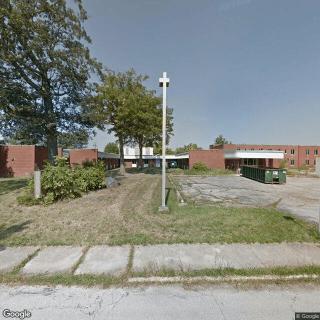



 Comprehensive Insights into Activities of Daily Living (ADLs) and Their Assessment
 Medicare Coverage for Assisted Living: An In-Depth Exploration
 Choosing the Right Senior Care: A Detailed Exploration of Assisted Living and Nursing Homes