Waterford Crossing offers competitive monthly rental rates that are notably lower than both Elkhart County and the state of Indiana. For instance, a studio apartment at Waterford Crossing is priced at $2,300, significantly under the county's average of $3,039 and even below the state average of $3,258. Similarly, one-bedroom units are available for $2,700 - well below the county's rate of $3,660 and in contrast to Indiana's average of $3,300. Even two-bedroom apartments at Waterford Crossing reflect this trend with a monthly cost of $3,200 compared to Elkhart County's higher average of $3,785 and aligning closely with Indiana's statewide rate of $3,208. These figures highlight Waterford Crossing as an attractive option for those seeking quality living arrangements while being mindful of their budget.
Floor plans
Waterford Crossing
Elkhart County
Indiana
Studio
$2,300
$3,039
$3,258
1 Bedroom
$2,700
$3,660
$3,300
2 Bedrooms
$3,200
$3,785
$3,208
Assisted Living communities with a similar price nearby
Residents and families consistently describe staff as caring, attentive, and responsive to questions.
A recurring theme is how consistently families feel supported by the staff, including administrators and direct-care teams. Multiple reviews mention timely communication, staff who are available when concerns come up, and caregivers who take a personal interest in residents. Several families also highlight specific confidence around nursing and therapy support during rehab or when care needs increased.
common8 reviews mention this
Daily activities keep residents engaged
Residents describe frequent activities that give people something to choose from each day.
Reviews repeatedly mention activities being scheduled daily, with residents having options to participate. Families describe seeing the planned events and decorations that reflect what’s happening on-site. In memory care, at least one reviewer also frames engagement and interaction as a key part of the day-to-day experience.
common7 reviews mention this
Food is a frequent bright spot
Food quality stands out, with families and residents praising meals and dining experiences.
Several reviews specifically call out enjoying the food, including standout comments about taste and variety. Families also mention dining support as part of their overall experience during rehab and longer stays. One reviewer even describes ice cream availability as an example of the food experience they noticed.
caveat3 reviews mention this
Some complaints about medication
A few reviews raise concerns about medication handling and gaps in timely care.
While most reviews are positive, a small number of residents or families report problems related to medication. One review alleges concerns about where medications are sourced and describes it as expensive and “shady.” Two additional reviews describe situations where expected pain or heart medications were not being delivered as planned, along with broader frustrations about staffing and assistance.
How we summarize
Counts show how many written reviews mention each theme; a review can touch several themes, and only frequently mentioned themes are displayed.
Features
Housing
65 resident community capacity
Types of Care
Assisted Living
Day Program
Independent Living
Memory Care
Skilled Nursing Facility
Pets
Cats allowed
Dogs allowed
Amenities
Activities off-site
Activities on-site
Air-conditioning
Beautician on-site
Beauty salon
Cable or satellite TV
Computer center
Devotional services off-site
Devotional services on-site
Dining room
Fitness room
Full kitchen
Fully furnished
Gaming room
Garden
Ground floor units
Handicap accessible
Housekeeping services
Indoor common areas
Kitchenette
Move-in coordination
Outdoor common areas
Outdoor patio
Outdoor space
Private bathrooms
Respite or short term stays offered
Restaurant-style dining
Small library
Telephone
Wellness center
Wheelchair accessible showers
Wi-Fi/high-speed internet available
Transportation
Community operated transportation
Transportation arrangement
Transportation arrangement (non-medical)
Transportation to doctors appointments
Care Services
12-16 hour nursing
24-hour call system
24-hour supervision
Activities of daily living assistance
Ambulatory care
Assistance with bathing
Assistance with dressing
Assistance with transfers
Coordination with health care providers
Dementia waiver
Diabetes diet
Diabetic care
Hospice waiver
Incontinence care
Meal preparation and service
Medication management
Mental wellness program
Mild cognitive impairment
Special dietary restrictions
Specialized memory care programming
Transportation arrangement (medical)
Transportation to doctors appointments
Dining
Anytime dining
Diabetes diet
Gluten-free
Guest meals
International cuisine
Low / no sodium
Meals provided
No Sugar
Organic
Professional chef
Restaurant style dining
Room service
Special dietary restrictions
Special dining programs
Vegan
Vegetarian
Activities
Art classes
Community-sponsored activities
Concierge services
Cooking classes
Day trips and outings
Devotional activities offsite
Devotional activities on-site
Educational speakers / life long learning
Fitness programs
Happy hour
Karaoke
Live dance or theater performances
Live musical performances
Live well programs
Planned day trips
Resident-run activities
Scheduled daily activities
Wine tasting
Nearby Places of Interest
This part of Goshen, Indiana offers a variety of amenities and services that cater to seniors looking for a convenient and comfortable living environment. With multiple restaurants nearby such as Joanna's Family Restaurant, Culver's, and Lux Cafe, residents can enjoy a diverse range of dining options. In terms of healthcare, there are several physicians and hospitals in close proximity including Osmc, Goshen Medical Practice, and IU Health Goshen Hospital. Additionally, pharmacies like Walgreens and Walmart Pharmacy are easily accessible for medication needs. For leisure activities, there are cafes like Cabin Coffee, parks such as Millrace Park and Shanklin Park for outdoor recreation, places of worship like Eighth Street Mennonite Church and New Paris Church of the Brethren for spiritual support, and theaters like Linway Plaza Cinema for entertainment. Overall, this area provides a well-rounded environment for seniors seeking a vibrant community with essential services within reach.
Restaurants
Joanna's Family Restaurant (0.6 miles)
Culver's (1.6 miles)
McDonald's (1.6 miles)
Taco Bell (1.6 miles)
Arby's (1.6 miles)
Lux Cafe (1.6 miles)
Wings Etc (1.6 miles)
Physicians
Osmc (0.8 miles)
Goshen Medical Practice (1.1 miles)
Goshen Physicians | Multispecialty Clinic General Surgery (1.2 miles)
Gerig Surgical Associates PC (1.2 miles)
Christopher John Peers (1.2 miles)
Peers Cosmetic Laser Center (1.3 miles)
Gerig Surgical (1.3 miles)
Hospitals
Iu Health Goshen Hospital (1.5 miles)
Goshen General Hospital Auxiliary (1.6 miles)
Iu Health Goshen Hospital (1.6 miles)
Elkhart General Hospital (9.9 miles)
Pharmacies
Walgreens (1.7 miles)
Walmart Pharmacy (1.7 miles)
CVS Pharmacy (2.8 miles)
Walgreens (3.4 miles)
Martin's Pharmacies (8.9 miles)
CVS Pharmacy (9.3 miles)
Transportation
Bus Stop (1.7 miles)
Cafes
Cabin Coffee (2.3 miles)
Panera Bread (7.5 miles)
Parks
Millrace Park (2.3 miles)
Shanklin Park (2.5 miles)
River Preserve County Park - Benton Dam (3.8 miles)
Waterford Crossing offers competitive monthly rental rates that are notably lower than both Elkhart County and the state of Indiana. For instance, a studio apartment at Waterford Crossing is priced at $2,300, significantly under the county's average of $3,039 and even below the state average of $3,258. Similarly, one-bedroom units are available for $2,700 - well below the county's rate of $3,660 and in contrast to Indiana's average of $3,300. Even two-bedroom apartments at Waterford Crossing reflect this trend with a monthly cost of $3,200 compared to Elkhart County's higher average of $3,785 and aligning closely with Indiana's statewide rate of $3,208. These figures highlight Waterford Crossing as an attractive option for those seeking quality living arrangements while being mindful of their budget.
The comprehensive features offered at Waterford Crossing are specifically designed to enhance the quality of life for residents experiencing dementia or Alzheimer's disease. The 24-hour supervision ensures that each resident receives constant monitoring and immediate assistance when needed, fostering a sense of safety and security. Activities of daily living assistance, including help with bathing, dressing, and transfers, promote dignity and independence while addressing unique challenges associated with cognitive decline. Coordination with healthcare providers ensures that medical needs are met promptly and effectively. The dementia waiver allows for tailored care plans that accommodate individual needs, while incontinence care provides necessary support to maintain comfort and hygiene. Meal preparation and service cater to dietary requirements, ensuring proper nutrition is maintained. Medication management minimizes the risk of medication errors, which can pose significant health risks. The mental wellness program addresses the emotional aspects of memory loss by offering activities aimed at enhancing cognitive function and emotional resilience. Specialized memory care programming targets specific needs resulting from mild cognitive impairment or advanced stages of dementia, promoting engagement and retention of skills. Additionally, transportation arrangements for medical appointments alleviate stress for both residents and families by ensuring reliable access to necessary health services.
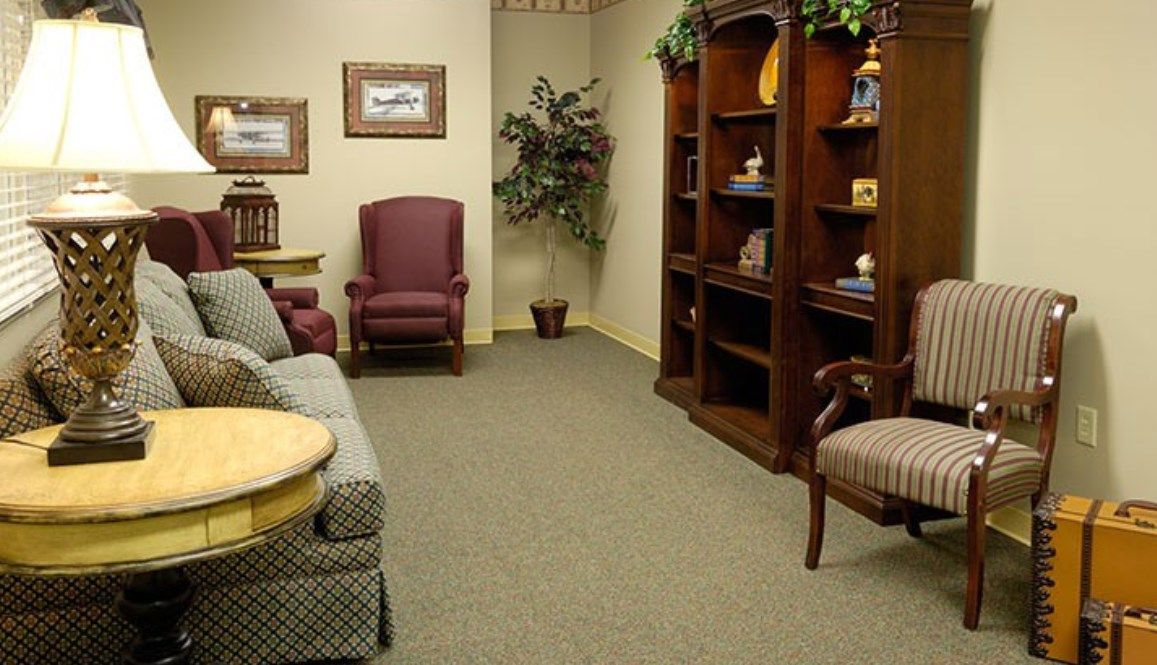
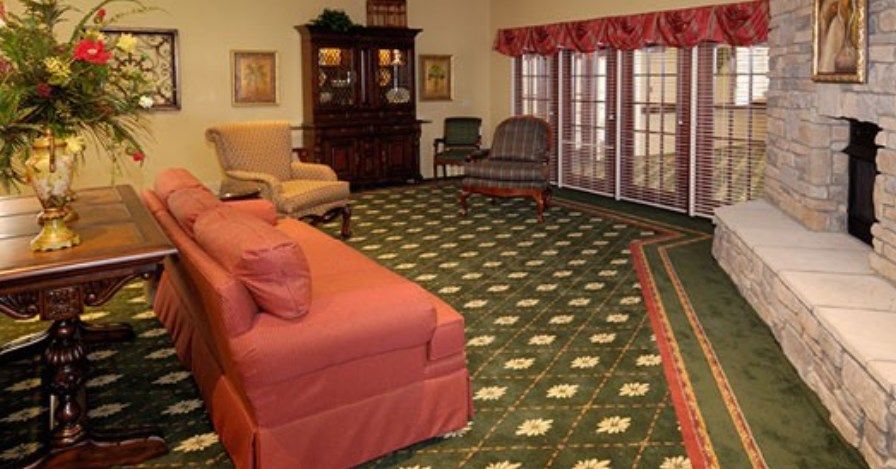
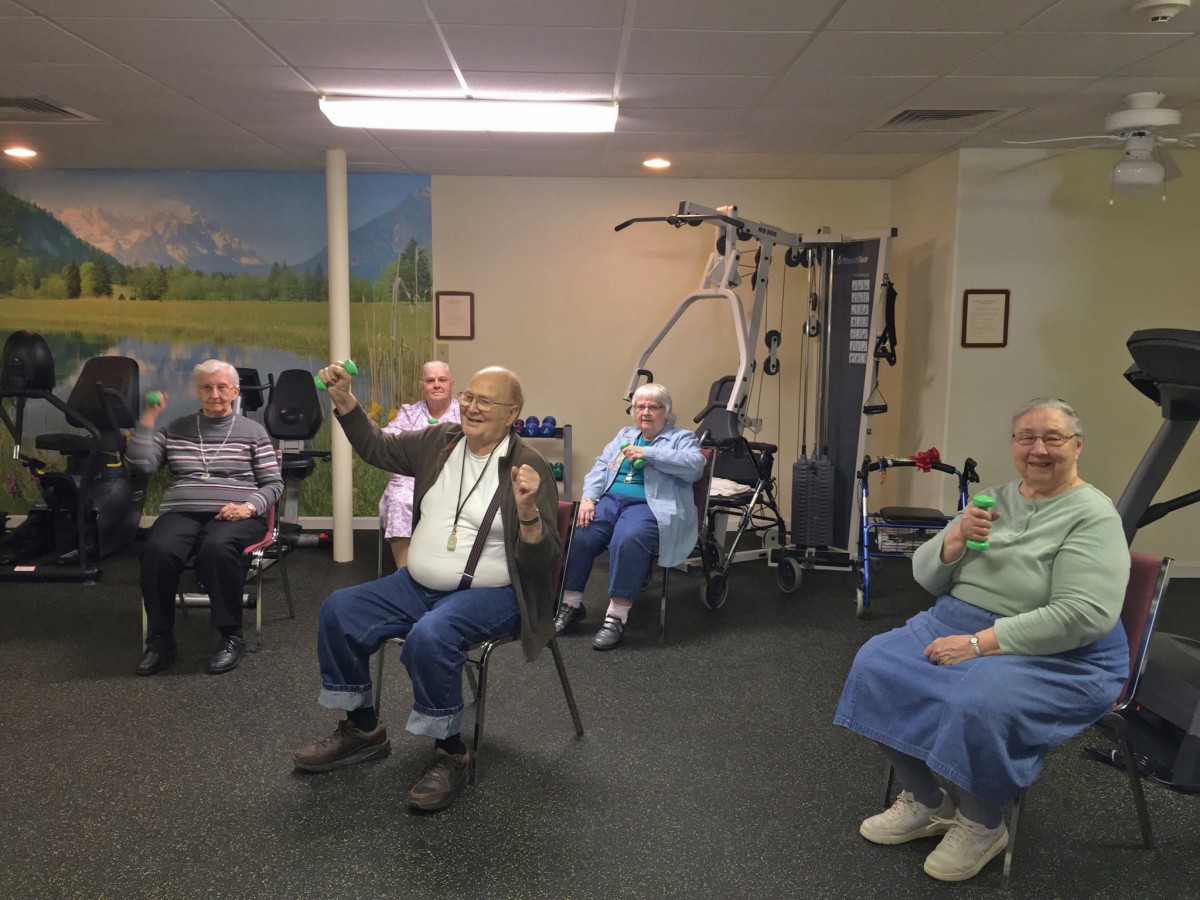
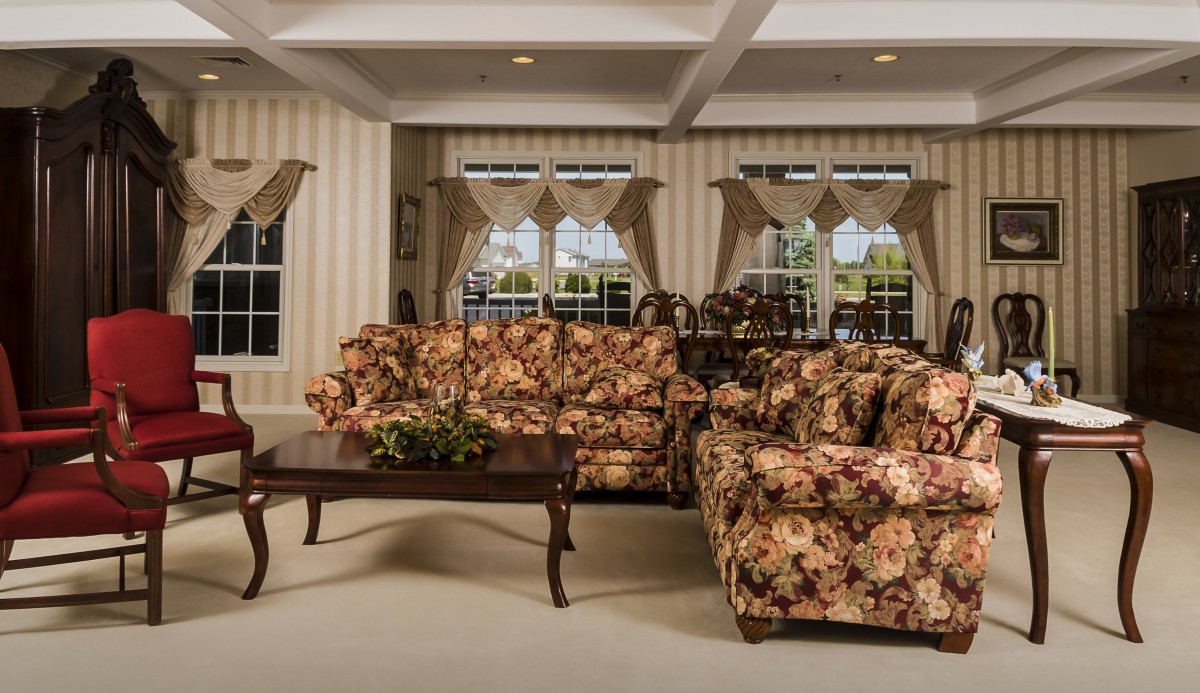
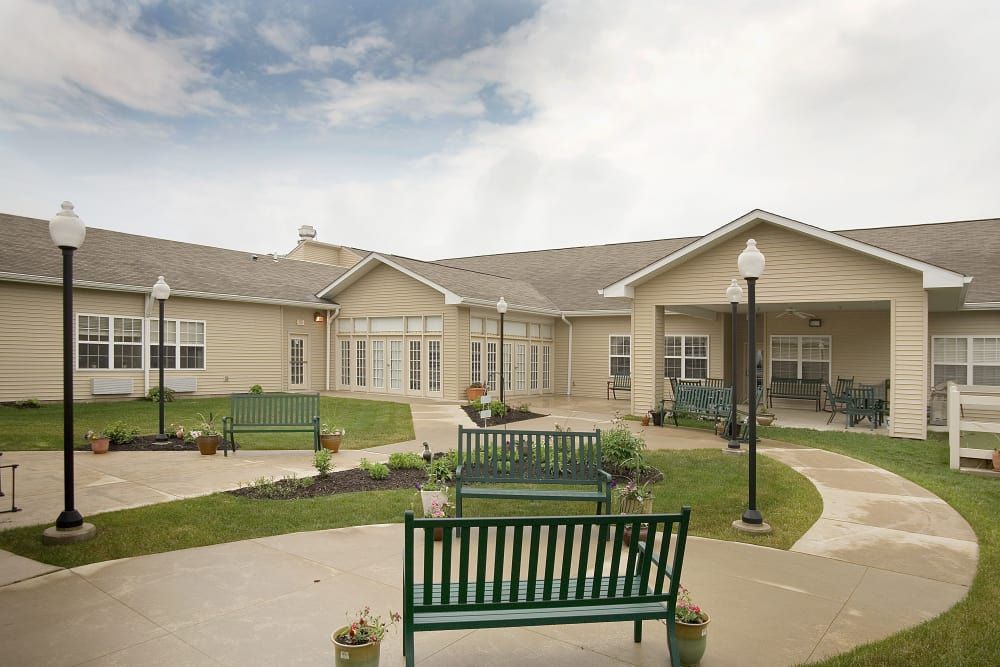
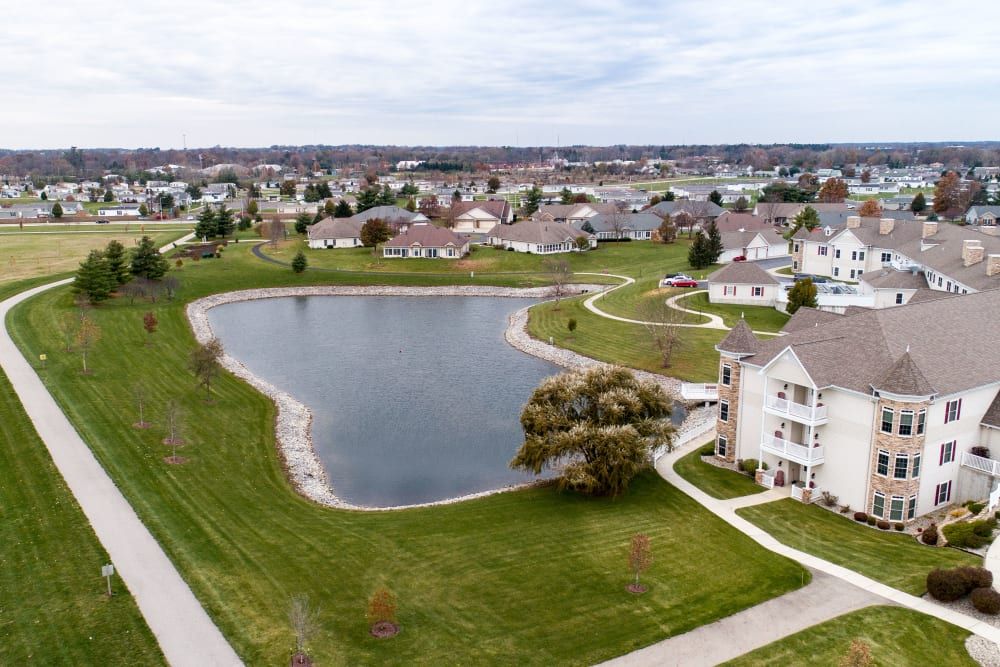
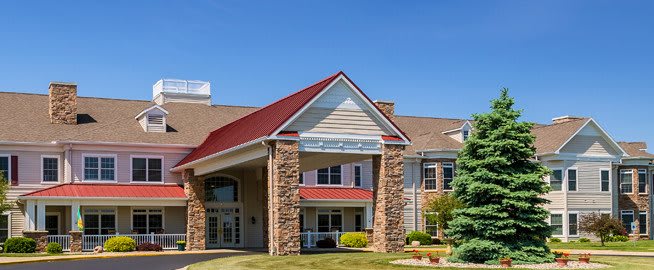
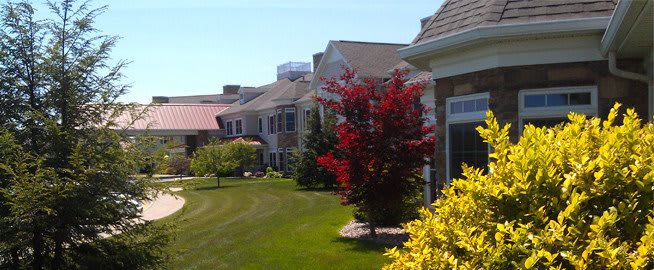
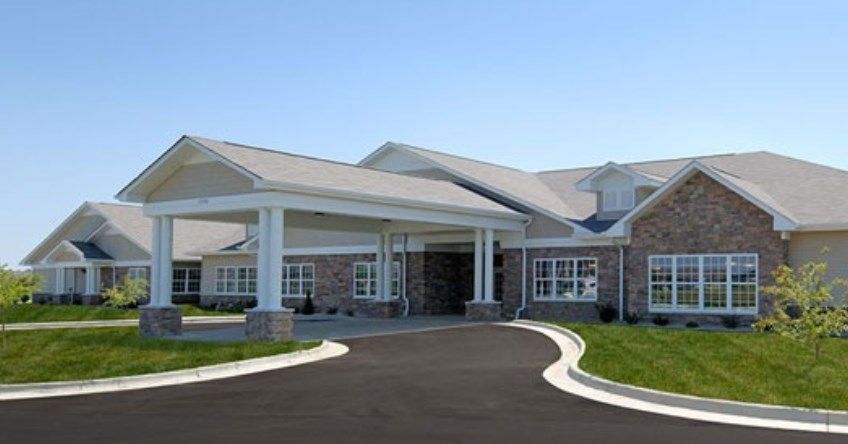
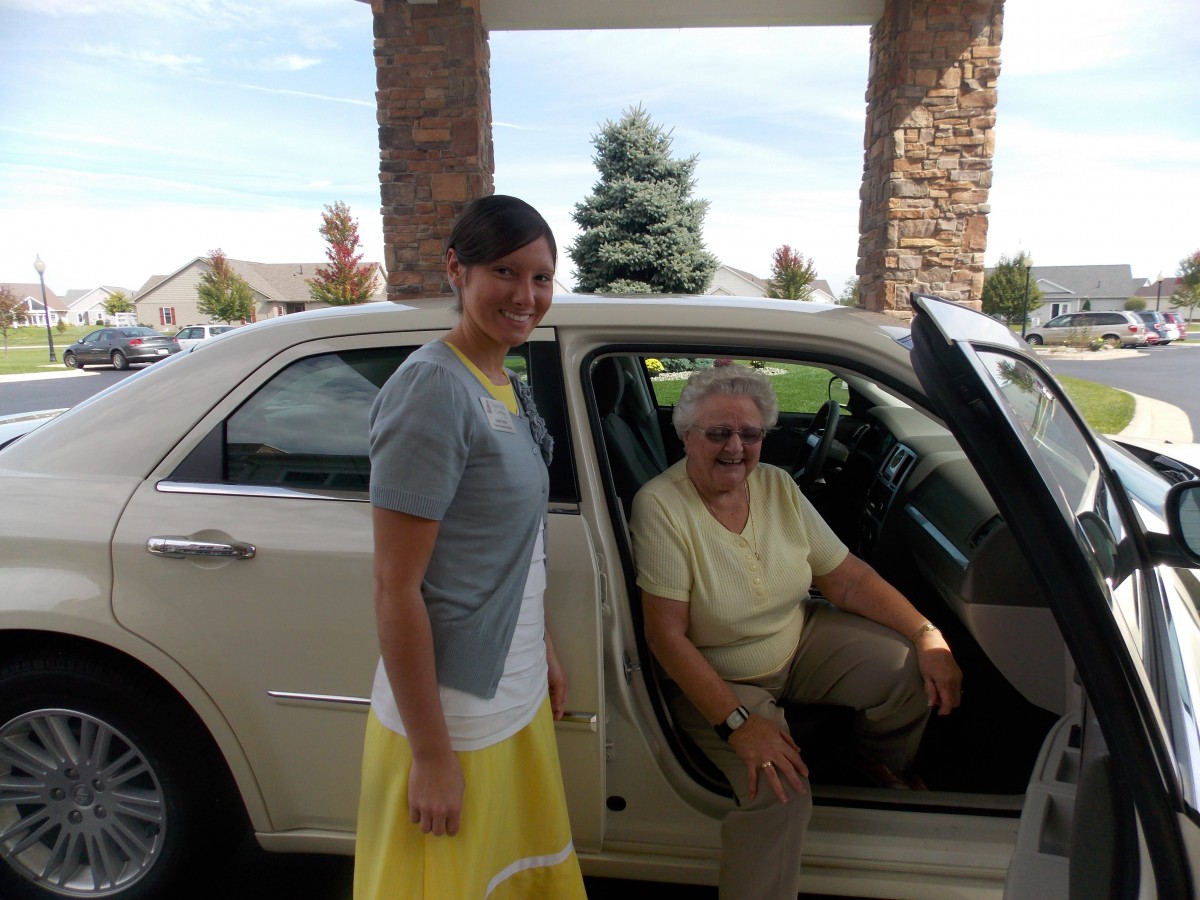
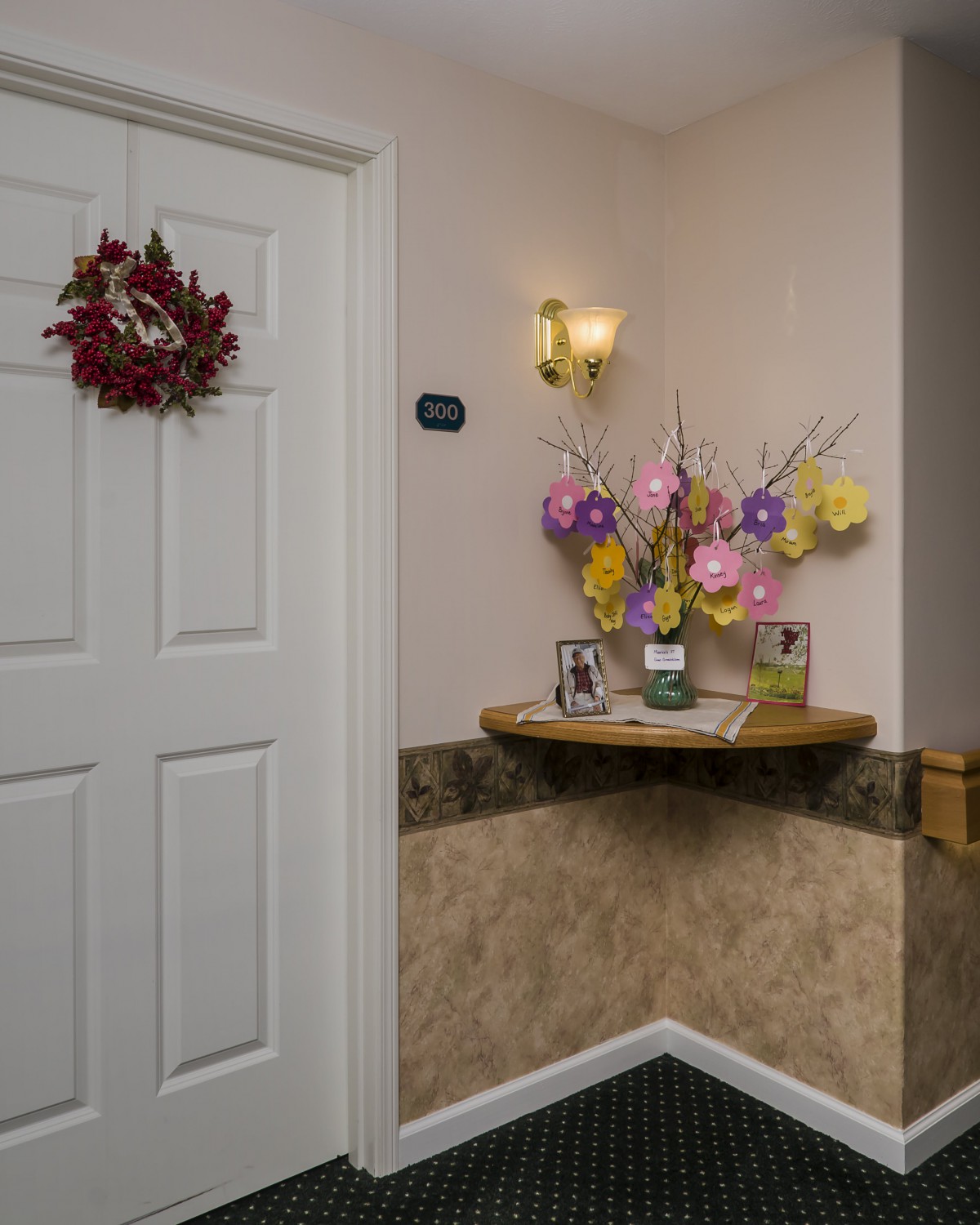
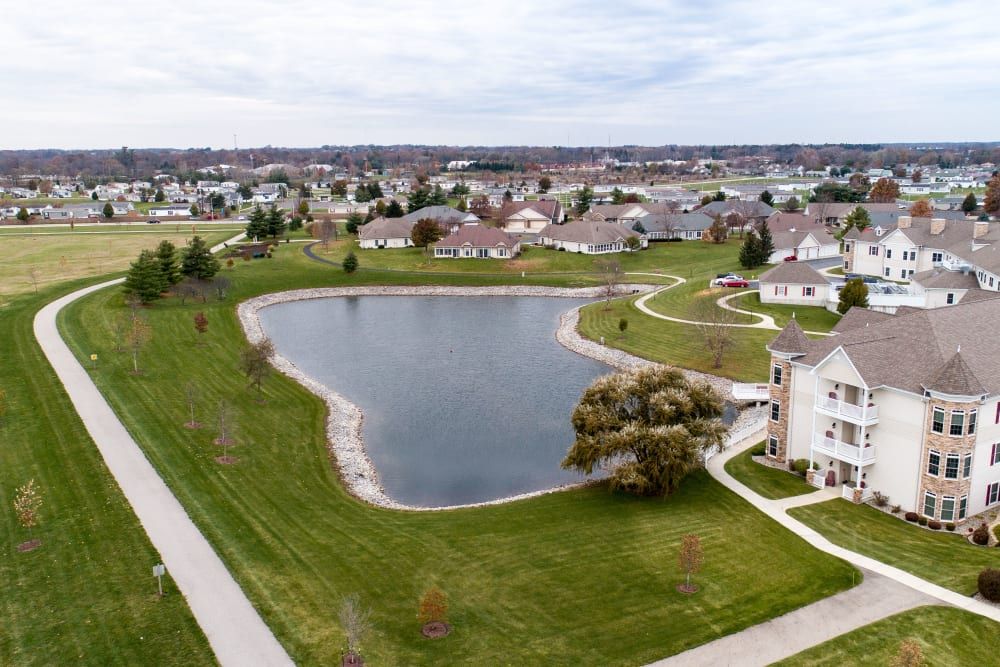
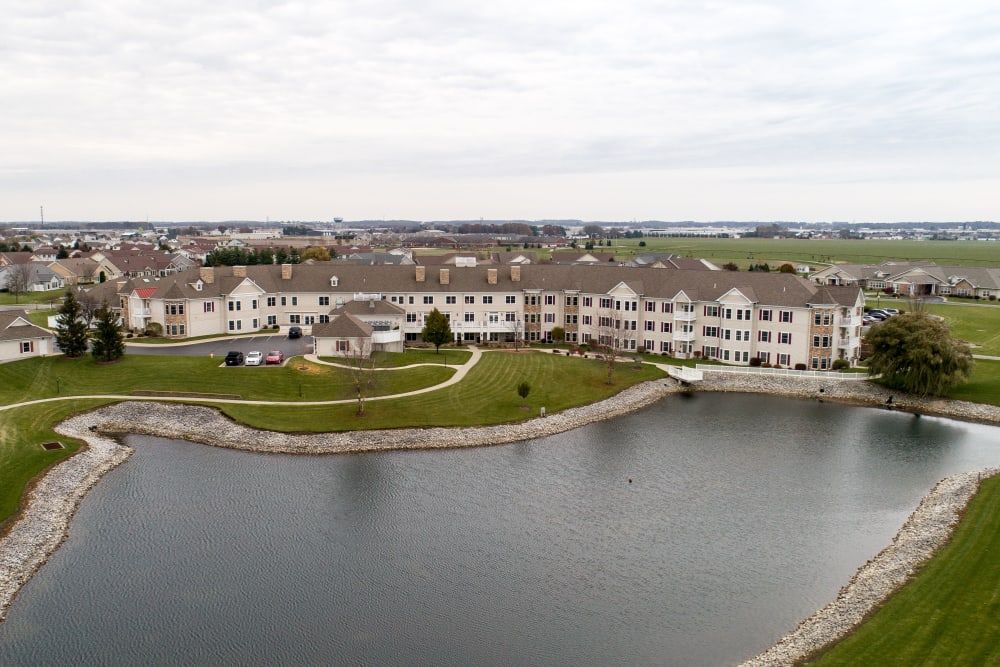
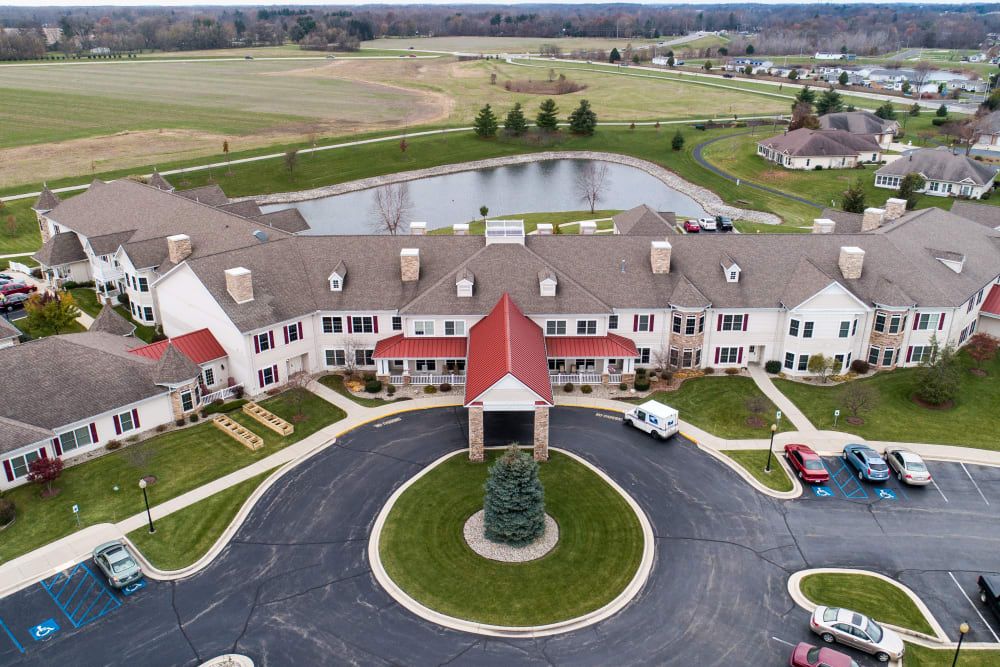
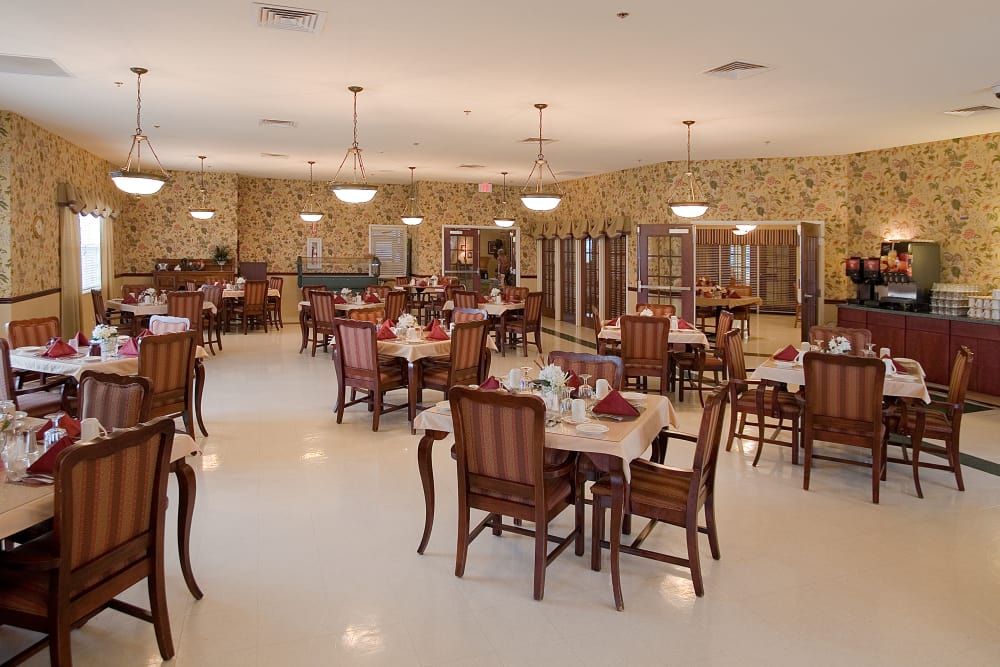
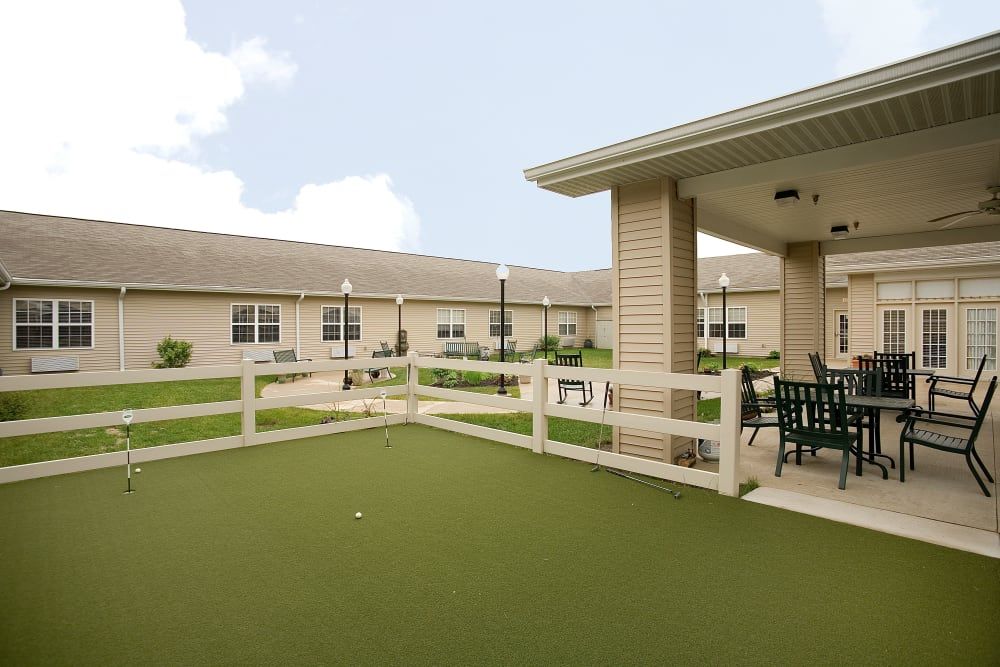
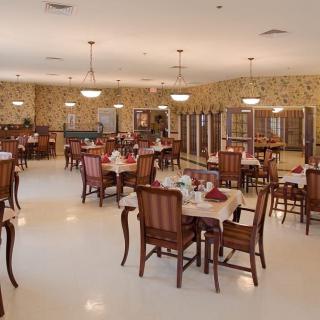
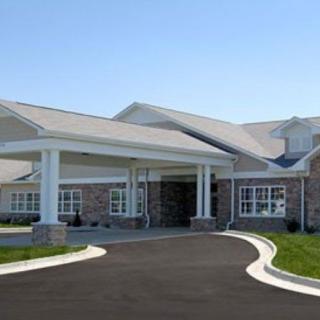
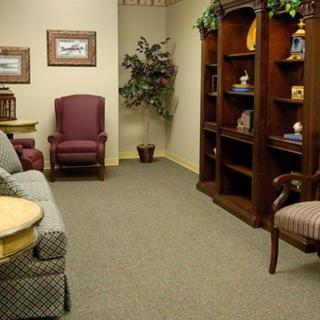
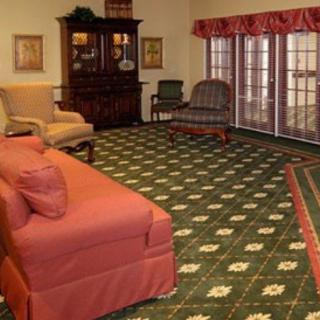
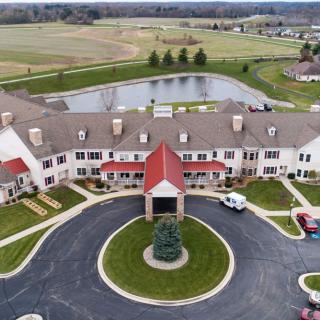
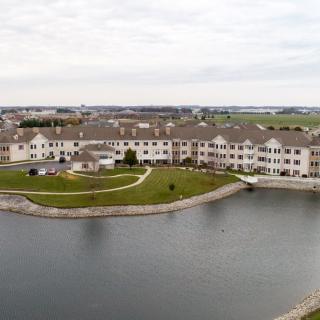
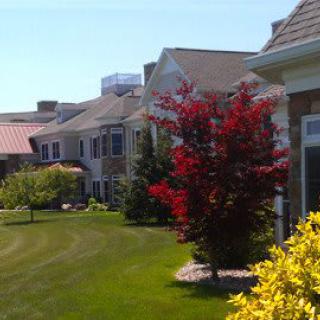
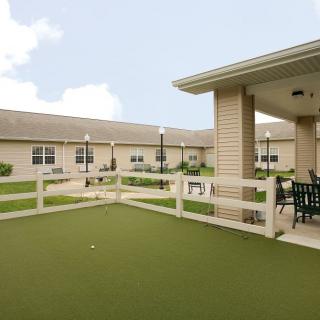
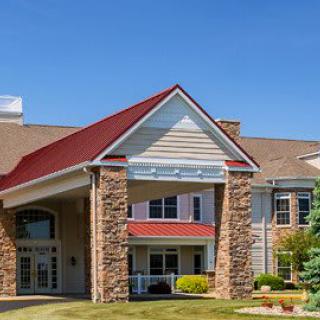
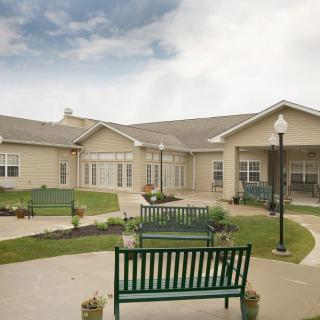
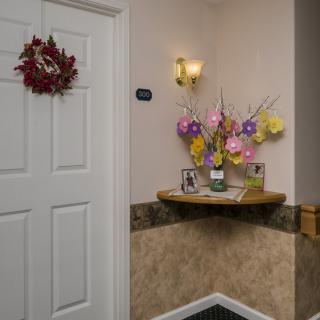
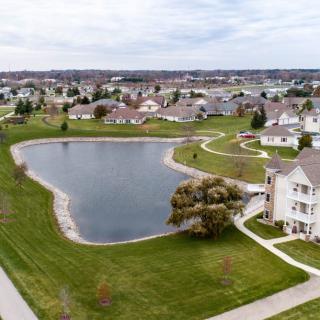
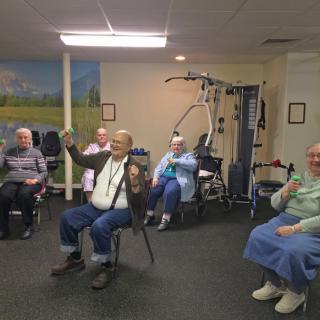
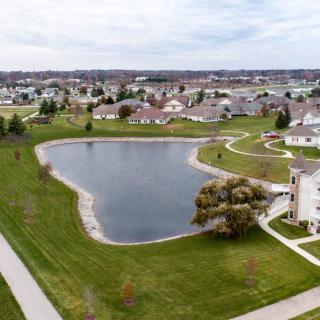
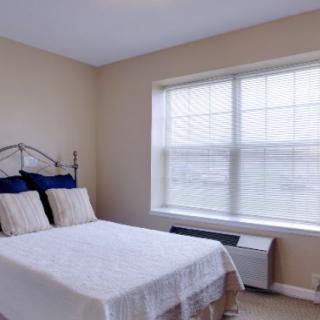
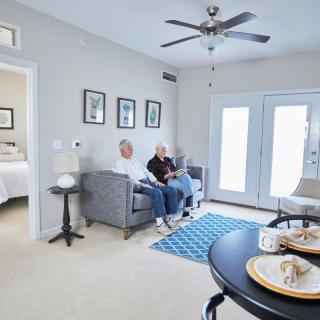
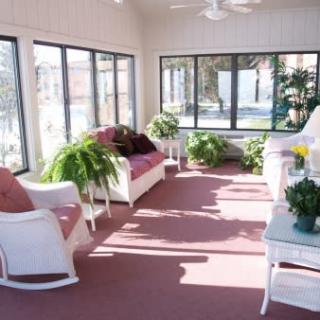
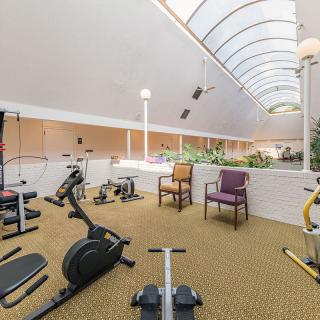
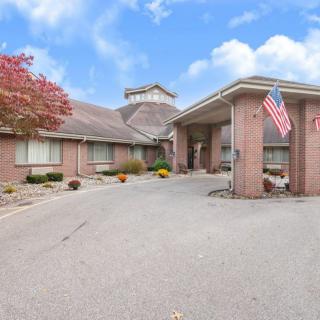
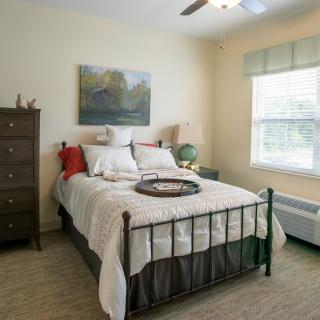
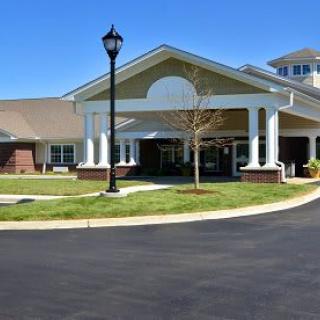
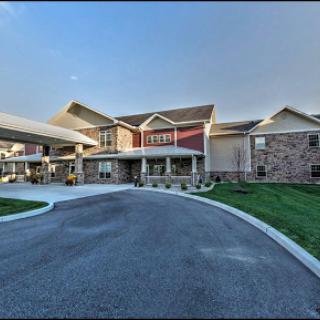
Waterford Crossing on seniors.fyi includes 16 photos including images showing landscaping, building, architecture, interior, aerial view, dining, outdoor, pond, and more.
Nearby Communities
Greencroft Central Manor
Goshen, IN
5 from 1 review
Specialized diabetic care with inviting indoor social spaces and strong access to nearby healthcare, dining, and amenities.
Greencroft Gables Health Care
Goshen, IN
$2,500 to $3,000 / month
Affordably priced semi-private and private rooms (semi-private $2,500; private $3,000) relative to Elkhart County and Indiana averages.
Greencroft Goshen
Goshen, IN
3.9 from 39 reviews
Small, personalized CCRC offering continuum care with strong amenities.
Courtyard Healthcare Center
Goshen, IN
4.4 from 9 reviews
Dedicated staff with proactive communication and engaging activities.
The Laurels of Goshen
Goshen, IN
24/7 supervision with ADL support, meals, and coordinated healthcare.
Caring for Hoosiers In Home Care
Goshen, IN
4.8 from 32 reviews
Professional, compassionate caregivers and responsive leadership.
Hellenic Senior Living of Elkhart
Elkhart, IN
2.9 from 31 reviews
$3,925 to $4,325 / month
Full range of on-site amenities and care services, including dining, wellness, transportation, and social activities.
Paddock Springs
Warsaw, IN
4.2 from 26 reviews
$3,625 / month
Comprehensive care options (assisted living, memory care, skilled nursing) with extensive on-site amenities and wellness programs.
Primrose Of Mishawaka
Mishawaka, IN
4.6 from 88 reviews
Beautiful, well-maintained facilities with a wide range of amenities and friendly staff.
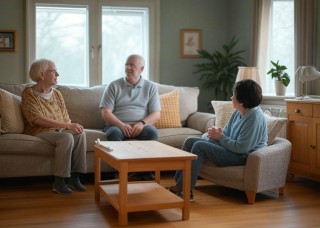
The article outlines effective communication strategies for interacting with loved ones with dementia, highlighting the need for empathy, patience, and understanding while emphasizing supportive approaches like using simple language, minimizing distractions, and focusing on feelings over facts to maintain dignity and foster connection. It also suggests seeking professional guidance when needed as communication challenges evolve.
VA nursing homes, or Community Living Centers (CLCs), offer tailored long-term care for veterans, featuring medical attention and rehabilitation in a supportive environment. The guide covers facility types, eligibility criteria, financial assistance options, quality of care standards, and alternatives to full-time nursing home placement.
At-home dementia care expenses vary widely based on care levels, location, and caregiver expertise, with monthly costs for home health aides exceeding $4,500 and specialized care potentially surpassing $100,000 annually. While families favor in-home care for its comfort and personalized attention, they must consider financial planning and the challenges of caregiver fatigue.
Get PricingAsk A QuestionSchedule A TourContact Senior Advisor
By clicking submit, you agree to our Partner's Terms of Use. You
also consent to receive calls and texts, which may be autodialed, from our Partner. Your consent is not a condition to
using our Partner's service. Please visit our Partner's Privacy Policy for information about their privacy practices.


 65 resident community capacity
 Assisted Living
 Day Program
 Independent Living
 Memory Care
 Skilled Nursing Facility
 Cats allowed
 Dogs allowed
 Air-conditioning
 Beautician on-site
 Cable or satellite TV
 Computer center
 Devotional services off-site
 Dining room
 Fitness room
 Full kitchen
 Fully furnished
 Gaming room
 Garden
 Ground floor units
 Handicap accessible
 Housekeeping services
 Indoor common areas
 Move-in coordination
 Outdoor common areas
 Outdoor patio
 Private bathrooms
 Respite or short term stays offered
 Restaurant-style dining
 Small library
 Telephone
 Wellness center
 Wheelchair accessible showers
 Wi-Fi/high-speed internet available
 Community operated transportation
 12-16 hour nursing
 24-hour call system
 Ambulatory care
 Assistance with bathing
 Assistance with dressing
 Assistance with transfers
 Diabetes diet
 Diabetic care
 Hospice waiver
 Incontinence care
 Medication management
 Mental wellness program
 Special dietary restrictions
 Transportation arrangement (medical)
 Art classes
 Concierge services
 Cooking classes
 Day trips and outings
 Educational speakers / life long learning
 Happy hour
 Karaoke
 Live dance or theater performances
 Live musical performances
 Wine tasting
 Specialized diabetic care with inviting indoor social spaces and strong access to nearby healthcare, dining, and amenities.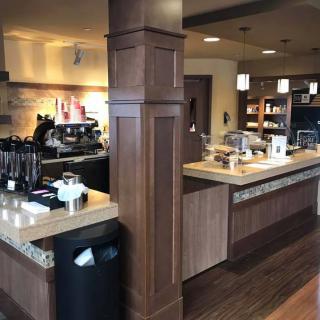



 How to Communicate with a Loved One Living with Dementia: 10 Supportive Strategies
 Comprehensive Guide to VA Nursing Homes: A Crucial Long-Term Care Resource for Veterans
 Estimating the Expenses of At-Home Dementia Care: A Detailed Exploration