
12101 Lima Road, Fort Wayne, IN 46818
For more information about senior living options: (866) 208-4318
Overall Review of Byron Health Center
Pros
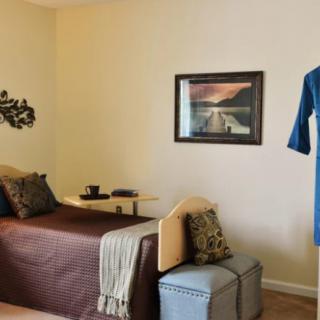
 The building was very clean and cozy, with residents looking happy and comfortable and staff members very polite.
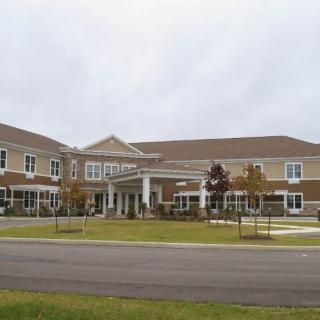
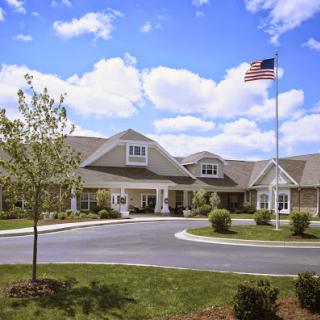
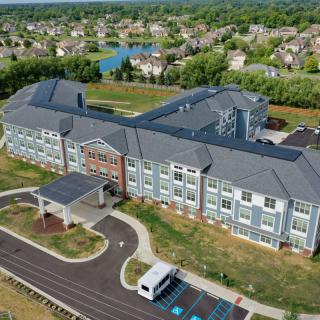
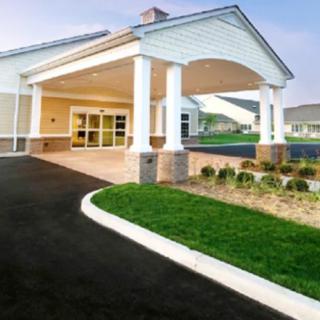
- Byron's new building is beautiful, the staff work hard for the residents, and they truly love working there; the food is delicious.
- People are thoughtful and caring, with care tailored to the individual, creating a truly family-like atmosphere.
- Byron is a place where everyone is taken care of like family, with residents and families reporting smiles and warmth.
- Residents have huge smiles and are ready to give anybody a hug.
Cons
 The kitchen is described as unsanitary and the food as unsafe to eat because gloves are never worn by serving staff.
- Kitchen staff are said to yell at residents and are stingy with food; portions are tiny and the quality is horrid.
- Second servings are rarely allowed, leftovers are stored to be used for puree meals, and the food is sometimes not labeled or outdated.
- The reviewer spent months in the kitchen cleaning and was fired after reporting unsanitary and unsafe practices to management.
- Residents deserve far better, and the reviewer would not recommend letting their dog eat anything there; dogs roam into the kitchen and one defecated in the dry storage.
- The reviewer warned, “Don’t take your loved ones there.”
- The facility is labeled as the worst around, with management sitting in their office and not responding to family concerns; staff are described as ashamed.
- Patients are not showered routinely, food is inedible, and there are no snacks or water; call lights are left on for a long time.
- Families report a dirty diaper and clothes, with hair described as oily and not combed; responding to concerns often requires threats to call the State.
- Aides and nurses are said to spend more time talking to each other than taking care of patients.
Review
Byron Health Center in Fort Wayne is best suited for families that prize a warm, family-like atmosphere and staff who genuinely seem to care for residents. The new building and the visible dedication of several caregivers create a homelike feel where residents can appear comfortable and well-attended. This is not a clinical, impersonal institution; it can feel like a small community with personal attention and familiar faces. Yet this favorable impression rests on a thin reed: operational gaps and safety questions persist. For families prioritizing consistently pristine conditions, immediate problem resolution, and highly reliable nutrition, this community demands tighter oversight or alternative options.
Those who may want to consider alternatives are families intolerant of ongoing concerns around sanitation, meal service, and governance. The most alarming issues cited involve the kitchen environment and food practices: unsanitary conditions, lack of gloves, staff speaking harshly to residents, unusually small portions, restricted second servings, and leftovers repurposed for puree meals. Food labeling can be inconsistent, and in some instances meals have been described as outdated. Beyond meals, call lights are reportedly ignored for extended periods, and residents are not always kept clean or dry. These patterns, paired with perceptions that leadership is slow to respond to family concerns, push many to look at other options with stronger accountability.
The positive aspects are meaningful when present. A newly built, aesthetically pleasing facility can improve daily life, and staff described as thoughtful and dedicated can deliver attentive, individualized care. Stories of a truly family-oriented atmosphere and care plans that feel tailored to each resident suggest a core strength: the capacity to foster comfort, companionship, and routine. When a resident receives this level of warmth and attentiveness, it can offset some daily annoyances. The risk is variability, whether these strengths are consistently realized across all shifts and all departments, particularly when basic operations, like nutrition and safety protocols, are brought into question.
Operational risks, however, cannot be dismissed. The kitchen issues alone undermine trust: sanitation concerns, questionable food quality, and labeling gaps threaten residents’ dignity and health. If nourishment cannot be delivered with reliability and safety, the rest of the care framework, no matter how compassionate the staff, loses its footing. Additional reports of delayed call-light responses, staff turnover, and episodes of unprofessional conduct further erode confidence that daily care will be predictable and respectful. A few accounts describe commendable leadership and positive interactions, but these are not universal experiences, and the inconsistencies are the real deterrent for families weighing long-term placement.
Leadership consistency adds another layer of complexity. Some reviews highlight a capable head nurse as a rare bright spot amid broader management issues, implying that capable leadership can elevate the resident experience. Yet the pattern of turnover, uneven responsiveness to family input, and uneven care delivery signals volatility that complicates long-term planning. For families whose decision hinges on a stable, predictable routine and crystal-clear escalation pathways, Byron Health Center may fall short. Benchmarking against facilities with stronger quality-control records, especially around nutrition, sanitation, and timely problem-solving, will illuminate where Byron truly stands.
Practical next steps are essential. Prospective families should visit at different times and ask scrupulous questions about kitchen protocols, meal planning, and how deficiencies are tracked and corrected. Obtain current state inspection results, review staffing levels, and clarify response-time targets for call lights. Talk to multiple families about ongoing experiences and observe interactions between staff and residents. If improvements are already underway, verify concrete timelines and accountability measures. For those who want a warm, home-like setting but cannot tolerate persistent food-safety concerns or governance gaps, it pays to compare Byron with other Fort Wayne facilities that provide stronger nutrition standards, cleaner environments, and more reliable issue resolution. Byron Health Center offers genuine warmth and personal connection, but its operational risks demand careful, informed scrutiny.
 175 resident community capacity
 Assisted Living
 Skilled Nursing Facility
 Air-conditioning
 Beauty salon
 Cable or satellite TV
 Computer center
 Dining room
 Fitness room
 Fully furnished
 Gaming room
 Garden
 Housekeeping services
 Kitchenette
 Move-in coordination
 Outdoor space
 Private bathrooms
 Restaurant-style dining
 Small library
 Telephone
 Wellness center
 Wi-Fi/high-speed internet available
 Fort Wayne International (15 miles away)
 Community operated transportation
 24-hour call system
 Activities of daily living assistance
 Assistance with bathing
 Assistance with dressing
 Assistance with transfers
 Diabetes diet
 Medication management
 Special dietary restrictions
 Concierge services
 Planned day trips


 Vibrant Senior Living: A Comprehensive Guide for Active Older Adults
 When to Transition from Assisted Living to Memory Care: Key Indicators, Steps, and Finding the Right Community
 Assisted Living and Memory Care: Understanding Their Core Differences