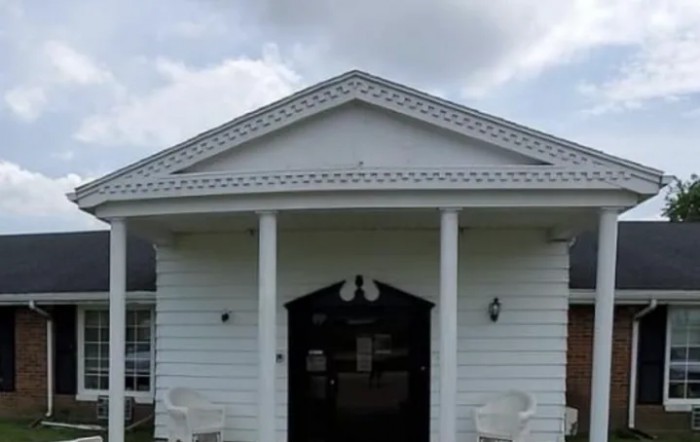
510 West Medcalf Road, Dale, IN 47523
For more information about senior living options: (866) 208-4318
Overall Review of Core Of Dale
Pros
 The staff is very friendly and cares deeply for the residents.
- The administration is dedicated to the residents' and staff well-being.
- The staff are friendly and hardworking.
- Her mental health has improved after moving to the new facility.
- The new facility loves her.
Cons
 The facility is described as the worst place, lacking a therapy department required in LTC.
- The staff are negligent and abusive, making it the worst facility the reviewer has seen.
- The reviewer would give zero stars and warns others not to send their family members there.
- Staff allegedly fought to keep a resident there and told the new facility she was a troublemaker and loud.
- A grandmother reportedly fell and wasn’t seen; instead of physical therapy, she was put in a wheelchair.
- Core allegedly lied to the new facility to keep her from leaving.
- The reviewer says to only put a family member there if one hates them.
- The staff were harming the reviewer’s sister and claimed it was decline.
Review
Core of Dale is best suited for families that prize a warm, people-first environment and a consistently attentive administrative presence, but are prepared to scrutinize care quality closely. The conversations and day-to-day interactions described by reviewers point to a facility where residents can expect friendly, hard-working staff who care about the people they serve. Yet this is not a one-size-fits-all choice: those needing regular rehabilitation therapy, strong clinical oversight, or transparent accountability should seriously consider alternatives. The mix of praise for personal warmth and stark warnings about safety and care gaps creates a clear decision fork for families assessing needs and risk tolerance.
On the plus side, the core strength lies in the people who show up every day. Reviewers repeatedly highlight staff as friendly, compassionate, and genuinely invested in residents’ well-being. When administration is described as dedicated to both residents and staff, that translates into a more hopeful daily experience and smoother communications on routine matters. For families seeking a facility where frontline caregivers feel seen and supported, Core of Dale can deliver a reassuring, approachable culture. In practical terms, this translates into reliable daytime warmth, familiar faces, and a sense that someone is paying attention to individual resident preferences and moods.
However, the most serious red flags emerge in parallel with those positives. Several accounts depict neglect or abuse concerns, dramatic enough to prompt strong warnings against admission. The most alarming claims center on missed falls, insufficient therapy or rehabilitation planning, and even alleged deception about a resident’s condition when transitioning to a new facility. With references to bed sores, urinary tract infections, and multiple hospitalizations, the pictures suggest care lapses that can undermine health, comfort, and dignity. The absence of an in-house therapy department is a foundational gap for a facility that should be providing ongoing rehabilitation and medical support as part of long-term care.
The tension between the favorable staffing narrative and the grave care concerns means the positives do not fully offset the main cons. Warmth and administrative attentiveness can improve daily life and ease communication, but they cannot compensate for missing therapeutic services, insufficient clinical oversight, or questionable safety practices. For a resident who needs regular physical therapy, wound care, or proactive medical management, the lack of an established therapy program and the reports of neglect are decisive flaws. Families should view the staff’s kindness as a valuable but insufficient safety net, not a substitute for comprehensive care infrastructure and accountable governance.
Those who should actively seek alternatives are families with loved ones requiring rehabilitation, complex medical care, or robust safety safeguards. Look for facilities with in-house therapy departments, clear wound-care protocols, transparent incident reporting, and consistent family updates. Before choosing, demand a tour focused on rehabilitation spaces, review independent inspection results and staffing ratios, and ask pointed questions about fall response times, wound management, and how concerns are escalated and resolved. If the answer to any of these asks hinges on promises rather than systems, it is time to move on.
In the end, Core of Dale presents a practical dilemma: a caring, people-centered environment on one hand, and substantive clinical and safety gaps on the other. For families prioritizing warmth and personal connection, this community offers real value, with the caveat that care quality and accountability require vigilant, ongoing verification. For those who cannot accept potential lapses in therapy availability, safety oversight, or candid family communications, alternatives with stronger clinical programs and proven safety records are the prudent path. The decision should be guided by the loved one’s medical needs, tolerance for risk, and willingness to demand rigorous, transparent care every day.
 60 resident community capacity
 Assisted Living
 Skilled Nursing Facility
 Air-conditioning
 Beauty salon
 Cable or satellite TV
 Computer center
 Dining room
 Fitness room
 Fully furnished
 Gaming room
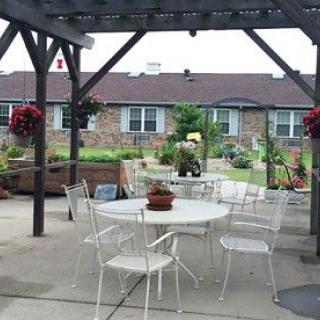
 Garden
 Housekeeping services
 Kitchenette
 Move-in coordination
 Outdoor space
 Private bathrooms
 Restaurant-style dining
 Small library
 Telephone
 Wellness center
 Wi-Fi/high-speed internet available
 Community operated transportation
 24-hour call system
 Activities of daily living assistance
 Assistance with bathing
 Assistance with dressing
 Assistance with transfers
 Diabetes diet
 Medication management
 Special dietary restrictions
 Concierge services
 Planned day trips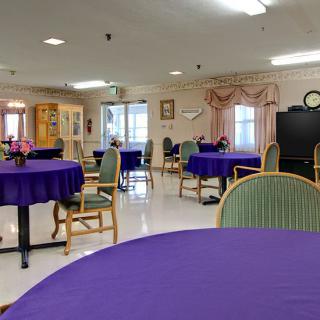



 Exploring the Contrasts Between Assisted Living and Skilled Nursing
 8 Key Indicators That Suggest It May Be Time to Transition from Assisted Living to Skilled Nursing Care
 Vibrant Senior Living: A Comprehensive Guide for Active Older Adults