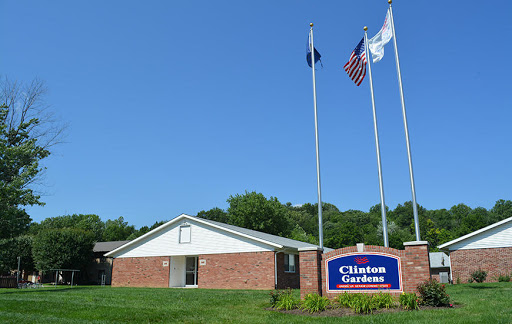
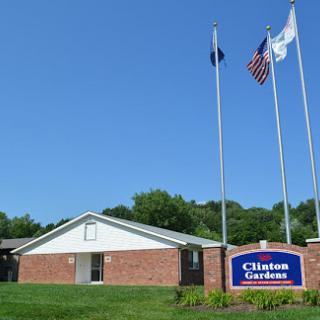
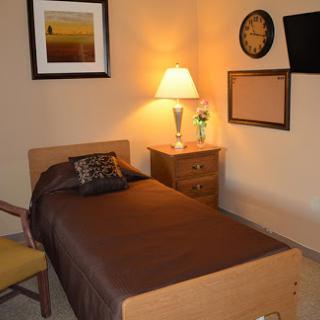
375 South 11th Street, Clinton, IN 47842
For more information about senior living options: (866) 208-4318
Overall Review of Clinton Gardens
Pros
 The staff is amazing and truly cares about residents.
- This facility is the better nursing facility in town.
- The staff is easy to talk to and answers questions promptly.
- Great care is provided by the staff.
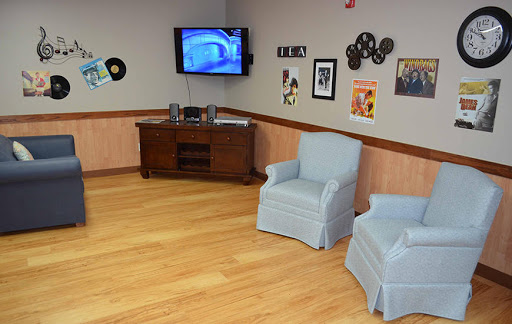
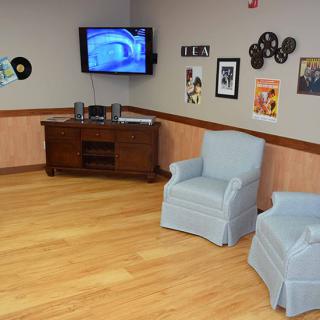
- The residents and staff have many wonderful activities to participate in every day.
- The memory care team is kind, caring, and patient.
Cons
 The grandfather was neglected and given improper care regarding medication and cleanliness.
- The resident was found exposed and soaked in his own urine.
- Almost none of the resident’s belongings came home, and bedbugs were present.
- The reviewer would not send a loved one here again.
- The care was unsatisfactory, and the resident contracted a communicable disease from another patient.
- Staff ignored concerns about the resident’s condition and could not do anything.
- The reviewer advises taking a family to another nursing home if care matters.
Review
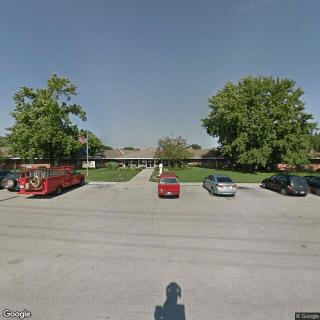
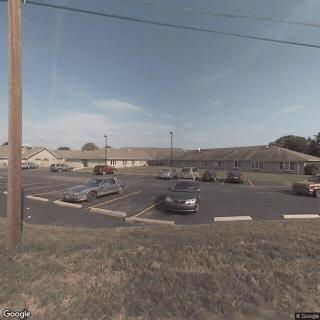
Clinton Gardens is best suited for families seeking a dementia-focused, community-oriented option in Clinton, Indiana, where long-term care is balanced with meaningful daily involvement. The Cottage Memory Care Unit stands out as the core strength, consistently described by families as kind, patient, and attentive to evolving needs. For relatives who live far away, the staff’s willingness to keep families informed creates a reassuring sense of oversight and continuity. The environment is noted as clean and welcoming, with activities that give residents purpose and opportunity to socialize. When memory care support and reliable communication are the primary criteria, Clinton Gardens presents a practical choice that leans into warmth and consistent caregiver attention.
However, potential residents should consider alternatives if the priority includes tight medical control, rapid post-acute rehabilitation, or a risk-aware setting. Several reviews point to variability in care quality, including reports of medication mismanagement and concerns about responsiveness in acute episodes. These contrasting experiences can be especially consequential during short rehab stays or for residents with complex medical needs who require meticulous oversight. Families facing such circumstances may prefer facilities with a track record of consistent clinician involvement, rigorous medication protocols, and verified safety standards. Clinton Gardens can be a good fit, but it may not meet every clinical expectation, particularly where active, hands-on medical management is non-negotiable.
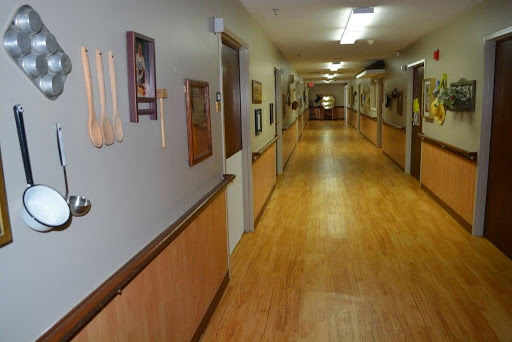
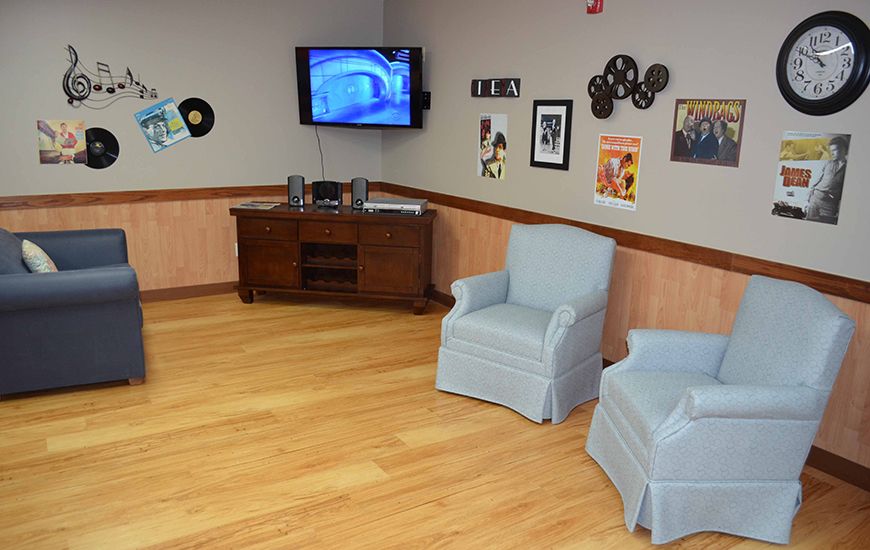
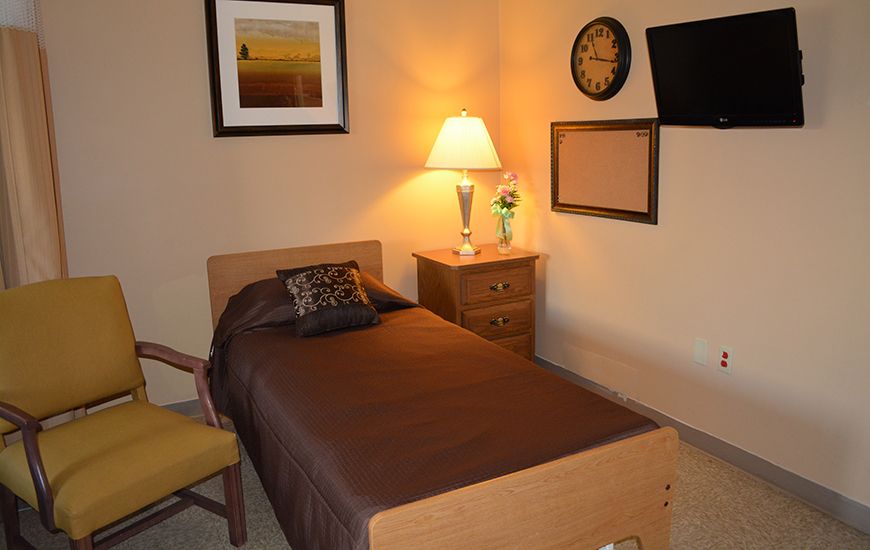
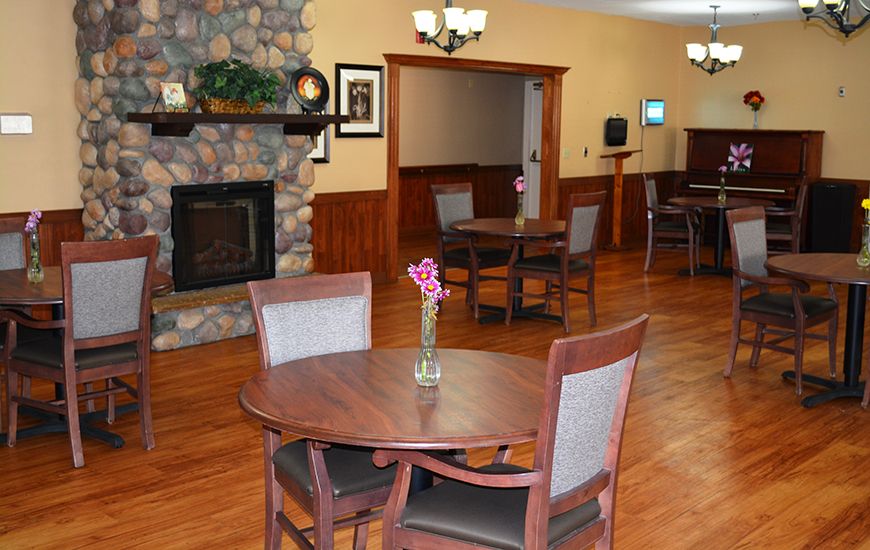
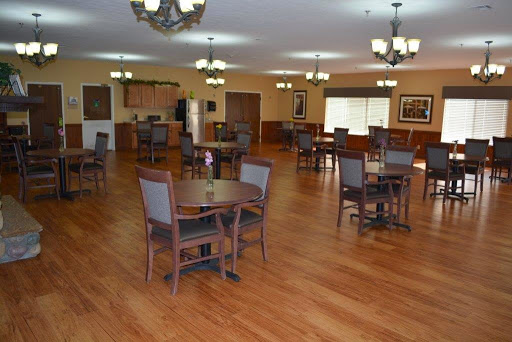
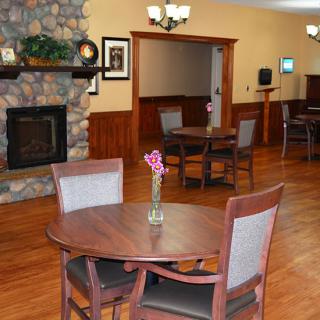
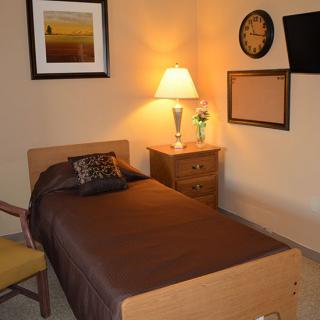
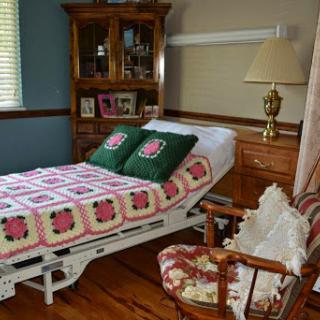
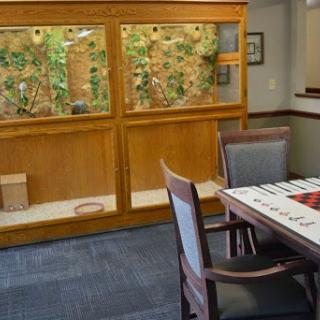
On the plus side, the strongest selling points are the staff’s accessibility and the active engagement of residents. Reviews emphasize easy communication with caregivers, prompt answers to questions, and staff who truly care, even from a distance. The memory-care team is frequently highlighted for kindness and patience, and the daily schedule features varied activities that keep residents mentally and socially involved. Families also note a clean, well-maintained environment and the fragrance of baking that underscores a home-like atmosphere. For families seeking reassurance that a loved one will be remembered and included in routines, these elements translate into meaningful peace of mind and a sense of normalcy in daily life.
Yet the facility’s drawbacks cannot be ignored. Mixed experiences within the same building tap into the risk of uneven care quality. Some reviews describe neglect, improper medication administration, and lapses in cleanliness that are frankly alarming, and others recount serious health scares following rehab stays, including dehydration and kidney concerns. There are even reports of belongings not returning home and, in at least one case, bedbugs. Such incidents illuminate a potential pattern rather than isolated missteps, and they underscore the importance of proactive oversight, detailed care plans, and visible accountability from staff leadership. In short, the positives around memory care and communication can be offset by these critical safety and reliability concerns for families evaluating where to place a loved one.
For families moving forward, the evaluation should be systematic. Request a transparent care plan that documents medication administration routines, hydration monitoring, and daily progress notes. Ask to meet the memory-care director and request current staff-to-resident ratios, as well as a tour of The Cottage during peak activity to observe staff engagement. Inquire about incident reporting, housekeeping procedures, and how belongings get tracked during moves or transfers. If feasible, arrange a short-term respite or trial period to observe how the team handles day-to-day needs in real time. Finally, speak with current residents or families to gauge consistency of care across shifts and holidays, not just during a tour.
Overall, Clinton Gardens offers a compelling option for dementia care anchored by compassionate staff, meaningful activity, and a home-like atmosphere. The strongest fit is for families prioritizing ongoing memory-care support and reliable communication, particularly when distance complicates oversight. The most important caveat is the potential for uneven care quality and safety lapses, which can dramatically affect outcomes for residents with medical vulnerabilities or acute needs. If those risks are unacceptable, or if a short rehab trajectory is anticipated, other local facilities with a clearer track record in medical management may be better choices. With careful due diligence, Clinton Gardens can deliver steady, person-centered care that respects both the resident’s daily rhythms and the family’s peace of mind.
 100 resident community capacity
 Assisted Living
 Memory Care
 Skilled Nursing Facility
 Air-conditioning
 Beauty salon
 Cable or satellite TV
 Computer center
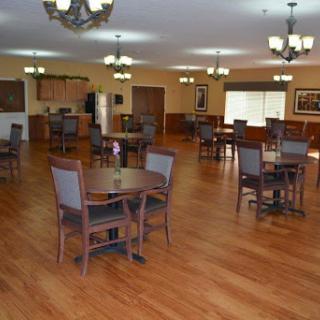
 Dining room
 Fitness room
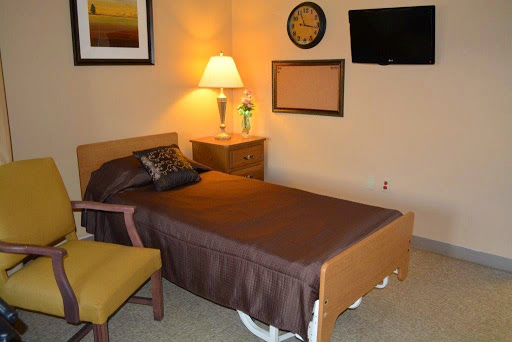
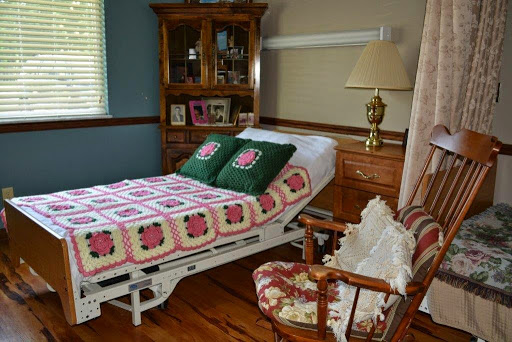
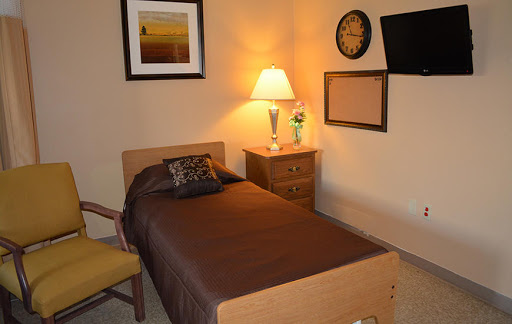
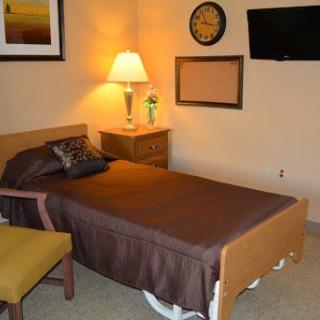
 Fully furnished
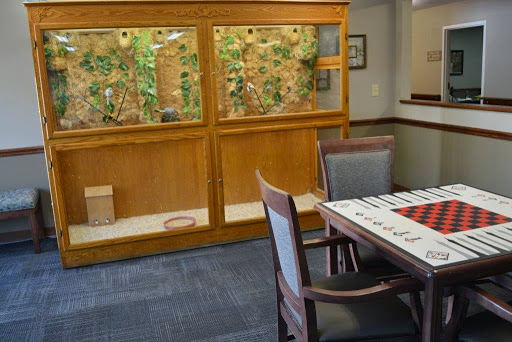
 Gaming room
 Garden
 Housekeeping services
 Kitchenette
 Move-in coordination
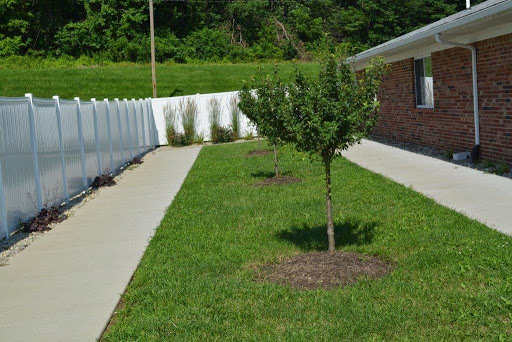
 Outdoor space
 Private bathrooms
 Restaurant-style dining
 Small library
 Telephone
 Wellness center
 Wi-Fi/high-speed internet available
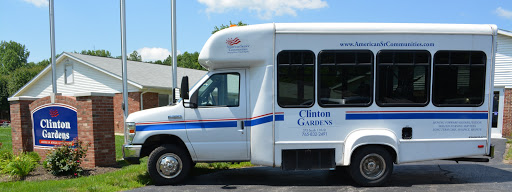
 Community operated transportation
 12-16 hour nursing
 24-hour call system
 Activities of daily living assistance
 Assistance with bathing
 Assistance with dressing
 Assistance with transfers
 Diabetes diet
 Medication management
 Mental wellness program
 Special dietary restrictions
 Transportation arrangement (medical)
 Concierge services
 Planned day trips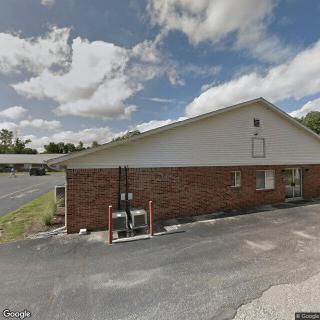




 A Detailed Exploration of Assisted Living Medicaid Waivers Across the United States
 Exploring the Contrasts Between Assisted Living and Skilled Nursing
 Vibrant Senior Living: A Comprehensive Guide for Active Older Adults