

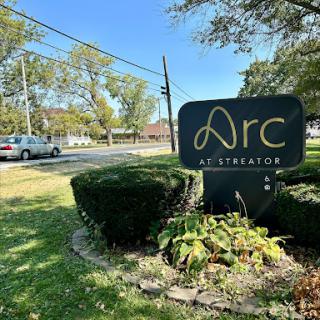


1525 East Main Street, Streator, IL 61364
For more information about senior living options: (866) 208-4318
Heritage Health Streator Costs & Pricing
Heritage Health Streator offers competitive pricing for its accommodations, particularly when compared to the broader market in Livingston County and the state of Illinois. For a studio apartment at Heritage Health Streator, residents can expect a monthly cost of $3,420, which is notably lower than both the county average of $4,199 and the state average of $4,028. On the other hand, for a one-bedroom unit, Heritage Health Streator's rate stands at $4,035. While this figure aligns closely with Livingston County's average of $3,322, it does exceed the state average of $3,527. Overall, Heritage Health Streator presents an appealing option with its attractive pricing structure for studio accommodations while remaining competitive within the one-bedroom category in comparison to regional costs.
| Floor plans | Heritage Health Streator | Livingston County | Illinois |
|---|---|---|---|
| Studio | $3,420 | $4,199 | $4,028 |
| 1 Bedroom | $4,035 | $3,322 | $3,527 |
Overall Review of Heritage Health Streator
Pros
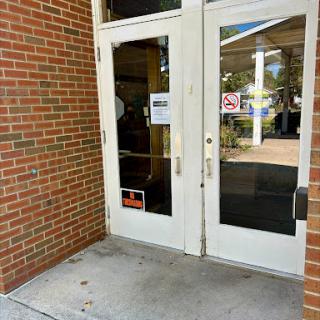
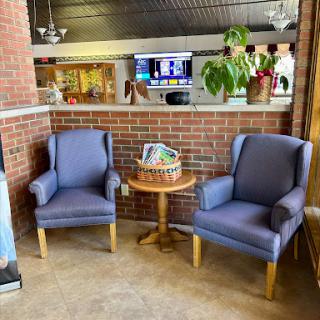
 The facility is extremely clean and well maintained.
- The staff are wonderful and clearly enjoy their jobs.
- The nurses and CNAs are attentive and provide information promptly.
- The food is surprisingly good.
- Administration is responsive, straightforward, and easy to work with.
- The residents are treated like family.
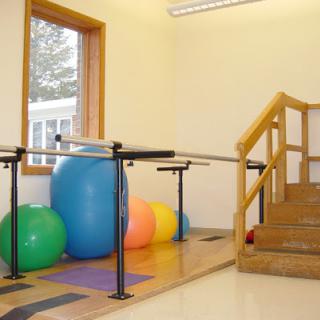
- The rehab and nursing teams are dedicated to patient care.
- The environment is welcoming and accommodating for visitors and patients.
Cons
 The doctors are hard to reach and never have time to actually see the family.
- The staff were understaffed and lacked timely decisions about emergency care.
- They waited for tests and delayed emergency care when infection signs appeared.
- The social worker is very rude and not friendly.
- The administrator is horrible.
- They did not return calls when information and placement were requested.
- There were no private rooms despite website claims.
Review
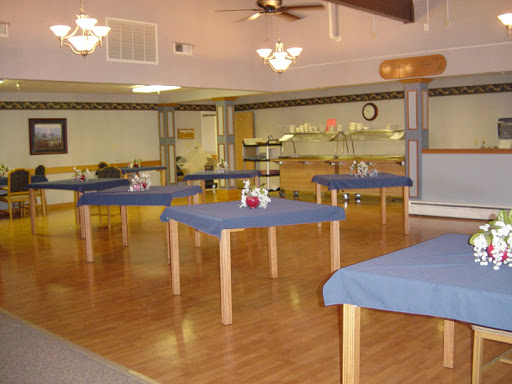
Heritage Health Streator is best suited for seniors who want dependable, hands-on daily care and a strong rehabilitation track record delivered by a large, engaged caregiving team. The community shines for short-term rehab and steady long-term support, where CNAs, nurses, and therapists consistently show up with a job-focused spirit. Families pursuing a rehab-to-home pathway or ongoing assistance with medications and daily tasks will find a reliable rhythm here, with caregivers who seem genuinely invested in resident well-being and a clean, well-maintained environment that supports comfortable daily living.
But this is not a universal fit. Medical oversight can feel inconsistent, with doctors described as hard to reach and not always available to the family, which can complicate urgent or nuanced decisions. A few reviews flag less-than-ideal administrative responsiveness and some personality friction among staff, including a social worker and a few kitchen personnel. There is also the practical note that private rooms may not be as clear in reality as the website implies, which matters for families prioritizing privacy or room reservations. For families where immediate physician access, aggressive medical escalation, or perfectly private accommodations are non-negotiables, exploring alternatives or confirming specifics in advance is advisable.
The strongest positives, clean facilities, front-line staff who stay on top of tasks, and a rehab-friendly culture, tend to offset the occasional gaps in medical input. CNAs and nurses are repeatedly praised for attentiveness, timely room visits, and clear communication about medications and care needs. The dining and overall maintenance contribute to a dignified, comfortable atmosphere, and admissions staff are noted for straightforward, responsive interaction. Therapy teams appear to drive measurable progress during rehabilitation, and several families feel their loved one is treated with genuine warmth and respect, which can make a difficult transition much more tolerable.
Within the glow of these strengths, the mixed reviews carry important cautions. Some families report exceptional experiences, with staff who regard residents like family, a consistently clean and odor-free environment, and proactive coordination with hospice or other services when needed. Others recount frustrations around accessibility and tone from administrative personnel or social services, and one account details a concerning delay in recognizing potential infection or the need for emergency care, underscoring the risk of delays when medical judgment is not promptly integrated with family input. The disparity suggests that while daily caregiving quality is solid, the facility’s administrative and medical escalation processes can vary by shift or department.
For families weighing this community, several practical steps matter. Seek a current, detailed rehab plan with concrete milestones and confirm the actual availability of private rooms; tour rooms and common areas to verify what is described publicly. Inquire about how the on-call physician model works, expected response times, and the exact protocol for emergencies or rapid changes in a resident’s condition. Request to meet the charge nurse or primary clinician responsible for ongoing care and ask how communication is documented and shared with families. Clarify what a typical day looks like for a resident in rehab to ensure expectations align with the lived experience.
In conclusion, Heritage Health Streator delivers a robust, care-focused environment with standout frontline staff, clean facilities, and a rehab-first orientation that many families will value deeply. It serves best those who prize reliable day-to-day caregiving, transparent communication with front-line caregivers, and a sense of personal attention from nurses and aides. For families where immediate physician access, aggressive medical decision-making, or guaranteed private room configurations are critical, it is essential to probe those specifics and, if necessary, compare alternatives to ensure the choice aligns with the resident’s health needs and family expectations.
 130 resident community capacity
 Assisted Living
 Skilled Nursing Facility
 Activities on-site
 Air-conditioning
 Beautician on-site
 Cable or satellite TV
 Computer center
 Devotional services off-site
 Dining room
 Fitness room
 Fully furnished
 Gaming room
 Garden
 Housekeeping services
 Indoor common areas
 Kitchenette
 Move-in coordination
 Outdoor space
 Private bathrooms
 Restaurant-style dining
 Small library
 Telephone
 Wellness center
 Wi-Fi/high-speed internet available
 Community operated transportation
 12-16 hour nursing
 24-hour call system
 Ambulatory care
 Assistance with bathing
 Assistance with dressing
 Assistance with transfers
 Diabetes diet
 Incontinence care
 Medication management
 Mental wellness program
 Special dietary restrictions
 Concierge services
 Planned day trips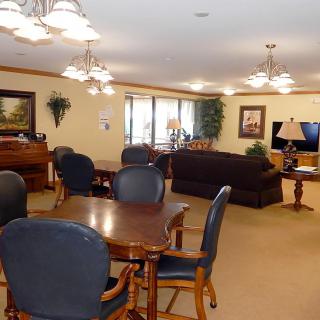





 8 Key Indicators That Suggest It May Be Time to Transition from Assisted Living to Skilled Nursing Care
 Vibrant Senior Living: A Comprehensive Guide for Active Older Adults
 When to Transition from Assisted Living to Memory Care: Key Indicators, Steps, and Finding the Right Community