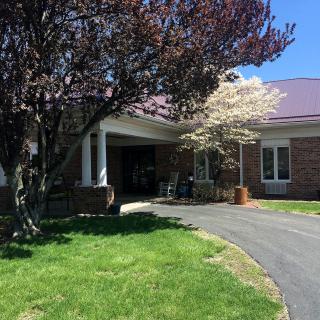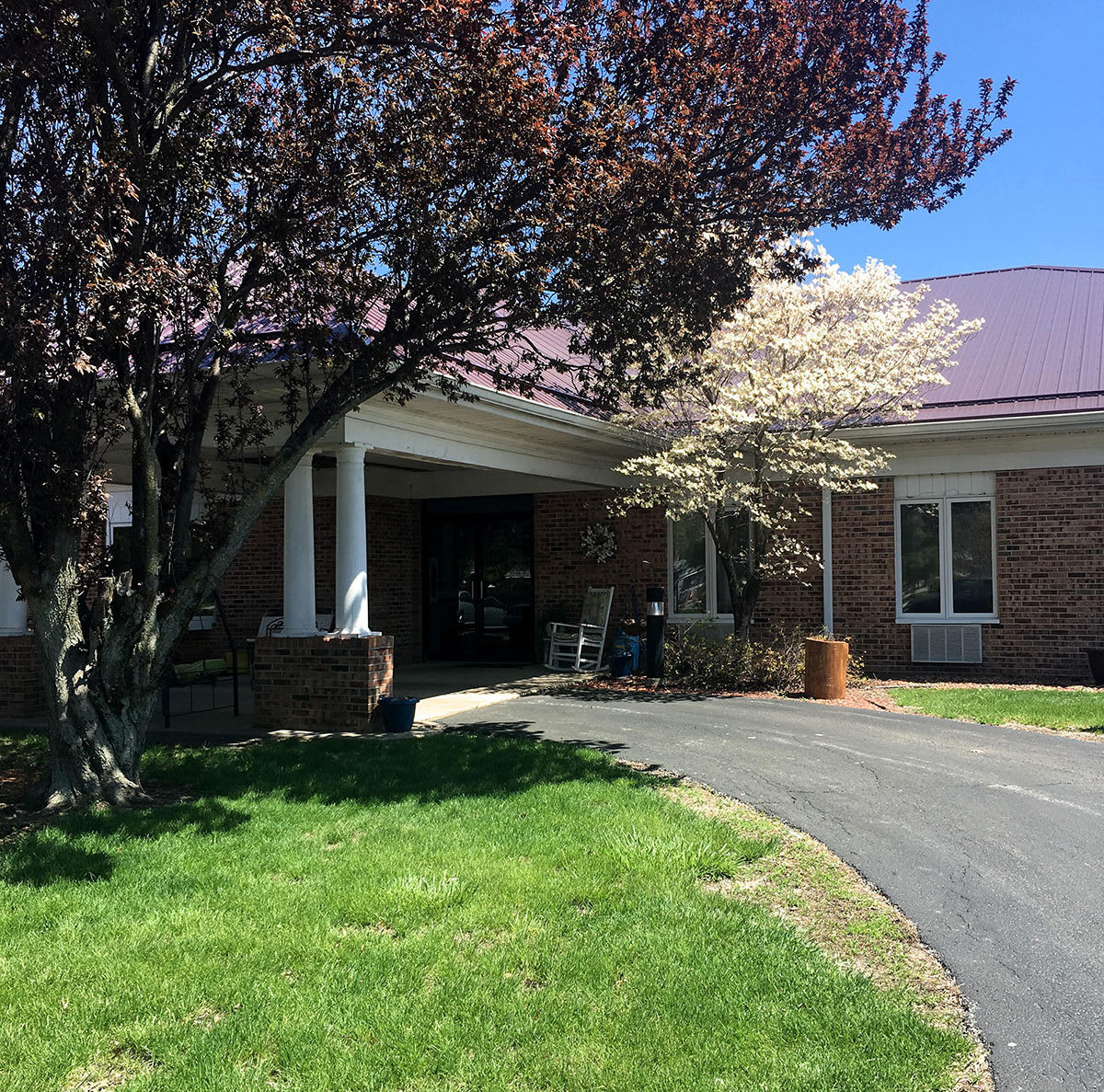
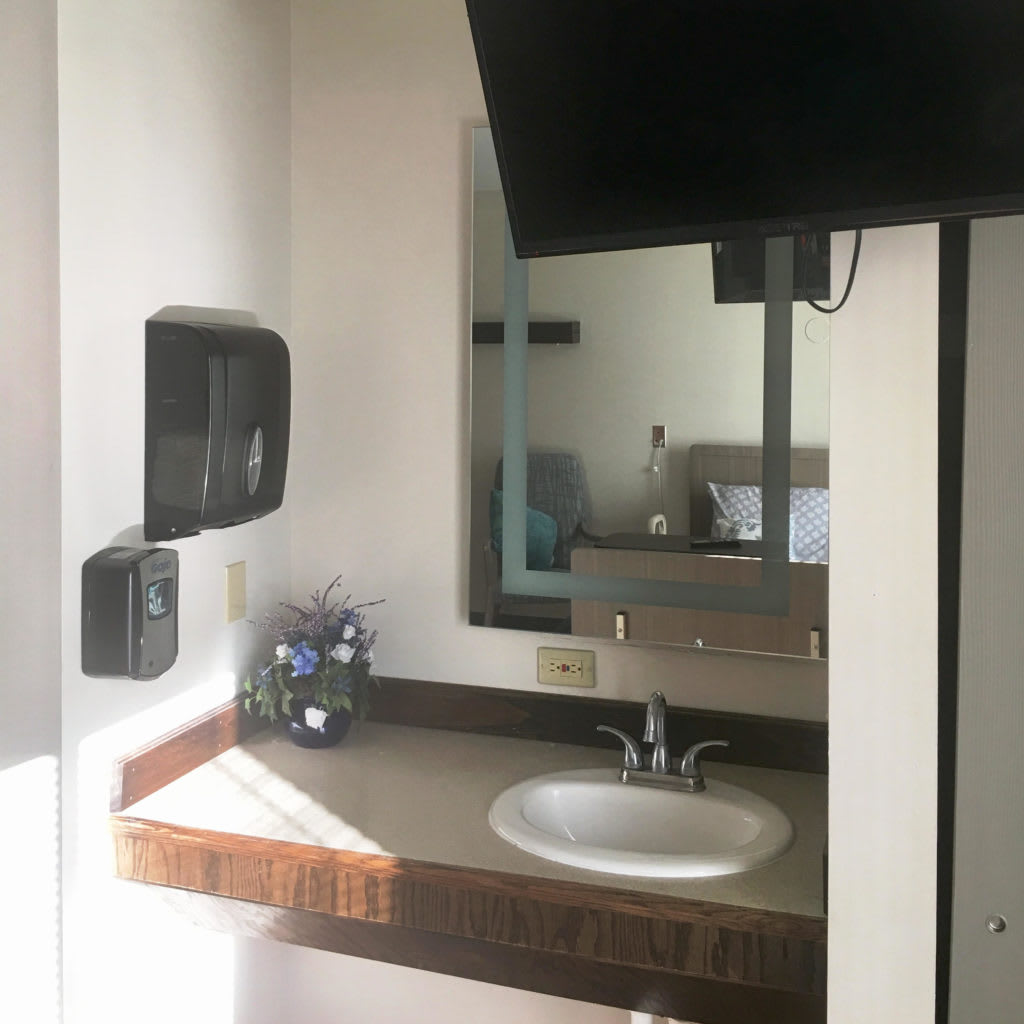
525 S Macon St, Moweaqua, IL 62550
To contact a resident: (217) 768-3951
For more information about senior living options: (866) 208-4318
Moweaqua Rehabilitation and Health Care Center Costs & Pricing
Moweaqua Rehabilitation and Health Care Center offers competitive pricing for its services compared to regional and state averages. For instance, the cost of a studio room at Moweaqua is $1,600 per month, significantly lower than the Shelby County average of $3,897 and Illinois's statewide average of $4,028. Similarly, their one-bedroom accommodations are priced at $1,800 monthly, which is also more affordable than both the local and state averages of $3,333 and $3,527 respectively. This positioning not only reflects the center's commitment to providing accessible care but also highlights its value relative to similar facilities in the area.
| Floor plans | Moweaqua Rehabilitation and Health Care Center | Shelby County | Illinois |
|---|---|---|---|
| Studio | $1,600 | $3,897 | $4,028 |
| 1 Bedroom | $1,800 | $3,333 | $3,527 |
Overall Review of Moweaqua Rehabilitation and Health Care Center
Pros
 The Gardens at Moweaqua is nice and clean.
- The tour guide was very nice and answered all questions.
- The experience at The Gardens is really good.
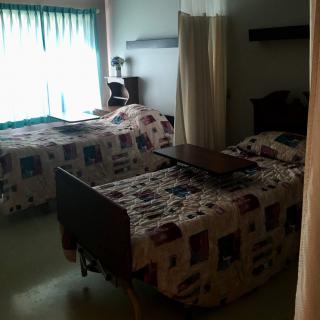
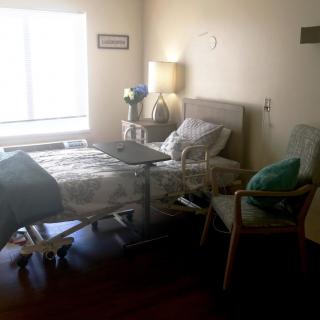
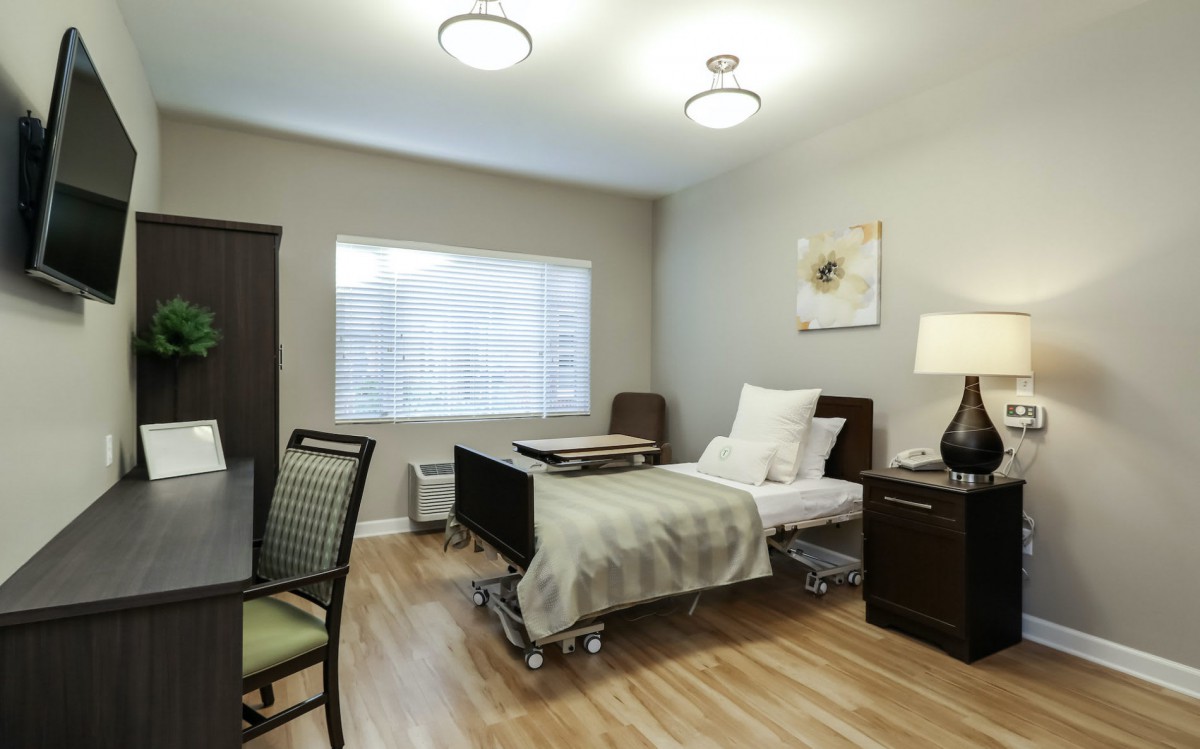
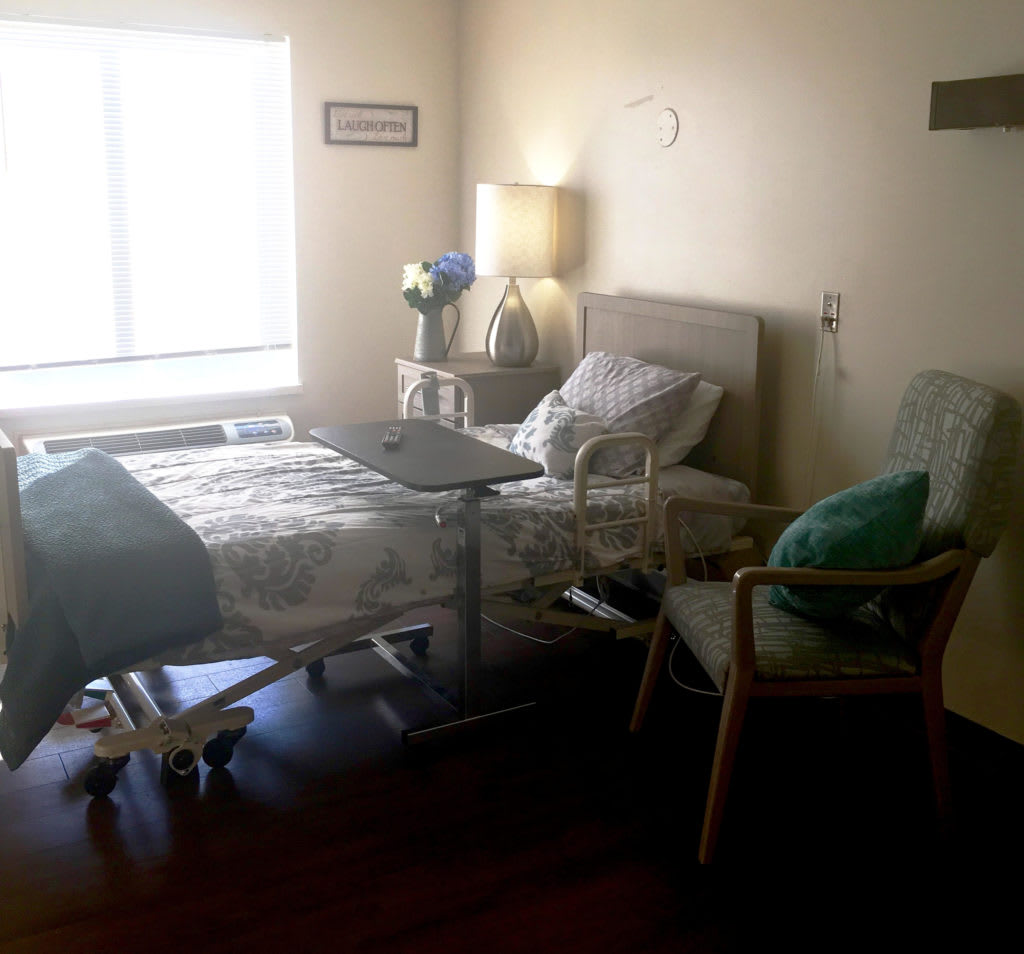
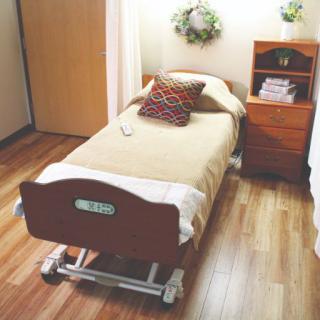
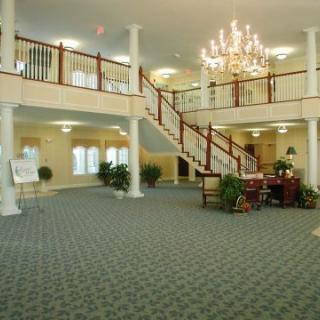
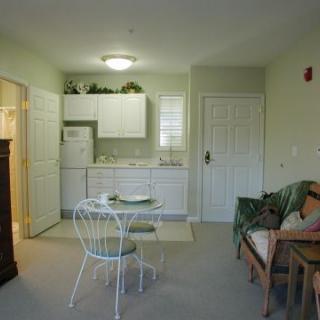
- The rooms are nice and large.
- The layout is nice.
- The Gardens' cost is affordable and budget-friendly.
- The Gardens seems like a good community.
- The facility offers bingo, a living area, and a dining room.
- There is 24-hour staff at The Gardens.
- The Gardens is a nice place overall.
- The facility is clean.
- Residents can customize apartments, such as painting.
Cons
 The resident falls a lot and cannot get back up.
- The tour guide did not introduce herself.
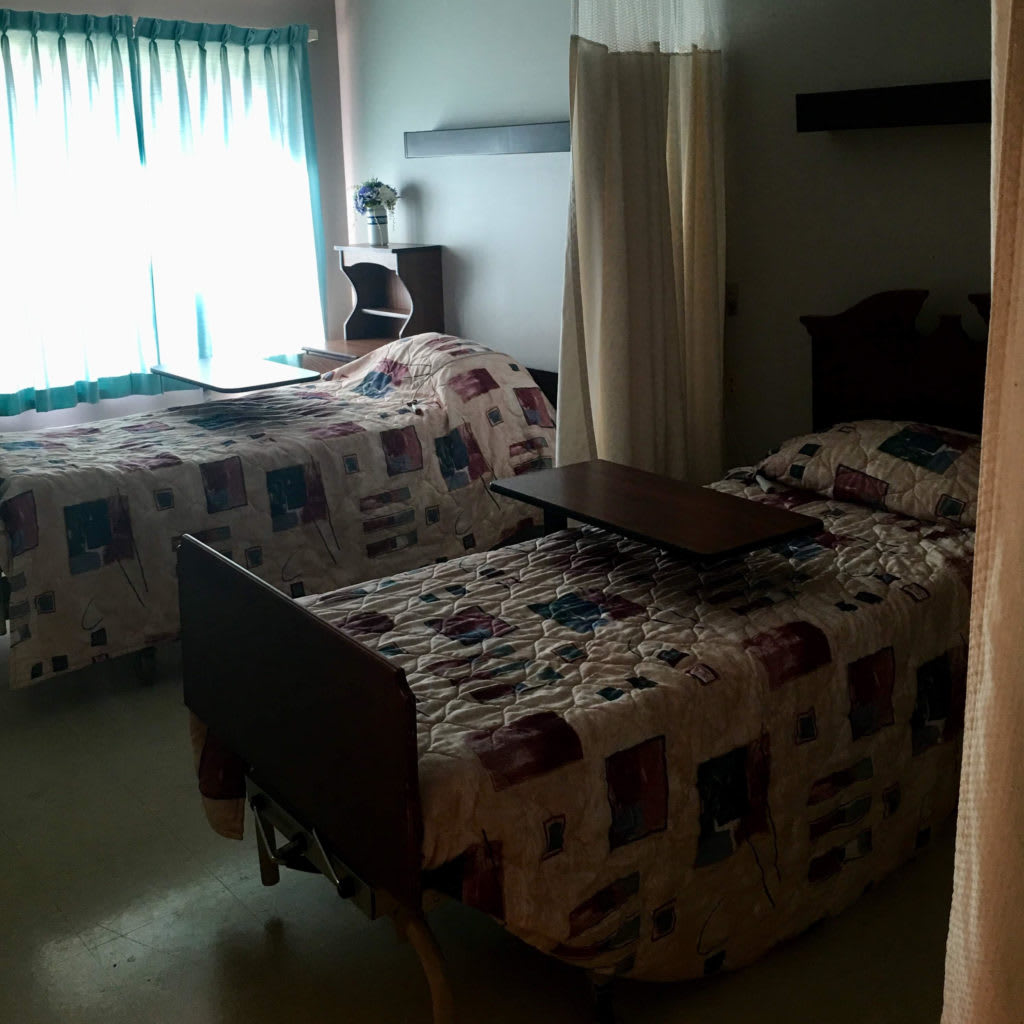
- The apartments were very small.
- The facility stores extra equipment in some of the apartments, and it looked trashy.
- The area where deliveries are received looked trashy.
- The smoking station in the building is a turnoff.
- There aren’t quite enough activities for residents to do.
Review
Who this community is best suited for: This campus works best for seniors who want a straightforward, budget‑conscious option in a small‑town setting and who value a quiet, homey atmosphere over high‑end amenities. The Gardens at Moweaqua portion provides a roomy, uncomplicated lay‑out with floors and common areas that feel practical rather than flashy, which suits residents who appreciate predictable routines and a hands‑on staff presence. Those evaluating options for a loved one who doesn’t demand a bustling social calendar but does need reliable daily support, clean spaces, and the comfort of a campus that can handle independent living alongside more assisted care will find this a sensible match. It is especially reasonable for families seeking proximity to familiar surroundings and a facility that can evolve with care needs on one campus.
Explicitly, who may want to consider alternatives: Families seeking a more dynamic resident life will likely find the activity slate and communal dining less compelling here. If a loved one requires robust, around‑the‑clock monitoring or frequent, immediate assistance for mobility risks, the reviews raise questions about consistent supervision and response times. Additionally, those who prize larger, more modern apartment layouts or a dining environment where meals are consistently social experiences may want to look at other options with bigger rooms, busier activity calendars, and more expansive common areas. In short, this community is not the top pick for residents who crave high‑energy programming or substantial apartment upgrades.
How the key pros offset the main cons: The strongest advantages are steady, 24/7 staffing and a clean, well‑kept environment, plus a cost structure that often sits below competing facilities. The Gardens can feel more spacious than expected, and the staff’s willingness to tailor spaces, such as painting apartments before move‑in, signals a practical, resident‑centred approach. The on‑site rehab and nursing support on a familiar campus helps families by reducing the need for constant transitions between locations. Renovation plans further demonstrate a commitment to reinvesting in the property, which mitigates concerns about dated interiors. When paired with a reasonable price point and the comfort of a small‑town atmosphere, these positives can outweigh some shortcomings for residents who value stability and straightforward care.
Where the main drawbacks land and how they’re mitigated or not: A few units reportedly suffer from smaller living spaces, and some storage practices (equipment kept in apartments, back‑area deliveries) can create a cluttered impression and raise safety or hygiene flags. The presence of a smoking station in a nearby building is an immediate turnoff for some families, and the back‑delivery area’s look matters to residents who value consistently tidy public spaces. Meals at times were described as solitary, which dampens social engagement for residents who depend on communal dining for meaningful interaction. Finally, activity offerings may not keep every resident fully engaged, especially those seeking a busier calendar or more varied programming. These factors don’t negate the care quality, but they do define who will feel fully satisfied.
Practical guidance for families evaluating this community: Seek a current, detailed activity calendar and observe a mealtime session to gauge social dynamics. Confirm the exact sizes of available apartments and whether move‑in customization remains flexible. Inquire about the scope and hours of rehab services, the process for transitioning between levels of care, and what monthly rates include versus what costs may be charged separately. Inspect the campus’s back and deliveries area to verify ongoing housekeeping standards, and clarify smoking policies and air quality measures if these are priorities. Finally, request recent references from families with loved ones in similar care levels and, if possible, arrange a day‑visit to see how staff interact in real moments of need.
Bottom line: For families prioritizing a calm, budget‑friendly setting with dependable caregiving and a home‑like feel, this community represents a solid, pragmatic option. It delivers reliable staffing, accessible care, and a willingness to customize to individual tastes, tempered by a modest activity slate and some spatial and ambience trade‑offs. Those whose loved one thrives on meaningful social engagement, larger living spaces, and a more polished, modern dining and recreation scene should actively compare alternatives in the area. A guided tour, a careful review of the current activity calendar, and a candid discussion about fall prevention and response times will reveal whether the fit is right.
 1-bedroom apartments
 Assisted Living
 Independent Living
 Activities on-site
 Beautician on-site
 Cable or satellite TV
 Cafe
Cafe Devotional services off-site
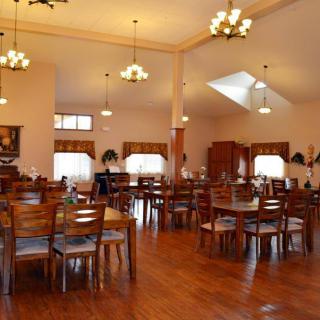
 Dining room
 Garden
 Housekeeping services
 Indoor common areas
 Kitchenette
 Laundry
 Party space
 Resident parking
 Wi-Fi/high-speed internet available
 Ambulatory care
 Diabetic care
 Personal care assistants
 Meals provided
 Arts and crafts
 Book club
 Cooking club
 Educational speakers / life long learning
 Games
Games Live musical performances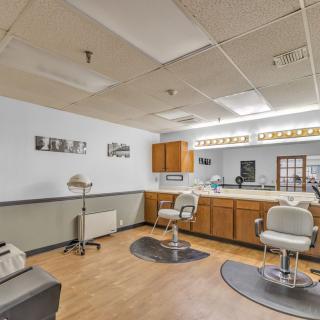


 Choosing the Right Senior Care: A Detailed Exploration of Assisted Living and Nursing Homes
 Understanding the True Cost of Assisted Living in 2025: A Comprehensive Guide
 Understanding Medicaid Coverage for Assisted Living: A Comprehensive Guide