For more information about senior living options: (866) 208-4318
4.6 from 62 reviews
5 stars
53
4 stars
3
3 stars
1
2 stars
2
1 stars
3
Cedar Lake Assisted Living and Memory Care Costs & Pricing
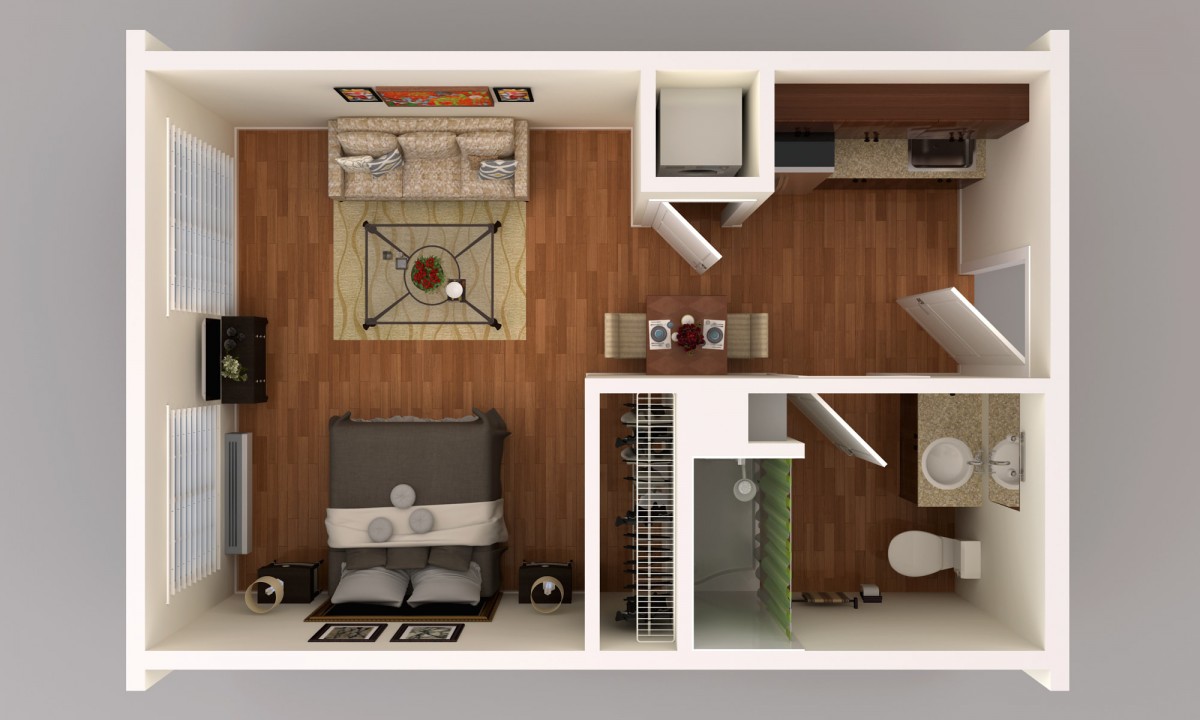
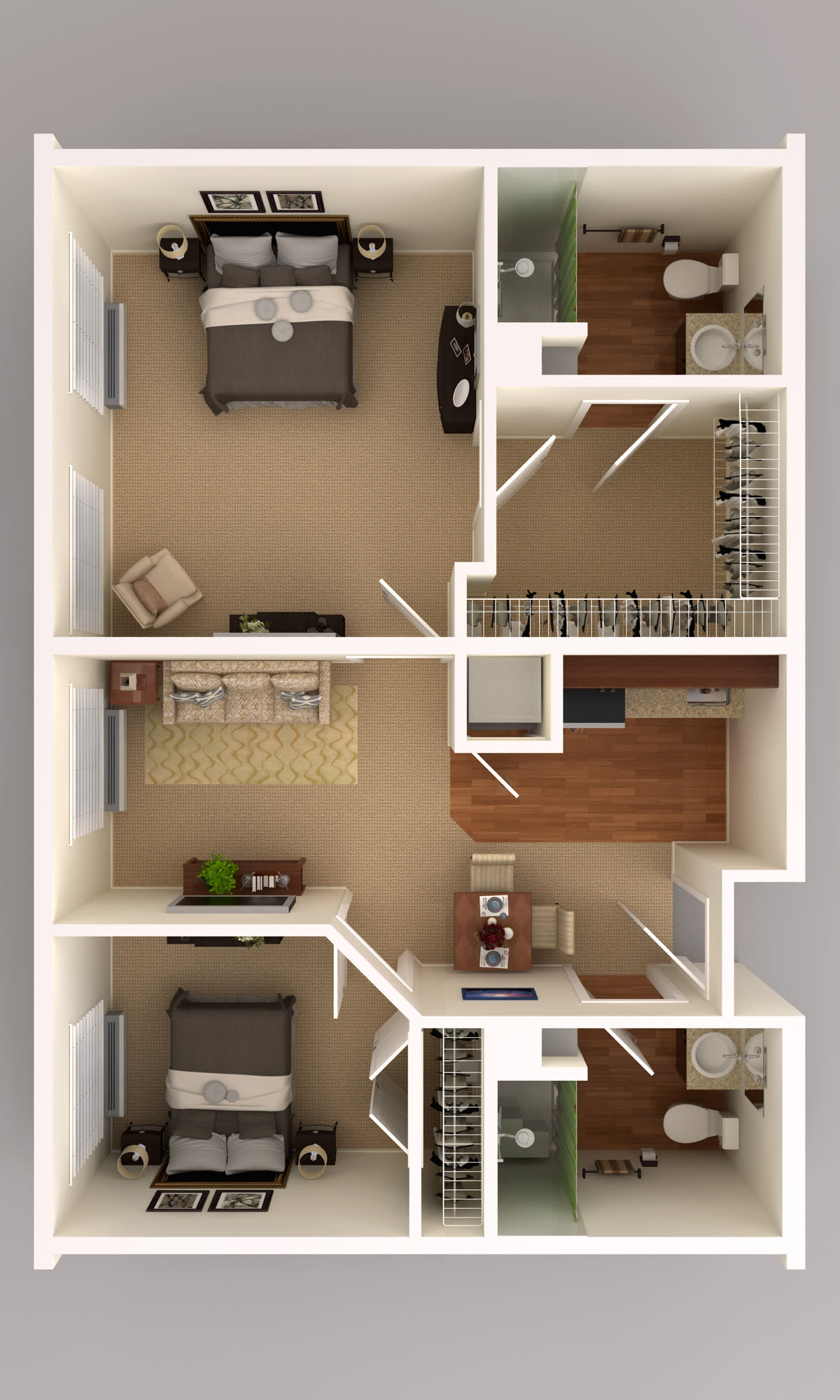
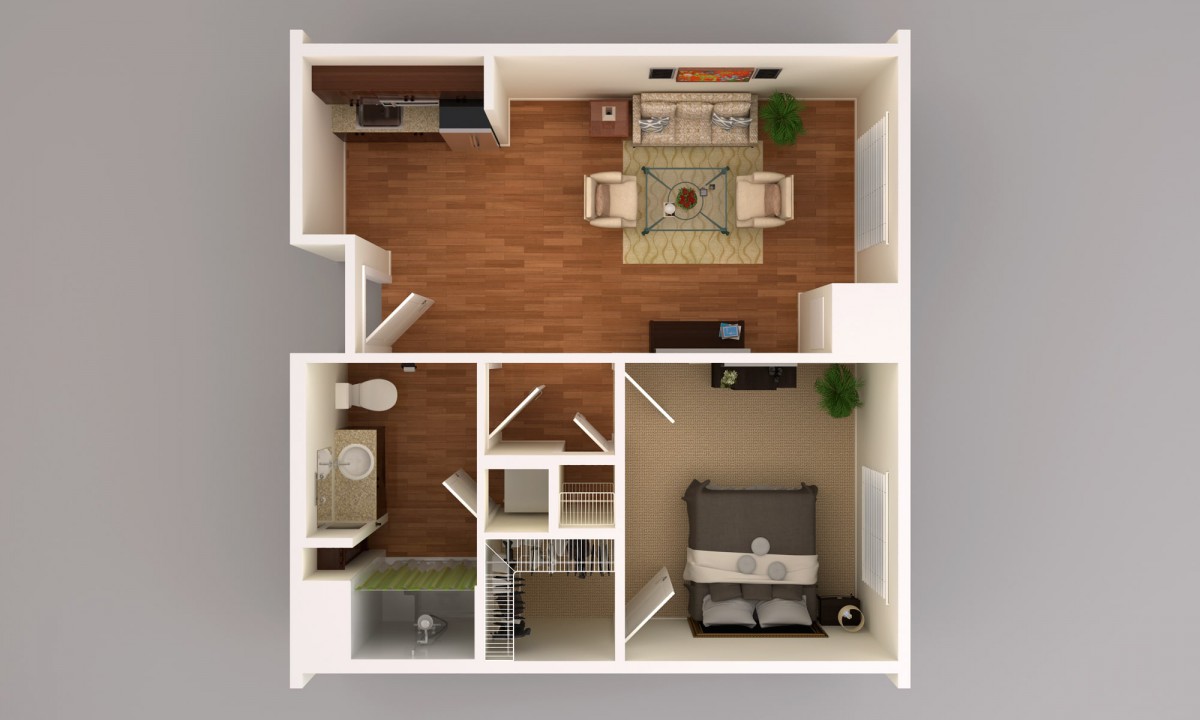
Cedar Lake Assisted Living and Memory Care offers competitive pricing compared to the broader market in Lake County and the state of Illinois. For instance, a studio room at Cedar Lake is priced at $3,440, significantly lower than the Lake County average of $4,770 and the state average of $4,028. The one-bedroom option also presents an attractive value at $3,820, which is competitively priced against both county and state averages of $4,157 and $3,527 respectively. Although the two-bedroom suite is listed at $5,590 - higher than both county ($4,502) and state averages ($4,208) - the overall cost structure indicates that Cedar Lake provides residents with quality care at appealing rates for various living arrangements. This balance of pricing suggests a commitment to affordability while maintaining high standards of care in a desirable living environment.
Floor plans
Cedar Lake Assisted Living and Memory Care
Lake County
Illinois
Studio
$3,440
$4,770
$4,028
1 Bedroom
$3,820
$4,157
$3,527
2 Bedrooms
$5,590
$4,502
$4,208
Memory care communities with a similar price nearby
Overall Review of Cedar Lake Assisted Living and Memory Care
differentiator12 reviews mention this
Care team support stands out
Residents and families frequently highlight hands-on nursing and responsive support.
Multiple reviews describe attentive nursing and quick attention during concerns, including medication handling and emergency readiness in memory care. Families also mention feeling informed about health changes and supported with day-to-day care needs. The community’s care offerings include medication management, meal preparation and service, and supervision designed for assisted living and memory care.
common28 reviews mention this
Staff friendliness and professionalism
The most consistent praise is the staff’s friendly, caring attitude.
Across reviews, people describe the staff as welcoming, kind, and professional, including front desk and nursing staff. Several reviewers also mention strong communication and feeling that caregivers know residents as individuals. That consistent tone aligns with what the community offers day-to-day, including assistance with activities of daily living and support with bathing, dressing, and transfers.
common19 reviews mention this
Clean, bright building feel
Many reviewers point to a clean, well-kept, bright facility.
Reviewers repeatedly describe the building as clean and well maintained, with an organized, thoughtfully designed layout. Several specifically mention bright common areas and a home-like feel that helps with transitions. The community also lists features such as housekeeping services, indoor common areas, and private bathrooms, which match the kind of “kept up” experience residents describe.
common14 reviews mention this
Activities and social programming
Residents frequently mention a full calendar of activities and events.
Many reviews describe a lively mix of scheduled activities, day trips, and resident programs that keep people engaged. Memory care reviewers also talk about structured engagement that balances stimulation with rest. This lines up with the community’s offered activities off-site and on-site, along with fitness programs and community-sponsored outings.
caveat4 reviews mention this
Food quality gets mixed notes
Food is praised by some, but a few residents report it needs improvement.
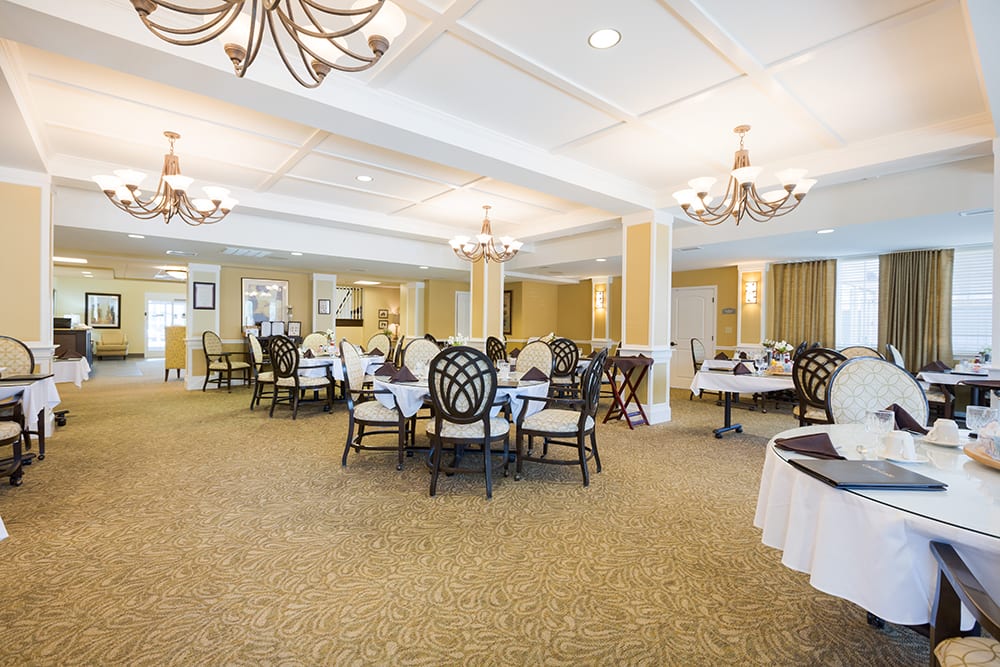
Several reviewers say the meals are delicious and that dining staff provide good service, including discussion of plentiful, varied options. At the same time, a handful of reviews mention food being repetitive or not as satisfying. The community offers restaurant-style dining and special dietary options, including low/no sodium and no-sugar meal services, which may help explain why experiences can vary by preference.
caveat4 reviews mention this
Staffing and communication concerns
A few reviews describe lapses in communication and attention to care needs.
Some families report feeling they were not properly updated about changes in care, with difficulties getting calls returned or concerns addressed promptly. Others describe safety and staffing issues, including supervision concerns after falls. These complaints contrast with the many reviews that describe quick responsiveness and clear communication, so it appears experiences are not uniform across every period and situation.
How we summarize
Counts show how many written reviews mention each theme; a review can touch several themes, and only frequently mentioned themes are displayed.
Features
Housing
86 resident community capacity
Types of Care
Assisted Living
Memory Care
Respite Care
Amenities
Activities off-site
Activities on-site
Air-conditioning
Beautician on-site
Beauty salon
Cable or satellite TV
Computer center
Devotional services off-site
Devotional services on-site
Dining room
Fitness room
Fully furnished
Gaming room
Garden
Ground floor units
Handicap accessible
Housekeeping services
Indoor common areas
Kitchenette
Move-in coordination
Outdoor common areas
Outdoor space
Private bathrooms
Restaurant-style dining
Small library
Telephone
Wellness center
Wheelchair accessible showers
Wi-Fi/high-speed internet available
Transportation
Chicago O'Hare International (18 miles away)
Community operated transportation
Transportation arrangement
Transportation arrangement (non-medical)
Transportation to doctors appointments
Care Services
12-16 hour nursing
24-hour call system
24-hour supervision
Activities of daily living assistance
Ambulatory care
Assistance with bathing
Assistance with dressing
Assistance with transfers
Diabetes diet
Diabetic care
High acuity care
Incontinence care
Meal preparation and service
Medication management
Mental wellness program
Mild cognitive impairment
Special dietary restrictions
Specialized memory care programming
Dining
Anytime dining
Diabetes diet
Guest meals
Low / no sodium
Meals provided
No Sugar
Restaurant style dining
Special dietary restrictions
Special dining programs
Vegetarian
Activities
Art classes
Catholic services
Community-sponsored activities
Concierge services
Cooking classes
Day trips and outings
Devotional activities offsite
Devotional activities on-site
Educational speakers / life long learning
Fitness programs
Happy hour
Karaoke
Planned day trips
Protestant services
Resident-run activities
Scheduled daily activities
Visiting chaplain or priest
Wine tasting
Nearby Places of Interest
This part of Lake Zurich, Illinois offers a variety of conveniences and amenities that cater to senior living. With several pharmacies in close proximity, accessing medication and healthcare services is easily manageable. Additionally, there are multiple restaurants and cafes nearby for dining options. For recreational activities, there are several parks within driving distance, providing opportunities for enjoying nature and staying active. In terms of healthcare, there are reputable physicians and hospitals in the area to address any medical needs. The presence of public transportation options such as Metra stations allows for easy access to surrounding areas. Overall, this part of Lake Zurich offers a well-rounded community with access to essential services for seniors looking for a comfortable and convenient living environment.
Restaurants
Phase 3 Brewing (0.5 miles)
Chick-Fil-A (3.7 miles)
McDonald's (4.4 miles)
Docks Bar & Grill (4.5 miles)
Lindy's Landing (4.7 miles)
Buffalo Creek Brewing (4.8 miles)
Greg's Frozen Custard (5 miles)
Places of Worship
St Francis de Sales Parish (0.9 miles)
Santa Maria Del Popolo Church (5.5 miles)
St Thomas Of Villanova (7.3 miles)
United Methodist Church of Libertyville (8.4 miles)
Willow Creek Community Church (8.5 miles)
Pharmacies
Walgreens (1.5 miles)
Walgreens (2.3 miles)
Walgreens (4.4 miles)
CVS Pharmacy (4.5 miles)
CVS Pharmacy (4.8 miles)
Walgreens (5.1 miles)
CVS Pharmacy (5.1 miles)
Parks
Cuba Marsh Forest Preserve (2.5 miles)
Century Park (6.7 miles)
Converse Park (7.1 miles)
Lions Park (7.3 miles)
McHenry County Conservation District (7.9 miles)
Butler Lake Park (8.1 miles)
Lake Arlington (8.8 miles)
Cafes
Cafe Zupas (3.8 miles)
Starbucks (4.5 miles)
Starbucks (5.3 miles)
Starbucks (5.7 miles)
Starbucks (6.9 miles)
Panera Bread (7.3 miles)
Conscious Cup Coffee Roasters (8.4 miles)
Physicians
Lake Cook Orthopedic Assoc (4.6 miles)
Northern Illinois Eye Clinic (4.6 miles)
Comprehensive Urologic Care (5.4 miles)
Associates In Integrated Care (6.1 miles)
Premier Eye Care & Surgery (6.3 miles)
Ritacca Laser Center (6.8 miles)
Lake Shore Dermatology (6.8 miles)
Hospitals
Advocate Good Shepherd Hospital (4.8 miles)
Advocate Condell Medical Center Heart Scan (7.8 miles)
Cedar Lake Assisted Living and Memory Care offers competitive pricing compared to the broader market in Lake County and the state of Illinois. For instance, a studio room at Cedar Lake is priced at $3,440, significantly lower than the Lake County average of $4,770 and the state average of $4,028. The one-bedroom option also presents an attractive value at $3,820, which is competitively priced against both county and state averages of $4,157 and $3,527 respectively. Although the two-bedroom suite is listed at $5,590 - higher than both county ($4,502) and state averages ($4,208) - the overall cost structure indicates that Cedar Lake provides residents with quality care at appealing rates for various living arrangements. This balance of pricing suggests a commitment to affordability while maintaining high standards of care in a desirable living environment.
Cedar Lake Assisted Living and Memory Care is designed to enhance the quality of life for residents with dementia or Alzheimer's disease through a comprehensive range of services tailored to their unique needs. The 24-hour supervision ensures that residents are always safe and secure, while activities of daily living assistance fosters independence and dignity in everyday tasks. Personal support with bathing, dressing, and transfers addresses the physical challenges that can accompany cognitive decline, promoting comfort and self-esteem. Incontinence care provides sensitivity and respect for privacy, which is crucial in maintaining emotional well-being. Nutritionally balanced meal preparation and service not only cater to dietary needs but also foster social interaction during mealtimes. Medication management helps ensure residents adhere to their treatment plans effectively, while specialized memory care programming and mental wellness initiatives offer meaningful engagement tailored to cognitive abilities, enhancing mental stimulation and emotional health for those experiencing mild cognitive impairment or more advanced stages of dementia.
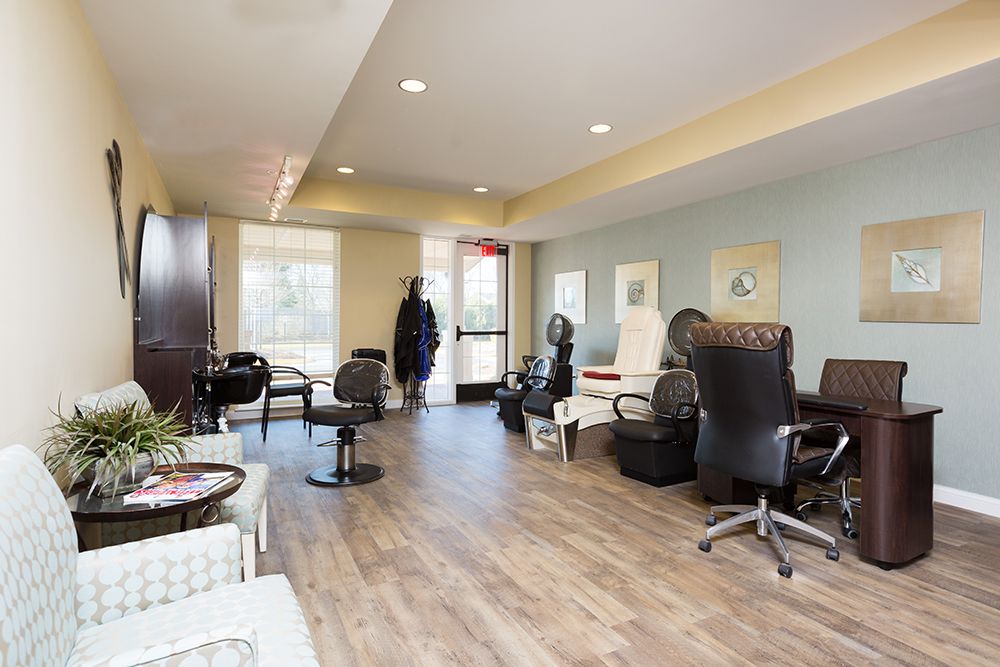
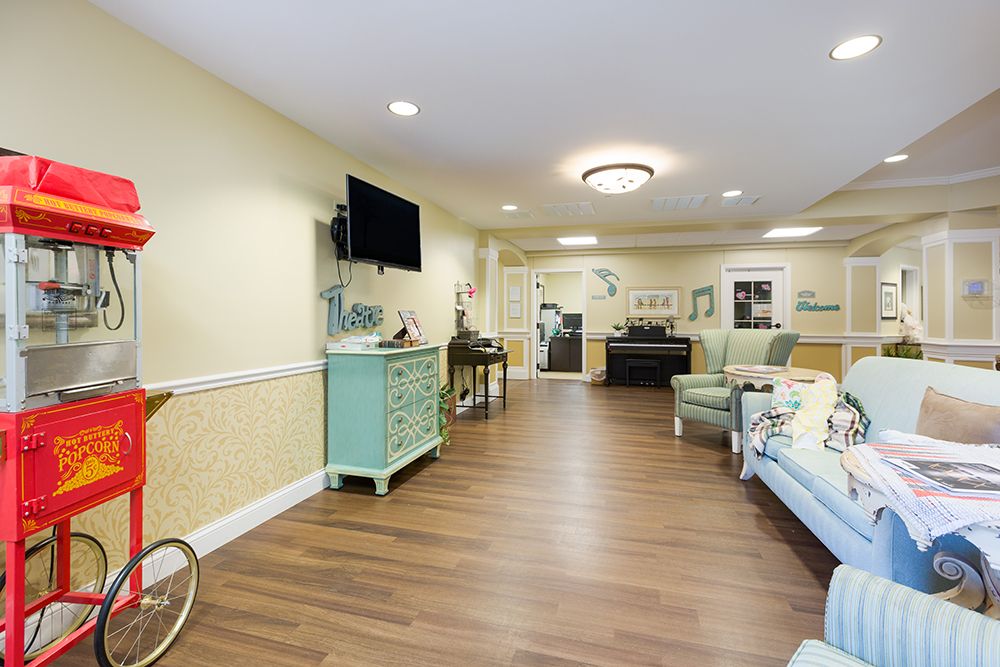
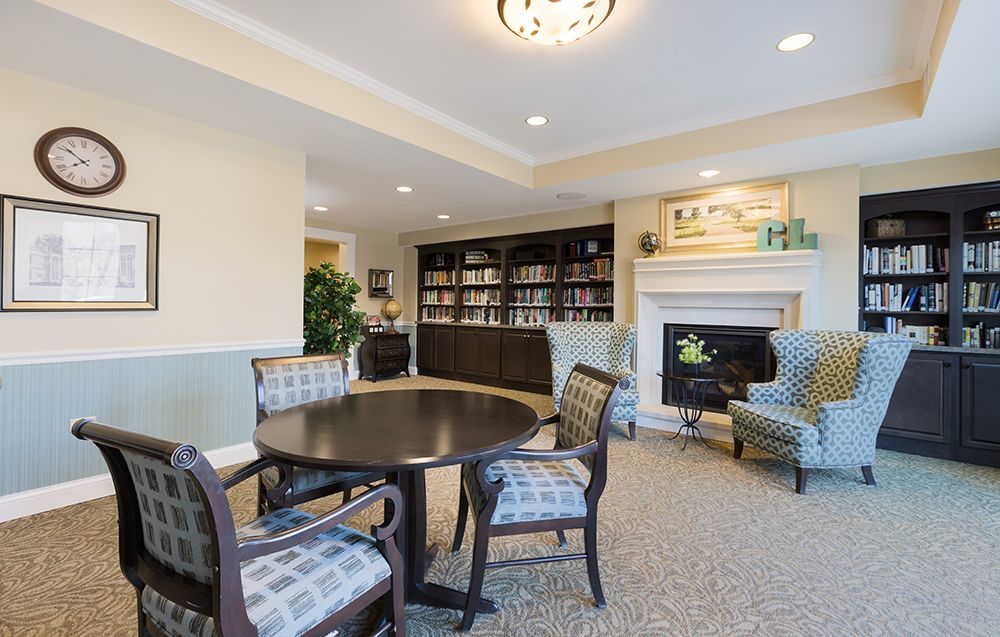
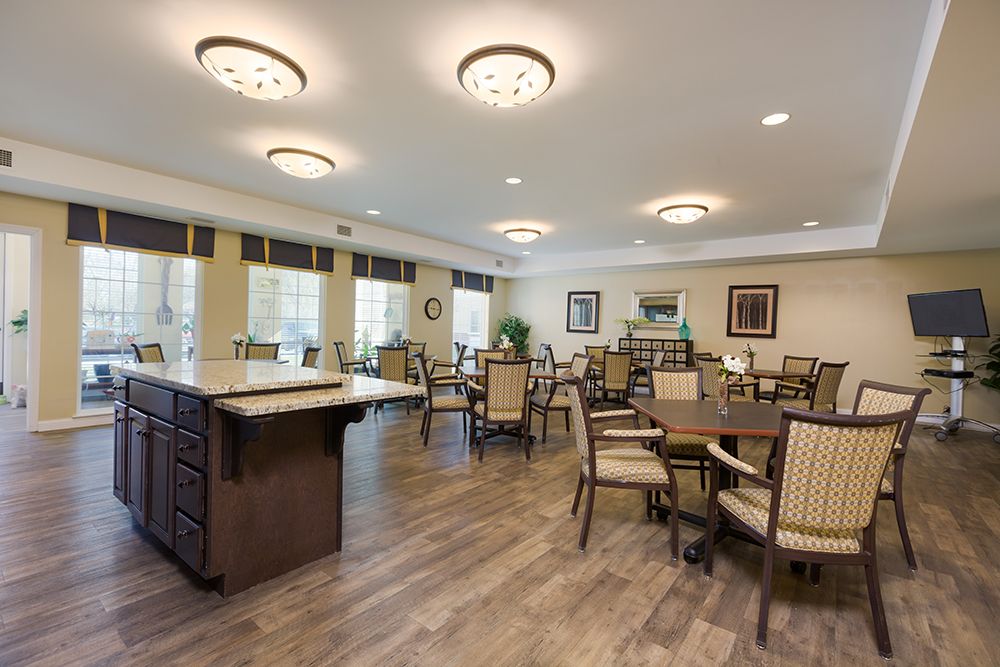
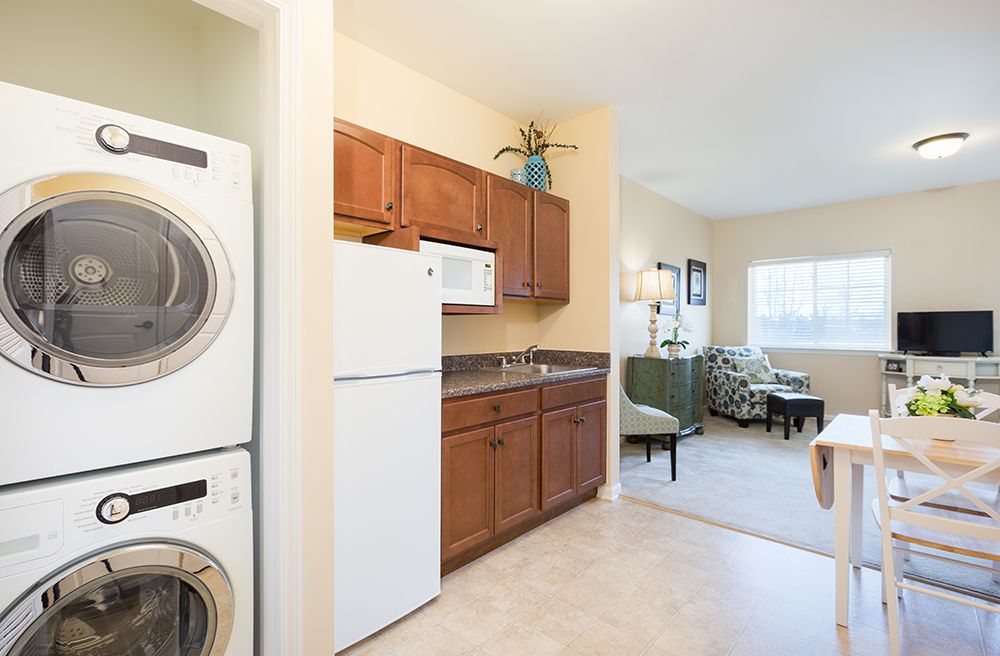
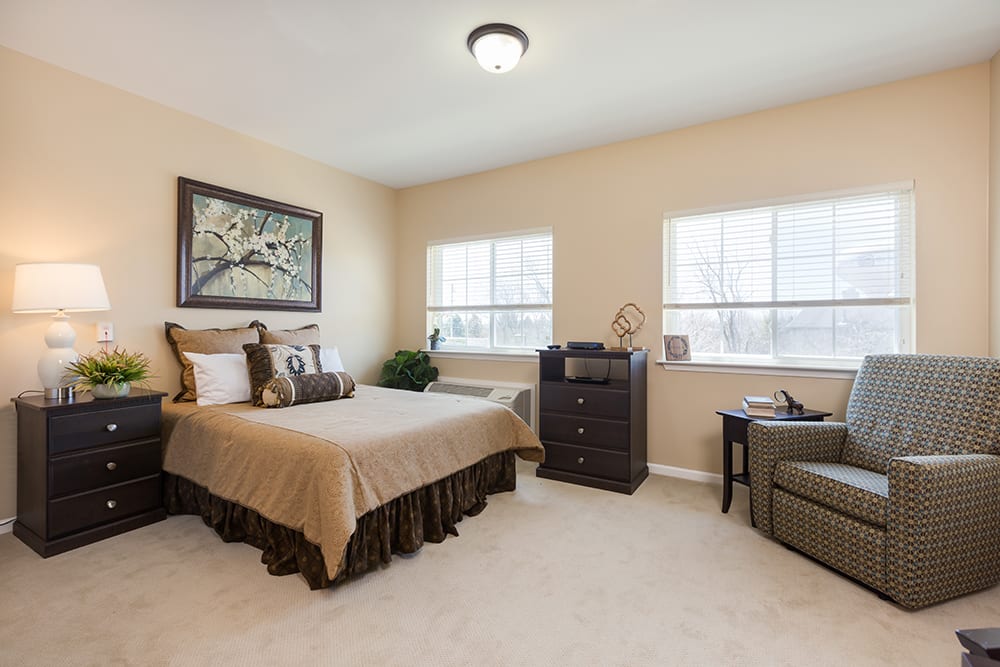
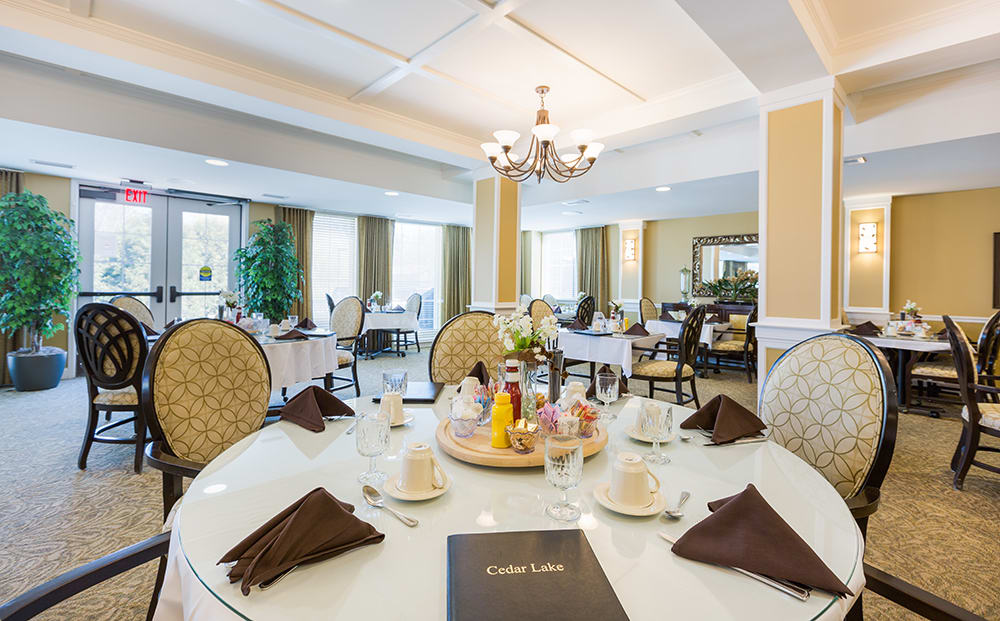
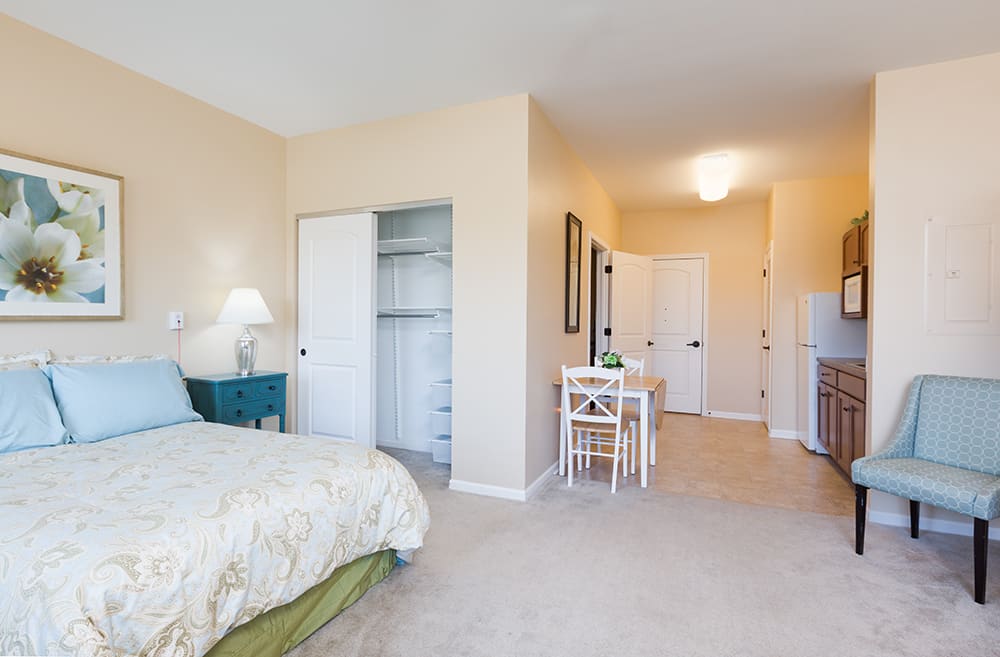
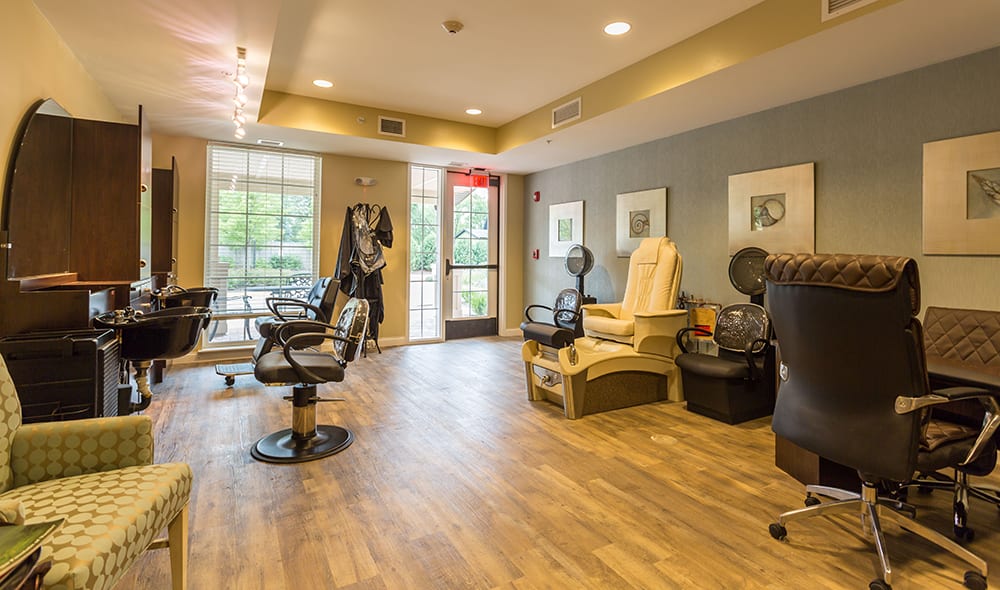
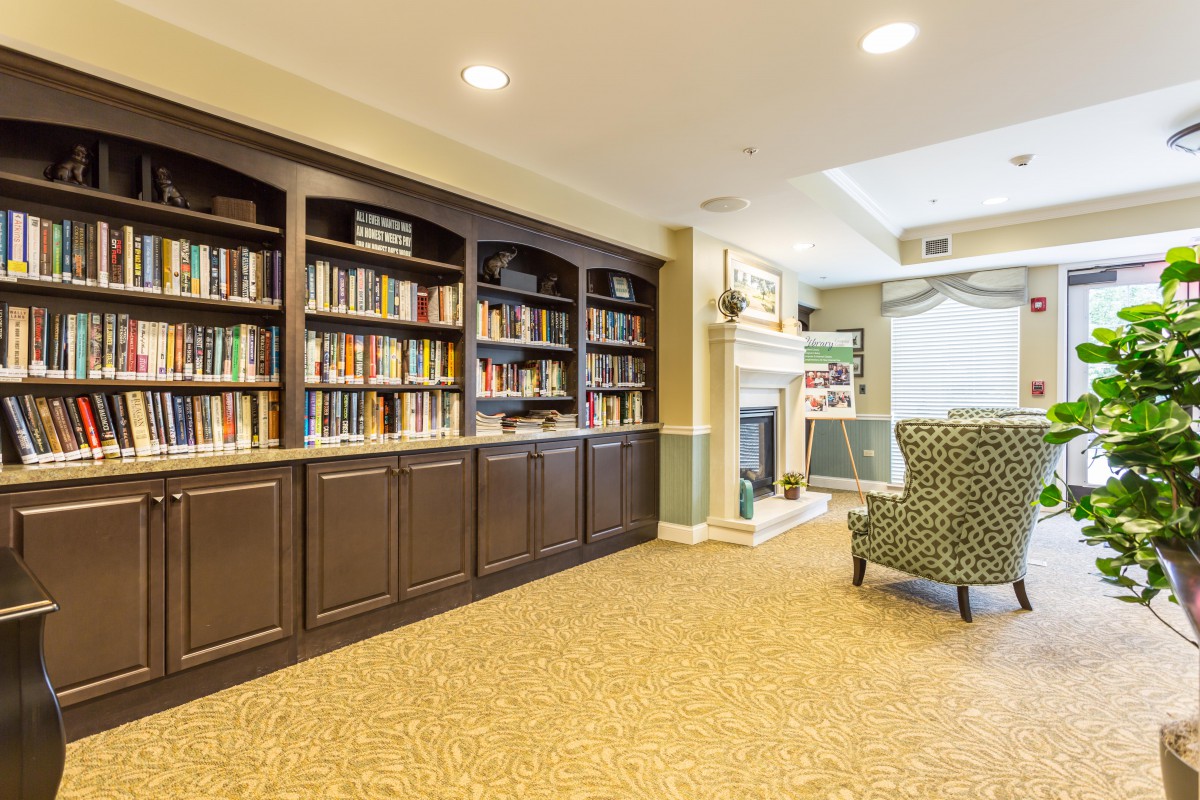
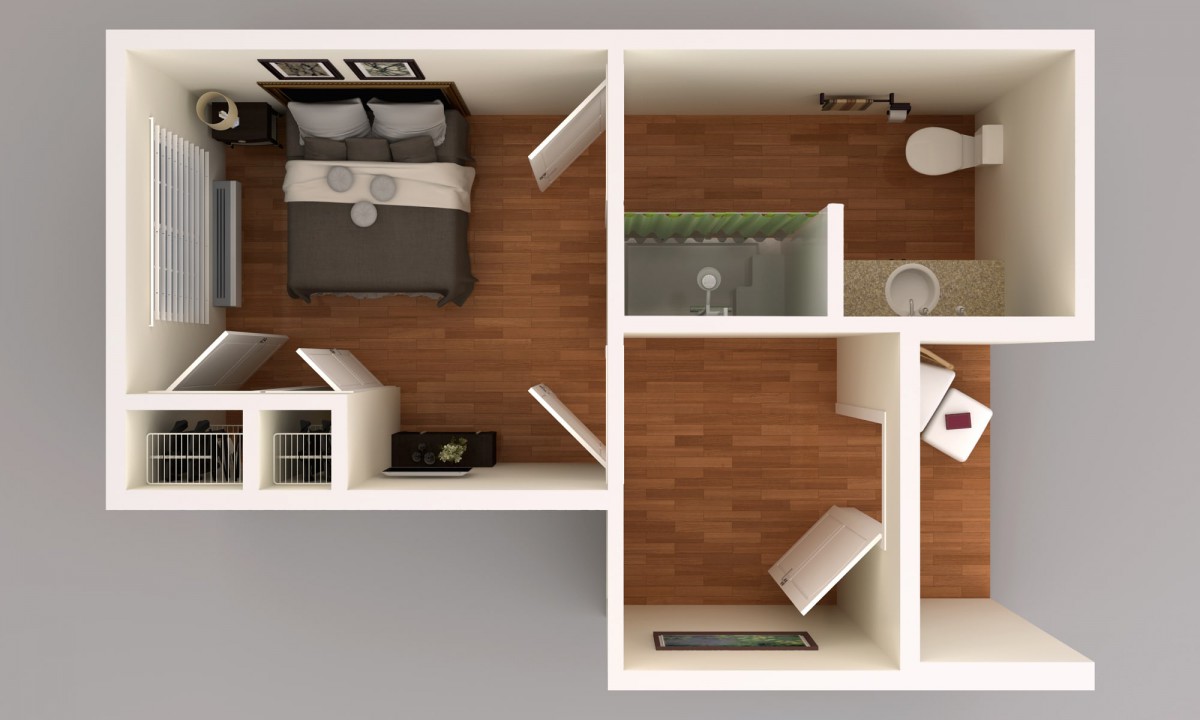
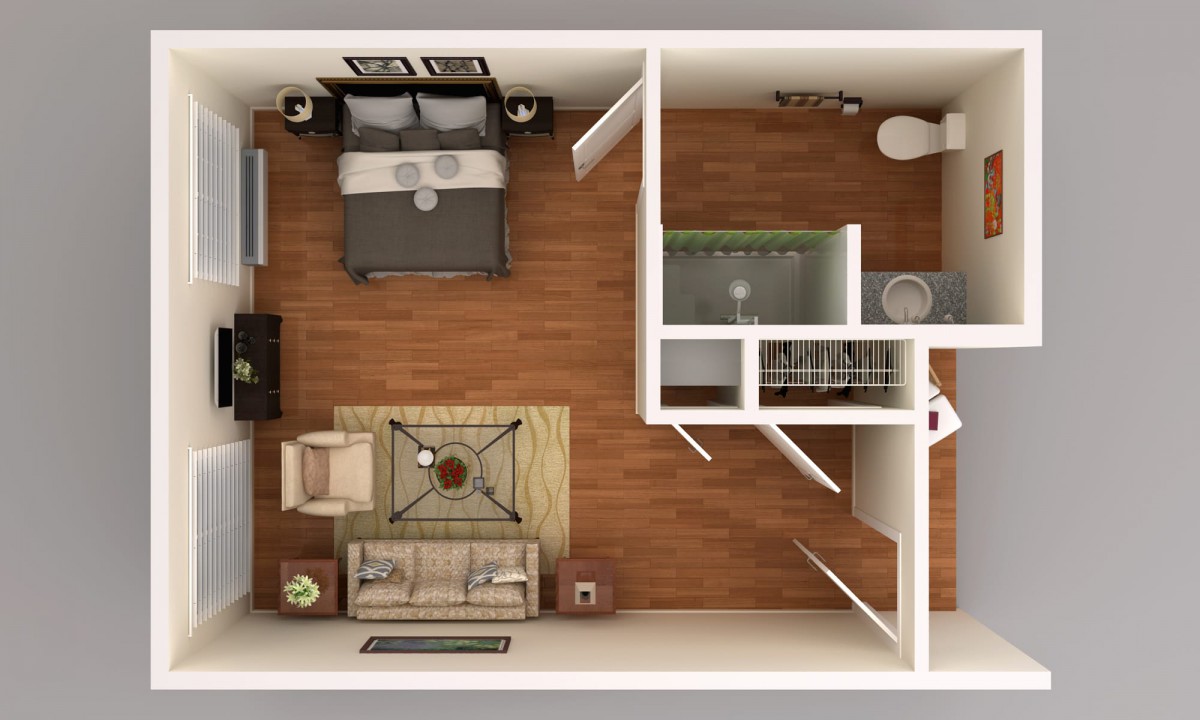
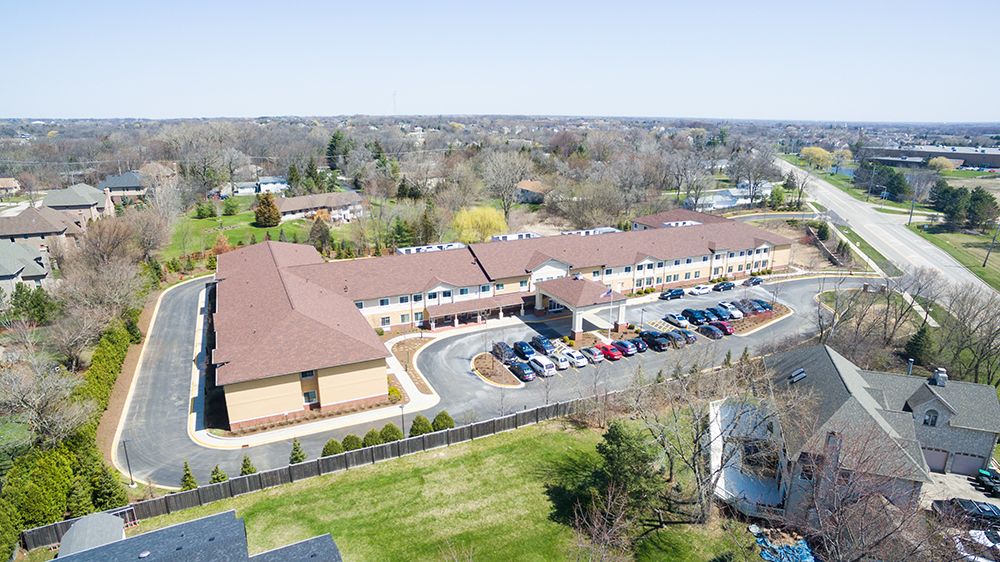
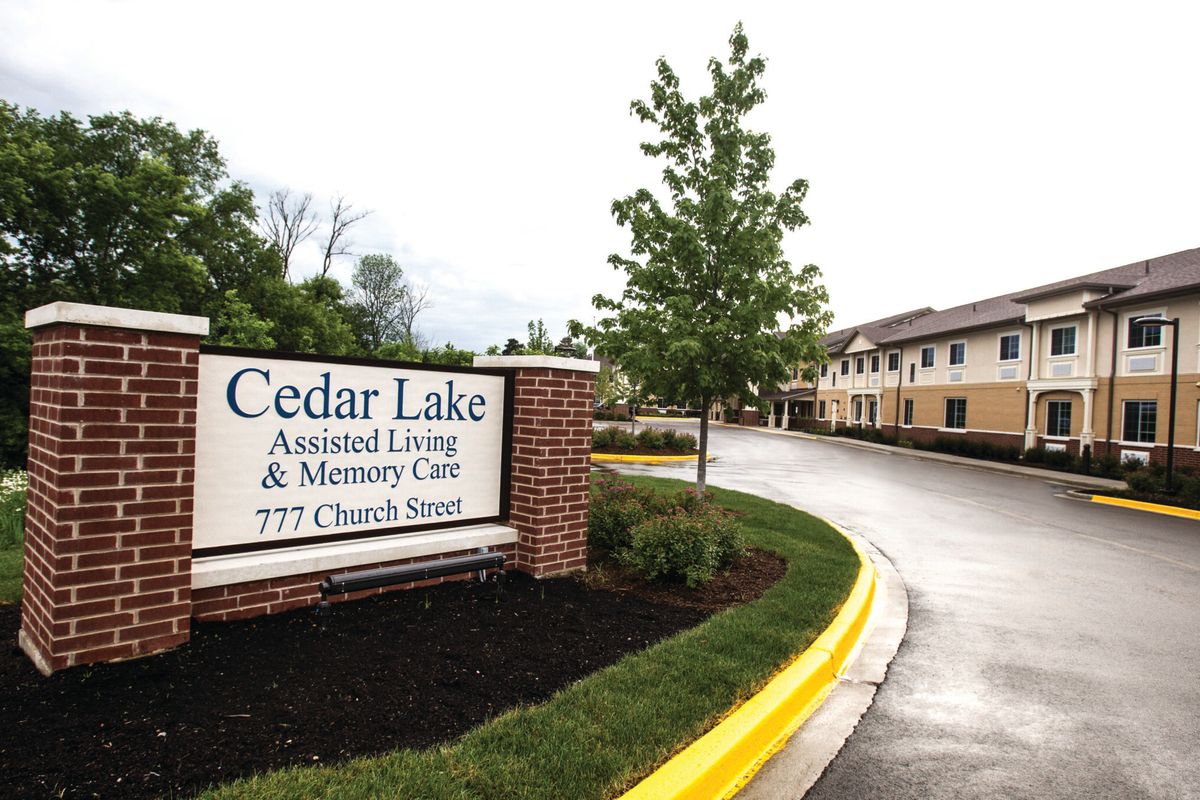
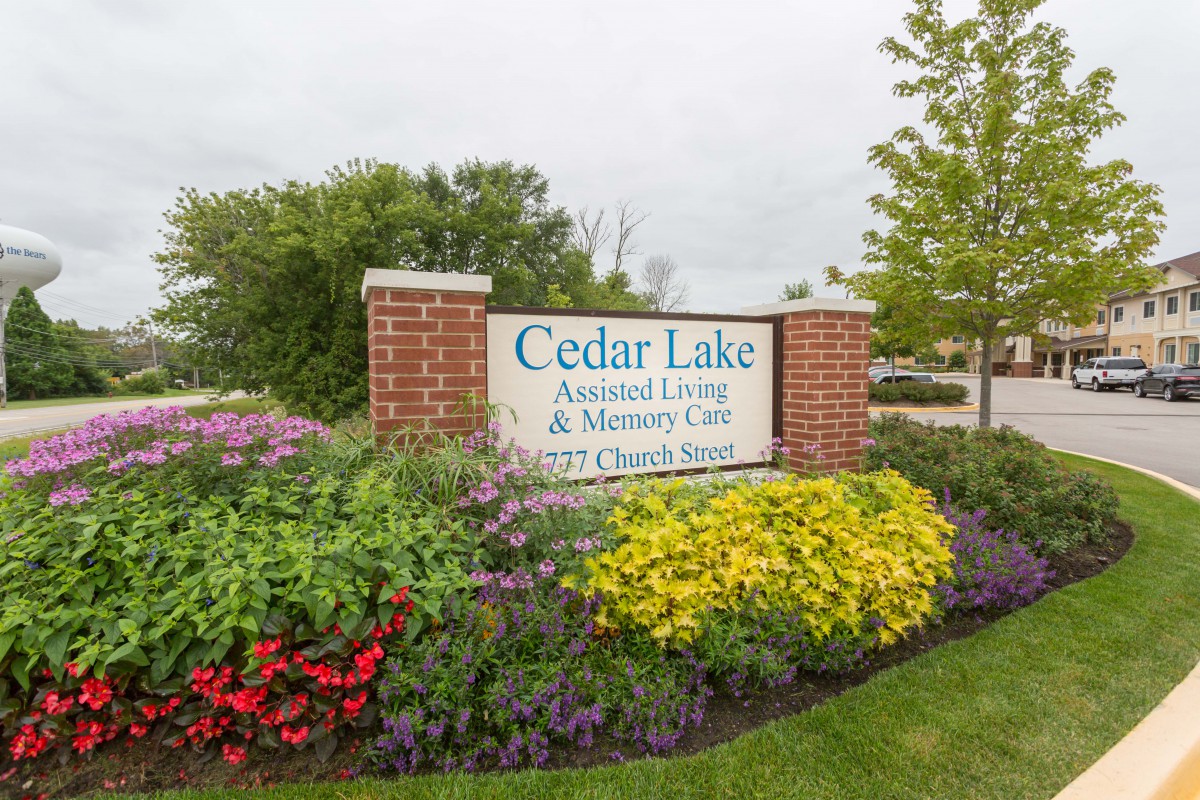
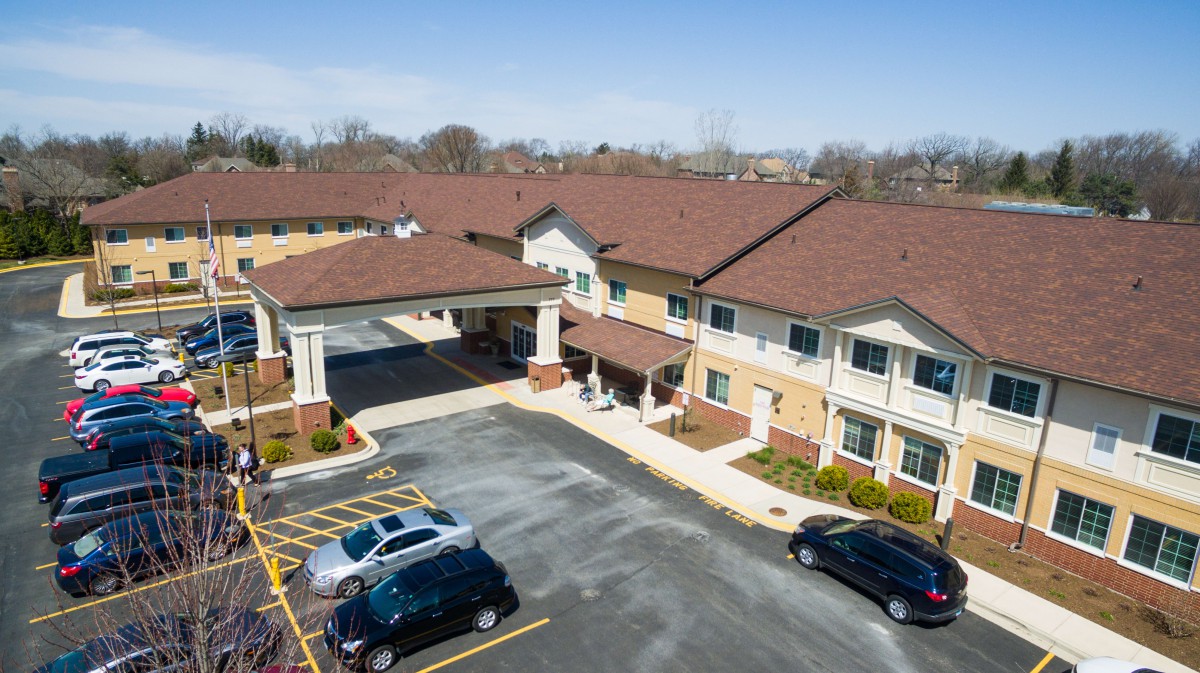
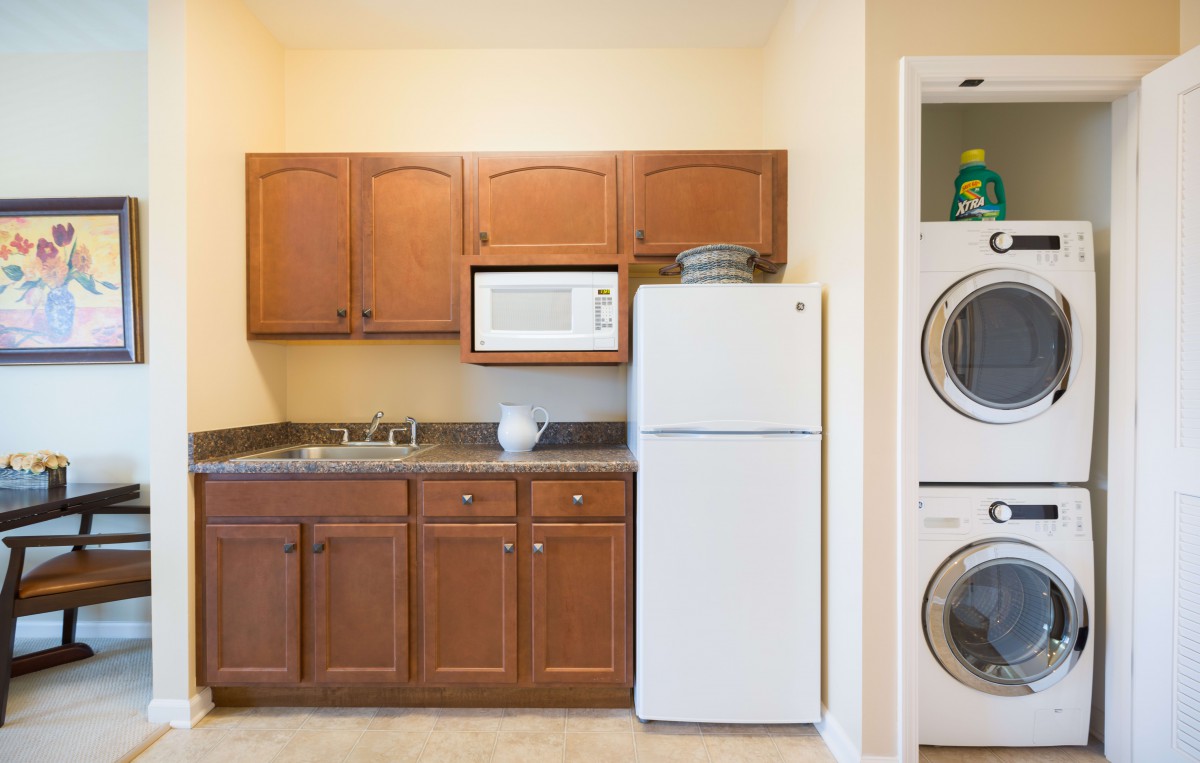
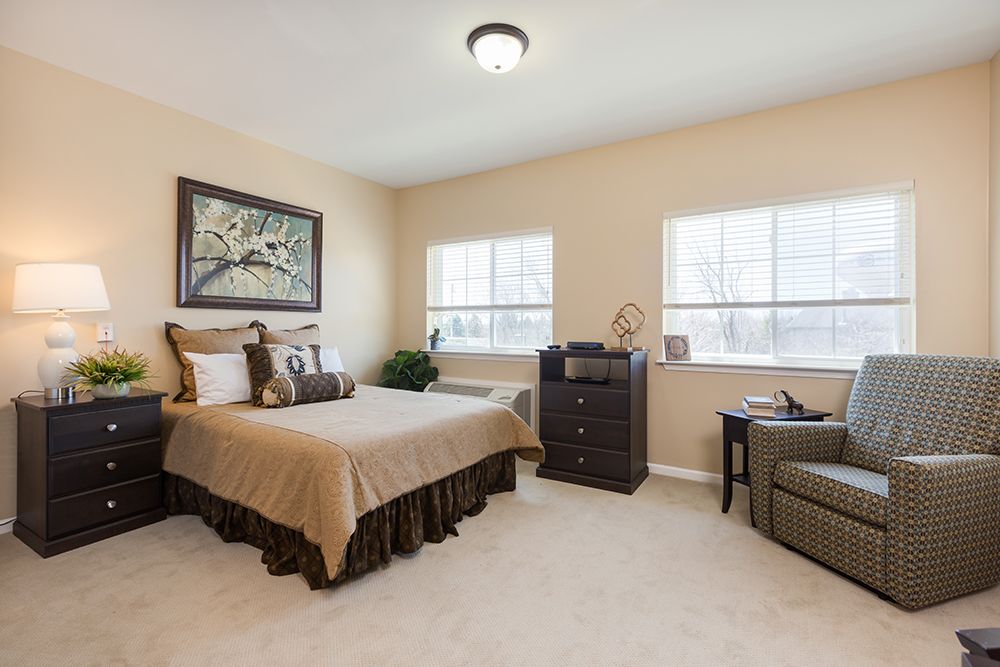
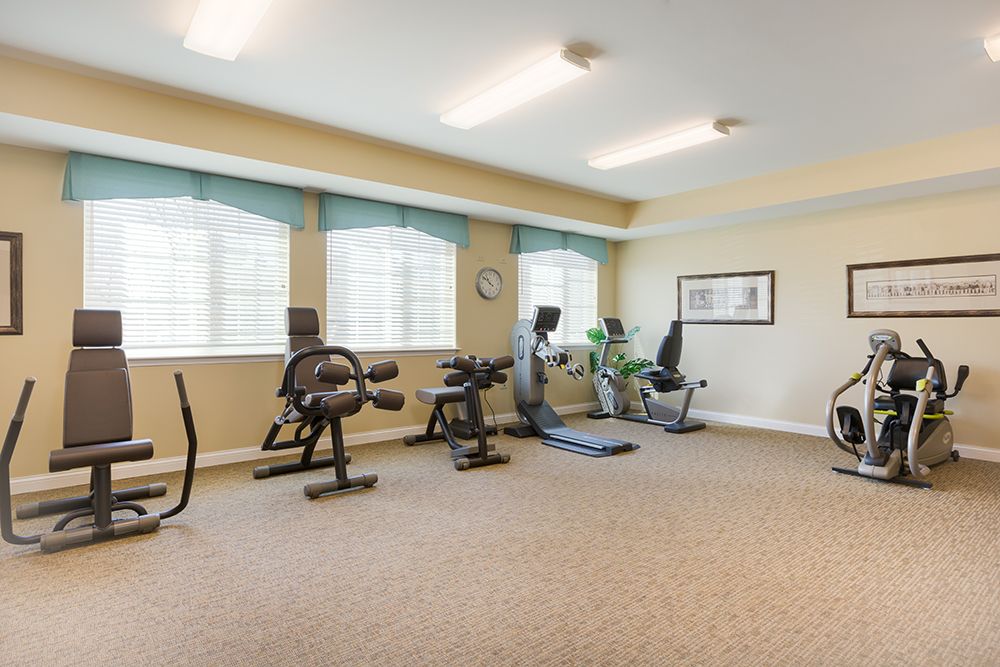
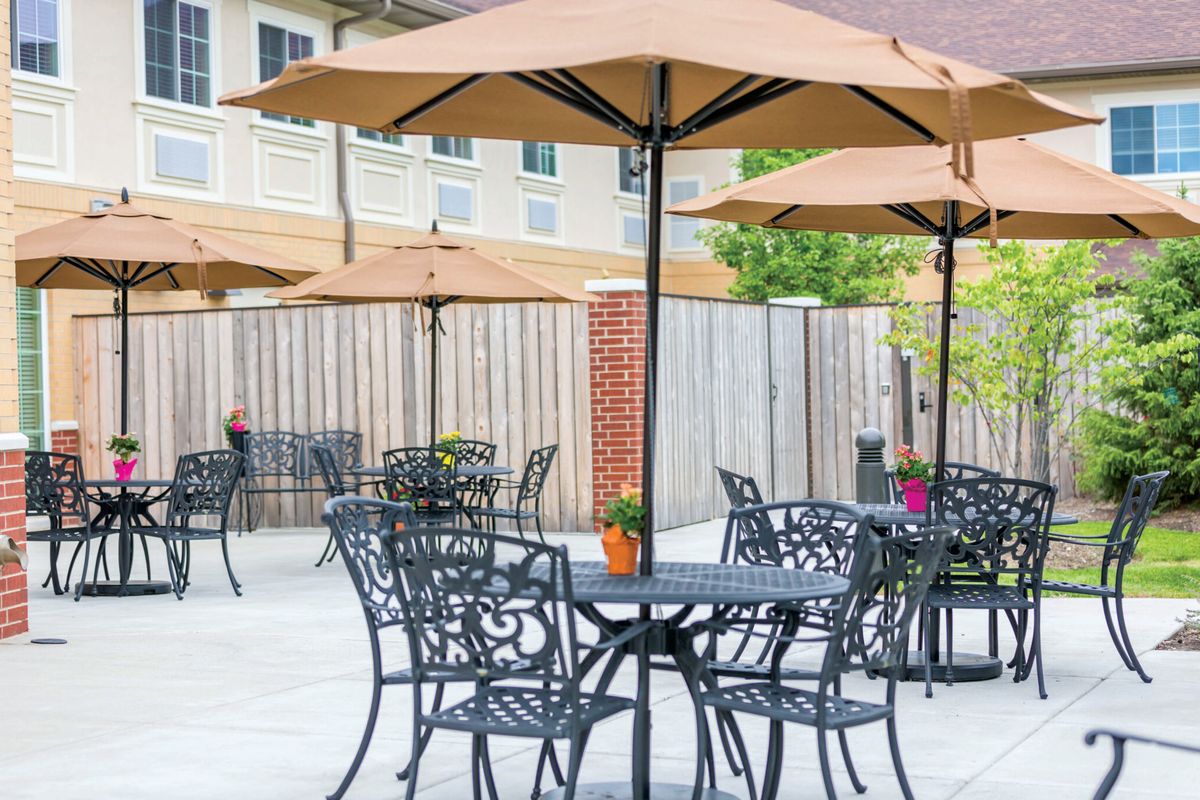
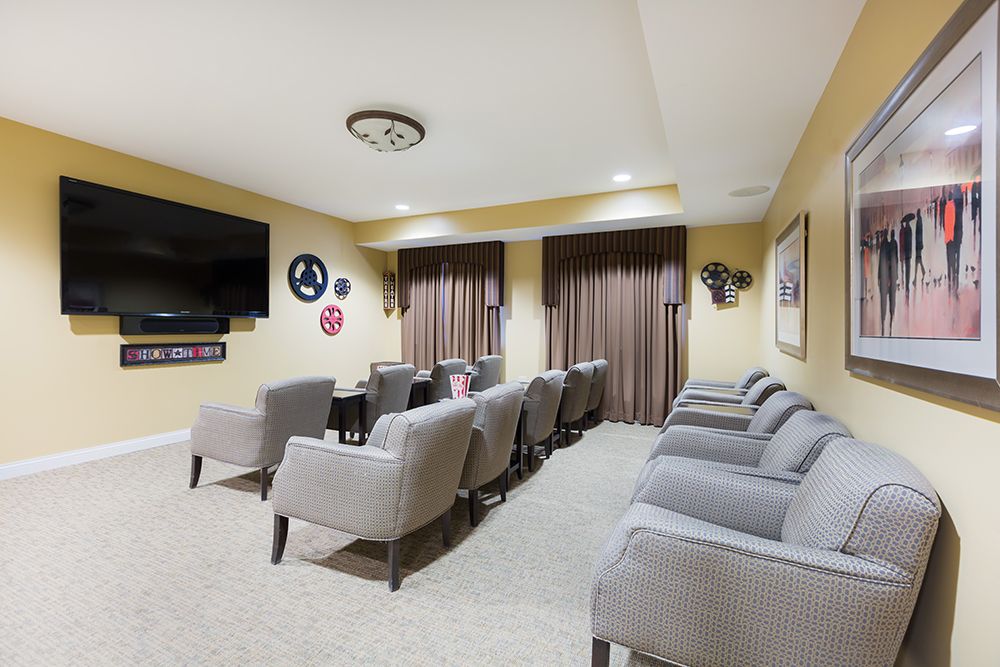
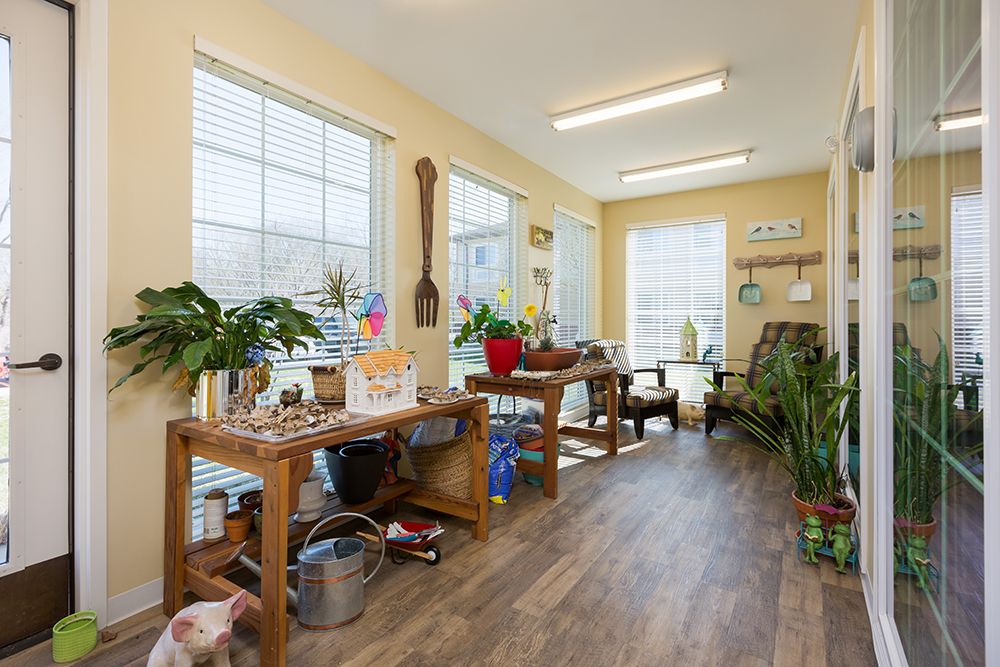
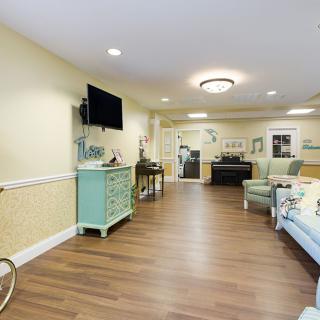
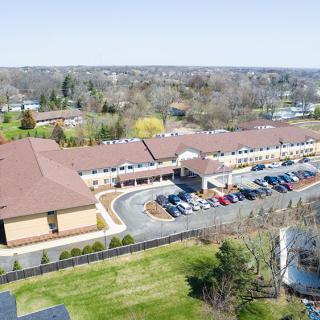
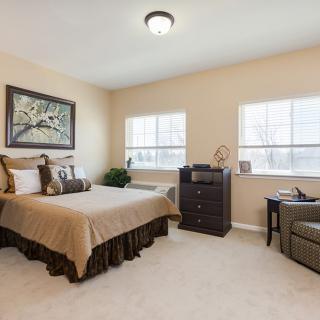
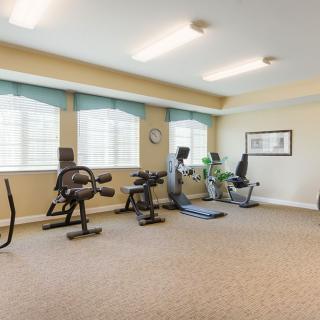
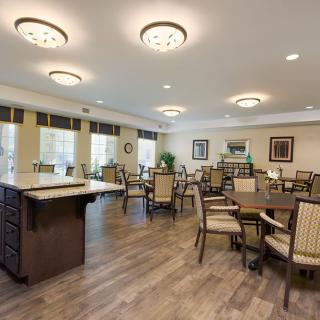
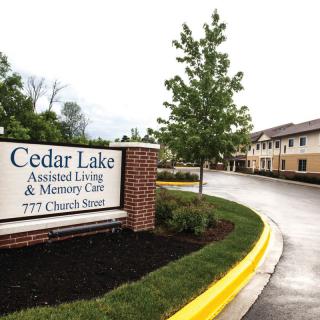
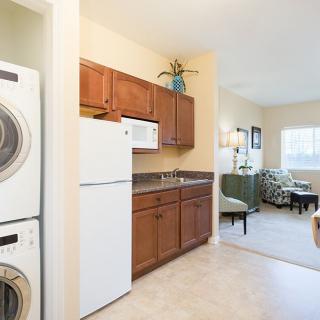
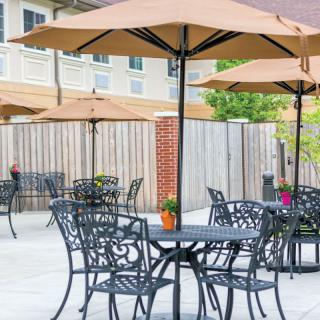
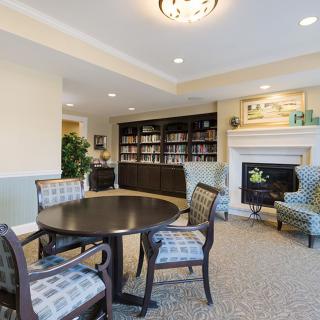
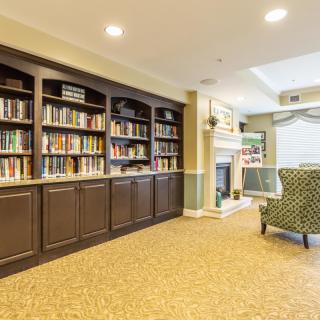
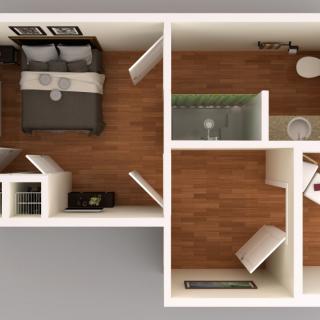
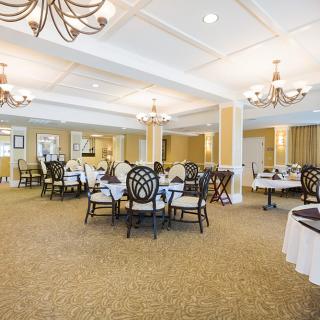
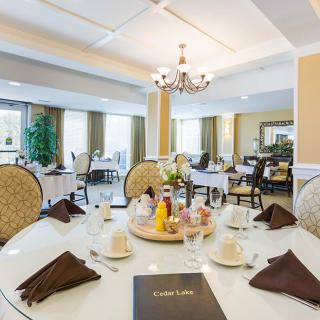
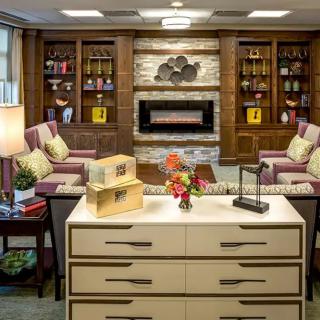
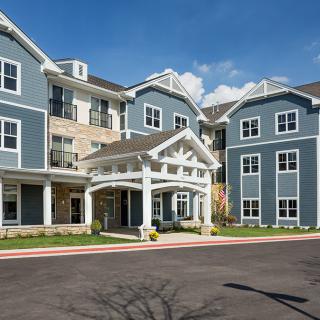
Cedar Lake Assisted Living and Memory Care on seniors.fyi includes 26 photos including images showing interior, floor plan, bedroom, windows, decor, dining, bathroom, kitchen, and more.
Nearby Communities
Midlothian Manor
Lake Zurich, IL
$1,300 / month
Very affordable studio pricing at $1,300/mo, well below local and state averages.
Zurich Meadows
Lake Zurich, IL
4.2 from 10 reviews
$795 to $965 / month
Modern, well-lit apartments with a convenient Lake Zurich location and an optional catered meal plan.
Azpira Place Of Lake Zurich
Lake Zurich, IL
4.8 from 24 reviews
Small, intimate community with fully furnished apartments and comprehensive 24/7 care, including memory care.
Azpira Place Lake Zurich
Lake Zurich, IL
4.7 from 75 reviews
$3,500 to $5,975 / month
Friendly staff, engaging activities, clean, hotel-like ambiance with chef-prepared dining.
Dementia often results in disrupted sleep patterns, leading to excessive daytime sleeping due to factors like brain damage affecting circadian rhythms, medication side effects, and lack of structure in daily activities. Caregivers must monitor these changes closely, as oversleeping can increase risks such as malnutrition or dehydration, and provide necessary support and routines to enhance patient engagement and well-being.
The transition from assisted living to skilled nursing care is often prompted by complex medical needs that assisted living cannot meet, with key indicators including frequent health declines, increased falls, severe memory issues, and caregiver burnout. Families should recognize these signs early to discuss options with healthcare providers and prepare for the emotional and logistical aspects of moving to a facility that offers comprehensive medical support.
Dementia is characterized by cognitive decline, with nutrition playing a vital role in brain health; while no specific diet can prevent or reverse it, a nutrient-dense diet rich in antioxidants and healthy fats may support cognitive function. The MIND diet, which emphasizes beneficial foods and limits processed items, along with proper hydration and individualized meal strategies, can enhance the well-being of dementia patients.
Exercise Equipment, Gym, Exercise Room, and Workout Space
Salon and Spa
Appliances
Natural Light and Sunroom
Seating
Parking
Waiting Area
Refrigerator and Dryer
Brick
Theater
Minimalist and Closet
Aerial View
Living Area
Nursing Home
Reading Area
Laundry Room
Open Concept
Two-bedroom
Get PricingAsk A QuestionSchedule A TourContact Senior Advisor
By clicking submit, you agree to our Partner's Terms of Use. You
also consent to receive calls and texts, which may be autodialed, from our Partner. Your consent is not a condition to
using our Partner's service. Please visit our Partner's Privacy Policy for information about their privacy practices.


 86 resident community capacity
 Assisted Living
 Memory Care
 Respite Care
 Activities off-site
 Air-conditioning
 Beautician on-site
 Cable or satellite TV
 Computer center
 Devotional services off-site
 Dining room
 Fitness room
 Fully furnished
 Gaming room
 Garden
 Ground floor units
 Handicap accessible
 Housekeeping services
 Indoor common areas
 Kitchenette
 Move-in coordination
 Outdoor common areas
 Private bathrooms
 Restaurant-style dining
 Small library
 Telephone
 Wellness center
 Wheelchair accessible showers
 Wi-Fi/high-speed internet available
 Chicago O'Hare International (18 miles away)
 Community operated transportation
 12-16 hour nursing
 24-hour call system
 Ambulatory care
 Assistance with bathing
 Assistance with dressing
 Assistance with transfers
 Diabetes diet
 Diabetic care
 High acuity care
 Incontinence care
 Medication management
 Mental wellness program
 Special dietary restrictions
 Art classes
 Catholic services
 Concierge services
 Cooking classes
 Day trips and outings
 Educational speakers / life long learning
 Happy hour
 Karaoke
 Wine tasting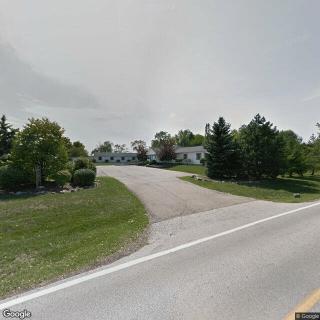
 Very affordable studio pricing at $1,300/mo, well below local and state averages.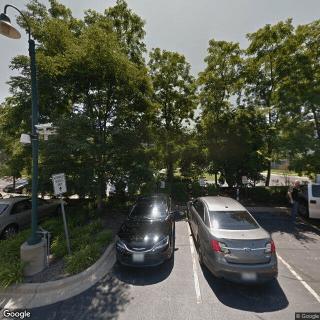



 Why Do Dementia Patients Sleep So Much? Understanding Oversleeping, Stages, and Care Approaches
 8 Key Indicators That Suggest It May Be Time to Transition from Assisted Living to Skilled Nursing Care
 Nourishing the Mind: Essential Dietary Approaches for Dementia