
124 Windsor Park Dr., Carol Stream, IL 60188
To contact a resident: (630) 682-4377
For more information about senior living options: (866) 208-4318
Windsor Park Manor Costs & Pricing
Windsor Park Manor offers a compelling value when compared to both DuPage County and the broader Illinois state averages. For instance, the monthly cost for a studio apartment at Windsor Park Manor is $1,130, significantly lower than the county's average of $4,580 and even more so compared to the state's average of $4,028. Similarly, their one-bedroom units are competitively priced at $1,208 - again well below DuPage County's average of $3,913 and Illinois' $3,527. For those seeking more space, a two-bedroom apartment at Windsor Park Manor costs $1,710, which contrasts sharply with DuPage's average of $4,636 and Illinois' average of $4,208. These figures demonstrate that Windsor Park Manor provides an attractive option for residents looking for affordable living without compromising on quality or amenities in comparison to the surrounding region.
| Floor plans | Windsor Park Manor | DuPage County | Illinois |
|---|---|---|---|
| Studio | $1,130 | $4,580 | $4,028 |
| 1 Bedroom | $1,208 | $3,913 | $3,527 |
| 2 Bedrooms | $1,710 | $4,636 | $4,208 |
Assisted Living communities with a similar price nearby
-
from +$75 / mo
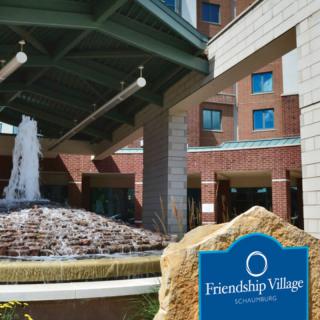
Friendship Village of Schaumburg, a CCRC
$1,205 to $3,725 / month9.0 miles away -
About the same

Elevate Glen Saint Andrew
$1,100 to $1,750 / month18.5 miles away
Overall Review of Windsor Park Manor
Pros
 Windsor Park Rehab is the best facility by far, with genuinely caring staff.
- Its team is always available to speak with families and keeps them updated on their loved ones.
- The reviewers would highly recommend Windsor Park Rehab to anyone.
- At Windsor Park Manor, the management addresses each concern and is receptive to feedback.
- The management representative walked the apartment with the reviewers and promised that every concern would be addressed and fixed.
- The reviewers were assured that corrections would be completed in a timely manner.
Review
Windsor Park Manor in Carol Stream is best suited for families that prize highly engaged staff, transparent communication, and a clear emphasis on rehabilitation as a core service. The campus’s on-site Windsor Park Rehab stands out as a distinctive strength: caregivers who are genuinely caring, consistently available to speak with families, and diligent about keeping loved ones’ progress visible to those on the outside looking in. For families navigating transitions, from independent living into assisted arrangements or needing steady rehab support after a hospital stay, this level of accessibility and ongoing updates can be decisive. In short, the community works best for residents who benefit from hands-on, responsive care and regular, trustworthy family updates.
That clarity, however, comes with caveats worth weighing. Those seeking the lowest-cost option, minimal staff interaction, or highly specialized memory-care environments may want alternatives. If the goal is to minimize family involvement or to rely on automated processes rather than personal touch, Windsor Park Manor may feel less suited. Similarly, residents with high-acuity medical needs that demand intensive, around-the-clock monitoring or a broader range of specialized services might find accommodations here less comprehensive than they expect. Prospective families should assess whether the campus’s strength in rehab and daily accessibility aligns with the level of medical oversight their loved one requires.
The strongest pros, genuine, attentive staff; a culture of open communication; and proactive management, toleminate the main concerns that do surface. The reviews repeatedly highlight staff who are available to discuss a loved one’s condition and to provide timely updates to families, a quality that reduces anxiety for families during transitions. Management is described as responsive and participatory: concerns are addressed directly, with walkthroughs and promises of prompt corrective action. When issues surface in a living space, the ability of leadership to walk the apartment with families, acknowledge the problem, and commit to a fix creates a tangible sense of accountability that can outweigh the frustration of initial hiccups.
That accountability is reinforced by the rehab-first identity. The positive emphasis on Windsor Park Rehab signals that clinical competence and rehabilitation outcomes are at the forefront, not afterthoughts. For families prioritizing recovery milestones, therapy coordination, and staff who can translate therapy progress into daily living improvements, this is a meaningful advantage. The caveat is that the same access and openness that make progress visible can also unease families during difficult moments, yet the consistent pattern in these reviews suggests a culture that follows through, not merely promises.
In practice, families evaluating Windsor Park Manor should test three things on a live tour: the immediacy of staff responsiveness, the visibility of care planning and progress reports, and the specificity of repair commitments. Ask to see recent care notes, speak with a nurse or therapy lead about a typical week, and request a concrete timetable for any repair or maintenance concerns that have been raised. Observe whether management is available for a dedicated tour with the family rather than relying on generic overviews. Watching a management walkthrough of a resident apartment and hearing a concrete plan for any outstanding items can be a strong signal of how issues will be handled long term.
Bottom line: Windsor Park Manor is a solid fit for families who value a rehab-forward environment with exceptionally accessible, caring staff and a management team that will own problems and fix them. It works best when there is a clear expectation of ongoing family communication and a preference for proactive problem-solving over occasional assurances. For residents needing lighter touch oversight or more expansive medical or memory-care services, explore options that emphasize those elements more aggressively. If a tour confirms that the care team, clinical capabilities, and accountability match the priorities, Windsor Park Manor deserves serious consideration as a pragmatic, dependable choice for assisted living with strong rehabilitation support.
 Assisted Living
 Independent Living
 Memory Care
 Skilled Nursing Facility
 Cats allowed
 Dogs allowed
 Activities on-site
 Devotional services off-site
 Indoor common areas
 Chicago O'Hare International (13 miles away)
 Ambulatory care
 Diabetic care
 Meals provided



 Engaging Memory Care Activities That Enhance Quality of Life
 When to Transition from Assisted Living to Memory Care: Key Indicators, Steps, and Finding the Right Community
 Understanding the Distinctions: Assisted Living and Memory Care Explained