
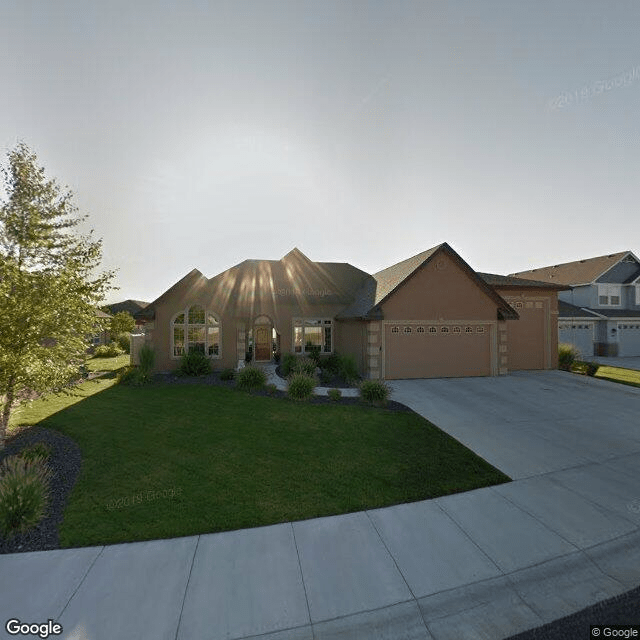
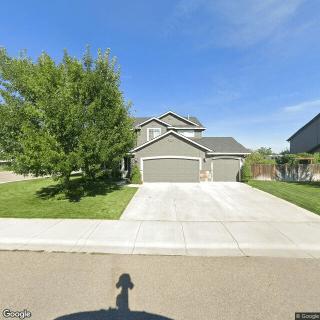
352 Long Bay Way, Star, ID 83669
To contact a resident: (208) 286-9220
For more information about senior living options: (866) 208-4318
Sonia's Certified Family Home Costs & Pricing
Sonia's Certified Family Home offers a competitive monthly rate of $2,800 for private rooms, significantly lower than the average costs in Canyon County, which stand at $4,217, and the statewide average of $3,906 across Idaho. This pricing strategy not only enhances accessibility for families seeking quality care but also reflects Sonia's commitment to providing a nurturing environment while maintaining affordability. By choosing Sonia's Certified Family Home, residents benefit from a well-appointed space that prioritizes both comfort and community without the higher financial burden often associated with similar facilities in the region.
| Floor plans | Sonia's Certified Family Home | Canyon County | Idaho |
|---|---|---|---|
| Private | $2,800 | $4,217 | $3,906 |
Senior living communities with a similar price nearby
-
from -$200 / mo
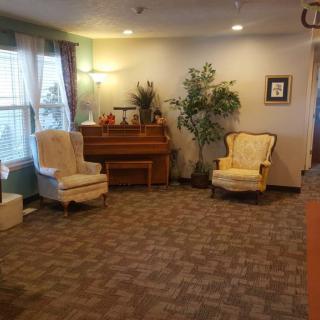
Country Time Assisted Living
$2,600 to $8,000 / month0.6 miles away -
from +$95 / mo
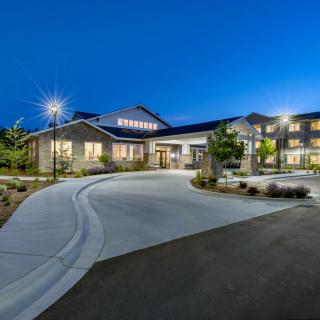
Revel Eagle
$2,895 to $4,495 / month7.9 miles away -
About the same

Grace Assisted Living at Fairview Lakes
$2,800 to $3,800 / month7.5 miles away -
from -$400 / mo
The Gables Assisted Living & Memory Care of Caldwell
$2,400 to $3,300 / month10.0 miles away -
About the same
Comfort & Care
$2,800 to $3,000 / month6.7 miles away
Overall Review of Sonia's Certified Family Home
Pros
 They felt blessed to find Sonia's Certified Family Home.
- The care provided by Sonia was excellent, especially the custom meals, chats, and inclusion in a family atmosphere.
- They could not have asked for a better experience for their husband in the last weeks of his life.
Review
Sonia's Certified Family Home in Star, ID is best suited for seniors who value an intimate, home-like setting where care feels personal, routines are tailored, and daily life operates with a strong sense of family. This community shines for residents who thrive on individualized attention, customized meals, and meaningful social connection, especially those facing end-of-life moments and wanting to stay connected to a warm, supportive environment. It is ideal for families seeking reassurance that care will feel humane, compassionate, and highly personal rather than procedural or impersonal. The emphasis on inclusion and ongoing conversation creates a sense of belonging that larger campuses often struggle to replicate. This setting is not about breadth of services; it is about depth of relationship and comfort in a familiar, home-based routine.
Those weighing alternatives should note that Sonia’s model may not fit every situation. Any resident who requires constant, facility-wide nursing oversight or complex medical management on a around-the-clock basis will likely find this small, caregiver-led home insufficient. For families prioritizing highly structured programming, a wide roster of on-site specialists, or extensive memory-care features, a larger assisted living community or a dedicated memory-care campus may be more appropriate. Availability can be tight in a two-resident home, so expectations around scheduling, med-management, and access to urgent care should be clarified upfront. If a resident’s needs trend toward highly regulated routines, formal activities, or intensive clinical oversight, alternatives deserve serious consideration.
The strongest pros here, custom meals, genuine chats, and a family atmosphere, do more than merely please; they actively counterbalance the limitations of small-scale operations. Personalized meals demonstrate respect for taste, dietary restrictions, and cultural preferences, while regular conversations foster emotional well-being and a sense of dignity in daily life. The intimate setting promotes rapid communication and responsiveness; caregivers can observe subtle changes quickly and adapt care plans without bureaucracy. For residents near the end of life, this level of companionship and routine can translate into more comfort, fewer anxieties, and a dignified experience that feels oriented toward the person, not the process. In short, the warmth and attentiveness can deeply offset the absence of a full medical hub on-site.
That said, the format does carry trade-offs. With only Sonia and a small team, there is inherently less on-site medical redundancy and fewer formal activity options compared to larger facilities. Families should confirm how medical oversight is structured, who handles medications, and how crises are covered after hours. The advantages, strong relational continuity, daily reassurance, and a homey cadence, must be weighed against potential gaps in equipment, specialized therapies, or structured programming. The two positive reviews underscore exceptional personal care in critical moments, but they also imply that other residents might thrive more in a setting with broader clinical resources and a wider activity calendar.
Practical considerations should shape the decision carefully. Costs in a certified family home model can reflect the premium on individualized attention, but the small scale also means limited availability and a slower intake process. Prospective residents should inquire about caregiver-to-resident ratios, hours of direct care, and the level of coordination with outside hospice or medical teams. Touring Sonia’s facility, meeting Sonia directly, and observing daily interactions with current residents provide invaluable insight into whether the emotional climate and daily routines align with family expectations. Also important is a clear understanding of visitation policies, transportation options, and how transitions to higher levels of care would be managed if needs change.
Ultimately, Sonia's Certified Family Home stands out as a thoughtful, deeply humane option for families prioritizing warmth, personalized nutrition, and meaningful social connection in a small, home-based setting. It excels when the goal is to preserve dignity and comfort through intimate, caregiver-driven care that treats each resident as a member of a well-loved family. If those values align with what matters most, peaceful days, individualized attention, and support in one’s final chapters, this community is among the strongest local choices. For situations requiring extensive medical oversight, highly structured activities, or larger-scale clinical resources, alternatives in larger assisted-living or specialized care settings should be explored with the same diligence and a clear view of trade-offs.
 Board and Care Home
 Private
 Boise Air Terminal (16 miles away)


 Understanding the Nuances of Palliative Care and Hospice: A Comprehensive Exploration
 Fecal Incontinence in Older Adults: A Comprehensive Guide
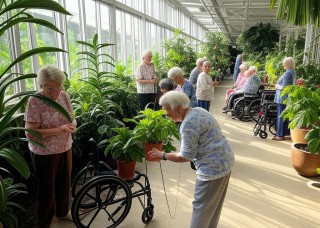 Nurturing Well-Being Through Gardening: A Detailed Guide for Senior Enthusiasts