
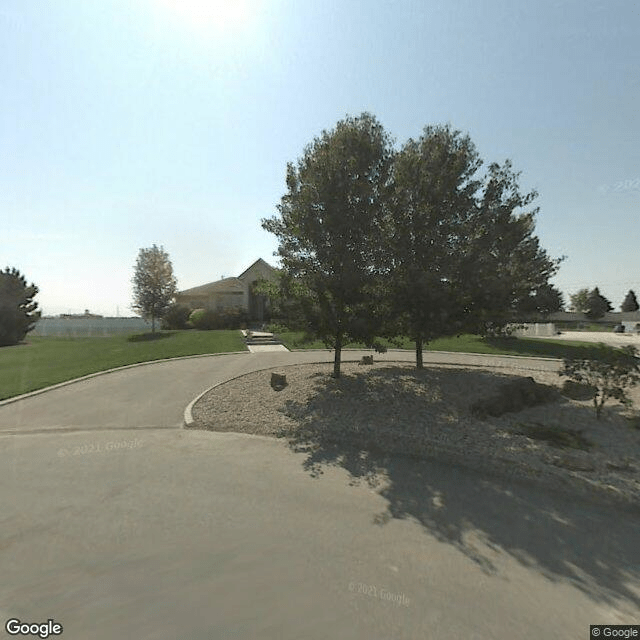
593 West Gray Fox Court, Meridian, ID 83646
To contact a resident: (208) 995-3375
For more information about senior living options: (866) 208-4318
Overall Review of The Gray Fox Certified Family Home
Pros
 KB Homes' staff, including Greg, Drew, Gabie, Parker, and Brandon, are described as some of the best in the business, making the process fun, exciting, and seamless.
- The experience of building with KB Home is described as absolutely amazing, with energy-efficient homes and a high level of customization.
- KB Homes uses high-quality materials for fixtures and provides high-quality service at a bargain price.
- The team listens to concerns, follows up weekly, and remains accessible throughout the process.
- The company is praised for delivering personalized touches, such as a custom closet under the staircase for the kids.
- KB Homes’ floor plans are cited as among the best in the area.
- The homes are described as cute, affordable, and energy-efficient.
- The subdivision is described as charming, with a pleasant price range.
- The homeowners express love for their new home and note KB Homes has been great and easy to work with during the sale/closing and settling.
Cons
 There is not a single straight wall in the house.
- The craftsmanship is garbage.
- The walls and floors are uneven.
- The home appears poorly built.
- They advise thinking twice before building with KB.
- Everything is built very fast and not well.
- The build timeframe doesn’t work for them.
Review
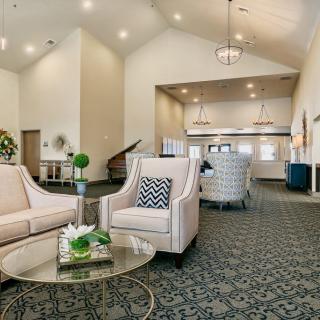
The Gray Fox Certified Family Home in Meridian is best suited for seniors who want a small, home-like setting where care feels intimate and highly personalized, with family involvement as a core component of daily life. It appeals to residents who prefer a domestic vibe over a large campus, value close access to caregivers, and appreciate predictable routines that mirror a familiar home environment rather than a clinical atmosphere.
However, this model is less ideal for those who demand broad medical services on-site, formal memory-care programs, or the amenities of a large retirement community. Families prioritizing intensive nursing coverage, multi-disciplinary therapy teams, and highly structured daily schedules may find alternatives with more comprehensive staffing and programming more appropriate. Budget constraints, long-term care insurance coverage, and preference for a local, easily accessible location should also push families to compare other options.
Key advantages of a small, family-style home include highly personalized attention, flexible routines, and the sense that care is tailored to individual preferences, not a one-size-fits-all plan. When managed well, this translates into easier family involvement, faster responsiveness, and a calmer day-to-day rhythm for residents who thrive on predictability. The main drawbacks revolve around capacity: fewer on-site specialists, limited 24/7 nursing coverage, and a narrower slate of activities and amenities. If maintenance and housekeeping are irregular, the benefits can evaporate quickly, producing safety concerns and a sense of neglect.
Review patterns from similar care-market experiences stress two compensating factors: dependable leadership and transparent communication. Prospective residents should look for a facility that demonstrates proactive, consistent updates to families, clear care-planning, and visible follow-through on requests. When a small home can show quick maintenance responses, well-trained caregivers, and a stable team that stays over time, the close-knit setting becomes a meaningful asset that offsets the more modest array of on-site services. Conversely, frequent staff turnover, slow maintenance, or evasive management signals undermine the core appeal of this model.
Careful visits should prioritize concrete checks: staffing ratios and on-site coverage during day and evening shifts, the process for updating care plans, and how choices about meals, activities, and medications are implemented. Investigate the facility’s safety features (grab bars, non-slip floors, good lighting), medication management protocols, emergency response times, and how family members participate in care decisions. Clarify contract terms, including what is included in monthly fees, what triggers rate increases, and how any potential special-care needs (memory support, fall risk) would be addressed within the small-home framework.
Overall, The Gray Fox Certified Family Home appears best for families seeking a warm, intimate environment with high-touch care and strong family engagement, provided there is solid maintenance, steady staffing, and transparent operations. Alternatives should be considered for those needing expansive medical services, robust programming, or budget-driven concerns. The decisive step is a disciplined site visit: observe care interactions, test communication cadence, verify maintenance responsiveness, and confirm that the home’s capabilities align with the resident’s care plan, comfort level, and family dynamics.
 Board and Care Home
 Boise Air Terminal (11 miles away)





 Skilled Nursing Facilities vs. Nursing Homes: Making Sense of the Differences
 A Detailed Examination of Nursing Home Costs Across the U.S.
 Exploring Nonmedical Home Care: Understanding Services, Costs, and Financial Approaches