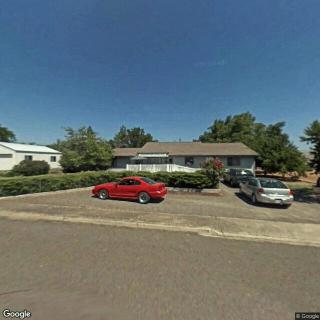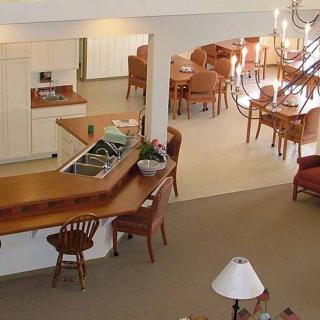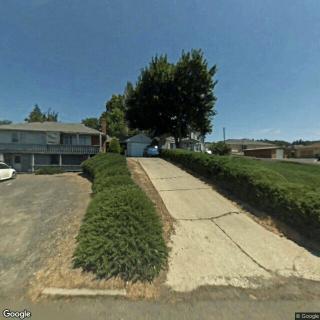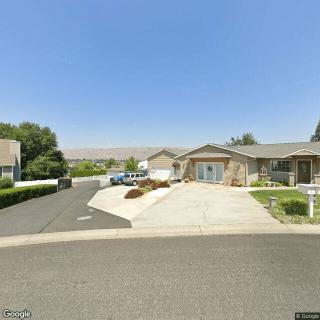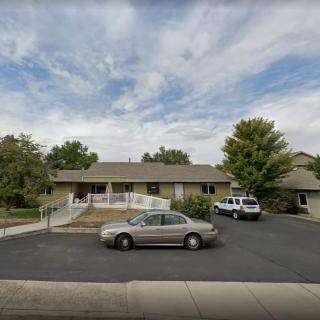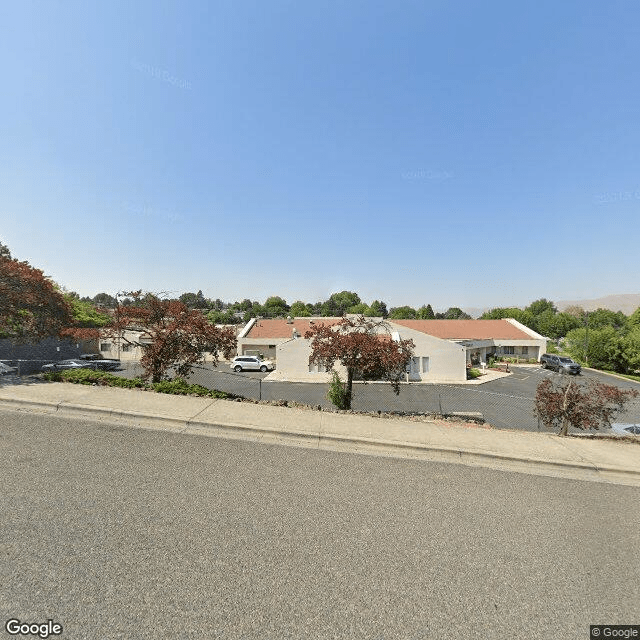
Wedgewood Terrace Provident Resources Group in Lewiston, ID

Save
Wedgewood Terrace Provident Resources Group

Wedgewood Terrace Provident Resources Group in Lewiston, ID

Information last verified:

2114 Vineyard Avenue, Lewiston, ID 83501

For more information about senior living options: (844) 490-3973

4.4 from 37 reviews
5 stars
26
4 stars
4
3 stars
4
2 stars
1
1 stars
2

Wedgewood Terrace Provident Resources Group Costs & Pricing

Wedgewood Terrace Provident Resources Group offers a competitive pricing structure for its accommodations when compared to the broader market in Nez Perce County and the state of Idaho. For instance, the monthly cost for a studio apartment is set at $2,950, which is notably lower than both the county average of $2,804 and the state average of $3,213. Similarly, the 1-bedroom units at Wedgewood Terrace are priced at $3,250, which effectively positions it below Nez Perce County's average of $3,307 and Idaho's higher rate of $3,774. However, in terms of semi-private accommodations, Wedgewood Terrace presents the highest cost at $3,950 compared to Nez Perce County's average of $3,187 and Idaho's average of $3,026. Overall, Wedgewood Terrace provides appealing options for residents seeking value without compromising on quality within this region.

Floor plansWedgewood Terrace Provident Resources GroupNez Perce CountyIdaho
Studio$2,950$2,804$3,213
1 Bedroom$3,250$3,307$3,774
Semi-Private$3,950$3,187$3,026

Overall Review of Wedgewood Terrace Provident Resources Group

Pros

  • pro The staff are great and truly care about the residents.
  • pro The new ownership and management are hands-on and driving positive changes.
  • pro The food is tasty and the activities are improving.
  • pro Residents love it there.
  • pro Twin Rivers is clean and welcoming, with friendly and compassionate staff.
  • pro The rooms are huge and very clean, and the facility is regularly upgraded.
  • pro The staff are among the most loving and kind people.
  • pro The team worked tirelessly during the pandemic to provide love and care.
  • pro The outdoors are nice, pretty, and safe.
  • pro The staff are friendly, courteous, and quick to respond to requests.

Cons

  • pro They would give 0 stars.
  • pro The staff neglected her, leaving bruises from falls.
  • pro They handed her pills and walked away in the dementia ward.
  • pro No one gave her medication for over three hours.
  • pro They did not change the pillowcase for two days after the nosebleed.
  • pro Staff made judgmental and hurtful comments about her.
  • pro They claimed she did fine here despite her barely being able to feed herself.
  • pro The staff take forever and are somewhat rude.

Review

Wedgewood Terrace is best suited for families seeking an affordable, results-oriented assisted living environment where staff warmth and hands-on leadership can make a measurable difference, particularly in a smaller, homey setting. The community appeals to relatives who want a clean, welcoming place with sizeable rooms, decent food, and an evolving program of activities. It is especially well-matched for residents who value proximity to family, the reassurance of visible staff presence, and a community that is actively being improved by new ownership. Those prioritizing ultra-structured memory-care safeguards or a consistently flawless dementia program may want to consider alternatives with a longer track record in dementia-specific outcomes and tighter medication-control protocols. In short, this is a pragmatic choice for families who want a caring atmosphere and ongoing upgrades without paying a premium, while recognizing that dementia-care needs require extra diligence.

On the positive side, the staff at Wedgewood Terrace consistently earns praise for real kindness and dependability. Families describe frontline caregivers as compassionate and responsive, with leadership that is increasingly engaged and devoted to making solid, tangible improvements. The rooms are repeatedly cited as large and clean, contributing to a sense of comfort and autonomy for residents. Upgrades are ongoing, and the campus atmosphere, outdoors especially, feels safe and pleasant, with a layout that supports easy navigation for seniors. Food is described as tasty, and activities, while periodically evolving, are broadening over time, helping to combat isolation and keep residents engaged. The combination of a welcoming environment, accessible amenities, and a demonstrable commitment from management creates a credible path to a better daily experience for many residents.

Equally important, several families point to the memory-care and assisted-living balance as a practical strength. The property supports a dedicated dementia ward with a clear emphasis on comfortable surroundings and consistent routines, backed by staff who are described as loving, reliable, and easy to work with. For residents who need regular medical coordination, rides to appointments, adherence to prescribed regimens, and attentive supervision, these capabilities are not just touted; they’re demonstrated in day-to-day operations and communications. The proximity to family and the ability to preserve independence within a structured setting are repeatedly highlighted as meaningful positives for residents and their loved ones alike. Taken together, these factors make Wedgewood Terrace a credible choice for families prioritizing steady care, predictable routines, and the sense that a community is actively getting better.

However, the negative experiences cited by a minority of families cannot be dismissed. One deeply troubling review describes neglect in a dementia ward, bruising, missed medications, unaddressed medical needs, and dismissive attitudes toward the family’s concerns. This stark account stands in stark contrast to the otherwise favorable consensus and raises serious red flags about consistency and accountability across shifts. Other criticisms mention slower or less courteous service, occasional unhappy residents, and a few operational lapses such as laundry mismanagement. A few residents have experienced falls or medical emergencies that required outside care, underscoring the reality that even in well-meaning environments, quality can fluctuate. While these reports appear inconsistent with the broader positive pattern, they point to real risk areas that demand vigilant, ongoing oversight.

Management history and ongoing improvements are a crucial part of the calculus. Several reviews praise the new owners and managers for their hands-on approach and for driving meaningful change, suggesting a trajectory toward a higher baseline of care. The prevailing sentiment is that the administration is personable, communicative, and committed to supporting the staff and residents through steady upgrades. This dynamic matters: in a community that is still refining its program, leadership quality and consistency can make the difference between a good week and a great month. The combination of compassionate caregiving, ongoing improvements, and a responsive administrative team creates a compelling case for families willing to monitor progress and engage actively in the resident’s care plan.

Decision-makers should use a structured, proactive approach when evaluating Wedgewood Terrace. Prioritize a focused tour that includes a firsthand look at how medications are administered, how staff respond to routine requests, and the day-to-day cadence in the dementia unit. Ask for concrete metrics: staff-to-resident ratios by shift, a recent incident log, and a summary of staff training specifically related to memory care and fall prevention. Verify what activities are currently on the calendar and whether residents have meaningful, individualized engagement. Clarify the budget line items for upgrades and what the facility commits to addressing promptly if concerns arise. If a loved one has complex memory-care needs or requires intense oversight, compare with facilities that publish transparent outcomes for dementia care and have demonstrated, consistent QA processes.

In sum, Wedgewood Terrace represents a solid, practical option for families seeking a welcoming environment with generous room sizes, solid food, and visible, improving leadership. The most compelling upside lies in staff warmth, caregiver reliability, and a clear trajectory of enhancements under new ownership. The significant caveat is the potential for uneven quality in dementia care and sporadic service lapses, which means careful due diligence is essential for memory-care residents or those with high behavioral or medication-management needs. For families willing to invest in ongoing oversight, frequent check-ins, and a clearly defined care plan, this community can deliver reliable, improving care at a reasonable price. For those whose priority is ironclad consistency in dementia care or who demand zero-tolerance scenarios around medications and safety, it may be prudent to explore alternatives with a longer, proven record in memory-support environments.

Features

Housing

  • 22 resident community capacity 22 resident community capacity

Types of Care

  • Assisted Living Assisted LivingAssisted living facilities provide crucial support and care for seniors who may need help with daily tasks such as medication management, bathing, and meal preparation. These communities offer a safe and comfortable environment where seniors can maintain their independence while receiving the assistance they need to thrive in their golden years.
  • Board and Care Home Board and Care HomeBoard and care homes provide a smaller, more intimate setting for seniors who require assistance with daily tasks but do not need the level of care offered by a nursing home. They offer personalized care, meals, and social activities in a homelike environment, ensuring that seniors receive individualized attention and support in their golden years.
  • Memory Care Memory CareMemory care is crucial for seniors as it provides specialized support and services for individuals with dementia or Alzheimer's disease. These programs offer a safe and secure environment where residents receive personalized care, cognitive stimulation, and help with daily activities. Memory care helps seniors maintain their independence, quality of life, and dignity while also providing peace of mind for their families.

Amenities

  • Activities off-site Activities off-siteEngaging in off-site activities is crucial for seniors to maintain social connections, stay active, and stimulate their minds. It promotes overall well-being and helps combat feelings of isolation and loneliness.
  • Activities on-site Activities on-siteActivities on-site are important for seniors because they provide opportunities for socialization, mental stimulation, physical activity, and overall well-being. Engaging in activities can help seniors stay active, maintain their independence, and improve their quality of life.
  • Bath tubs Bath tubsBath tubs are important for seniors because they provide a safe and relaxing way to bathe, helping to prevent slips and falls while promoting independence and overall well-being.
  • Beautician on-site Beautician on-siteHaving a beautician on-site at a senior living community is important for seniors as it allows them to easily access grooming and personal care services, boosting their self-esteem and overall well-being. It also provides convenience and helps seniors maintain their sense of independence and personal style.
  • Beauty salon Beauty salonBeauty salons are important for seniors because they provide a space for them to feel pampered, socialize, and maintain their personal grooming and hygiene. Regular visits to a beauty salon can help boost seniors' self-esteem and overall well-being.
  • Cable or satellite TV Cable or satellite TVCable or satellite TV is important for seniors because it provides entertainment, news, and companionship, helping to combat loneliness and boredom. It also offers a wide range of programming options tailored to different interests and preferences.
  • Devotional services on-site Devotional services on-siteDevotional services on-site provide seniors with spiritual support and a sense of community, as well as an opportunity for reflection and guidance during their senior living experience. This can promote emotional well-being and connection to others, leading to a more fulfilling and enriching lifestyle in their later years.
  • Dining room Dining roomDining rooms are important for seniors as they provide a space for socialization, connection, and nutritious meals. They offer opportunities for residents to bond over shared meals, foster a sense of community, and promote healthy eating habits. Dining rooms also ensure that seniors have access to well-balanced meals tailored to their dietary needs and preferences.
  • Fully furnished Fully furnishedFully furnished senior living communities are important for seniors because they provide convenience, comfort, and a hassle-free moving experience. Seniors can easily settle into their new living space without the stress of having to buy and move furniture. This allows them to focus on enjoying their new home and community.
  • Garden GardenGardens are important for seniors as they provide a peaceful and therapeutic environment for relaxation, physical activity, and socialization. Being in nature has been shown to reduce stress, improve mood, and promote overall well-being. Gardens also offer opportunities for seniors to engage in gardening activities, which can improve mobility, flexibility, and cognitive function. Additionally, gardens create a sense of community and connection with others who share a passion for plants and outdoor spaces.
  • Housekeeping services Housekeeping servicesHousekeeping services are important for seniors because they help maintain a clean and safe living environment, promote independence, and reduce the risk of accidents or illnesses. Additionally, having assistance with household chores can alleviate physical strain and allow seniors to focus on other aspects of their well-being.
  • Indoor common areas Indoor common areasIndoor common areas are crucial for seniors as they provide a space for socialization, recreation, and community engagement, promoting overall well-being and reducing feelings of isolation and loneliness.
  • Kitchenette KitchenetteKitchenettes are important for seniors living in senior living communities because they provide the convenience and independence of being able to prepare simple meals and snacks in the comfort of their own living space. This can help promote a sense of autonomy and well-being for seniors, allowing them to maintain some level of control over their dietary choices and daily routines.
  • Move-in coordination Move-in coordinationMove-in coordination is important for seniors because it helps ease the transition into their new living environment. It ensures that all logistics, such as packing, organizing movers, and setting up utilities are taken care of, allowing seniors to focus on settling in and adjusting to their new home. Having a smooth move-in process can alleviate stress and anxiety, making the transition smoother and more enjoyable for seniors.
  • Outdoor common areas Outdoor common areasOutdoor common areas are important for seniors as they provide a space for socialization, physical activity, and relaxation. Being outside in nature can improve mood and overall well-being, while also encouraging movement and engagement with others. These spaces can help combat feelings of isolation and promote a sense of community among residents.
  • Outdoor space Outdoor spaceOutdoor spaces are important for seniors as they provide opportunities for physical activity, social interaction, exposure to natural light and fresh air, and a sense of connection to nature. Having access to outdoor spaces can improve overall well-being and quality of life for older adults living in senior communities.
  • Respite or short term stays offered Respite or short term stays offeredRespite or short term stays provide seniors with a temporary solution when their regular caregiver is unavailable, offering them the opportunity to receive additional care and support during times of need, while also giving caregivers a chance to rest and recharge.
  • Telephone TelephoneTelephones are important for seniors as they provide a lifeline for communication with loved ones, emergency services, and healthcare providers. They offer a sense of security and independence, enabling seniors to stay connected and access assistance when needed.
  • Wheelchair accessible showers Wheelchair accessible showersWheelchair accessible showers are crucial for seniors as they provide a safe and independent bathing option for those with mobility challenges. These showers help prevent falls and allow seniors to maintain their dignity and autonomy while ensuring they can bathe comfortably.
  • Wi-Fi/high-speed internet available Wi-Fi/high-speed internet availableWi-Fi/high-speed internet is important for seniors to stay connected with loved ones, access online resources, and participate in virtual activities to combat feelings of loneliness and isolation. It also allows them to easily manage healthcare needs, access entertainment, and engage in lifelong learning opportunities.

Transportation

  • Lewiston-Nez Perce County (2 miles away) Lewiston-Nez Perce County (2 miles away)

Care Services

  • 24-hour call system 24-hour call system24-hour call systems are important for seniors because they provide peace of mind and immediate assistance in case of emergencies. This technology ensures that help is always available, promoting safety and security for elderly individuals living alone or in assisted living facilities.
  • 24-hour supervision 24-hour supervision24-hour supervision is important for seniors to ensure their safety, well-being, and access to immediate assistance in case of emergencies or health issues. This constant support provides peace of mind for both seniors and their loved ones, allowing them to age in place with dignity and security.
  • Activities of daily living assistance Activities of daily living assistanceActivities of daily living assistance are important for seniors because they provide essential support with tasks such as eating, bathing, dressing, and mobility. This assistance helps seniors maintain their independence, dignity, and overall quality of life as they age.
  • Ambulatory care Ambulatory care"Ambulatory care services provide essential medical support and treatment to seniors without requiring hospitalization, allowing them to maintain their independence and quality of life while managing chronic conditions or receiving routine medical care."
  • Assistance with bathing Assistance with bathingAssistance with bathing is crucial for seniors as it helps maintain personal hygiene, prevents infections, and ensures their overall well-being and comfort. It also provides a sense of dignity and independence for seniors who may struggle with this task on their own.
  • Assistance with dressing Assistance with dressingAssistance with dressing is important for seniors because it helps maintain their independence, promotes personal hygiene, prevents accidents and injuries, and improves overall quality of life. This service ensures that seniors can continue to dress comfortably and confidently, despite any physical limitations they may have.
  • Assistance with transfers Assistance with transfersAssistance with transfers is crucial for seniors as it helps prevent falls and injuries, maintains their independence, and ensures they can safely navigate their living environment. It also provides peace of mind for both seniors and their loved ones.
  • Coordination with health care providers Coordination with health care providersCoordination with health care providers is crucial for seniors to ensure proper medical care, medication management, and overall well-being. This collaboration helps prevent overlapping treatments, track progress more effectively, and provide comprehensive support tailored to individual needs.
  • Diabetes diet Diabetes dietA diabetes diet is crucial for seniors as it helps manage blood sugar levels, reduce risks of complications, and improve overall health and well-being. By following a balanced and nutritious diet tailored to their specific needs, seniors can better control their diabetes and enhance their quality of life.
  • Incontinence care Incontinence careIncontinence care is essential for seniors to maintain their dignity, hygiene, and overall quality of life. By addressing incontinence issues promptly and effectively, seniors can enjoy a sense of independence and comfort in their daily activities.
  • Meal preparation and service Meal preparation and serviceMeal preparation and service are crucial for seniors as they may have limited mobility or energy to cook nutritious meals. Having access to healthy and convenient food options can ensure they are getting the proper nutrition needed to maintain their overall health and well-being.
  • Medication management Medication managementMedication management is crucial for seniors to ensure they are taking the right medications at the correct dosages and times. This helps prevent adverse drug interactions, reduces the risk of medication errors, and promotes overall health and well-being. Proactive management also allows for adjustments as needed based on changing health conditions or new prescriptions.
  • Mental wellness program Mental wellness programMental wellness programs are essential for seniors as they promote cognitive stimulation, emotional support, and social engagement. These programs help prevent isolation, depression, and cognitive decline, ultimately enhancing the overall quality of life for older adults.
  • Special dietary restrictions Special dietary restrictionsSpecial dietary restrictions are important for seniors because age-related changes in metabolism and health conditions can make it difficult for their bodies to process certain foods. By following a diet tailored to their specific needs, seniors can maintain their overall health and well-being, manage chronic conditions, and reduce the risk of complications such as malnutrition or food interactions with medications.
  • Transportation arrangement (medical) Transportation arrangement (medical)Transportation arrangements for medical purposes are essential for seniors as they may have difficulty driving themselves to appointments or accessing public transportation. Having reliable and safe transportation options ensures that seniors can receive timely medical care and maintain their health and well-being.
  • Transportation to doctors appointments Transportation to doctors appointmentsTransportation to doctors' appointments is crucial for seniors as it ensures they have access to necessary medical care and support for their health needs. Without reliable transportation, seniors may struggle to attend important appointments, leading to potential delays in treatment and health complications. Providing transportation services helps seniors maintain their overall well-being and quality of life.

Dining

  • Diabetes diet Diabetes dietA diabetes diet is crucial for seniors as it helps manage blood sugar levels, reduce risks of complications, and improve overall health and well-being. By following a balanced and nutritious diet tailored to their specific needs, seniors can better control their diabetes and enhance their quality of life.
  • Meals provided Meals provided"Meals provided" are crucial for seniors in assisted living communities as it ensures they have access to nutritious, balanced meals without the stress of meal planning and preparation. This can help promote overall health and well-being for seniors who may have limited mobility or cognitive abilities.
  • Special dietary restrictions Special dietary restrictionsSpecial dietary restrictions are important for seniors because age-related changes in metabolism and health conditions can make it difficult for their bodies to process certain foods. By following a diet tailored to their specific needs, seniors can maintain their overall health and well-being, manage chronic conditions, and reduce the risk of complications such as malnutrition or food interactions with medications.
  • Vegetarian VegetarianA vegetarian diet is important for seniors because it can help lower the risk of chronic diseases, maintain a healthy weight, and provide essential nutrients needed for aging bodies. Additionally, plant-based diets are often easier on digestive systems and can contribute to overall well-being in older adults.

Activities

  • Activities off-site Activities off-siteEngaging in off-site activities is crucial for seniors to maintain social connections, stay active, and stimulate their minds. It promotes overall well-being and helps combat feelings of isolation and loneliness.
  • Activities on-site Activities on-siteActivities on-site are important for seniors because they provide opportunities for socialization, mental stimulation, physical activity, and overall well-being. Engaging in activities can help seniors stay active, maintain their independence, and improve their quality of life.
  • Community-sponsored activities Community-sponsored activitiesCommunity-sponsored activities are important for seniors as they provide opportunities for social interaction, mental stimulation, and physical activity. These activities can help improve overall well-being, combat loneliness and isolation, and promote a sense of belonging and purpose among older adults.
  • Devotional activities on-site Devotional activities on-siteDevotional activities on-site provide seniors with a sense of community, spiritual fulfillment, and emotional support, promoting overall well-being and a positive sense of purpose in their lives.
  • Scheduled daily activities Scheduled daily activitiesScheduled daily activities are important for seniors because they provide structure, socialization, mental stimulation, and physical activity. Engaging in regular activities can improve overall well-being and quality of life for seniors living in a community setting.

Description

Wedgewood Terrace Provident Resources Group in Lewiston, ID is an exceptional assisted living community that offers a range of care services and amenities to ensure the comfort and well-being of its residents. With a primary focus on board and care home and memory care, Wedgewood Terrace provides personalized attention and assistance to individuals requiring support with daily activities.

The community boasts various amenities that are designed to enhance the residents' overall quality of life. On-site activities keep residents engaged and entertained, while indoor common areas provide a cozy space for socializing. A fully furnished environment ensures that residents feel at home, and the presence of bath tubs and wheelchair accessible showers ensures convenience and safety. The availability of cable or satellite TV, Wi-Fi/high-speed internet, and a telephone connection keeps residents connected with the outside world.

Furthermore, Wedgewood Terrace offers a comprehensive range of care services to meet the individual needs of its residents. With 24-hour supervision provided by attentive staff members, residents can feel secure knowing help is always available. Daily assistance with activities such as bathing, dressing, and transfers is provided to ensure that individuals receive the support they require. Medication management is also offered, ensuring that residents adhere to their prescribed regimens.

The community places great emphasis on dining services as well, providing nutritious meals tailored to individual dietary restrictions including vegetarian options. Meal preparation is taken care of by dedicated staff members who prioritize both taste and nutritional value.

Wedgewood Terrace also recognizes the importance of mental wellness through its mental wellness program. Residents have access to devotional services on-site, as well as scheduled daily activities that promote engagement within the community. Additionally, transportation arrangements are made for medical appointments to ensure residents can easily access necessary healthcare services.

For added convenience, Wedgewood Terrace's location in Lewiston grants easy access to various amenities in the surrounding area. Numerous cafes, parks, pharmacies, restaurants, places of worship are nearby while transportation options are readily available. Additionally, the community enjoys a beautiful garden and outdoor common areas for residents to relax and enjoy nature.

Overall, Wedgewood Terrace Provident Resources Group in Lewiston, ID offers an exceptional assisted living experience with its comprehensive care services and thoughtful amenities. Residents can expect personalized care, engaging activities, and a warm community atmosphere that promotes both physical and mental well-being.

Nearby Places of Interest

This part of Lewiston, Idaho, offers a convenient and accessible location for senior living. With multiple pharmacies nearby, including Owl Pharmacies and Rite Aid, seniors have easy access to their medication needs. There are also several reputable physicians and medical facilities in close proximity, such as Valley Medical Center and St. Joseph Regional Medical Center, ensuring quality healthcare services. In terms of recreation, residents can enjoy the nearby Ruth Rowell Modie Wildlife Park and other parks for leisurely walks or outdoor activities. Additionally, there are various dining options like Shari's and Red Lobster for meals out with family or friends. Transportation options are also readily available with car rental services like Enterprise Rent-A-Car and United Airlines for convenient travel when needed. Overall, this area provides a wholesome environment with essential amenities for senior residents to live comfortably and healthily.

Pharmacies

  • Owl Pharmacies (0.1 miles)
  • Owl Pharmacy (0.4 miles)
  • Vig's Health Food Store (0.4 miles)
  • Rite Aid (0.8 miles)
  • Walgreens (1 miles)
  • Albertsons Pharmacy (1.1 miles)
  • Hi-School Pharmacy (1.7 miles)

Physicians

  • Rambeau Jamie M MD - Saint Joseph Regional Medical Center (0.1 miles)
  • Valley Medical Center (0.1 miles)
  • Orthopro of Lewiston (0.4 miles)
  • St. Joseph Regional Medical Center - Internal Medicine (0.5 miles)
  • St. Joseph Regional Medical Center - Gastroenterology Center (0.6 miles)
  • Syringa Surgery Center (0.6 miles)
  • Clearwater Gastroenterology (0.7 miles)

Cafes

  • Peet's Coffee and Tea (0.1 miles)
  • Starbucks (1.1 miles)
  • Cafe Reuben (1.1 miles)
  • Coffee Cow (1.4 miles)
  • River City Espresso (1.4 miles)
  • Cafe De Vapor (1.5 miles)
  • Hot Shot Espresso (1.5 miles)

Hospitals

  • Idaho State Veterans Home (0.1 miles)
  • Lewis Clark Endoscopy (0.6 miles)
  • Lewis & Clark Outpatient Surgery (1.1 miles)
  • Tri-State Medical Clinics (1.6 miles)
  • Tri-State Memorial Hospital (1.6 miles)

Parks

  • Ruth Rowell Modie Wildlife Park (0.2 miles)
  • Park Maintenance (0.8 miles)
  • Chestnut Beach Park (1.1 miles)
  • Beachview Park (1.2 miles)
  • Locomotive Park (1.5 miles)
  • Walker Soccer Field (1.6 miles)

Places of Worship

  • Edge Student Ministries (0.3 miles)
  • First United Methodist Church of Lewiston (0.3 miles)
  • Church of Christ (0.5 miles)
  • Lewis-Clark Valley Baptist Church (0.7 miles)
  • Church of Jesus Christ of Latter Day Saints (0.9 miles)
  • Trinity Lutheran Church (1 miles)
  • Episcopal Church of the Nativity (1 miles)

Restaurants

  • Zip's Drive In (0.4 miles)
  • Super China Buffet (0.8 miles)
  • Shari's (0.9 miles)
  • Wendy's (0.9 miles)
  • Red Lobster (1 miles)
  • Bait Shop Grill (1 miles)
  • Panda Express (1 miles)

Transportation

  • Gustin Aviation (1.3 miles)
  • Enterprise Rent-A-Car (1.3 miles)
  • Hertz Rent A Car (1.5 miles)
  • United Airlines (1.5 miles)
  • Stout Flying Service (1.5 miles)

Frequently Asked Questions

How much does it cost to live at Wedgewood Terrace Provident Resources Group in Lewiston, ID?
Where is Wedgewood Terrace Provident Resources Group?
Does Wedgewood Terrace Provident Resources Group provide care for residents with dementia or Alzheimer's disease?

Nearby Communities

  • Idaho State Veterans Home - Lewiston

    Idaho State Veterans Home - Lewiston

    Lewiston, ID

    4.5 from 22 reviews
     

    pro Friendly, attentive staff in a clean, homelike environment with engaging activities.

  • Generations at Lewiston

    Generations at Lewiston

    Lewiston, ID

    4.6 from 64 reviews
    $975 to $3,240 / month

    pro Clean facility with friendly staff and excellent dining at affordable memory care pricing.

  • Prospect Shelter Care

    Prospect Shelter Care

    Lewiston, ID


    pro Excellent access to nearby dining, parks, pharmacies, and healthcare.

  • Golden Girls Residential Care

    Golden Girls Residential Care

    Lewiston, ID

    5 from 1 review
     

    pro Small, intimate 22-bed setting with 24/7 supervision and comprehensive memory care.

  • Pleasant Valley Shelter Home

    Pleasant Valley Shelter Home

    Lewiston, ID

    5 from 1 review
    $3,340 to $4,160 / month

    pro 24-hour supervision with medication management in a homelike setting.

  • Pleasant Valley Shelter

    Pleasant Valley Shelter

    Lewiston, ID

    5 from 1 review
    $2,500 / month

    pro Specialized memory care with on-site activities and accessible amenities.

Assisted Living in Nearby Cities

Related Resources

  • alzheimer's factsIlluminating Insights About Alzheimer's Disease: Ten Crucial Realities

    Alzheimer’s disease is a progressive neurological disorder that significantly impacts memory and cognitive functions, accounting for 60-80% of dementia cases, with early diagnosis being crucial yet challenging. It involves brain changes like beta-amyloid plaques and tau tangles, influenced by genetic and lifestyle factors, and while there is no cure, symptom management and support for caregivers are essential.

  • list of drugs linked to dementiaA Thorough Discussion of Medications Potentially Linked to Dementia Risk

    Dementia, influenced by aging and certain medications, may be exacerbated by drug classes such as anticholinergics, benzodiazepines, and antipsychotics, which are associated with cognitive impairment. Regular medication reviews by healthcare professionals are crucial for older adults to manage risks and optimize cognitive health.

  • do dementia patients sleep a lotWhy Do Dementia Patients Sleep So Much? Understanding Oversleeping, Stages, and Care Approaches

    Dementia often results in disrupted sleep patterns, leading to excessive daytime sleeping due to factors like brain damage affecting circadian rhythms, medication side effects, and lack of structure in daily activities. Caregivers must monitor these changes closely, as oversleeping can increase risks such as malnutrition or dehydration, and provide necessary support and routines to enhance patient engagement and well-being.