
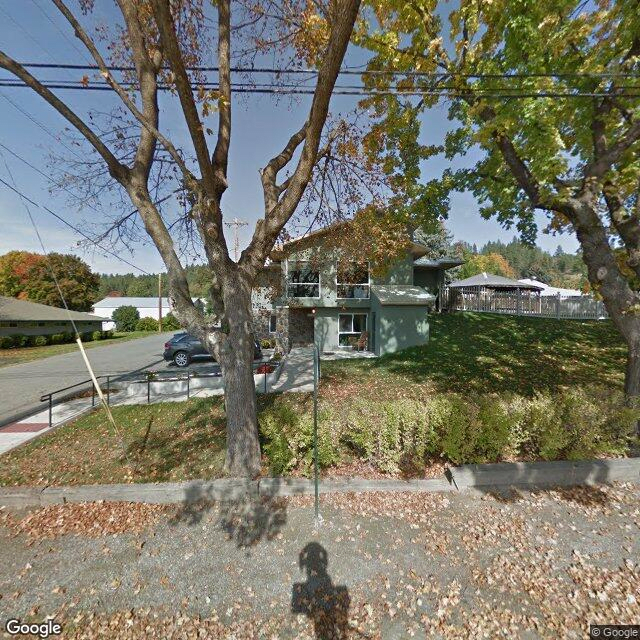
6619 Kaniksu Street, Bonners Ferry, ID 83805
For more information about senior living options: (866) 208-4318
Overall Review of Community Restorium
Pros
 The community is wonderful with the kindest employees who genuinely care for the residents.
- The Bonners Ferry SDA church brings joy to elderly people by singing after the potluck.
Review
Community Restorium in Bonners Ferry is best suited for seniors who prize a warm, intimate setting where staff know residents by name and daily life centers on meaningful relationships and a faith-infused social calendar. The core strength suggested by available impressions is a genuine, hands-on caregiving culture: the kind of environment where residents are tended to with steady warmth and where interactions feel personal rather than transactional. For families seeking a homey atmosphere with dependable, approachable staff, this community presents a compelling fit that can translate into less anxiety for residents and clearer, more consistent daily routines.
That said, this community may not be the best match for everyone. Alternatives become more appealing for families seeking a broader campus experience, heavier clinical oversight, or a wider menu of non-religious activities and amenities. If the care plan requires robust on-site medical services, memory care with specialized programming, or easy access to multiple specialists and hospitals, a larger or more medically oriented community could be a better fit. Likewise, for residents who value a bustling social calendar with diverse activities beyond faith-based programming, exploring options with a wider activity slate may prevent repetition and keep engagement high.
The strongest pros, staff warmth and authentic care, plus an active, faith-informed social life, offset several potential shortcomings in practical ways. When caregivers are consistently kind and attentive, residents experience greater stability in daily routines, fewer miscommunications, and faster response times when needs arise. The presence of a church-related program, such as regular singing engagements tied to community events, creates predictable social anchors that can alleviate isolation and provide meaningful rituals that many seniors find reassuring. In a small, close-knit setting, this kind of engaged, communal texture often translates to stronger resident satisfaction and easier family oversight.
However, the limited public information leaves important questions about medical capabilities and breadth of programming. Without clear detail on on-site nursing coverage, emergency response protocols, or the availability of memory or higher-acuity care, families must verify whether the level of medical oversight aligns with the residentā€™s needs. The small-town footprint can also pose logistical challenges for families seeking frequent visits, transporting loved ones to appointments, or accessing specialized care quickly. Additionally, while the religious programming is a strength for many, those with diverse preferences or secular leanings may wish for a more varied activity mix.
The offsetting dynamic is real: the human emphasis in care creates tangible value that often trumps a narrower activity range. When staff invest in knowing personalities, preferences, and routines, residents experience greater continuity and comfort, which can reduce agitation, confusion, and the emotional strain on families. The faith-based events provide not only companionship but structured opportunities for social participation, spiritual support, and a sense of belonging. This combination can make end-of-day life feel predictable and safe, reducing the burden on families who cannot be present at every moment.
In the end, the decision hinges on priorities. This community is a strong option for seniors who want a nurturing, small-community feel with consistently caring staff and a reassurance of meaningful social connection rooted in shared values. It is less suited for those who require expansive medical programming, a broad spectrum of non-religious activities, or rapid access to specialized care that a larger facility might more readily provide. Prospective families should prioritize a direct conversation about staffing ratios, the scope of on-site medical services, and care-planning processes. A stay or trial visit, spending time with the caregiving team, asking about daily schedules, and meeting current residents, will reveal whether the warmth translates into the day-to-day reliability necessary for long-term peace of mind.
 22 resident community capacity
 Assisted Living
 Board and Care Home
 Activities on-site
 Beauty salon
 Cable or satellite TV
 Devotional services off-site
 Dining room
 Fully furnished
 Garden
 Housekeeping services
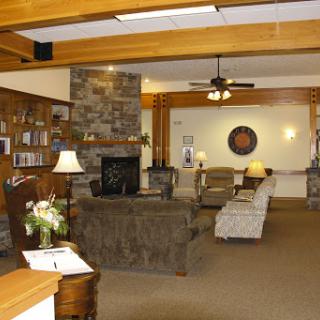
 Indoor common areas
 Kitchenette
 Move-in coordination
 Outdoor space
 Telephone
 Wi-Fi/high-speed internet available
 24-hour call system
 Ambulatory care
 Assistance with bathing
 Assistance with dressing
 Assistance with transfers
 Diabetes diet
 Diabetic care
 Meal preparation and service
 Medication management
 Mental wellness program
 Special dietary restrictions
 Transportation arrangement (medical)
 Transportation to doctors appointments

 Vibrant Senior Living: A Comprehensive Guide for Active Older Adults
 When to Transition from Assisted Living to Memory Care: Key Indicators, Steps, and Finding the Right Community
 Assisted Living and Memory Care: Understanding Their Core Differences