
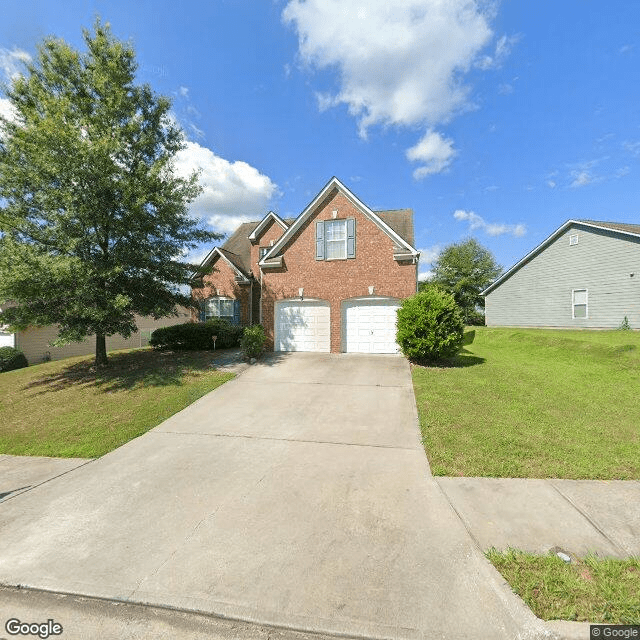
7103 Boulder Pass, Union City, GA 30291
To contact a resident: (770) 778-8734
For more information about senior living options: (866) 208-4318
Providence Personal Care Home Costs & Pricing
At Providence Personal Care Home, the costs for accommodation reflect a competitive edge in comparison to both Fulton County and the broader state of Georgia. The monthly fee for a semi-private room is set at $2,000, significantly lower than the county's average of $2,883 and the state's average of $2,529. Similarly, for those seeking a private room, Providence offers rates at $2,700, which again undercuts Fulton County's average of $3,203 and Georgia's overall average of $2,864. These pricing strategies position Providence Personal Care Home as an accessible option for families seeking quality personal care services in a supportive environment without compromising on affordability.
| Floor plans | Providence Personal Care Home | Fulton County | Georgia |
|---|---|---|---|
| Semi-Private | $2,000 | $2,883 | $2,529 |
| Private | $2,700 | $3,203 | $2,864 |
Senior living communities with a similar price nearby
-
from +$100 / mo
Premium Personal Care Home
$2,100 to $2,850 / month23.0 miles away -
from +$100 / mo
Abiding Care Home
$2,100 / month17.8 miles away -
About the same
B&A Personal Care Home
$2,000 / month22.6 miles away -
from +$300 / mo
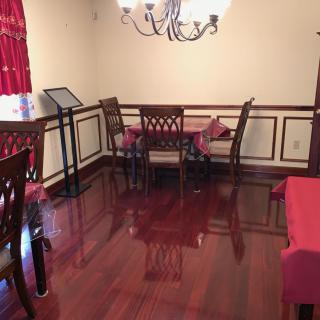
Dalia Precious Memories
$2,300 / month3.8 miles away -
from -$300 / mo
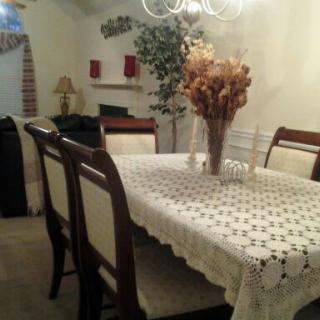
Rose's Premier Personal Care Home
$1,700 / month3.0 miles away
Overall Review of Providence Personal Care Home
Pros
 It is described as really nice and very clean.
- The staff are very friendly and well informed about what they offer.
- It feels like a home, with a cozy, house-like setup rather than a large facility.
- The residents appear happy and the atmosphere is friendly.
- It offers engaging activities such as games and movie watching.
Cons
 They were misinformed and could not get the needed nursing home care because the facility wasn’t able to help.
 - The kitchen wasn’t clean and the dishes weren’t put away, and it wasn’t immaculate.
- There was only one staff member for four residents, making care harder for those who couldn’t walk.
- The facility lacked amenities and space, feeling more like a private residence with little to do.
- It was described as deceptive and unclean, with care that did not meet expectations and deposits not returned.
- They did not provide meaningful activities; the only regular outing noted was for a birthday dinner.
- There wasn’t much space to spread out, forcing residents to congregate in the same common area.
Review
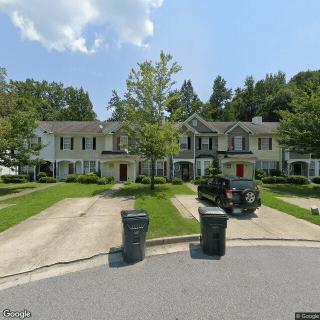
Providence Personal Care Home is best suited for families seeking a truly intimate, home-like setting for a loved one who needs light to moderate assistance and values quiet, neighborly living over a clinical atmosphere. This is a small, house-style arrangement in Union City that keeps resident numbers deliberately low, offering a level of personal attention that large facilities rarely match. It appeals to families who want the feeling of living in a private residence, where staff interactions feel direct, the routine is predictable, and there is less of the institutional rhythm that characterizes bigger campuses. It works well for seniors who do not require intensive nursing care and who prioritize cleanliness, a calm environment, and a sense of being known by name.
That said, Providence Personal Care Home may not be the right fit for residents with significant medical needs or dementia requiring structured, robust programming. Alternatives should be considered for families seeking frequent medical oversight, comprehensive therapy schedules, or a broader slate of on-site activities and amenities. A few reviewers flagged concerns about overall programming and engagement, suggesting that a larger campus with formal activity coordinators could better suit someone craving regular, organized cognitive stimulation. For those with high needs, or who value a wide range of amenities, the smaller footprint can feel limiting.
On the upside, the pros in Providence’s favor align with the house-based model. The environment tends to be clean and orderly, and staff are described as friendly, knowledgeable, and approachable. The setting encourages intimate, person-centered care where staff interactions can feel more personalized than in larger homes. Residents often participate in simple, familiar activities, and the home atmosphere supports social connection without the bustle of a bigger facility. Families report the presence of routine features, shared meals, light games, and occasional light entertainment, without the overwhelm of a busy campus.
However, the main drawbacks touch a common hinge point for small residences. Space is inherently limited, with a single common area and a layout that concentrates residents in shared spaces. Staffing can be tight, one reviewer notes a single staff member for multiple residents, which raises valid concerns about supervision if a resident’s needs change or mobility declines. The lack of expansive amenities and extensive programming can leave some residents feeling under-stimulated, especially in cases requiring ongoing cognitive engagement or more structured activity schedules. A standout warning from at least one review concerns perceived misrepresentation and unresolved deposit issues, underscoring the importance of clear written terms and ongoing transparency.
The critical question becomes how the warm, low-stimulus environment balances against the gaps in programming and capacity. For families drawn to a small, personable setting, the advantages of individualized attention, a quiet neighborhood vibe, and consistent cleanliness can offset the constraints of space and activity. The intimate staff-to-resident dynamic may translate into quicker responses, more familiar routines, and a stronger sense of home for someone who prioritizes stability and personal touch over breadth of services. In other words, Providence Personal Care Home can deliver peace of mind when the primary goal is a comfortable, dignified home life rather than a fully equipped, activity-packed campus.
When evaluating Providence Personal Care Home, the decisive move is to match expectations with the resident’s trajectory. Best-fit candidates are seniors who want comfort, ease, and a modest support structure in a private residence setting and who do not require intensive medical care or daily, formal programming. Those needing frequent nursing oversight, advanced memory care plans, or a robust activities calendar may be better off exploring larger assisted living communities or specialized dementia-focused facilities. Prospective families should verify staffing patterns, tour at different times of day, review the activity schedule, and inspect meal quality and kitchen hygiene. Crucially, secure a clear, written understanding of deposits, refunds, and any service inclusions before committing, ensuring the home preserves the trust placed by families in this intimate, home-forward care option.
 Board and Care Home
 Activities off-site
 Bath tubs
 Devotional services off-site
 Indoor common areas
 Outdoor common areas
 Private
 Respite or short term stays offered
 William B Hartsfield-Atlanta International (8 miles away)
 Ambulatory care
 Diabetic care
 High acuity care
 Incontinence care
 Meals provided



 Encouraging Participation in Adult Day Care: A Guide to Supporting a Hesitant Parent
 Comprehensive Exploration of Living Wills and Other Advance Directives
 A Detailed Exploration of Living Wills and Advance Directives