
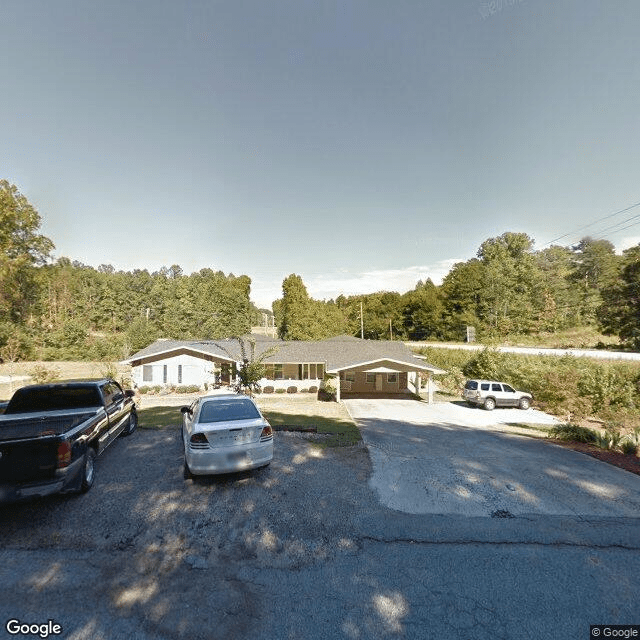
1500 Crestwood Drive, Toccoa, GA 30577
For more information about senior living options: (866) 208-4318
Overall Review of Willow Gardens
Pros
 Willow Gardens has taken care of all her needs and handles issues promptly.
 - Gwen and the staff are great.
- It is a very nice personal care home with everything needed.
- The rooms are furnished.
Cons
 The nursing home at Scenic View Habersham County could not keep the mother any longer because she was out of control.
- The staff had always told the mother she was a good patient, but for some reason things changed.
- The owner of Willow Gardens offered a deal to pay three months of rent in advance, which raised concerns about the facility's finances.
- The mother lived at Willow Gardens less than a month before she died due to complications from surgery.
- The owner could not refund the unused rent and claimed it was used for construction, and there were judgments against Willow Gardens.
- The facility's inability to return the money was described as theft, and the reviewer said they would not recommend it to anyone.
Review
Willow Gardens in Toccoa, GA is best suited for families seeking a small, home-like personal care setting where residents receive hands-on daily support and where a nurse-owner provides steady, accountable oversight. With roughly 14 residents, the community can deliver intimate attention, quick problem solving, and a sense of continuity that larger campuses often lack. The owner’s background as a nurse and the long-standing operation (since 2007) lend a stability that can translate into reliable daily care. Proximity to essential medical resources matters here: Riverside Pharmacy is nearby for packaging and delivery, a doctor visits twice a month, and Stephens County Hospital sits a short drive away. For a senior who thrives with routine and a close-knit staff, Willow Gardens offers practical, dependable support.
That said, notable caveats require careful consideration. The facility’s model includes shared bathrooms and furnished rooms, which can feel limiting for residents who prize privacy or private accommodations. A nonrefundable deposit is standard here, and provenance of finances matters: one family’s experience highlights a dispute over a prepaid refund that spiraled into a legal matter and judgments against the owner. These financial concerns are not minor red flags; they directly affect planning and peace of mind, especially when coordinating long-term care funding. Families should weigh the intimate environment against potential financial risk and transparency gaps before proceeding.
On balance, the strongest positives, attentive staff, rapid response to needs, and clear nursing oversight, tend to offset many day-to-day concerns for residents who require steady help with activities of daily living and tend to do well in a smaller community. The praise for Gwen and the care team underscores a level of responsiveness that can be hard to find in larger facilities. The small size also supports better access to clinicians who visit periodically and to on-site routines that feel predictable and personal. For a senior whose care plan centers on consistency, safety, and a feeling of “being known,” Willow Gardens delivers tangible value.
Yet, this is not a facility designed for every family or every condition. For memory-care needs that demand structured dementia programming or for residents requiring private rooms and greater privacy, alternatives should be explored. The shared-bathroom setup may impede those who prioritize en suite facilities or require more robust infection-control dynamics. The financial dimension, especially the risk of unrecovered prepaid funds, should prompt due diligence: request a written, detailed refund policy, seek assurances in the contract, and consider speaking with a financial advisor or attorney before committing any funds. These steps help mitigate the financial ambiguity that has surfaced in at least one prior case.
When comparing Willow Gardens to larger assisted living communities, the calculus shifts. Bigger campuses often offer more specialized memory-care units, a wider array of activities, and clearer, more formalized refund policies. They may also provide more private living spaces and a broader spectrum of medical oversight. If those elements align with a resident’s needs and a family’s risk tolerance, those facilities can be compelling alternatives. However, larger facilities can dilute the sense of personal attention and slow the responsiveness that Willow Gardens both claims and sometimes delivers in practice.
The bottom line is practical and directional. Willow Gardens is a sound choice for families seeking a compact, personally managed setting with immediate, attentive care and convenient access to medical support. It excels for a resident who benefits from daily contact with a nurse-led team in a small cohort and who can tolerate shared bathrooms and a nonrefundable deposit, balanced against a real potential risk around funds and financial disputes. For those prioritizing private rooms, formal dementia programs, or ironclad refund terms, it is prudent to examine other options carefully and to bring explicit questions about finances, room configurations, and memory-care capabilities to any tour.
 14 resident community capacity
 Assisted Living
 Board and Care Home
 Dogs allowed
 Activities off-site
 Beautician on-site
 Cable or satellite TV
 Devotional services off-site
 Dining room
 Fully furnished
 Garden
 Housekeeping services
 Indoor common areas
 Kitchenette
 Move-in coordination
 Outdoor common areas
 Private
 Respite or short term stays offered
 Restaurant-style dining
 Small library
 Telephone
 Wi-Fi/high-speed internet available
 24-hour supervision
 Ambulatory care
 Assistance with bathing
 Assistance with dressing
 Assistance with transfers
 Diabetes diet
 Diabetic care
 High acuity care
 Incontinence care
 Medication management
 Mental wellness program
 Special dietary restrictions
 An Extensive Exploration of the VA Aid and Attendance Benefit
 Senior Transition Services: Understanding Their Role, Cost, and Importance
 Exploring the Path to Senior Living: A Comprehensive Look at Independent Living and Assisted Living