
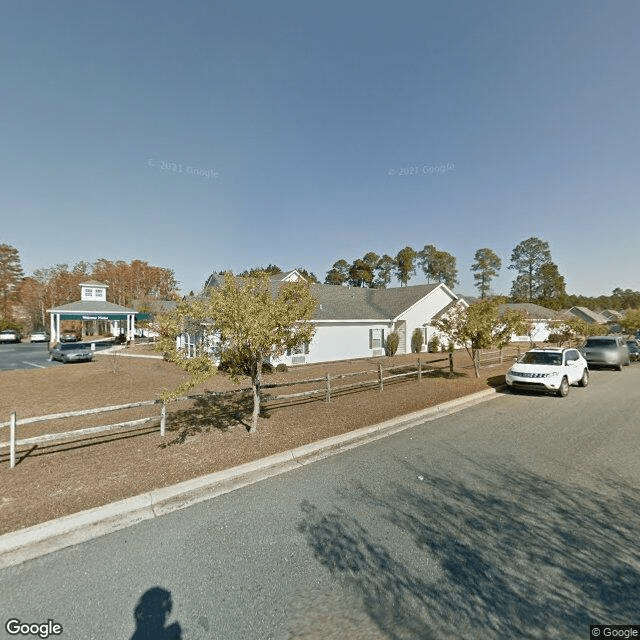
15 Kent Road, Tifton, GA 31794
For more information about senior living options: (866) 208-4318
The Suites At Cypress Pond Costs & Pricing
The Suites At Cypress Pond offers competitive pricing for its accommodations, appealing to both local and state residents. For a studio, the cost is $3,040 per month, which is below the county average of $3,130 and significantly lower than the state average of $3,520. The one-bedroom unit reflects a stable price point at $3,450, aligning perfectly with Tift County's costs while remaining slightly higher than the overall Georgia average of $3,412. In terms of two-bedroom options, The Suites At Cypress Pond charges $3,890 per month - still more affordable than Tift County's average of $4,245 but slightly above Georgia's statewide figure of $3,921. Overall, these pricing structures suggest that The Suites At Cypress Pond offers attractive options for potential residents considering both county and state averages.
| Floor plans | The Suites At Cypress Pond | Tift County | Georgia |
|---|---|---|---|
| Studio | $3,040 | $3,130 | $3,520 |
| 1 Bedroom | $3,450 | $3,450 | $3,412 |
| 2 Bedrooms | $3,890 | $4,245 | $3,921 |
Memory care communities with a similar price nearby
-
from -$540 / mo
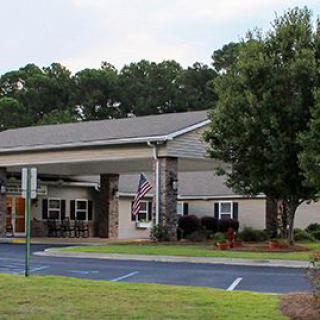
Legacy Village Of Tifton
$2,500 to $4,600 / month3.7 miles away
Overall Review of The Suites At Cypress Pond
Pros
 The staff at Cypress Pond kept residents clean and attentive to their needs.
- The reviewer felt blessed to have placed their parents at Cypress Pond.
- Cypress Pond offered a compassionate alternative to traditional nursing homes.
Cons
 They are neglected in nursing homes.
Review
This community is best suited for families seeking a smaller, home-like assisted living option in Tifton that prioritizes cleanliness and attentive daily care over institutional formality. The placement story centers on a long-term commitment, the reviewer’s parents spent the last three years at Cypress Pond, an experience that implies stability and a caregiving approach that feels steady and predictable. Cleanliness and responsiveness to daily needs are highlighted as hallmarks, suggesting a setting where routine and comfort trump the clinical vibe of larger facilities. For families aiming to keep loved ones out of a nursing home while preserving dignity and familiar routines, Cypress Pond presents a practical, no-frills path to that goal.
Who may want to consider alternatives? If medical complexity requires robust oversight, or if a memory-care program with trained staff and specialized routines is non-negotiable, this community may not fully meet those needs. The single positive review does not establish a broad evidence base for clinical capabilities, fall prevention programs, or the breadth of life-enrichment activities. In addition, families should scrutinize budget fit, room configurations, and the availability of a future continuum of care should care needs escalate. In short, Cypress Pond is a solid match for those prioritizing dependable cleanliness and responsive daily care, but it may not be the best fit for high-acuity or memory-care residents.
Key pros clearly offset some common concerns found in smaller settings. Cleanliness and attentiveness translate into consistent daily comfort, safety, and a sense that residents are genuinely looked after. The experience described reinforces a protective contrast to neglect that can occur in less well-staffed environments, and that peace of mind matters when choosing a home for aging parents. Yet the main constraints emerge from the limited information provided: no explicit details on staffing ratios, on-site medical support, or the range of activities and therapy options. Without those specifics, families must balance the favorable impression of care with the practical need for verifiable clinical capability and engagement programs.
From a practical decision standpoint, Cypress Pond serves well for families prioritizing a calm, clean living environment and the comfort of long-term placement. Proximity to home, predictable routines, and a focus on personal care can yield reliable day-to-day quality and fewer hospital-like experiences. However, the absence of explicit information about medical oversight, transportation coordination, or specialized programming means potential gaps for those needing frequent clinical monitoring or active social engagement. The prudent course is to verify what the facility can sustain in terms of 24/7 caregiving capacity, medication administration, and engagement opportunities before committing long-term.
For due diligence, schedule a direct tour with real-time observations: watch how staff respond to calls, assess cleanliness in common areas and rooms, and note the warmth of interactions with residents. Ask blunt questions about staffing levels by shift, the availability of licensed nurses, and how care plans are developed and updated. Obtain a clear, itemized contract that outlines what is included in the base rate and what costs could escalate with enhanced services. Request sample menus, activity calendars, transportation options, and resident rights documentation. If possible, speak with current residents or families to gauge consistency, morale, and the sustained quality of care over time.
Verdict: The Suites at Cypress Pond is a practical, solid choice for families seeking a respectful, clean, and attentive home-like setting for loved ones who no longer require intensive medical care but still need daily assistance. It is not the optimal pick for those whose priorities include robust medical oversight, a formal memory-care program, or a broad continuum of care within a single campus. The strong points, cleanliness and responsive caregiving, are meaningful and can meaningfully reduce the risk of neglect that shadows some smaller facilities. With careful vetting and confirmation of clinical capabilities, Cypress Pond can be a dependable, compassionate home where dignity and daily routine are consistently honored.
 50 resident community capacity
 Assisted Living
 Memory Care
 Cats allowed
 Dogs allowed
 Activities on-site
 Air-conditioning
 Beauty salon
 Cable or satellite TV
 Devotional services on-site
 Dining room
 Fully furnished
 Garden
 Ground floor units
 Housekeeping services
 Indoor common areas
 Kitchenette
 Move-in coordination
 Outdoor common areas
 Respite or short term stays offered
 Restaurant-style dining
 Small library
 Telephone
 Wi-Fi/high-speed internet available
 24-hour call system
 Ambulatory care
 Assistance with bathing
 Assistance with dressing
 Assistance with transfers
 Diabetes diet
 Diabetic care
 Incontinence care
 Medication management
 Mental wellness program
 Special dietary restrictions
 BBQs or picnics
 Birthday parties
 Live dance or theater performances


 Understanding Dementia Through Its Seven Stages: A Comprehensive Look at Progression and Expectations
 A Holistic Dementia Care Guide: Effective Strategies for Memory Support
 Memory Care Pathways: A Holistic Guide to Dementia Support