
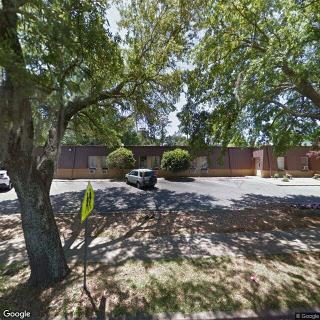
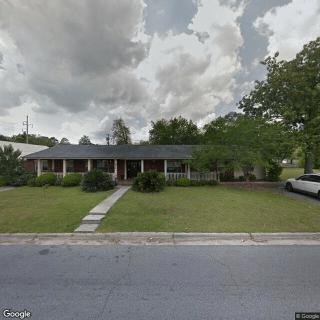
210 West Loomis Street, Thomasville, GA 31792
For more information about senior living options: (866) 208-4318
Overall Review of Southwest Community Forensic Services
Pros
 Ms Edwards is very helpful.
- The reviewers bless the work done to help others.
Cons
 They could never get help or resources from the place, despite reaching out several times.
- They note that funding is limited in the small city, which leads to a lack of support.
Review
Southwest Community Forensic Services in Thomasville, GA appears best suited for families seeking a narrow set of support services tied to forensic or administratively oriented assistance rather than a conventional assisted-living environment. The community carries a practical, small-town footprint and a mixed performance signal: a 4.2 out of 5 rating from five reviews, with four five-star endorsements and one starkly negative experience. That spread suggests solid strengths in areas where the staff can engage directly, but it also signals that expectations for consistent, day-to-day living support may not align with what this site is designed to deliver.
Those who should consider alternatives are families prioritizing dependable daily care, predictable staffing, and robust resources for ongoing senior living needs. If the core requirement is round-the-clock personal assistance, nutrition management, housekeeping, and on-site medical oversight typical of traditional assisted living, this site is unlikely to meet those expectations. The city of Thomasville’s funding realities emerge in the feedback as a real constraint, implying that residents may encounter gaps in resource availability or timely support that standard senior communities typically guard against.
On the positive side, the reviews highlight a tangible, client-facing strength: a willingness to help and a direct line to someone who can guide families through options. Ms. Edwards, in particular, is cited as notably helpful, signaling that when contact is made, there can be meaningful assistance, especially in navigating housing-related questions or connecting with broader community resources. The small-town setting can translate into a more personal touch and a quicker, if imperfect, referral process for individuals who value straightforward, human-assisted guidance over anonymous, large-system directories.
Yet the main cons remain material and recurring. The most troubling is limited funding and its ripple effect: scarce resources, inconsistent availability, and a sense that timely help may not be reliably within reach. One review notes frustration at repeated outreach attempts without concrete results, underscoring a risk of misalignment between expectations and what can be delivered. Scheduling friction is also implied by the “Come there next month” line, suggesting that responsiveness and housekeeping of appointments may lag in ways that disrupt planning for families already juggling transitions.
In decision-making terms, this community should be viewed as a potential resource hub rather than a living option. Prospective buyers or family decision-makers are advised to secure a clear, written scope of what the site will provide, and to insist on a dedicated liaison who can commit to concrete timelines and follow-through. Before any commitment, verify the specific services offered, the funding or payor arrangements, and the expected cadence of communication. Given the reported funding constraints, it is wise to pair outreach here with established, on-site assisted living communities that offer transparent pricing, consistent staffing, and guaranteed daily-care services.
The best overall guidance is pragmatic and unambiguous: pursue this site if the goal is targeted guidance, housing-related navigation, or access to a responsive point of contact when other options fall short. Use caution if daily living support, predictable care routines, or robust on-site resources are non-negotiable priorities. For families weighing options, prioritize communities with proven, stable funding and reliable 24/7 care infrastructure, and treat Southwest Community Forensic Services as a supplementary resource, one that can be valuable for specific questions and referrals but not as a substitute for a full-service assisted living arrangement.
 6 resident community capacity
 Assisted Living
 Cable or satellite TV
 Dining room
 Fully furnished
 Garden
 Housekeeping services
 Move-in coordination
 Outdoor space
 Telephone
 Wi-Fi/high-speed internet available
 24-hour supervision
 Activities of daily living assistance
 Assistance with bathing
 Assistance with dressing
 Assistance with transfers
 Diabetes diet
 Meal preparation and service
 Medication management
 Special dietary restrictions
 Transportation arrangement (medical)
 Transportation to doctors appointments




 Understanding the Distinctions: Assisted Living and Memory Care Explained
 Guiding Elderly Parents Who Refuse Assisted Living: 6 Practical Steps
 Your Comprehensive Guide to Luxury Assisted Living: Elevated Facilities, Amenities, and Costs