Four Seasons Adult Care in Sylvania, GA

Information last verified:

108 Robbins Street, Sylvania, GA 30467

For more information about senior living options: (844) 490-3973

5 from 11 reviews
5 stars
11
4 stars
0
3 stars
0
2 stars
0
1 stars
0

Overall Review of Four Seasons Adult Care

Pros

  • pro 4 Seasons Home Care provided timely updates and 24/7 in-home care when needed.
  • pro Erica and Nkem were helpful coordinators who worked smoothly with the hospice team.
  • pro The caregivers were caring and compassionate, with Grace singled out for exceptional kindness.
  • pro The staff is nice, understanding, and works well as a team, acknowledging employees’ efforts.
  • pro Erica is an incredible coordinator—prompt, thoughtful, reliable, and professional.
  • pro 4 Seasons can be trusted to provide reliable care for loved ones with dementia.
  • pro They quickly step in on short notice and provide peace of mind to families.
  • pro The care team is attentive, proactive, and maintains regular communication to meet evolving needs.
  • pro The caregivers are professional, loving, and deliver high-quality care; families highly recommend.
  • pro Erica Araujo is sincerely appreciated for her support as well as for serving as the primary caregiver.

Cons

  • pro It wasn’t perfect.
  • pro Caregiver matches were not always a good fit for mom and her disease.
  • pro The reviewer noted mixed results with two other companies.

Review

Four Seasons is best suited for families that need immediate, flexible, in-home caregiving with a strong emphasis on dementia support and round-the-clock coverage. The reviews repeatedly highlight how quickly the team can mobilize the right level of care, even on short notice, and how effectively coordination with hospice partners can be managed. For families facing a crisis or a rapid change in a loved one’s condition, this provider consistently delivers 24/7 staffing, ongoing updates, and hands-on help that keeps a loved one safely at home rather than institutionalized. The underlying message is clear: when the priority is continuity of home life with dependable, compassionate care that can scale up or down as needs evolve, Four Seasons stands out as a practical, reliable choice. The caregivers’ warmth, coupled with a professional office team that stays in touch, creates a tangible sense of stability during what is often a volatile period.

Yet this is not the option for every situation. Families seeking a traditional assisted living or memory-care facility with on-site, fixed residents may want alternatives that provide a more centralized environment and predictable daily schedules. If the preference is for a fixed residence with on-premises nursing oversight and a structured campus, a facility-based model may deliver a different set of benefits, including centralized programming and a more controlled environment. For those who want in-home care but with a lighter touch or less emphasis on 24/7 coverage, other agencies could offer meet-and-greet simplicity or cost structures that align differently with budget realities. In short, when the goal is a home-first approach with aggressive responsiveness, Four Seasons excels; when the goal is a facility-centric living experience with guaranteed on-site medical staffing, alternatives deserve close scrutiny.

The strongest positives are concrete and practical. The ability to deploy fully staffed, 24/7 care at a moment’s notice stands above most competitors and translates into real peace of mind for families facing hospitalizations or rapid changes in a loved one’s condition. The care coordinators, especially Erica, emerge as lever points for reliability: prompt responses, thoughtful scheduling, and active problem-solving that stays ahead of evolving care needs. Dementia care gets particular attention, with caregivers who are calm, patient, and capable of adjusting to shifts in cognition and behavior. The reviews consistently note that the office team supports families, and Erica’s leadership is repeatedly credited with keeping care plans aligned with evolving preferences and medical realities. The result is a dependable backbone that reduces worry during fragile moments and sustains home life with dignity and compassion.

There is a candid recognition of imperfect moments, which makes the overall assessment more credible. Not every match between caregiver and patient lands perfectly on the first try, and there are times when adjustments are necessary to address a loved one’s changing dementia profile or personal rhythms. What shifts the balance decisively is how quickly Four Seasons responds to concerns and whether it can reassign caregivers to improve fit. The reviews show rapid feedback loops, with office staff stepping in to reconfigure the team, communicate progress, and reassure families that the care plan remains appropriate. A real-world caveat, tied to the merger mentioned in recent years, is that organizational changes can introduce transitional periods. Yet in practice, the stories emphasize continuity through proactive leadership, clear communication, and a demonstrated willingness to adapt, traits that matter most when a family depends on steady supervision and compassionate hands.

Decision-makers should use two lenses when evaluating Four Seasons. First, confirm the expectation of 24/7 home coverage and establish a clear point person, Erica or the equivalent care coordinator, so there is always a reliable contact for updates, scheduling, and care plan modifications. Second, probe the caregiver rotation process: how is compatibility assessed, how often are assignments adjusted, and what safeguards exist to ensure consistency despite turnover or scheduling shifts? The evidence from the reviews is compelling: for dementia care at home, for crisis-ready deployment, and for coordinated support with hospice, the approach works remarkably well. Prospective clients should also request references from families who navigated transitions after hospitalization or memory-care changes to gauge how the team handles evolving needs over time.

In practical terms, Four Seasons should be seen as a highly capable partner for families prioritizing home-based living with 24/7 staffing, responsive coordination, and a compassionate, professional caregiver corps. It’s a potent fit for those navigating dementia, post-hospital recovery, or sudden shifts in care requirements where stability and rapid responsiveness are non-negotiable. The main caveat is to acknowledge possible variations in caregiver matching and the potential for transitional changes after organizational shifts. With deliberate planning, defining expectations up front, locking in a consistent care coordinator, and engaging in open, ongoing communication, families can leverage the depth of experience and the proven commitment reflected in the reviews. When these conditions align, Four Seasons delivers a practical, experience-tested path to keeping a loved one at home with dignity, safety, and genuine human care.

Features

Housing

  • 6 resident community capacity 6 resident community capacity

Types of Care

  • Assisted Living Assisted LivingAssisted living facilities provide crucial support and care for seniors who may need help with daily tasks such as medication management, bathing, and meal preparation. These communities offer a safe and comfortable environment where seniors can maintain their independence while receiving the assistance they need to thrive in their golden years.
  • Board and Care Home Board and Care HomeBoard and care homes provide a smaller, more intimate setting for seniors who require assistance with daily tasks but do not need the level of care offered by a nursing home. They offer personalized care, meals, and social activities in a homelike environment, ensuring that seniors receive individualized attention and support in their golden years.

Amenities

  • Cable or satellite TV Cable or satellite TVCable or satellite TV is important for seniors because it provides entertainment, news, and companionship, helping to combat loneliness and boredom. It also offers a wide range of programming options tailored to different interests and preferences.
  • Dining room Dining roomDining rooms are important for seniors as they provide a space for socialization, connection, and nutritious meals. They offer opportunities for residents to bond over shared meals, foster a sense of community, and promote healthy eating habits. Dining rooms also ensure that seniors have access to well-balanced meals tailored to their dietary needs and preferences.
  • Fully furnished Fully furnishedFully furnished senior living communities are important for seniors because they provide convenience, comfort, and a hassle-free moving experience. Seniors can easily settle into their new living space without the stress of having to buy and move furniture. This allows them to focus on enjoying their new home and community.
  • Garden GardenGardens are important for seniors as they provide a peaceful and therapeutic environment for relaxation, physical activity, and socialization. Being in nature has been shown to reduce stress, improve mood, and promote overall well-being. Gardens also offer opportunities for seniors to engage in gardening activities, which can improve mobility, flexibility, and cognitive function. Additionally, gardens create a sense of community and connection with others who share a passion for plants and outdoor spaces.
  • Housekeeping services Housekeeping servicesHousekeeping services are important for seniors because they help maintain a clean and safe living environment, promote independence, and reduce the risk of accidents or illnesses. Additionally, having assistance with household chores can alleviate physical strain and allow seniors to focus on other aspects of their well-being.
  • Move-in coordination Move-in coordinationMove-in coordination is important for seniors because it helps ease the transition into their new living environment. It ensures that all logistics, such as packing, organizing movers, and setting up utilities are taken care of, allowing seniors to focus on settling in and adjusting to their new home. Having a smooth move-in process can alleviate stress and anxiety, making the transition smoother and more enjoyable for seniors.
  • Outdoor space Outdoor spaceOutdoor spaces are important for seniors as they provide opportunities for physical activity, social interaction, exposure to natural light and fresh air, and a sense of connection to nature. Having access to outdoor spaces can improve overall well-being and quality of life for older adults living in senior communities.
  • Telephone TelephoneTelephones are important for seniors as they provide a lifeline for communication with loved ones, emergency services, and healthcare providers. They offer a sense of security and independence, enabling seniors to stay connected and access assistance when needed.
  • Wi-Fi/high-speed internet available Wi-Fi/high-speed internet availableWi-Fi/high-speed internet is important for seniors to stay connected with loved ones, access online resources, and participate in virtual activities to combat feelings of loneliness and isolation. It also allows them to easily manage healthcare needs, access entertainment, and engage in lifelong learning opportunities.

Care Services

  • 24-hour supervision 24-hour supervision24-hour supervision is important for seniors to ensure their safety, well-being, and access to immediate assistance in case of emergencies or health issues. This constant support provides peace of mind for both seniors and their loved ones, allowing them to age in place with dignity and security.
  • Activities of daily living assistance Activities of daily living assistanceActivities of daily living assistance are important for seniors because they provide essential support with tasks such as eating, bathing, dressing, and mobility. This assistance helps seniors maintain their independence, dignity, and overall quality of life as they age.
  • Assistance with bathing Assistance with bathingAssistance with bathing is crucial for seniors as it helps maintain personal hygiene, prevents infections, and ensures their overall well-being and comfort. It also provides a sense of dignity and independence for seniors who may struggle with this task on their own.
  • Assistance with dressing Assistance with dressingAssistance with dressing is important for seniors because it helps maintain their independence, promotes personal hygiene, prevents accidents and injuries, and improves overall quality of life. This service ensures that seniors can continue to dress comfortably and confidently, despite any physical limitations they may have.
  • Assistance with transfers Assistance with transfersAssistance with transfers is crucial for seniors as it helps prevent falls and injuries, maintains their independence, and ensures they can safely navigate their living environment. It also provides peace of mind for both seniors and their loved ones.
  • Coordination with health care providers Coordination with health care providersCoordination with health care providers is crucial for seniors to ensure proper medical care, medication management, and overall well-being. This collaboration helps prevent overlapping treatments, track progress more effectively, and provide comprehensive support tailored to individual needs.
  • Diabetes diet Diabetes dietA diabetes diet is crucial for seniors as it helps manage blood sugar levels, reduce risks of complications, and improve overall health and well-being. By following a balanced and nutritious diet tailored to their specific needs, seniors can better control their diabetes and enhance their quality of life.
  • Meal preparation and service Meal preparation and serviceMeal preparation and service are crucial for seniors as they may have limited mobility or energy to cook nutritious meals. Having access to healthy and convenient food options can ensure they are getting the proper nutrition needed to maintain their overall health and well-being.
  • Medication management Medication managementMedication management is crucial for seniors to ensure they are taking the right medications at the correct dosages and times. This helps prevent adverse drug interactions, reduces the risk of medication errors, and promotes overall health and well-being. Proactive management also allows for adjustments as needed based on changing health conditions or new prescriptions.
  • Special dietary restrictions Special dietary restrictionsSpecial dietary restrictions are important for seniors because age-related changes in metabolism and health conditions can make it difficult for their bodies to process certain foods. By following a diet tailored to their specific needs, seniors can maintain their overall health and well-being, manage chronic conditions, and reduce the risk of complications such as malnutrition or food interactions with medications.
  • Transportation arrangement (medical) Transportation arrangement (medical)Transportation arrangements for medical purposes are essential for seniors as they may have difficulty driving themselves to appointments or accessing public transportation. Having reliable and safe transportation options ensures that seniors can receive timely medical care and maintain their health and well-being.
  • Transportation to doctors appointments Transportation to doctors appointmentsTransportation to doctors' appointments is crucial for seniors as it ensures they have access to necessary medical care and support for their health needs. Without reliable transportation, seniors may struggle to attend important appointments, leading to potential delays in treatment and health complications. Providing transportation services helps seniors maintain their overall well-being and quality of life.
Dining

  • Diabetes diet Diabetes dietA diabetes diet is crucial for seniors as it helps manage blood sugar levels, reduce risks of complications, and improve overall health and well-being. By following a balanced and nutritious diet tailored to their specific needs, seniors can better control their diabetes and enhance their quality of life.
  • Special dietary restrictions Special dietary restrictionsSpecial dietary restrictions are important for seniors because age-related changes in metabolism and health conditions can make it difficult for their bodies to process certain foods. By following a diet tailored to their specific needs, seniors can maintain their overall health and well-being, manage chronic conditions, and reduce the risk of complications such as malnutrition or food interactions with medications.

Activities

  • Community-sponsored activities Community-sponsored activitiesCommunity-sponsored activities are important for seniors as they provide opportunities for social interaction, mental stimulation, and physical activity. These activities can help improve overall well-being, combat loneliness and isolation, and promote a sense of belonging and purpose among older adults.
  • Scheduled daily activities Scheduled daily activitiesScheduled daily activities are important for seniors because they provide structure, socialization, mental stimulation, and physical activity. Engaging in regular activities can improve overall well-being and quality of life for seniors living in a community setting.

Description

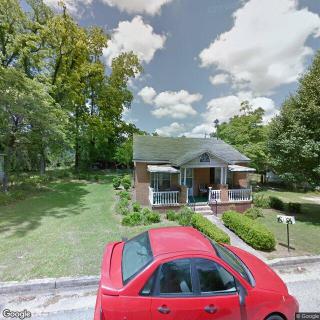
Four Seasons Adult Care in Sylvania, GA is a welcoming and fully furnished board and care home that offers exceptional quality care for seniors. Our community is designed to provide a comfortable and homely environment where residents can receive the assistance they need while maintaining their independence.

At Four Seasons Adult Care, we prioritize the well-being of our residents by offering a wide range of amenities. Our dining room provides delicious meals prepared with special dietary restrictions in mind. We also offer housekeeping services to ensure that our residents' living spaces are always clean and tidy. Additionally, our outdoor space and garden provide a peaceful setting for relaxation or socializing with fellow residents.

We understand the importance of coordinating healthcare needs, which is why we offer move-in coordination services, transportation arrangements for medical appointments, as well as coordination with healthcare providers. Our dedicated staff is trained to provide assistance with activities of daily living such as bathing, dressing, and transfers. Medication management ensures that residents receive their prescribed medications on time.

Residents at Four Seasons Adult Care enjoy an active lifestyle through scheduled daily activities designed to promote engagement and socialization. Cafes, parks, pharmacies, restaurants, places of worship, physicians' offices, and hospitals are conveniently located nearby, providing easy access to essential services.

If you or your loved one are seeking a supportive and comfortable assisted living community in Sylvania, GA, Four Seasons Adult Care is here to provide compassionate care and enriching experiences.

Nearby Places of Interest

Places of Worship

  • True Love Tabernacle (0.2 miles)
  • Saint Andrews Methodist Episcopal Church (0.2 miles)
  • First United Methodist Church (0.4 miles)
  • Liberty Presbyterian Church (0.4 miles)
  • Ogeechee Church of God (0.4 miles)
  • Dalton Baptist Church (0.5 miles)
  • Bible Church Of God (0.5 miles)

Restaurants

  • Shannon Vineyards (0.6 miles)
  • Huddle House (0.8 miles)
  • McDonald's (0.8 miles)
  • Subway (0.9 miles)
  • Chilitos Mexican Grill (0.9 miles)
  • Pizza Hut (0.9 miles)
  • Pop's Kitchen (0.9 miles)

Hospitals

  • Screven County Hospital (1 miles)
  • Optim Medical Center-Screven (1 miles)
  • Jenkins County Hospital (18 miles)

Physicians

  • Screven Medical Associates (1 miles)

Cafes

  • 7th Day Cafe (1.1 miles)
  • Honey Cafe (11.5 miles)
  • Cafe On Cotton (18.3 miles)

Pharmacies

  • Medicap Pharmacy (1.1 miles)

Parks

  • Sylvan Heights Park (1.4 miles)
  • Big Playground (3.1 miles)

Transportation

  • Plantation Airport (7.5 miles)
  • Teston's Taxidermy (10.4 miles)

Frequently Asked Questions

Where is Four Seasons Adult Care?

Nearby Communities

  • DENNIS AND DELSIE ADULT CARE HOME

    DENNIS AND DELSIE ADULT CARE HOME

    Sylvania, GA

    2 from 1 review
     

    pro Convenient location with nearby dining, parks, pharmacy, hospitals, and places of worship; dedicated staff delivering compassionate, exceptional care.



  • Dennis & Dilsie Lawton Personal Care Home

    Dennis & Dilsie Lawton Personal Care Home

    Sylvania, GA


    pro Small, homelike setting with personalized, 24-hour supervision.

  • Sylvania Personal Care Home

    Sylvania Personal Care Home

    Sylvania, GA

    2 from 1 review
     

    pro Small, intimate community with personalized care.

  • Syl-View Health Care Center

    Syl-View Health Care Center

    Sylvania, GA

    3.7 from 17 reviews
     

    pro Extensive on-site care, activities, and transportation options with multiple amenities.

  • Weaver's Manor

    Weaver's Manor

    Sylvania, GA

     
    $4,250 to $4,500 / month

    pro Home-like setting with 24/7 supervision and ADL support.

  • M & M PERSONAL CARE HOME

    M & M PERSONAL CARE HOME

    Sylvania, GA

    2 from 1 review
     

    pro Strong access to nearby dining, healthcare, and parks.

  • Lakeview Manor

    Lakeview Manor

    Springfield, GA

    5 from 16 reviews
    $1,500 to $2,100 / month

    pro Friendly staff, engaging activities, and affordable Independent Living.

Related Resources

  • independent living vs assisted livingExploring the Path to Senior Living: A Comprehensive Look at Independent Living and Assisted Living

    The article examines senior housing options, detailing the distinctions between independent living and assisted living, along with the emerging "independent assisted living" model that blends both approaches. It highlights the importance of assessing individual needs, preferences, and financial factors in making informed decisions about suitable living arrangements for seniors.

  • is assisted living tax deductibleIs Assisted Living Deductible on Your Taxes? Understanding the Complexities of Assisted Living Expenses and Deductions

    The deductibility of assisted living expenses on taxes hinges on factors like the individual's medical condition and service nature, typically requiring the resident to be "chronically ill" per IRS definitions. Taxpayers may deduct eligible medical expenses related to personal care services but generally not rent unless primarily for medical care, and they should maintain thorough documentation to support claims while considering itemizing versus standard deductions.

  • va benefits for assisted livingAssisted Living Support for Veterans: A Complete and Detailed Overview

    The guide highlights the importance of assisted living facilities for aging veterans needing daily support, discusses unique challenges they face, and outlines available financial assistance from the VA, including the Aid and Attendance program. It emphasizes understanding eligibility criteria and navigating the VA system to access necessary benefits effectively.