
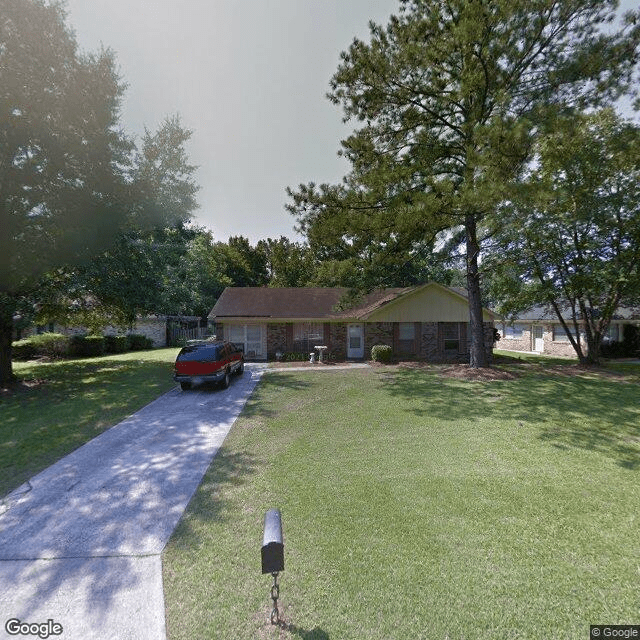
231 Holiday Circle, Savannah, GA 31419
For more information about senior living options: (866) 208-4318
Serenity House Costs & Pricing
Serenity House offers an appealing pricing structure for its residents, particularly when compared to the costs typical in Chatham County and across Georgia. For a semi-private room, Serenity House charges $1,500 per month, which is significantly lower than the county average of $2,830 and the state average of $2,529. The private room option at Serenity House is also competitively priced at $1,600, well beneath both Chatham County's average of $3,077 and Georgia's average of $2,864. This careful pricing strategy not only highlights Serenity House's commitment to affordability but also underscores its value proposition within the local market.
| Floor plans | Serenity House | Chatham County | Georgia |
|---|---|---|---|
| Semi-Private | $1,500 | $2,830 | $2,529 |
| Private | $1,600 | $3,077 | $2,864 |
Senior living communities with a similar price nearby
-
About the same

Lakeview Manor
$1,500 to $2,100 / month23.8 miles away -
from +$295 / mo
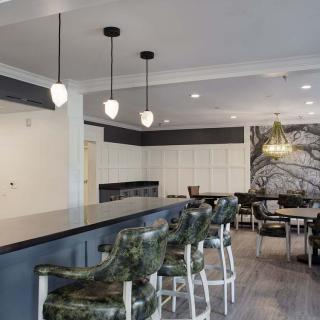
The Social at Savannah
$1,795 to $4,030 / month5.5 miles away -
About the same

Charis Personal Care Homes
$1,500 to $2,000 / month10.5 miles away -
from +$100 / mo
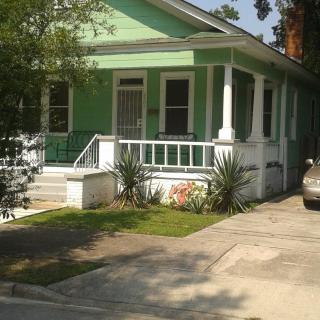
V and B Personal Care Home
$1,600 / month7.9 miles away -
About the same
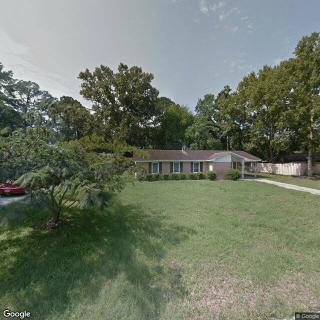
JZC Personal Care Home
$1,500 / month6.5 miles away
Overall Review of Serenity House
Pros
 They enjoyed a Boar's Head Black Forest ham sandwich and chips for lunch.
- They appreciated the convenient stop while passing through.
- The meal was tasty and satisfying for their travel day.
Review
Serenity House in Savannah is best suited for seniors and families who prize a calm, no-frills living environment where routine and simplicity trump flash. The available evidence points to a setting that emphasizes practical, straightforward logistics rather than high drama or ornate amenities. A brief, everyday observation, someone stopping to pick up a simple lunch, a boar’s head black forest ham sandwich and chips for a resident during a pharmacy stop, suggests a facility that blends routine care with easy, nearby conveniences. It’s a clue that the community can function without requiring families to navigate a maze of services to get a resident fed or supported during a routine outing.
Those who may want to consider alternatives are families seeking robust clinical programming, strong specialty care, or a vibrant, highly structured activity calendar. If memory care needs, intense rehab services, or highly proactive care coordination are non-negotiables, this community may not measure up to peers that publish extensive care outcomes, staffing models, and program variety. For seniors who require frequent, visible clinical oversight or who thrive on a diverse social milieu, a more resource-rich option could produce steadier, more explicit quality signals.
The potential strengths here, simplicity, predictability, and ease of access, matter in concrete ways. A low-key environment can reduce anxiety for residents who prefer quiet routines and dislike over-stimulating settings. The anecdote about convenient dining during a quick outing hints at practical, resident-friendly logistics: families can plan short visits or quick errands without friction, and meals or grab-and-go options may be accessible without a lot of red tape. In a market where some facilities over-rotate toward luxury or aggressive marketing, Serenity House’s understated posture can translate into steadier day-to-day living without the burden of prestige expectations.
Yet the same simplicity also highlights clear vulnerabilities. The single, short observation provides no solid footing on care quality, staffing levels, responsiveness, safety protocols, or the breadth of on-site services. There is no explicit clarity about medical supervision, medication management, memory care capabilities, physical therapy availability, or resident-to-staff ratios. For families evaluating trade-offs, these unknowns become meaningful risks: without transparent metrics, the decision must hinge on direct tours, conversations with staff, and a careful appraisal of whether a resident’s needs align with what the community can reliably deliver.
A practical decision framework follows. First, demand a candid tour with specific questions about staffing hours, clinician access, emergency protocols, and how care plans are developed and updated. Second, seek a clear picture of programming: daily activities, social opportunities, mobility support, and transportation options. Third, request examples of resident outcomes, safety features (alarm systems, fall prevention, medication safeguards), and how transitions are handled if a higher level of care becomes necessary. Fourth, verify financial terms: upfront costs, ongoing fees, what is included, and any long-term residency options if care needs evolve. Finally, speak directly with current residents and their families to gauge perceived responsiveness, warmth, and consistency of care.
Bottom line: Serenity House offers a practical, unglamorous option that can fit seniors who value routine, a calm atmosphere, and straightforward logistics over high-end amenities or aggressively marketed programming. It may be a strong fit for those who place emphasis on easy access for visitors, predictable daily rhythms, and uncomplicated meal logistics. For families prioritizing robust clinical care, expansive activity calendars, or detailed performance transparency, this community deserves a careful comparison with peers that provide clearer evidence of care outcomes and stronger care infrastructures. In any case, a disciplined evaluation, tours, staff conversations, and direct resident input, will determine whether Serenity House delivers the balance of safety, support, and serenity that aligns with the senior’s needs and the family’s expectations.
 Board and Care Home
 Bath tubs
 Devotional services off-site
 Private
 Savannah International (7 miles away)
 Ambulatory care
 Meals provided


 Is a Geriatric Care Manager the Right Choice for Your Family?
 Compassionate Conversations: How to Comfort Someone Who Is Grieving
 Home Health Care Aides: Understanding Their Role and Supporting Your Family