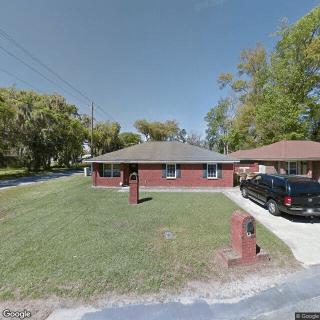
Home Away Personal Care in Savannah, GA

Information last verified:

3329 Iantha Street, Savannah, GA 31404

For more information about senior living options: (844) 490-3973

4.2 from 15 reviews
5 stars
12
4 stars
0
3 stars
0
2 stars
0
1 stars
3

Overall Review of Home Away Personal Care

Pros

  • pro The caregivers were kind, gentle, and very helpful.
  • pro The first caregivers were a perfect fit for companion care and bathing.
  • pro Comfort Keepers was easy to work with as health needs changed and during hospitalizations.
  • pro David was professional and responsive to requests.
  • pro The service is highly recommended.
  • pro Sheena provides care with the same warmth as if caring for her own mother.
  • pro Courtney and Claudette went the extra mile for the client’s mom, including home-cooked meals.
  • pro Nancy and the team were quick to respond and set up care.

Cons

  • pro They had a horrible experience and would not recommend Comfort Keepers.
  • pro They gave the service a 0/10 and would not recommend it.

Review

This Savannah-based in-home care option is best suited for families that want steady, home-based support with a strong emphasis on companionship and practical daily help, and with the willingness to add nursing oversight if medical needs change. It fits households seeking warm, reliable caregivers who can assist with bathing, light housekeeping, meal support, and errands, all delivered in familiar surroundings. The service carries a respectable 4.2 rating from 15 reviews, and most families report highly positive experiences. Yet a minority voices clear dissatisfaction, signaling that experiences can vary and fit may hinge on caregiver matching and ongoing supervision.

The strongest selling points are the people delivering the care. Reviewers consistently emphasize kindness, warmth, and attentiveness, with caregivers who “go the extra mile” and treat clients like family. Specific examples include caregivers who helped put away Christmas decorations, prepared home-cooked meals, and stepped in to support a deteriorating health situation with calm coordination. The ability to scale services as needs shift stands out: quick rescheduling during health changes, the option to add nursing care for medication administration, and a flexible approach to daily routines. A named staff contact who communicates promptly underpins the sense of reliability that many families value.

Where the service falters, as reflected by a small but vocal minority, centers on experience quality and consistency. The harshest reviews, unambiguous “0/10, do not recommend” assessments, signal that not every client experiences the same level of engagement or fit. Such outliers often point to caregiver alignment issues, uneven staffing, or gaps in meeting expectations. The data make clear that care outcomes hinge on the match between a family’s expectations and the specific caregiver team assigned, plus the degree of ongoing oversight from a supervising contact. In practical terms, a couple of highly negative experiences can coexist with a high overall average, but they cannot be ignored when planning a long-term arrangement.

Those pros can meaningfully offset the cons if approached with a structured, proactive strategy. When care teams are responsive, evidenced by rapid communication and flexible scheduling, and when caregivers establish rapport with both clients and family coordinators, problems from mismatches can be mitigated quickly. The availability of home-based nursing support for medication management further reduces risk for families with evolving medical needs, while the demonstrated willingness of staff to handle non-medical tasks at home adds measurable relief for overwhelmed caregivers. In other words, the positives tend to prevail for families who invest in careful caregiver matching, clear care plans, and a short, defined trial period to confirm compatibility.

Alternatives are worth considering for households where medical complexity exceeds what at-home support can safely manage, or where reliable caregiver consistency remains elusive. If 24/7 medical supervision is essential, or if a track record of dependable nurse staffing and standardized caregiver matching is a non-negotiable, families may prefer agencies with deeper clinical depth or a more formalized care-management structure. For some, transitioning to an assisted living setting offers the continuity of supervision and social engagement that cannot always be guaranteed with in-home care. Those weighing options should weigh not only the cost but the predictability of caregiver availability and the rigor of care coordination.

In the final decision, focus on clear expectations and due diligence. Conduct a thorough caregiver interview, request a matching plan that aligns personalities with needs, and ask for references or a short trial period to confirm fit. Require a dedicated care manager or supervisor who will oversee schedules, monitor changes in health status, and facilitate quick adjustments. Confirm the scope of services, response times, and the process for rescheduling or adding nursing care. Finally, verify pricing, including any add-ons for medications or housekeeping, so the plan remains sustainable as needs evolve. For families in Savannah seeking at-home support with proven warmth and the flexibility to scale, this option offers a compelling, practical path, provided the matching and oversight are actively managed.

Features

Housing

  • 6 resident community capacity 6 resident community capacity

Types of Care

  • Assisted Living Assisted LivingAssisted living facilities provide crucial support and care for seniors who may need help with daily tasks such as medication management, bathing, and meal preparation. These communities offer a safe and comfortable environment where seniors can maintain their independence while receiving the assistance they need to thrive in their golden years.
  • Board and Care Home Board and Care HomeBoard and care homes provide a smaller, more intimate setting for seniors who require assistance with daily tasks but do not need the level of care offered by a nursing home. They offer personalized care, meals, and social activities in a homelike environment, ensuring that seniors receive individualized attention and support in their golden years.

Amenities

  • Cable or satellite TV Cable or satellite TVCable or satellite TV is important for seniors because it provides entertainment, news, and companionship, helping to combat loneliness and boredom. It also offers a wide range of programming options tailored to different interests and preferences.
  • Dining room Dining roomDining rooms are important for seniors as they provide a space for socialization, connection, and nutritious meals. They offer opportunities for residents to bond over shared meals, foster a sense of community, and promote healthy eating habits. Dining rooms also ensure that seniors have access to well-balanced meals tailored to their dietary needs and preferences.
  • Fully furnished Fully furnishedFully furnished senior living communities are important for seniors because they provide convenience, comfort, and a hassle-free moving experience. Seniors can easily settle into their new living space without the stress of having to buy and move furniture. This allows them to focus on enjoying their new home and community.
  • Garden GardenGardens are important for seniors as they provide a peaceful and therapeutic environment for relaxation, physical activity, and socialization. Being in nature has been shown to reduce stress, improve mood, and promote overall well-being. Gardens also offer opportunities for seniors to engage in gardening activities, which can improve mobility, flexibility, and cognitive function. Additionally, gardens create a sense of community and connection with others who share a passion for plants and outdoor spaces.
  • Housekeeping services Housekeeping servicesHousekeeping services are important for seniors because they help maintain a clean and safe living environment, promote independence, and reduce the risk of accidents or illnesses. Additionally, having assistance with household chores can alleviate physical strain and allow seniors to focus on other aspects of their well-being.
  • Move-in coordination Move-in coordinationMove-in coordination is important for seniors because it helps ease the transition into their new living environment. It ensures that all logistics, such as packing, organizing movers, and setting up utilities are taken care of, allowing seniors to focus on settling in and adjusting to their new home. Having a smooth move-in process can alleviate stress and anxiety, making the transition smoother and more enjoyable for seniors.
  • Outdoor space Outdoor spaceOutdoor spaces are important for seniors as they provide opportunities for physical activity, social interaction, exposure to natural light and fresh air, and a sense of connection to nature. Having access to outdoor spaces can improve overall well-being and quality of life for older adults living in senior communities.
  • Telephone TelephoneTelephones are important for seniors as they provide a lifeline for communication with loved ones, emergency services, and healthcare providers. They offer a sense of security and independence, enabling seniors to stay connected and access assistance when needed.
  • Wi-Fi/high-speed internet available Wi-Fi/high-speed internet availableWi-Fi/high-speed internet is important for seniors to stay connected with loved ones, access online resources, and participate in virtual activities to combat feelings of loneliness and isolation. It also allows them to easily manage healthcare needs, access entertainment, and engage in lifelong learning opportunities.

Transportation

  • Savannah International (10 miles away) Savannah International (10 miles away)

Care Services

  • 24-hour supervision 24-hour supervision24-hour supervision is important for seniors to ensure their safety, well-being, and access to immediate assistance in case of emergencies or health issues. This constant support provides peace of mind for both seniors and their loved ones, allowing them to age in place with dignity and security.
  • Activities of daily living assistance Activities of daily living assistanceActivities of daily living assistance are important for seniors because they provide essential support with tasks such as eating, bathing, dressing, and mobility. This assistance helps seniors maintain their independence, dignity, and overall quality of life as they age.
  • Assistance with bathing Assistance with bathingAssistance with bathing is crucial for seniors as it helps maintain personal hygiene, prevents infections, and ensures their overall well-being and comfort. It also provides a sense of dignity and independence for seniors who may struggle with this task on their own.
  • Assistance with dressing Assistance with dressingAssistance with dressing is important for seniors because it helps maintain their independence, promotes personal hygiene, prevents accidents and injuries, and improves overall quality of life. This service ensures that seniors can continue to dress comfortably and confidently, despite any physical limitations they may have.
  • Assistance with transfers Assistance with transfersAssistance with transfers is crucial for seniors as it helps prevent falls and injuries, maintains their independence, and ensures they can safely navigate their living environment. It also provides peace of mind for both seniors and their loved ones.
  • Coordination with health care providers Coordination with health care providersCoordination with health care providers is crucial for seniors to ensure proper medical care, medication management, and overall well-being. This collaboration helps prevent overlapping treatments, track progress more effectively, and provide comprehensive support tailored to individual needs.
  • Diabetes diet Diabetes dietA diabetes diet is crucial for seniors as it helps manage blood sugar levels, reduce risks of complications, and improve overall health and well-being. By following a balanced and nutritious diet tailored to their specific needs, seniors can better control their diabetes and enhance their quality of life.
  • Meal preparation and service Meal preparation and serviceMeal preparation and service are crucial for seniors as they may have limited mobility or energy to cook nutritious meals. Having access to healthy and convenient food options can ensure they are getting the proper nutrition needed to maintain their overall health and well-being.
  • Medication management Medication managementMedication management is crucial for seniors to ensure they are taking the right medications at the correct dosages and times. This helps prevent adverse drug interactions, reduces the risk of medication errors, and promotes overall health and well-being. Proactive management also allows for adjustments as needed based on changing health conditions or new prescriptions.
  • Special dietary restrictions Special dietary restrictionsSpecial dietary restrictions are important for seniors because age-related changes in metabolism and health conditions can make it difficult for their bodies to process certain foods. By following a diet tailored to their specific needs, seniors can maintain their overall health and well-being, manage chronic conditions, and reduce the risk of complications such as malnutrition or food interactions with medications.
  • Transportation arrangement (medical) Transportation arrangement (medical)Transportation arrangements for medical purposes are essential for seniors as they may have difficulty driving themselves to appointments or accessing public transportation. Having reliable and safe transportation options ensures that seniors can receive timely medical care and maintain their health and well-being.
  • Transportation to doctors appointments Transportation to doctors appointmentsTransportation to doctors' appointments is crucial for seniors as it ensures they have access to necessary medical care and support for their health needs. Without reliable transportation, seniors may struggle to attend important appointments, leading to potential delays in treatment and health complications. Providing transportation services helps seniors maintain their overall well-being and quality of life.

Dining

  • Diabetes diet Diabetes dietA diabetes diet is crucial for seniors as it helps manage blood sugar levels, reduce risks of complications, and improve overall health and well-being. By following a balanced and nutritious diet tailored to their specific needs, seniors can better control their diabetes and enhance their quality of life.
  • Special dietary restrictions Special dietary restrictionsSpecial dietary restrictions are important for seniors because age-related changes in metabolism and health conditions can make it difficult for their bodies to process certain foods. By following a diet tailored to their specific needs, seniors can maintain their overall health and well-being, manage chronic conditions, and reduce the risk of complications such as malnutrition or food interactions with medications.

Activities

  • Community-sponsored activities Community-sponsored activitiesCommunity-sponsored activities are important for seniors as they provide opportunities for social interaction, mental stimulation, and physical activity. These activities can help improve overall well-being, combat loneliness and isolation, and promote a sense of belonging and purpose among older adults.
  • Scheduled daily activities Scheduled daily activitiesScheduled daily activities are important for seniors because they provide structure, socialization, mental stimulation, and physical activity. Engaging in regular activities can improve overall well-being and quality of life for seniors living in a community setting.

Description

The Home Away Personal Care in Savannah, GA is a board and care home that provides exceptional care services and amenities for seniors. This community offers a comfortable and supportive environment where residents can receive assistance with their activities of daily living, such as bathing, dressing, and transfers.

Residents at Home Away Personal Care can enjoy delicious meals prepared and served by the staff, with special dietary restrictions taken into consideration. The dining room provides a welcoming space for residents to gather and enjoy their meals together. Additionally, this community offers move-in coordination services to ensure a smooth transition for new residents.

The amenities at Home Away Personal Care are designed to enhance the quality of life for its residents. The fully furnished accommodations provide a cozy and home-like setting where seniors can feel comfortable. Outdoor spaces, such as gardens, provide opportunities for relaxation and fresh air. Residents can also stay connected with loved ones through Wi-Fi/high-speed internet and telephone services.

Home Away Personal Care takes pride in providing access to essential healthcare services. Transportation arrangements to medical appointments are provided, ensuring that residents can easily attend necessary appointments. Coordination with health care providers ensures that residents receive the appropriate care they need.

In terms of nearby conveniences, there are two cafes within close proximity to the community where residents can enjoy socializing or grabbing a cup of coffee. Two parks offer opportunities for outdoor activities and exercise. With 12 pharmacies nearby, medication management is easily accessible. Should any medical emergencies arise, there are seven hospitals located nearby.

Overall, Home Away Personal Care in Savannah, GA offers a nurturing and supportive environment where seniors can receive personalized care while enjoying various amenities and easy access to nearby facilities and services.

Nearby Places of Interest

Restaurants

  • Coach's Corner (0.6 miles)
  • Chick-Fil-A (0.6 miles)
  • Sisters of the New South (0.8 miles)
  • Krystal (1.2 miles)
  • The Wyld Dock Bar (1.3 miles)
  • Savannah Fried Chicken (1.5 miles)
  • Wendy's (1.8 miles)

Pharmacies

  • Walgreens (0.6 miles)
  • CVS Pharmacy (0.7 miles)
  • CVS Pharmacy (0.7 miles)
  • Medical Center Pharmacy (1.5 miles)
  • CVS Pharmacy (1.7 miles)
  • Compounding Solutions of Savannah (2 miles)
  • Walgreens (2 miles)

Cafes

  • Starbucks (0.7 miles)
  • Sentient Bean (3 miles)

Hospitals

  • Dva Renal Healthcare (1.2 miles)
  • Memorial Heart and Vascular (1.4 miles)
  • Memorial Health University Medical Center Answerone/Nurseone/Switchboard (1.4 miles)
  • Memorial Neuro ICU (1.4 miles)
  • Memorial University Medical Center - Pediatric ICU (1.5 miles)
  • Georgia Regional Hospital (2.4 miles)
  • St Joseph's/Candler Health (2.5 miles)

Physicians

  • Georgia Eye Institute (1.4 miles)
  • Atlantic Radiology Associates (1.4 miles)
  • Savannah Center For Respiratory and Criticl Cre Mdcne (1.4 miles)
  • The Center for Digestive & Liver Health and The Endoscopy Center (1.5 miles)
  • Curtis and Elizabeth Anderson Cancer Institute at MUMC (1.5 miles)
  • Nephrology Hypertension Medical Associates (1.6 miles)
  • Dr. Marianne M. Fleming, MD (1.6 miles)

Parks

  • Daffin Park (1.4 miles)
  • Ardsley Park - Hedman Park (2.1 miles)

Places of Worship

  • Asbury Memorial United Methodist Church (2.2 miles)

Frequently Asked Questions

Where is Home Away Personal Care?

Nearby Communities

  • Helen Braddy Personal Care

    Helen Braddy Personal Care

    Savannah, GA


    pro Exceptional assisted living with convenient access to amenities, healthcare, dining options, and spiritual support.

  • Brittany's Angels Personal Care Home 2

    Brittany's Angels Personal Care Home 2

    Savannah, GA

    4.7 from 53 reviews
     

    pro Small, intimate setting (capacity 4) with personalized care and 24-hour supervision.

  • Butler Avenue

    Butler Avenue

    Thunderbolt, GA

     
    $2,600 to $3,550 / month

    pro Affordable semi-private rate relative to county average with comprehensive care services.

  • Hona's Personal Care Home

    Hona's Personal Care Home

    Savannah, GA

    4.8 from 6 reviews
     

    pro Personalized, around-the-clock care in a small, home-like setting.

  • Hona's Community Living Arrangement

    Hona's Community Living Arrangement

    Savannah, GA

    4.4 from 73 reviews
     

    pro Small, intimate setting with personalized care and comprehensive services.

  • HONA'S PERSONAL CARE HOME 2

    HONA'S PERSONAL CARE HOME 2

    Savannah, GA


    pro Nearby dining, parks, and medical facilities with personalized, activity-focused care.

  • Thunderbolt Transitional Care And Rehabilitation

    Thunderbolt Transitional Care And Rehabilitation

    Thunderbolt, GA

    2.3 from 41 reviews
     

    pro 24/7 care with restaurant-style dining and diverse activities.

  • Tara At Thunderbolt Nursing

    Tara At Thunderbolt Nursing

    Savannah, GA

    2.3 from 46 reviews
     

    pro Pleasant atmosphere with social/common areas and well-regarded dining options.

  • Oaks at Habersham

    Oaks at Habersham

    Savannah, GA

    4 from 82 reviews
    $2,395 to $4,300 / month

    pro Caring staff, engaging activities, clean, welcoming environment, transparent pricing, and individualized attention.

Related Resources

  • va benefits for assisted livingAssisted Living Support for Veterans: A Complete and Detailed Overview

    The guide highlights the importance of assisted living facilities for aging veterans needing daily support, discusses unique challenges they face, and outlines available financial assistance from the VA, including the Aid and Attendance program. It emphasizes understanding eligibility criteria and navigating the VA system to access necessary benefits effectively.

  • assisted living vs skilled nursingExploring the Contrasts Between Assisted Living and Skilled Nursing

    The article compares assisted living and skilled nursing facilities, detailing their differing levels of assistance, medical support, cost structures, and day-to-day experiences. It emphasizes that assisted living is for those needing help with daily activities while maintaining independence, whereas skilled nursing facilities provide intensive medical care with 24-hour staff supervision.

  • when to move from assisted living to nursing home8 Key Indicators That Suggest It May Be Time to Transition from Assisted Living to Skilled Nursing Care

    The transition from assisted living to skilled nursing care is often prompted by complex medical needs that assisted living cannot meet, with key indicators including frequent health declines, increased falls, severe memory issues, and caregiver burnout. Families should recognize these signs early to discuss options with healthcare providers and prepare for the emotional and logistical aspects of moving to a facility that offers comprehensive medical support.