
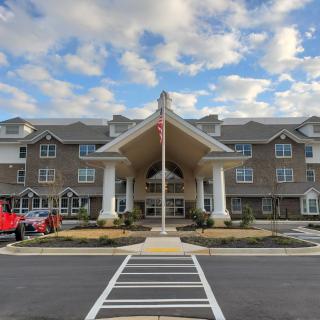
11725 Pointe Place, Roswell, GA 30076
For more information about senior living options: (866) 208-4318
Overall Review of Phoenix At Roswell
Pros
 The team at Phoenix at Roswell is outstanding.
- They are very attentive and on top of all residents' needs.
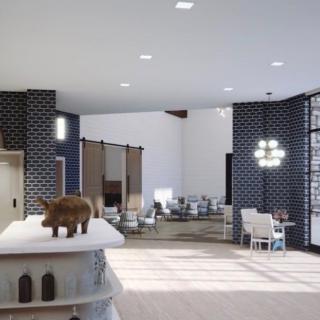
- The renovated building feels like A+ care in a warm, cozy, immaculate home.
- Marty and his team at Phoenix at Roswell are an amazing asset during memory care transitions.
- Phoenix staff has become an extended family to residents' families; they are patient and kind.
- The Veranda's staff and management demonstrate deep love for residents, treating them with respect and warmth.
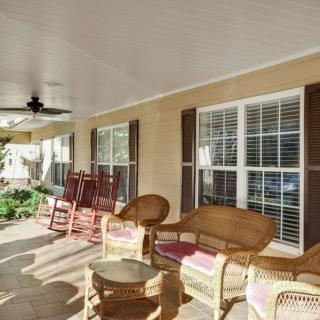
- The Veranda offers a welcoming, one-level facility with beautiful decor, good meals, attentive caregivers, and ample opportunity for social interaction.
Cons
 The Veranda is an awful place.
- The staff are lazy and careless.
- Residents aren’t changed frequently and often wear soiled diapers.
- The meals are cold and the common areas are freezing.
- They fired three activities directors in six months.
- The staff are rude, dishonest, and don’t care about their clients.
- There was neglect in giving prescribed oxygen, nearly causing a resident to lose consciousness.
- A staff member laughed about a resident's fall.
Review
Phoenix At Roswell is best suited for families that prize highly attentive frontline caregivers, a warmly renovated, home-like ambiance, and a memory-care capable environment. The community tends to appeal to those who are prepared to stay actively involved in care planning, value a sense of familial connection with the staff, and want a facility that feels welcoming rather than institutional. For families with a loved one who requires memory-focused supervision and ongoing supervision, Phoenix can deliver the personal touch that makes daily routines feel safer and more predictable.
The strongest asset across multiple reviews is the care team itself. When the staff is on, residents receive patient, kind, and attentive support, and managers or team leads are described as accessible and involved. The facility’s renovation is repeatedly cited as a real plus, creating a bright, clean, and cozy atmosphere that reinforces the impression of care that goes beyond the basics. Families also note that the team is willing to involve relatives, turning care into a collaborative, family-centered process. There is genuine warmth in the accounts about staff recognizing and responding to residents’ needs, which matters greatly when memory care is part of the equation. Food and dining are praised in several visits, and the overall environment is described as clean and orderly, with easy parking and a comfortable, self-contained feel.
Still, there are substantial red flags raised by multiple reviewers that cannot be ignored. Allegations of rude or dishonest conduct, neglect, and poor communication sit alongside reports of residents being left alone, improperly supervised, or not treated with consistent respect. Specific concerns include instances of residents appearing unkempt, delays in responses to calls for help, and miscommunications about why a resident cannot talk on the phone or when a family member can visit. Temperature issues in common areas and inconsistent activity programming also appear in several accounts, including claims that the building feels too cold during the day and too warm at night, and that the activities calendar does not reflect actual offerings. These are meaningful fault lines that affect daily quality of life and trust.
Given the mix of strengths and serious concerns, the key question is whether the proven warmth of individual staff interactions can compensate for recurring management and operational shortcomings. For families prioritizing hands-on care, the presence of compassionate caregivers, visible leadership, and an appealing, clean setting can offset some apprehensions, provided there is ongoing, transparent communication and a clear plan to address the lapses cited. However, the potential for inconsistent staffing, gaps in programming, and the perception of neglect is not incidental; it speaks to core reliability. If these risks feel unacceptable, the burden of monitoring and advocating for a loved one could be high.
Alternatives should be considered for families who cannot tolerate repeated questions about care consistency, or who require unwavering, predictable programming and staffing. Those who want a facility with rock-solid communication, proven stability in care management, and fewer reported episodes of neglect or governance concerns may prefer other communities with a cleaner track record or longer-tenured leadership. The decision should hinge on a direct, in-depth tour that includes meeting with the care manager, observing a meal and any activity, and speaking with current residents’ families to gauge whether the daily experience aligns with expectations.
Practical next steps include arranging a tour focused on memory-care workflows, asking for detailed staffing ratios by shift, and requesting a copy of the current activities calendar to compare with what is advertised. It is essential to probe responses to past concerns: how management tracks and prevents neglect, how often staff turnover has occurred, and what concrete steps exist to ensure residents are treated with dignity and that family communication is timely and accurate. Clarify pricing, what is included, and whether there is any flexibility in care plans. Above all, insist on a candid, action-oriented discussion about the facilities’ plans to restore consistency in care, programming, and environmental comfort before making a final commitment.
 60 resident community capacity
 Assisted Living
 Air-conditioning
 Beauty salon
 Cable or satellite TV
 Computer center
 Dining room
 Fitness room
 Fully furnished
 Gaming room
 Garden
 Housekeeping services
 Kitchenette
 Laundry
 Move-in coordination
 Outdoor space
 Overnight guests
 Private bathrooms
 Resident parking
 Restaurant-style dining
 Security gate
 Small library
 Spa
Spa Telephone
 Wi-Fi/high-speed internet available
 Community operated transportation
 12-16 hour nursing
 24-hour call system
 Activities of daily living assistance
 Assistance with bathing
 Assistance with dressing
 Assistance with transfers
 Diabetes diet
 Medication management
 Mental wellness program
 Special dietary restrictions
 Concierge services
 Planned day trips





 How and When Medicaid May Cover Assisted Living Costs
 A Detailed Exploration of Assisted Living Medicaid Waivers Across the United States
 Comprehensive Residential Support and Assisted Living Solutions for Individuals with Disabilities