
215 Waters Dr, Ringgold, GA 30736
To contact a resident: (706) 965-8492
For more information about senior living options: (866) 208-4318
Overall Review of Golden Oaks Elderly Care Home
Cons
 The driver ran the reviewer off the road and did not brake when the horn was sounded.
- A driver pulled out of a gas station, cut off another vehicle on the highway, forcing a hard brake and nearly causing a rear-end, then signaled and moved into a clear adjacent lane instead of continuing straight.
- The reviewer described the driver as very rude.
- The family waited outside the hospital for an hour for pickup, while their paralyzed son, who had surgery, was not supposed to be left sitting for that long.
- A female employee chased and tailgated a car, claiming to repossess it, with others in her van; the police had to intervene and order her to cease and desist.
Review
Golden Oaks Elderly Care Home in Ringgold, GA is best avoided by most families seeking safe, dependable elder care. The collective feedback portrays a facility that fails to meet fundamental expectations for transportation safety, staff professionalism, and timely, compassionate resident handling. This is not a place for residents who rely on reliable transport to medical appointments or who require consistently courteous, accountable staff. For families who prize dignity, safety, and clear communication, alternatives are strongly recommended. The message is blunt: if safety and steady oversight are nonnegotiable, this community does not rise to the standard.
Transportation safety and staff conduct emerge as the dominant concerns. Several accounts describe drivers behaving unsafely on the road, cutting off other vehicles, forcing near-collision situations, and failing to respond appropriately to hazards. Beyond driving, the tone and demeanor of some staff are described as very rude, eroding trust in the people entrusted with residentsā€™ daily care. Most alarming are the hospital-transfer episodes: a paralyzed resident waiting outside a hospital for an hour, with a medical condition that makes prolonged sitting inappropriate, and reports of erratic behavior by staff that even prompted police intervention. Taken together, these incidents create a pattern of risk that extends well beyond minor service glitches.
Virtually no offsetting advantages are evident in the reviews. There is no demonstrated record of reliable wound or pain management, proactive care coordination, or consistently respectful engagement with families. In a setting where elders depend on timely transport to appointments and on staff whom families can rely on, these gaps translate into real, measurable danger and distress. Without visible, systematic improvements in staffing supervision, transport protocols, and accountability, any potential upside remains speculative at best. The alignment between resident needs and what the facility delivers appears far from satisfactory, making it difficult to justify the choice on grounds of safety or quality.
Families considering this community should demand concrete safeguards before any commitment. Require transparent documentation of driver training, ongoing safety oversight, and a clear, enforceable hospital-pickup policy with escalation steps for delays or emergencies. Insist on a personal tour with management that focuses on staffing ratios, incident reporting, and how resident concerns are resolved. Verify current background checks, review any prior regulatory actions of record, and speak with an independent ombudsman or regulator for context. If proceeding, secure written guarantees for corrective actions, measurable performance benchmarks, and a supervised period with explicit exit options if improvements lag.
In the broader landscape of assisted living, the baseline expectations are straightforward: safe transportation, respectful staff, reliable care coordination, and prompt, compassionate handling of transitions. The reports about Golden Oaks suggest those standards are not reliably met, with safety and dignity repeatedly at stake. Families should weigh the potential stress, delays, and uncertainty against options that demonstrate stronger safety cultures, clearer accountability, and a proven track record of dependable service. Alternatives that prioritize transparent communication and proactive risk management typically offer far better assurances, reducing the likelihood of the incidents described and preserving resident well-being.
Ultimately, the prudent path is to pursue higher-quality options. If Golden Oaks remains under consideration, demand visible evidence of safety investments and accountable leadership before any commitment. Prioritize facilities that publish transportation safety programs, employ trained drivers with verifiable records, and maintain consistent, respectful family communication. For residents with urgent medical or mobility needs, the risk calculus here is unfavorable, and the decision should tilt toward providers with verifiable safety and quality outcomes. In short, seek alternatives that align with essential standards of elder-care safety and reliability, and reserve final consideration for Golden Oaks only after clear, durable improvements are documented and sustained.
 Board and Care Home
 Lovell (15 miles away)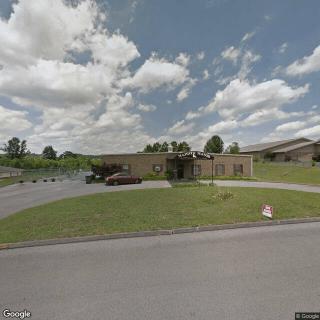
 Loving, attentive staff and a holistic approach to resident well-being, plus strong on-site amenities.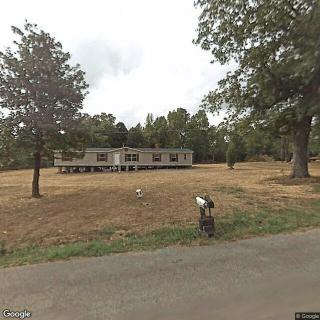




 California's Form 602A: An In-Depth Examination of Senior Care Assessment
 Comprehensive Look at Senior Blood Pressure Charts: Normal and Elevated Levels by Age
 Top Canine Companions for Older Adults