
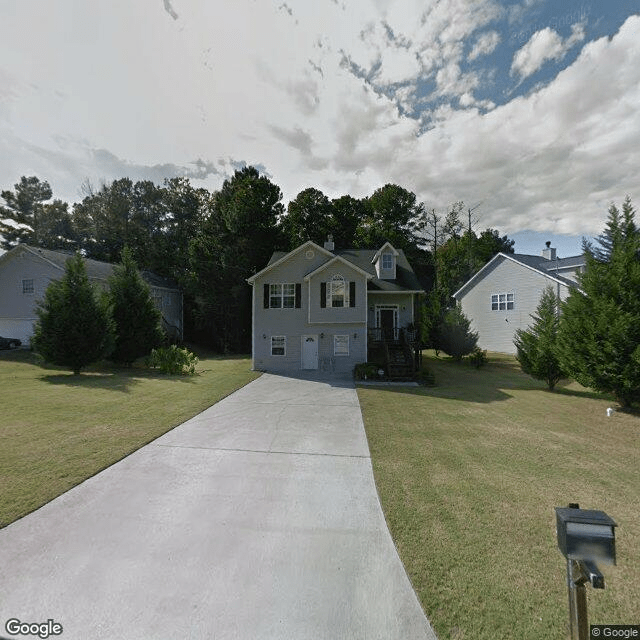
502 Shaggy Hickory Trail, Palmetto, GA 30268
For more information about senior living options: (866) 208-4318
So Fresh N So Clean Costs & Pricing
At So Fresh N So Clean, the monthly costs for accommodation are notably competitive when compared to both Fulton County and the broader state of Georgia. For a semi-private room, residents can expect to pay $1,500, which is significantly lower than the county average of $2,883 and the state average of $2,529. Similarly, our private room option is priced at $1,700, again reflecting a substantial savings compared to Fulton County's rate of $3,203 and Georgia's average of $2,864. This favorable pricing structure underscores our commitment to providing quality care and a supportive environment while ensuring affordability for our residents and their families.
| Floor plans | So Fresh N So Clean | Fulton County | Georgia |
|---|---|---|---|
| Semi-Private | $1,500 | $2,883 | $2,529 |
| Private | $1,700 | $3,203 | $2,864 |
Assisted Living communities with a similar price nearby
-
About the same
Lend A Hand Personal Care Home
$1,500 to $2,000 / month18.9 miles away -
from +$100 / mo
My Care Your Care Home
$1,600 to $1,900 / month24.7 miles away -
About the same
The Shepherd's House Of Love
$1,500 to $5,000 / month12.6 miles away -
from +$200 / mo
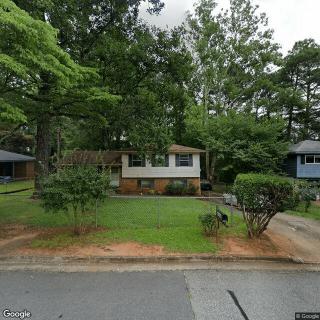
Loving Pch
$1,700 to $2,400 / month19.0 miles away -
About the same
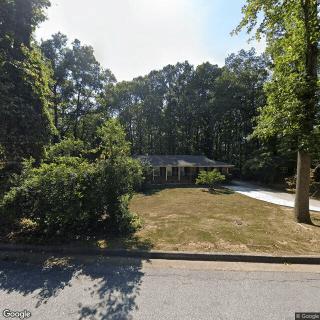
Carefree Maison III
$1,500 to $2,000 / month15.4 miles away
Overall Review of So Fresh N So Clean
Pros
 The So Fresh N So Clean Personal Care Home is nice.
- It offers private rooms, like a little country cottage.
- It is clean and quiet.
- It provides board games and hands-on activities.
- The dining area is pleasant, with meals served at the kitchen table.
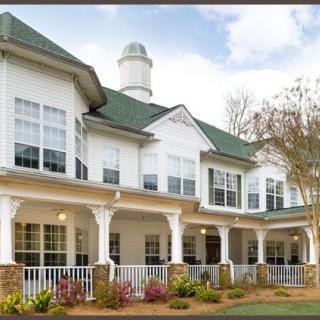
- The facility is gorgeous.
- It has a backyard with bench seats that can swing.
- It features nice flowers around the property.
- The owner seems very nice and caring.
Cons
 The only drawback is that they have a dog mascot.
- The reviewer is not fond of dogs.
Review
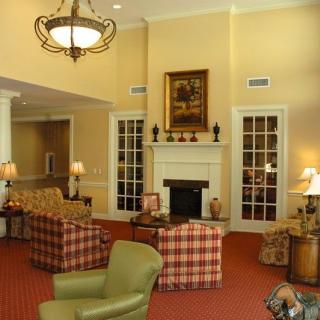
So Fresh N So Clean Personal Care Home in Palmetto, GA is best suited for seniors who want a true home-like experience: private rooms, a cottage-style setting, and a quietly paced routine where care feels personal and attentive. This small, intimate community suits residents who prize privacy, cleanliness, and a peaceful atmosphere over the bustle of a larger campus. The mix of a cozy interior, garden views, and hands-on activities creates a feel of domestic living rather than institutional care, which can be a decisive win for someone who wants to age in place with dignity and predictable daily rhythms.
They may want to consider alternatives if broader amenities and formal programming are priorities. Families seeking extensive medical staffing, advanced rehab services, or memory-care specialization should look elsewhere. Those who need a pet-free environment or have strong pet sensitivities may also prefer a different setting, given the dog mascot and the animal-friendly vibe described. In short, this home thrives on being small-scale and homelike, which may not align with expectations for residents needing richer on-site clinical support or structured social calendars.
The core strengths, private rooms, a “country cottage” atmosphere, and a remarkably clean, quiet environment, are meaningful compensations for the facility’s modest footprint. The private spaces translate into individualized routines and less noise, which supports comfort and dignity for residents who value personal space. The home’s aesthetic, gardens in bloom, a backyard with bench seating, and a gentle sense of outdoor living, offers sensory and emotional benefits that larger communities often struggle to replicate. Activities are hands-on and accessible, including board games and practical crafts, which can preserve dexterity and offer meaningful engagement without overwhelming schedules.
Dining mirrors the intimate scale, with meals arranged around a kitchen-table setup that reinforces a family-style feel. For residents who appreciate casual, social meals that foster conversation and companionship, this arrangement can be an actual advantage rather than a concession. The presence of a caring owner who engages with residents and families adds a layer of trust and continuity that can be hard to find in bigger buildings. Taken together, these factors create a cohesive, low-stress living experience where residents are seen and known, not just counted.
However, the obvious trade-offs of a small operation must inform the decision. The limited size can imply fewer staff and a narrower menu of activities or special programs, particularly for residents requiring frequent hands-on assistance or more intensive supervision. The reviewer’s unease around the dog mascot highlights a potential friction point for pet-averse residents or family members who worry about sensory triggers or allergies. Prospective movers should balance the warmth and personalization against the likelihood of evolving care needs outgrowing what a boutique setting can sustainably provide, especially if memory care, rehabilitation, or medical complexity becomes prominent.
The practical path to clarity is to visit with a precise checklist: observe how staff interact with residents, verify the current caregiver-to-resident ratio, review a sample care plan, and request a day-in-the-life schedule that reflects real needs. Inquiries about long-term feasibility, transition options if care needs intensify, and a candid discussion about pricing relative to services are essential. If the priority is a serene, home-forward environment with deeply personal attention, So Fresh N So Clean stands out as a compelling option; if the priority is robust medical programming, larger-scale social opportunities, or a pet-free environment, alternatives should be weighed seriously. A well-informed decision will hinge on aligning the resident’s care needs with the facility’s intimate strengths rather than with the promise of a more expansive campus.
 6 resident community capacity
 Assisted Living
 Board and Care Home
 Cable or satellite TV
 Dining room
 Fully furnished
 Garden
 Housekeeping services
 Move-in coordination
 Outdoor space
 Private
 Telephone
 Wi-Fi/high-speed internet available
 William B Hartsfield-Atlanta International (17 miles away)
 24-hour supervision
 Activities of daily living assistance
 Ambulatory care
 Assistance with bathing
 Assistance with dressing
 Assistance with transfers
 Diabetes diet
 Diabetic care
 High acuity care
 Meal preparation and service
 Medication management
 Special dietary restrictions
 Transportation arrangement (medical)
 Transportation to doctors appointments

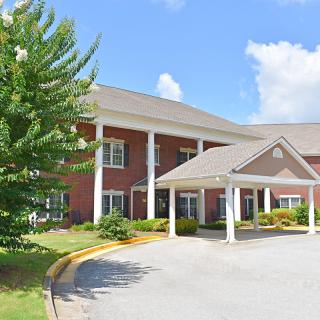

 Assisted Living Expenses and Long-Term Care Insurance: A Comprehensive Exploration
 Securing Financial Support for Assisted Living: A Comprehensive Overview
 Social Security Benefits and Assisted Living: Navigating Options Across the U.S.