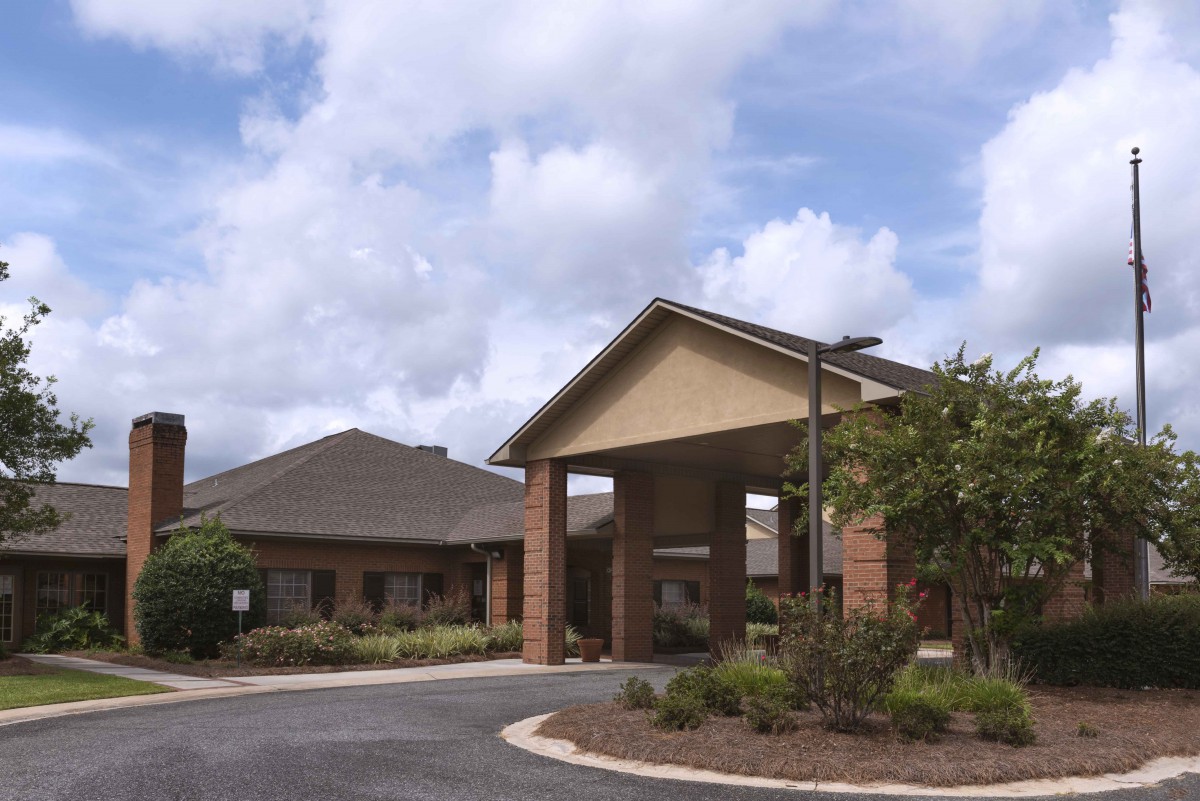









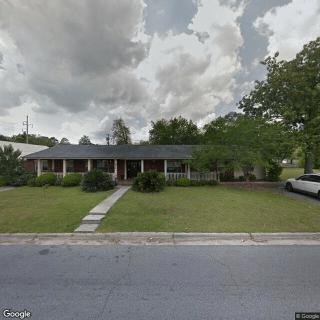
3011 Veterans Parkway, Moultrie, GA 31768
To contact a resident: (229) 985-0265
For more information about senior living options: (866) 208-4318
Magnolia Manor South Costs & Pricing
Magnolia Manor South offers competitive pricing for its residential accommodations compared to both Worth County and the broader state of Georgia. For a one-bedroom unit, residents can expect to pay $1,739 per month, significantly lower than the county average of $3,405 and the state average of $3,412. Similarly, the two-bedroom option at Magnolia Manor South is priced at $1,970, aligning with the county's rate but notably less than Georgia's state average of $3,921. This advantageous pricing structure positions Magnolia Manor South as an appealing choice for prospective residents seeking quality living arrangements without the financial strain often associated with similar facilities in the area.
| Floor plans | Magnolia Manor South | Worth County | Georgia |
|---|---|---|---|
| 1 Bedroom | $1,739 | $3,405 | $3,412 |
| 2 Bedrooms | $1,970 | $1,970 | $3,921 |
Overall Review of Magnolia Manor South
Pros
 They made the transition very easy.
- They work for the residents.
- Magnolia Manor maintains good communication with families about residents' care.
- The staff are kind, caring, and accommodating.
- They are willing to provide transportation to and from appointments.
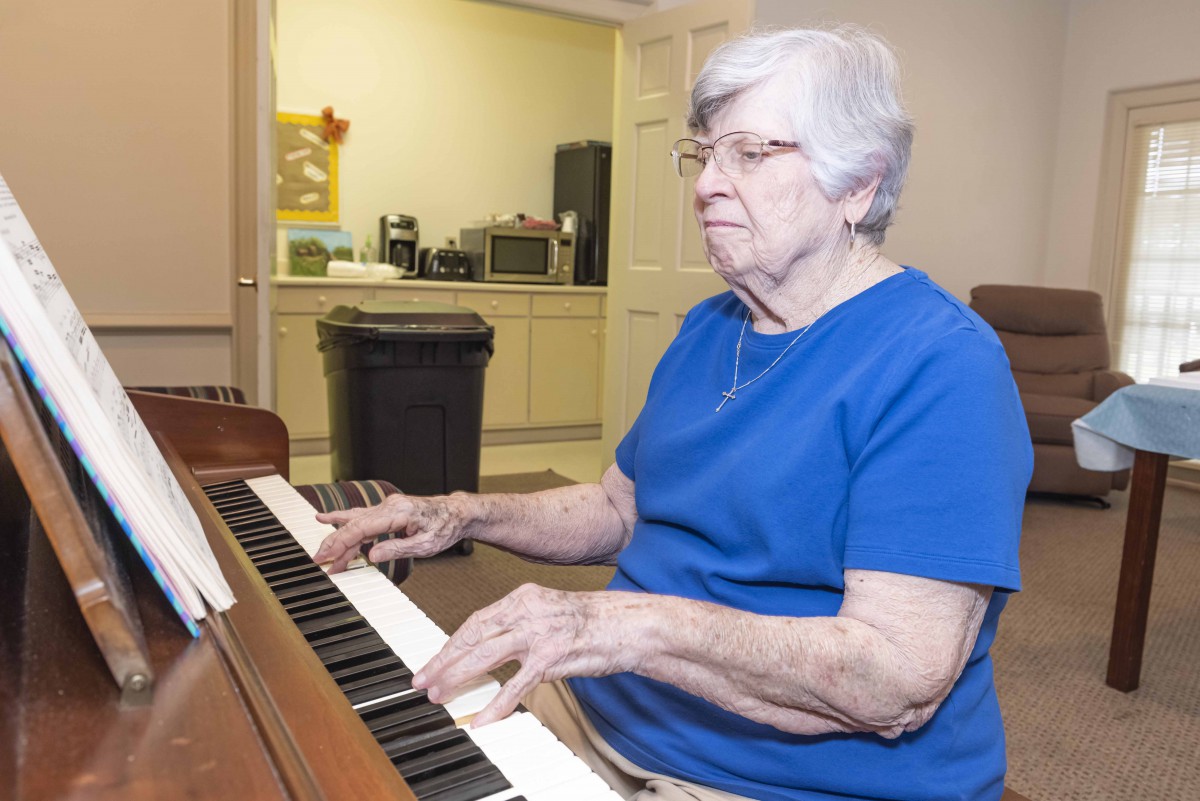
- The facility feels like a small, close-knit community that offers personalized care.
- They stick to a routine, which is great for residents with Alzheimer's.
Review
Magnolia Manor South in Moultrie, GA is best suited for families seeking a small, resident-centered assisted living where care feels tailored, consistently attentive, and built around the resident’s day-to-day sense of home. It works exceptionally well for seniors who value easy transitions, close nurse- and caregiver communication, and a faith-informed environment that reinforces a sense of community. The setting is ideal for someone who benefits from routine, personalized attention, and a staff ethic of “they work for the residents,” with a willingness to coordinate closely with family and outside providers to keep care cohesive.
Those weighing alternatives should consider how important scale and variety are to their loved one. A larger facility may offer more daily activities, a broader social calendar, and possibly a wider array of on-site services. Magnolia Manor South’s small size, roughly 24 assisted-living residents, naturally emphasizes intimate, personalized attention, but may feel limiting for families seeking abundant programming, expansive amenities, or rapid access to a broader professional network. Additionally, the faith-based environment may not align with every family’s values, and those seeking a non-denominational setting should account for that difference.
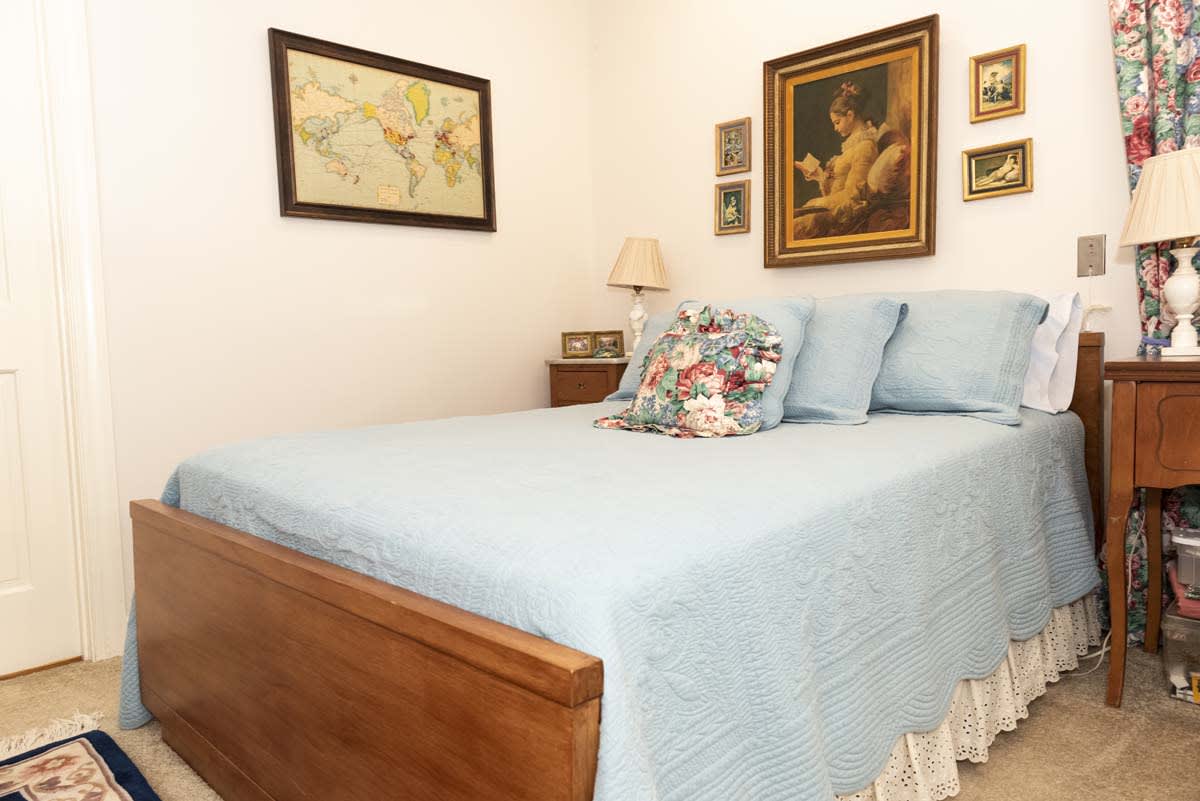
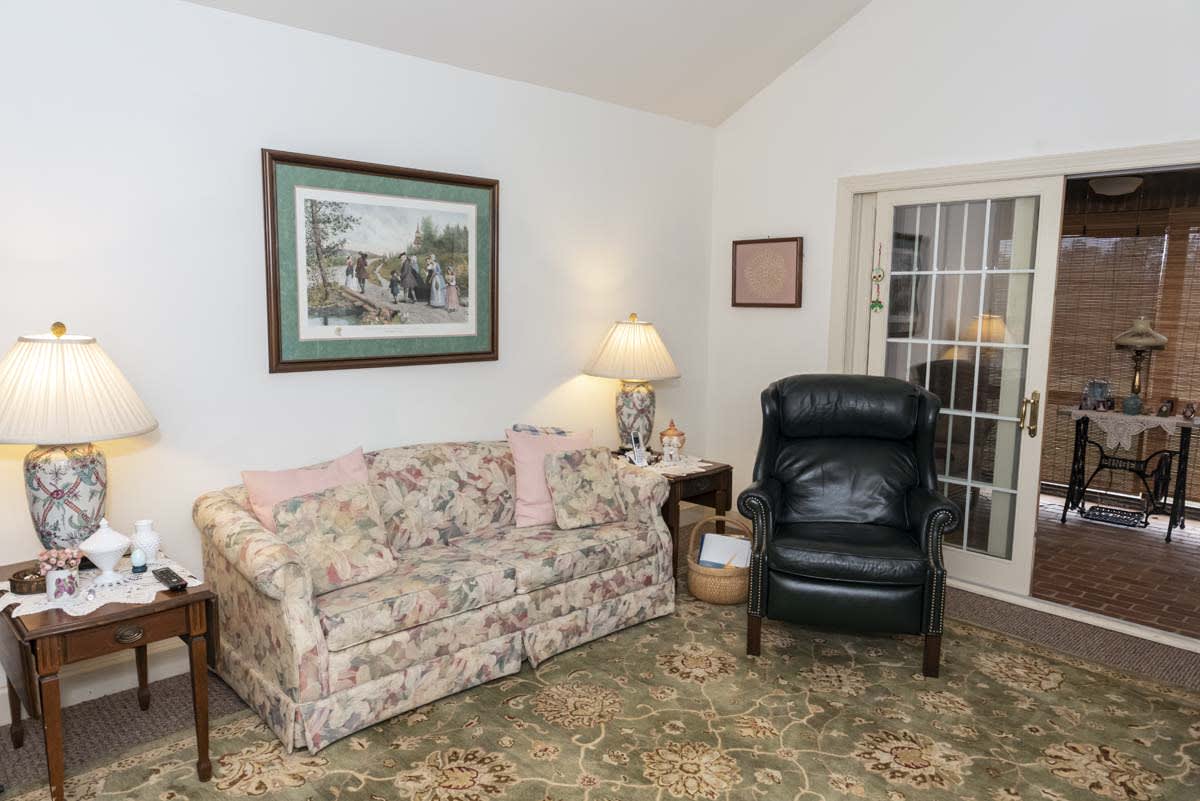
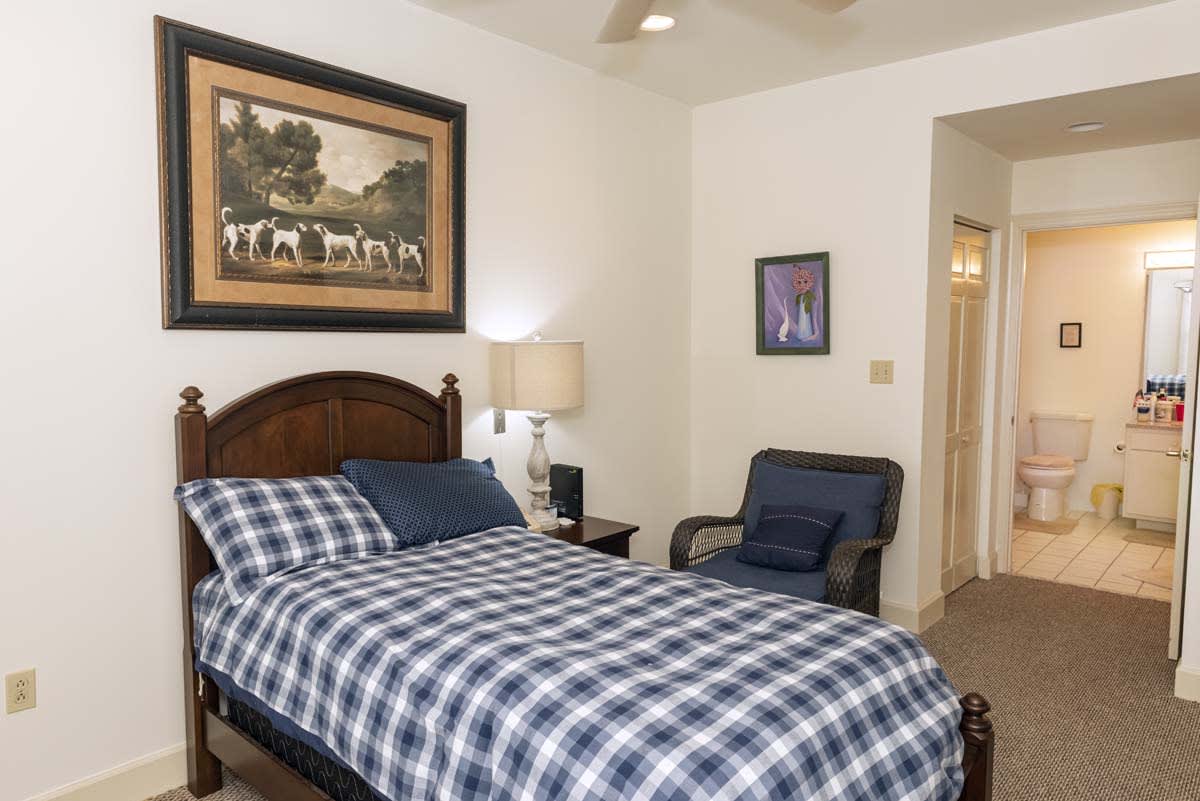
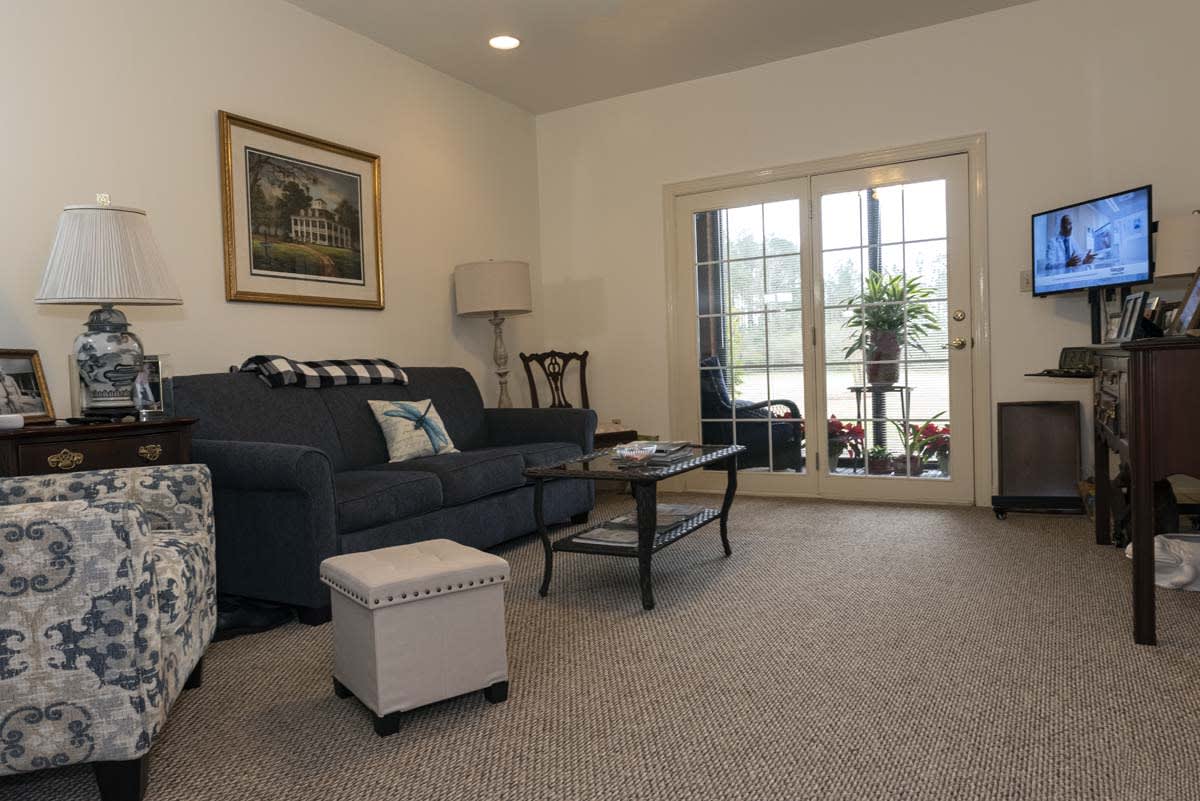
The strongest compensating factors lie in the tangible, family-facing strengths. Move-in is described as remarkably smooth, with staff prioritizing the resident’s best interests and avoiding any pressure or sales-forward tactics. The care culture is consistently demonstrated by proactive communication: caregivers and administrators orchestrate care plans with regular updates, often without waiting for questions from family. Close ties with local doctors, hospitals, and pharmacies keep medical coordination efficient, and transportation to appointments is available when needed. The small, home-like apartments help residents feel secure and at ease, a crucial consideration for someone with memory challenges.
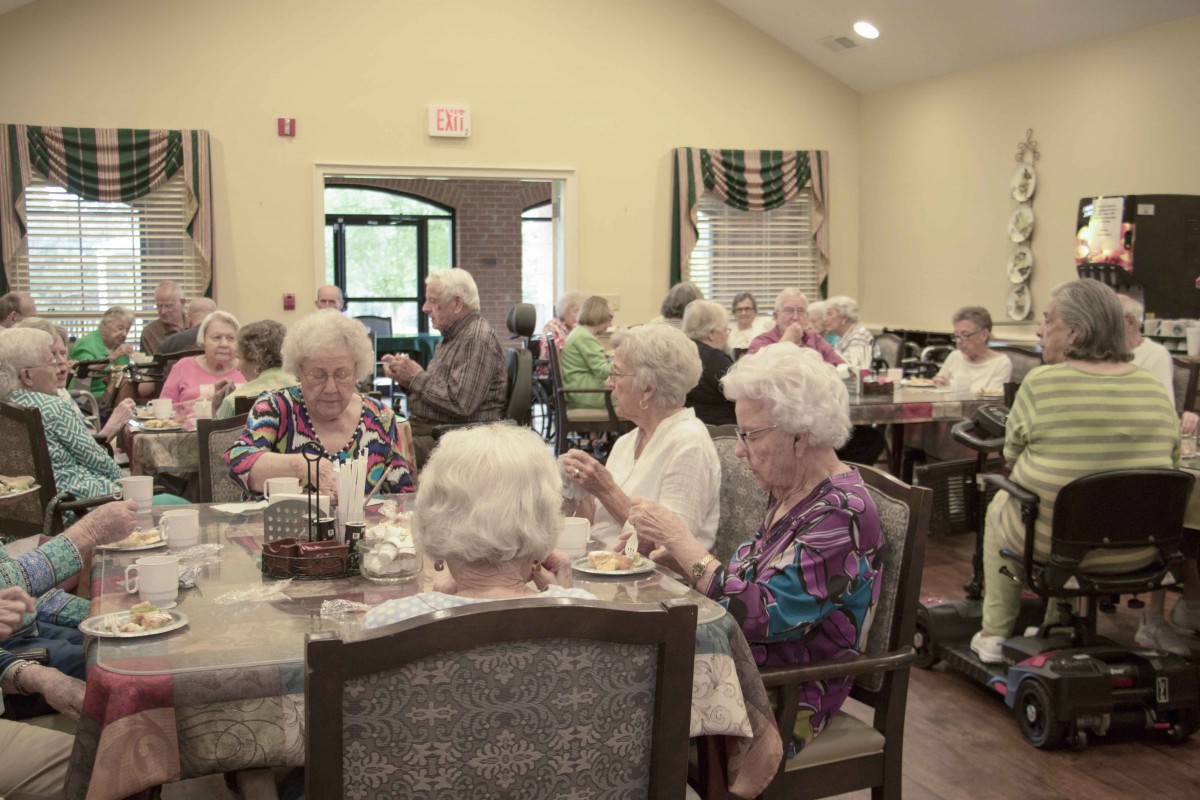
Another practical edge is the way Magnolia Manor South integrates daily life with familiar touchpoints. The facility feels like a true community rather than a sterile campus: staff are described as kind, attentive, and genuinely invested in residents’ welfare, sometimes going above and beyond, such as supporting family members during hospital stays. The daily meals, highlighted as a standout, contribute to a sense of normalcy and satisfaction, while the available routines offer the predictability that many Alzheimer's or memory-impaired residents rely on. The combination of a secure environment, a welcoming dining experience, and the residents’ own belongings in private apartments reinforces independence within a supported framework.
Where the picture shifts, potential gaps should be weighed against these strengths. The very advantages of a tight-knit, small setting, highly personalized care and a strong sense of community, also imply fewer simultaneous activities and a narrower ecosystem of on-site offerings than larger campuses. For families needing extensive social programming, diverse enrichment options, or non-faith-based programming, Magnolia Manor South may feel constraining. Prospective residents should verify that the level of clinical support aligns with current needs, and confirm the breadth of transportation availability beyond medical appointments if trips beyond routine visits are ever required.
In practical terms, families should test key decision criteria against Magnolia Manor South: how staff respond to emerging concerns, how often family updates occur without prompting, and whether the resident’s daily routine genuinely supports continued independence. It pays to observe a meal service and participation in church or community activities to gauge fit. If a loved one thrives on intimate interaction, consistent routines, and a comforting faith-based milieu, Magnolia Manor South offers a compelling, well-coordinated solution. If the priority is a larger social scene, broad campus amenities, or a non-religious setting, alternatives in bigger, more secular communities are worth a closer look.
 Assisted Living
 Independent Living
 Activities on-site
 Air-conditioning
 Bath tubs
 Beautician on-site
 Cable or satellite TV
 Devotional services on-site
 Full kitchen
 Ground floor units
 Indoor common areas
 Outdoor common areas
 Private patio, deck, or balcony
 Ambulatory care
 Diabetic care
 High acuity care
 Incontinence care
 Medication management
 Guest meals
 BBQs or picnics
 Bible study group
 Birthday parties
 Forever fit
 Live well programs
 Pet-focused programs







 Securing Financial Support for Assisted Living: A Comprehensive Overview
 Social Security Benefits and Assisted Living: Navigating Options Across the U.S.
 An Extensive Exploration of the VA Aid and Attendance Benefit