
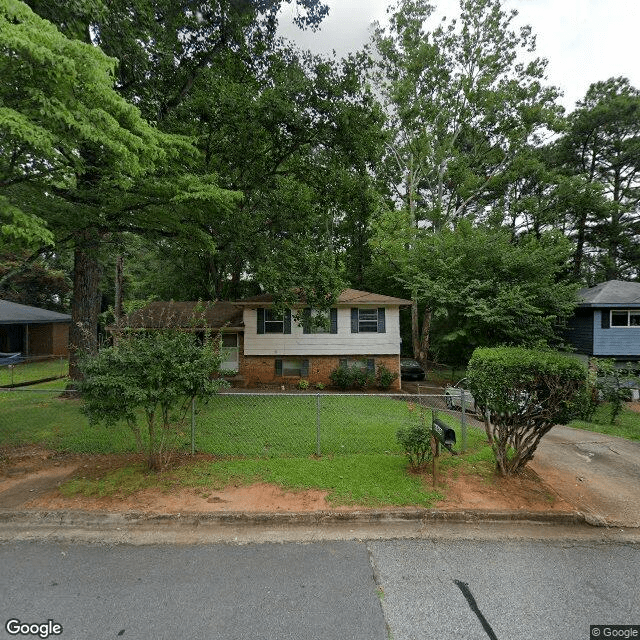
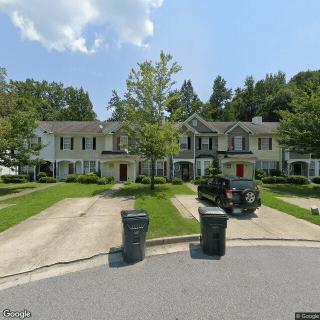
6468 Fleur De Lis Drive, Morrow, GA 30260
For more information about senior living options: (866) 208-4318
Loving Pch Costs & Pricing
Loving PCH offers competitive pricing for assisted living, with its semi-private rooms priced at $1,700 per month. This cost is notably lower than both the average rates in Clayton County ($2,164) and the broader state of Georgia ($2,529). Additionally, Loving PCH's private rooms are available for $2,400 monthly, which remains more affordable compared to Clayton County's average of $2,449 and Georgia's statewide average of $2,864. These rates reflect a thoughtful commitment to providing quality care while maintaining accessibility for residents in comparison to regional options.
| Floor plans | Loving Pch | Clayton County | Georgia |
|---|---|---|---|
| Semi-Private | $1,700 | $2,164 | $2,529 |
| Private | $2,400 | $2,449 | $2,864 |
Assisted Living communities with a similar price nearby
-
from +$100 / mo
G & M Personal Care Home
$1,800 to $2,500 / month20.1 miles away -
from -$200 / mo
Lend A Hand Personal Care Home
$1,500 to $2,000 / month0.2 miles away -
from +$200 / mo
Masalon Personal Care Home
$1,900 / month16.2 miles away -
from +$300 / mo
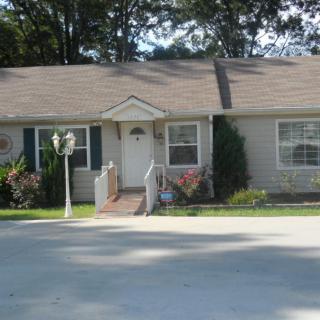
Highland Circle Personal Care Home
$2,000 to $2,500 / month20.6 miles away -
from +$300 / mo

Patron Place PCH
$2,000 to $2,500 / month16.1 miles away
Overall Review of Loving Pch
Pros
 The agency does an amazing job with its clients.
- They go over and beyond for their clients.
- The agency is highly recommended for caring for loved ones.
- The facility conducted a tour for the resident, and the placement left her very happy.
Cons
 They did not like it at all.
- The drive-up experience was not something they wanted for their loved one.
- It was not good home care, although the caregiver was extremely friendly and talkative.
- The home could have been better.
- There were too many stairs.
- It was not one of the best.
Review
Who this community is best suited for: In Morrow, GA, Loving Pch is best for families seeking a hands-on, caregiver-driven living option where daily interactions with compassionate staff anchor everyday life. This is not a glossy, resort-like setting; it feels home-like, and the staff are repeatedly praised for going above and beyond. Residents who need steady, affectionate help with mobility, meals, routines, and social engagement will likely experience meaningful daily support. The core value is relational care: dependable attention, predictable routines, and a sense of being understood. For families prioritizing consistent warmth and practical help over polish and prestige, this community earns trust and can deliver real comfort for the person receiving care.
Who may want to consider alternatives: Those who prize barrier-free access, flawless curb appeal, and uniformly strong facility management may want to look elsewhere. Exterior cues and accessibility have been flagged as shortcomings, with notes about an uninviting drive-up impression and too many stairs presenting real hurdles for mobility-limited residents. The overall score suggests uneven experiences, with some families feeling the environment doesn’t measure up despite solid caregiving. For seniors whose comfort depends on easy navigation, modern amenities, and consistently high maintenance, exploring other options is prudent.
Key pros offset some drawbacks: the caregiving core can be outstanding, staff who show up, listen, and adjust to daily needs, sometimes making remarkable difference in a resident’s day. In at least one case, a resident moved from another setting and settled happily, illustrating smooth transitions and genuine acceptance. When daily life is anchored by attentive helpers and dependable routines, the personal touch can compensate for a lack of showroom perfection. For families valuing trusted hands and steady companionship, these strengths matter a great deal and can translate into less family stress and better day-to-day well-being for the resident.
However, the downsides are concrete. The layout and entry can feel cumbersome, especially for those with mobility challenges, and the stairs compound safety concerns. The drive-up appearance matters to families assessing safety and ease of access, not just aesthetics. The mixed ratings reflect real variability, some residents thrive on the care angle, others wish for stronger environmental controls, clearer communication, and more consistent upkeep. These tensions rarely disappear entirely, so the decision hinges on whether the daily human connection justifies navigating the physical constraints. For any family weighing long-term residency and ease of day-to-day movement, these are decisive considerations.
Practical next steps: arrange an on-site tour focused on accessibility and safety features. Check for elevator or ramps, test maneuvering space, and evaluate common areas for safety and comfort. Meet the caregiving team, observe interactions, and ask about scheduling, turnover, and care-planning processes. Request recent references and details on staff-to-resident ratios, especially during peak hours. If the environment and operations align with priorities, the relational care can deliver, but if barriers dominate the experience, broaden the search to other communities with more seamless access and stronger environmental standards.
Bottom line: Loving Pch in Morrow offers genuine, hands-on care that can deliver meaningful quality of life for residents who value human connection over glittering surroundings. The main caveats, stairs, less polished curb appeal, and mixed external ratings, restrict its appeal to those who can tolerate or overlook environmental constraints. For families where consistent, compassionate caregiving is paramount and the resident can navigate a stair-heavy, home-like setting, this community can be a good match. For others, consider options with barrier-free design, stronger maintenance, and steadier reputations. A measured visit with clear questions will reveal whether this is the right balance of heart and habitat for the person in mind.
 5 resident community capacity
 Assisted Living
 Board and Care Home
 Cable or satellite TV
 Dining room
 Fully furnished
 Garden
 Housekeeping services
 Move-in coordination
 Outdoor space
 Private
 Telephone
 Wi-Fi/high-speed internet available
 William B Hartsfield-Atlanta International (6 miles away)
 24-hour supervision
 Activities of daily living assistance
 Ambulatory care
 Assistance with bathing
 Assistance with dressing
 Assistance with transfers
 Diabetes diet
 Meal preparation and service
 Medication management
 Special dietary restrictions
 Transportation arrangement (medical)
 Transportation to doctors appointments


 Assisted Living Expenses and Long-Term Care Insurance: A Comprehensive Exploration
 Securing Financial Support for Assisted Living: A Comprehensive Overview
 Social Security Benefits and Assisted Living: Navigating Options Across the U.S.