
825 Eatonton Street, Monticello, GA 31064
For more information about senior living options: (866) 208-4318
Overall Review of Monticello Personal Care Home
Pros
 They feel fortunate to have found The Retreat.
- Their mom lives there and is content and well taken care of.
- They are thrilled with everyone who works at The Retreat.
- The staff there are like angels on earth—a true blessing.
Review
Monticello Personal Care Home is best suited for families seeking a highly personal, dementia-focused care option in a small, home-like setting. The residents most likely to thrive are those who benefit from stable daily routines, attentive supervision, and meaningful social engagement rather than expansive clinical menus or campus-scale amenities. This community delivers safety, warmth, and steady, hands-on care that preserves dignity and encourages daily affirmation for a loved one living with memory impairment. It is the kind of place where staff presence becomes a defining feature of everyday life, and where families gain confidence from the palpable calm surrounding the resident.
Those weighing alternatives should consider whether a larger, more resource-intensive memory care environment is required. If a loved one needs more robust clinical oversight, around-the-clock nursing capacity, or a broader slate of therapies and activities, a bigger campus or a facility with deeper medical integration may be a better fit. Similarly, families outside the immediate area or those seeking more expansive on-site programming, specialized equipment, or partnerships with external memory care specialists may want to explore options with a wider footprint. Location and access to emergency or specialty services can also drive the decision toward alternatives.
From the perspective of practical care delivery, the strongest positives center on the human factor: genuinely compassionate staff and an environment where residents appear content and well cared for. The testimonials describe caregivers as nearly “angels on earth,” delivering consistent, attentive assistance that supports meals, hygiene, safety, and companionship. In dementia care, such emotional and relational continuity often translates into reduced agitation, better sleep, and calmer days, which can offset more limited activity calendars or fewer on-site amenities. The intimate scale of the community appears to foster trust, reduce resident isolation, and make daily routines predictable and reassuring for families.
Concurrent with these strengths is the reality that size and structure inevitably shape service breadth. A small personal care setting may not offer the same level of medical specialization, rapid access to diverse therapies, or as many ancillary programs as larger facilities. For a resident who requires frequent clinical monitoring, high-intensity behavioral management, or a broad spectrum of rehabilitative services, these limitations can feel consequential. Yet for dementia care, many families find that the combination of specialized caregiving, familiar surroundings, and a steady caregiver presence materially improves quality of life more than an expansive activity schedule or high-tech amenities might.
The rating snapshot, five stars from three reviews, signals a strong, favorable impression across a limited sample. The unanimity suggests a consistent quality of care and a dependable caregiving approach that resonates with families facing tough decisions. However, the small reviewer pool cautions against overgeneralization. Prospective residents should prioritize direct observations and interviews to validate fit, ensuring the staff-to-resident dynamic matches expectations, and confirming that routines, meals, and safety protocols align with the loved one’s needs.
In the end, this community stands out for families prioritizing warmth, individualized attention, and dementia-centered care in a compact, homelike setting. It is a compelling choice when the goal is steady companionship, respectful daily care, and a staff culture rooted in compassion. If the priority shifts toward broader medical services, larger social programming, or on-site specialists, or if location and access to a wider network of services drive the decision, exploring alternatives is prudent. Practical next steps include arranging an in-person tour, observing how staff interact with residents, asking detailed questions about caregiver ratios, shift coverage, and dementia-specific training, and requesting current references. A careful, firsthand visit will reveal whether the intimate charm and proven care approach translate into the right fit for a particular loved one.
 24 resident community capacity
 Assisted Living
 Beauty salon
 Cable or satellite TV
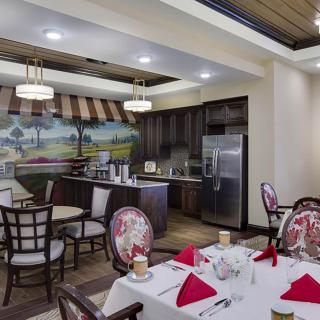
 Dining room
 Fully furnished
 Garden
 Housekeeping services
 Kitchenette
 Move-in coordination
 Outdoor space
 Restaurant-style dining
 Small library
 Telephone
 Wi-Fi/high-speed internet available
 24-hour call system
 Activities of daily living assistance
 Assistance with bathing
 Assistance with dressing
 Assistance with transfers
 Diabetes diet
 Medication management
 Mental wellness program
 Special dietary restrictions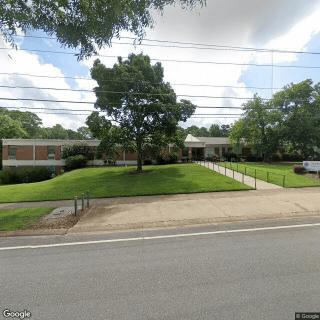





 Comprehensive Insights into Activities of Daily Living (ADLs) and Their Assessment
 Medicare Coverage for Assisted Living: An In-Depth Exploration
 Your Comprehensive Guide to Luxury Assisted Living: Elevated Facilities, Amenities, and Costs