

127 1/2 North Broad Street Suite 10, Monroe, GA 30655
To contact a resident: (678) 293-4769
For more information about senior living options: (866) 208-4318
Comfort Keepers of Loganville, GA Costs & Pricing
Comfort Keepers of Loganville, GA offers a competitive monthly rate for private rooms, priced at $2,400. This figure is notably lower than the average costs in Walton County, which stands at approximately $2,643, and even more advantageous compared to the statewide average in Georgia of $2,864. By choosing Comfort Keepers, clients can benefit from affordable care options without compromising on quality, making it an appealing choice for families seeking supportive services in a comfortable environment.
| Floor plans | Comfort Keepers of Loganville, GA | Walton County | Georgia |
|---|---|---|---|
| Private | $2,400 | $2,643 | $2,864 |
Senior living communities with a similar price nearby
-
from +$170 / mo

Vitality Living Madison
$2,570 to $3,205 / month20.9 miles away -
from +$100 / mo
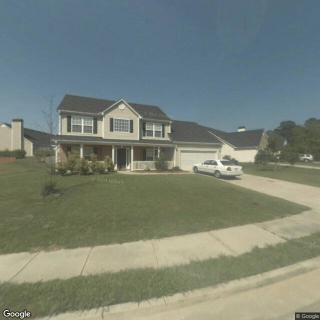
Eden Home Care
$2,500 / month15.4 miles away -
from +$100 / mo
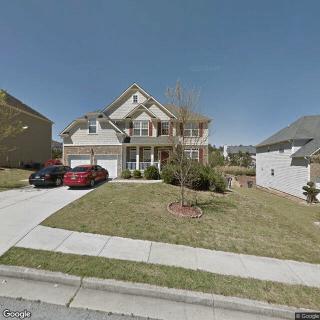
Loving Angels Home Care
$2,500 / month15.0 miles away -
from +$100 / mo

A & C Personal Care Home
$2,500 to $4,000 / month21.8 miles away -
from -$400 / mo

Senior Care America 2
$2,000 to $2,500 / month24.6 miles away
Overall Review of Comfort Keepers of Loganville, GA
Pros
 Some in home providers were great with mom.
- The in home providers who were great with mom stood out.
- Positive care from certain in home providers is acknowledged.
Cons
 Some in-home providers sit around reading a book instead of tending to the child.
- Some in-home providers are unpredictable, making it unclear what families will receive.
- The situation is like choosing the right babysitter, where one never knows what will be delivered.
Review
This in-home care option is best for families that want to keep a loved one in familiar surroundings and are prepared to take an active role in caregiver selection and scheduling. Comfort Keepers of Loganville serves the Monroe area with the promise of one-on-one attention and tailored support, but the strength of that promise hinges on the quality and consistency of individual caregivers. In practice, the model works best when families have the bandwidth to screen providers, set clear expectations, and monitor day-to-day performance. In short, it rewards decisive involvement and a willingness to curate a trusted caregiving team.
Alternatives matter for households that prioritize predictability, consistent staffing, and built-in social programming. If a structured facility routine with guaranteed staff coverage and formalized supervision is essential, traditional assisted living or a more regulated home-care arrangement may deliver greater peace of mind. For those seeking robust social engagement opportunities beyond in-home care, a senior community with scheduled activities, transportation, and on-site coordination can reduce isolation and provide a fuller daily rhythm. The single-wocus note here is that reliability and social structure are stronger selling points in many facility-based options.
The clearest positives center on personalized, one-on-one support in a familiar setting. When a caregiver “clicks” with the loved one, the care can be highly responsive, sensitive to daily routines, and attuned to shifting needs. The in-home model minimizes relocation stress, preserves cherished routines, and supports independence longer. Scheduling flexibility is another practical benefit, allowing care to expand or taper with medical appointments, fatigue, or mood changes. These advantages become decisive when the goal is to maintain autonomy and comfort without moving to a communal living arrangement.
However, the primary drawback is strikingly variable caregiver engagement. The lone review notes that “some in-home providers were great with mom, some chose to sit on their tail and read a book,” which translates into real risk: inconsistent quality, uneven effort, and potential gaps in attention. Without a guaranteed roster, clients face unpredictable days, missed cues, or uneven support for critical tasks. Limited oversight compounds this risk; even well-intentioned caregivers benefit from consistent supervision, reliable backup coverage, and a coordinated plan of care that travels with the client rather than with one individual.
That tension between strong potential and uneven execution is where offsetting factors come into play. The advantages of home-based care can outweigh the drawbacks if the program is managed with discipline: insist on a dedicated care plan, prioritize a primary caregiver with a back-up team, and require regular supervisory visits to ensure continuity. Framing expectations up front, clarifying daily routines, medications, mobility needs, and emergency protocols, reduces drift. A deliberate process for caregiver matching, clear escalation paths, and a documented schedule can transform the in-home model from a gamble into a dependable lifeline.
In making a decision, assess whether the priority is intimate, home-centered care with the possibility of excellent one-on-one support, or the assurance of a consistent staff pool and built-in social programs. Comfort Keepers can serve as a practical solution for families who are prepared to actively manage caregiver assignments, implement rigorous scheduling, and demand ongoing supervision. For those who cannot tolerate variability or who crave a richer social ecosystem and steadier daily routines, exploring a traditional assisted living option or a more structured home-care partner is prudent. The right choice rests on a realistic appraisal of the family’s capacity to curate care, plus a clear plan to secure reliable staffing and dependable oversight from day one.






 Comprehensive Insights and Practical Strategies to Help Older Adults Avoid Falls
 6 Crucial Ways an Elder Law Attorney Assists Families
 Navigating the Tax Landscape of Caregiving: Credits, Deductions, and Beyond