
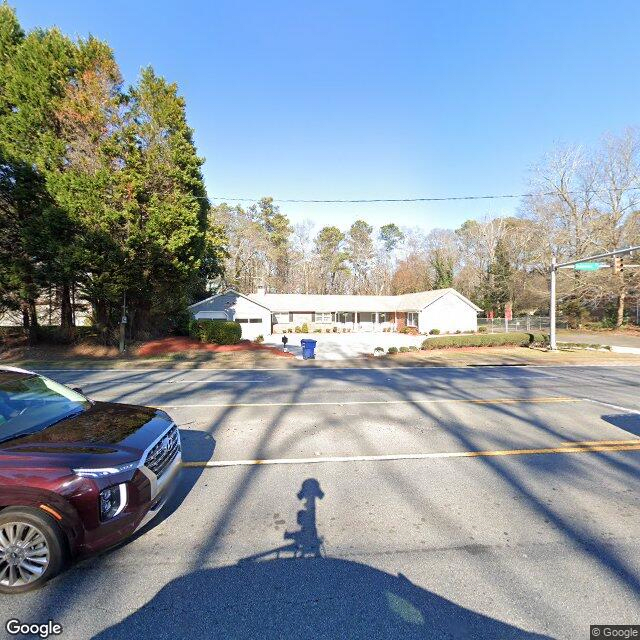
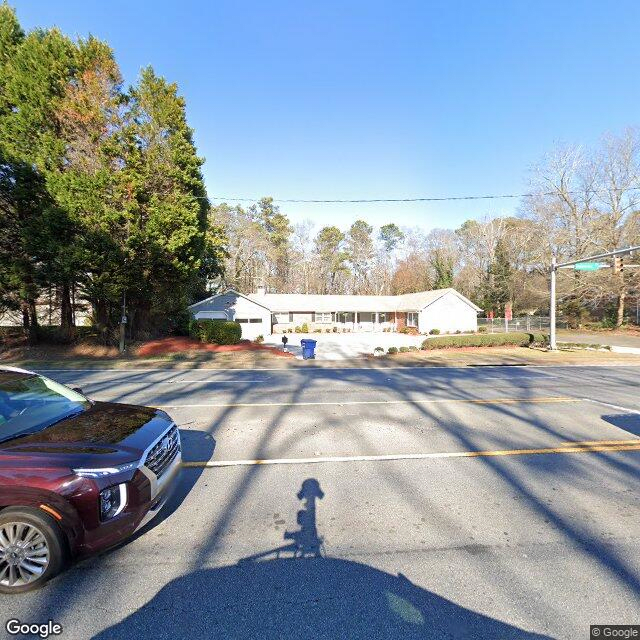
3605 Shallowford Rd, Marietta, GA 30062
To contact a resident: (678) 401-4011
For more information about senior living options: (866) 208-4318
TLC Senior Care Costs & Pricing
TLC Senior Care offers a private room option at a competitive rate of $3,000 per month. This pricing is slightly higher than the average costs observed in Cobb County, which stands at approximately $2,788, and the broader state average for Georgia, recorded at around $2,864. While TLC's rates reflect the premium services and specialized care it provides, they are positioned distinctly above local and state averages. This difference in cost may be attributed to factors such as enhanced amenities, staff-to-resident ratios, or additional services that contribute to an elevated experience for residents seeking senior care solutions.
| Floor plans | TLC Senior Care | Cobb County | Georgia |
|---|---|---|---|
| Private | $3,000 | $2,788 | $2,864 |
Overall Review of TLC Senior Care
Pros
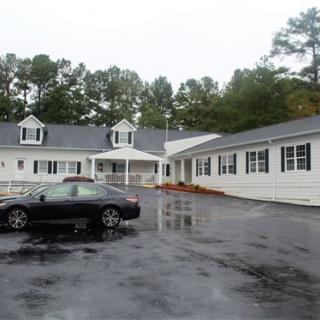
 The space is open and bright.
- The facility is nicely decorated.
- Rooms are large with ample closet space.
- There is ample space for wheelchair accessibility.
- The owner proactively assists with Medicaid and does not delay for VA benefits.
- Esther and her staff are kind and caring, genuinely wanting what is best for residents and their families.
- The TLC Family Home on Shallowford is clean, well kept, and quiet.
- It has a homey, welcoming atmosphere, and residents are well cared for and happy.
- Families can rest easy knowing their loved ones are in their care.
Cons
 None detected.
Review
TLC Senior Care in Marietta is best suited for families seeking a small, home-like residence where seniors receive hands-on, personal attention. The setting emphasizes bright, open spaces, with generously sized rooms and ample closet space that accommodate wheelchairs, making mobility around the home easier. The atmosphere feels clean, quiet, and welcoming, which helps new residents settle in with less stress. A practical edge is the owner’s willingness to handle Medicaid screening promptly, avoiding delays tied to VA benefits. For families prioritizing dignity, everyday familiarity, and visible staff engagement over institutional polish, this community delivers a grounded, comfortable option.
This community may be less suitable for families needing extensive, hospital-level medical oversight or highly specialized memory-care programming. The reviews do not highlight on-site skilled nursing or formal memory-care tracks, which can matter for residents with complex clinical needs. Similarly, the small, home-style format may limit the breadth of on-site therapeutic activities, transportation options, or diversified programming found in larger facilities. Those seeking a robust continuum of care, frequent clinical monitoring, or a wide array of rehab services might want to compare alternatives that offer more structured clinical support.
Pros are tangible and substantive. The facility’s open, bright ambiance and tasteful decor create a welcoming daily backdrop that reduces agitation and helps residents feel at ease. Large rooms and generous closet space particularly benefit mobility-impaired individuals, enabling easier transfers and personal organization. Cleanliness and quietness reinforce a sense of safety and predictability that families value, while the staff’s kindness and genuine care shine through in daily interactions. The ability of Esther and her team to recognize when outside expertise is needed, and to promptly convey those needs to families, adds a crucial layer of protection and trust.
These strengths offset several potential drawbacks, but not perfectly. The warmth, attentiveness, and clear willingness to pursue Medicaid assistance on placement translate into a smoother transition and ongoing reassurance for loved ones. The homey atmosphere supports comfort and reduces the emotional burden of care, especially for residents who thrive in low-stimulus environments. However, the lack of explicit mention of on-site nurses, wide-ranging clinical services, or formal memory-care capabilities means that certain medical or cognitive support needs may require off-site coordination or early transitions to more medically resourced settings.
For families making a decision, practical steps matter. Schedule a candid visit focused on daily routines, staff-to-resident ratios, medication management, and how emergencies are handled after hours. Ask about the availability of therapies, transportation options for appointments, and whether any specialized equipment or services can be accommodated on-site. Inquire about the exact scope of Medicaid assistance, any monthly out-of-pocket costs beyond funding, and how staffing levels vary by shift. Collect concrete examples of when staff intervened to address a resident’s evolving needs, and request a written overview of the care plan and escalation process.
The bottom-line recommendation targets families who want a heartfelt, intimate setting with hands-on care and clear access to Medicaid support. TLC Senior Care excels for seniors who require assistance with daily activities but do not demand hospital-grade medical oversight or extensive, specialized memory-care programming. It stands out for safety, cleanliness, and a quieter, more homelike daily life. Those prioritizing a broader continuum of medical services, robust activity calendars, or larger-scale facilities should actively compare with other options to ensure the chosen path aligns with anticipated care needs and long-term goals.
 Board and Care Home
 Activities on-site
 Bath tubs
 Beautician on-site
 Devotional services off-site
 Indoor common areas
 Outdoor common areas
 Private
 Private bathrooms
 Respite or short term stays offered
 Wheelchair accessible showers
 Ambulatory care
 High acuity care
 Kosher
 Christian services


 A Comprehensive Exploration of Common Misunderstandings about Powers of Attorney
 Senior Move Management: Understanding the Role, Value, and Associated Costs
 Weight Training for Seniors: Building Strength and Vitality