

2318 Morgan Road, Marietta, GA 30066
For more information about senior living options: (866) 208-4318
Overall Review of Morgan Road Pch
Pros
 Susan and her staff are highly qualified and caring.
- They provided excellent care for a friend for many years.
- The home was clean.
- Jackie was outstanding and patient.
- The father began to eat, gained weight, and appeared to come out of his depression.
- The caregivers truly care for the elderly.
Review
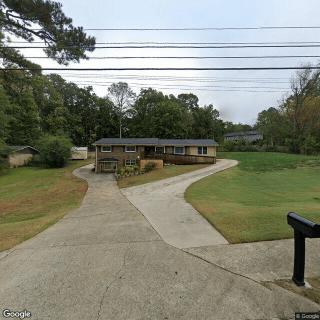
Morgan Road Pch in Marietta is best suited for seniors who want a small, home-like assisted living experience where care feels deeply personal and staff members treat residents with consistent warmth. The tone set by the owner, Susan, and a caregiving team described as highly qualified and caring points to a setting where daily routines, meals, and social interaction are handled with a hands-on, attentive approach. The emphasis on cleanliness and a tangible sense of “home” comes through in the narratives, suggesting residents experience steadier comfort, less institutional distance, and a staff that remains closely connected to each resident’s well-being.
Nonetheless, certain realities make alternatives worth considering for some families. For residents who require intensive medical oversight, around-the-clock licensed nursing, or specialized memory care, a larger facility with more on-site medical resources may be preferable. The intimate, small-house atmosphere that yields strong personal attention can feel limiting where more structured programming, broader activity options, or a deeper continuum of medical and therapeutic services are essential. Families should weigh the desire for a warm, familial setting against the need for advanced clinical support and a wider array of on-site services.
The strongest pros center on people and environment. Susan’s leadership is highlighted as a core strength, with staff described as caring and capable, delivering a level of attention that translates into meaningful improvements in residents’ lives. The home’s cleanliness is repeatedly noted, reinforcing safety and a sense of dignity for residents and their families. A resonate example in the reviews describes a resident who blossomed after the move, with better appetite, weight gain, and a brighter, more engaged demeanor after a period of depression, an outcome attributed to the quality of caregiving and the supportive caregiver Jackie, who is praised for patience. Such testimonials underscore how a compassionate, well-led team can catalyze physical and emotional gains that larger, less personal settings often struggle to replicate.
The setting itself reinforces these strengths. A home-like atmosphere tends to foster trust, reduce anxiety about abdominal routines and daily care, and promote more natural social interaction among residents. Cleanliness, predictability, and the sense that staff know each resident's preferences and needs contribute to a calmer daily rhythm. For families, this translates into fewer worries about basic needs being overlooked and more confidence that the person is in a familiar, respectful space where small improvements, appetites returning, mood lifting, engagement in activities, are noticed and nurtured.
Yet, the lack of a stated downside in the reviews should be interpreted with practical caution. The very features that create intimacy can also constrain capacity: fewer staff members during peak hours, slower scaling of medical needs, and a narrower pool of specialized therapies or emergency response options may appear if health demands intensify. These potential gaps are, however, often offset by the strength of relationships and the agility of a smaller team. Families should probe directly about nurse availability, emergency protocols, and how care plans are coordinated with physicians to determine whether the home can meet evolving needs without sacrificing the personalized attention that defines it.
In the end, Morgan Road Pch presents a compelling choice for families prioritizing warmth, consistent caregiver relationships, and a home-like environment where residents can regain appetite, mood, and day-to-day vitality. It is well-suited for seniors who thrive with highly personalized assistance, where staff responsiveness and a clean, lived-in setting can make a meaningful difference in quality of life. For those whose priorities include broad medical oversight, memory-care specialization, or a more expansive activity program, it warrants comparison with larger communities. A visit should focus on meeting the care team, observing interactions, and confirming how daily routines, meals, and any needed medical supports are managed, to ensure alignment with the resident’s health trajectory and family expectations.
 3 resident community capacity
 Assisted Living
 Board and Care Home
 Cable or satellite TV
 Dining room
 Fully furnished
 Garden
 Housekeeping services
 Move-in coordination
 Outdoor space
 Telephone
 Wi-Fi/high-speed internet available
 24-hour supervision
 Activities of daily living assistance
 Assistance with bathing
 Assistance with dressing
 Assistance with transfers
 Diabetes diet
 Meal preparation and service
 Medication management
 Special dietary restrictions
 Transportation arrangement (medical)
 Transportation to doctors appointments


 Assisted Living Support for Veterans: A Complete and Detailed Overview
 Exploring the Contrasts Between Assisted Living and Skilled Nursing
 8 Key Indicators That Suggest It May Be Time to Transition from Assisted Living to Skilled Nursing Care