
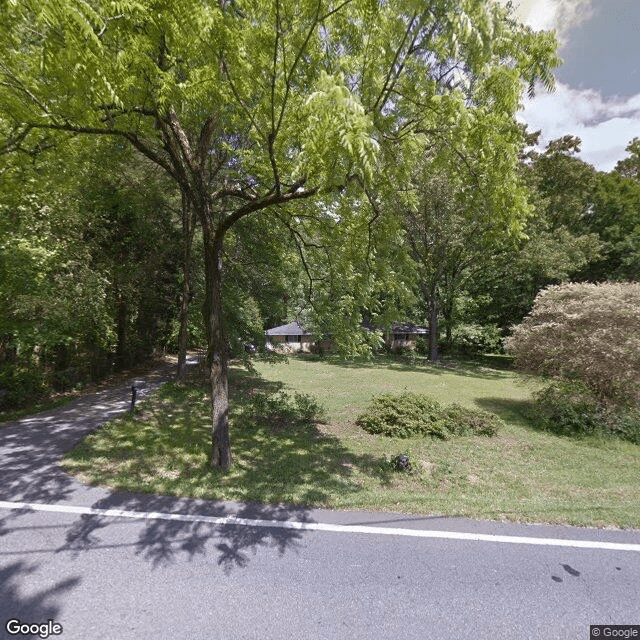
1670 Holly Springs Rd, Marietta, GA 30062
To contact a resident: (404) 918-0107
For more information about senior living options: (866) 208-4318
Holly Manor Assisted Living Costs & Pricing
Holly Manor Assisted Living presents an appealing choice for those seeking affordable senior care, with monthly costs significantly lower than both the county and state averages. For a semi-private room, residents can expect to pay $1,200, which is notably less than Cobb County's average of $2,367 and Georgia's average of $2,529. Similarly, the private room rate at Holly Manor stands at $2,000, providing substantial savings compared to Cobb County's average of $2,788 and Georgia's $2,864. These competitive pricing options not only highlight Holly Manor's commitment to accessible care but also offer families peace of mind knowing their loved ones are receiving quality services without the financial strain often associated with assisted living facilities.
| Floor plans | Holly Manor Assisted Living | Cobb County | Georgia |
|---|---|---|---|
| Semi-Private | $1,200 | $2,367 | $2,529 |
| Private | $2,000 | $2,788 | $2,864 |
Senior living communities with a similar price nearby
-
About the same

Kelly Lake Manor PCH
$1,200 / month22.1 miles away -
About the same
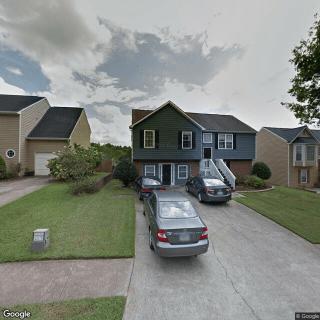
Yellow Rose Manor Pch
$1,200 to $1,500 / month12.7 miles away -
About the same

A New Perspective
$1,200 to $1,750 / month16.0 miles away -
from -$230 / mo

Gwinnett Christian Terrace
$970 / month21.4 miles away -
from +$50 / mo

Y. Gordon PCH
$1,250 to $2,200 / month23.0 miles away
Overall Review of Holly Manor Assisted Living
Pros
 The staff at Manor Lake are very genuine in their care, and the family feels he is being well cared for.
- The facility is beautiful with outstanding staff and is a true home away from home for residents.
- The community is fantastic and brand new.
- Senior living professionals fully support Manor Lake, noting the personal touch from leadership and ownership as unmatched.
- The tour experience stood out as the best among eight communities, with super nice staff and a home-like atmosphere for residents.
- The facility is great and sparkling clean.
- The community features spacious cottages and beautiful apartments, with a caring, professional team focused on resident care and engagement, and is committed to residents' physical, social, and emotional well-being.
Cons
 They describe a lack of care for the individuals and their families.
 - They characterize the kitchen as disgusting, gross, unhygienic, and nearly failing.
- They report moldy ice and raw food contamination affecting already sick individuals.
- They call the overall experience extremely disappointing and disgusting.
Review
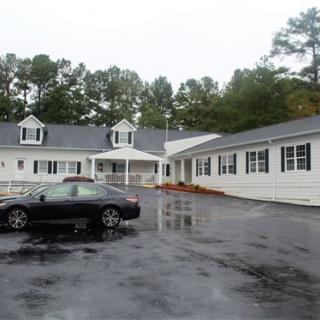
Holly Manor Assisted Living in Marietta is clearly best suited for families seeking a newer, purpose-built environment with a warm, home-like atmosphere and attentive, hands-on leadership. The community appeals to those who value a cottage-style living model, spacious living options, and a setting that feels intimate rather than institutional. For families who want a facility with visible ownership and a hands-on management ethos, Holly Manor presents itself as a compelling choice. The emphasis on resident engagement, physical and emotional well-being, and a belief in “home away from home” days matters to those who judge care by personal interactions and the tone set by leadership.
That said, there are legitimate reasons to consider alternatives. Families that treat pristine kitchen operation and flawless food safety as non-negotiables will want to scrutinize Holly Manor closely, given at least one harsh critique directed at dining services and food handling. Similarly, if a seamless, friction-free medication handoff is essential, potential residents should probe how medications are managed at checkout and how the staff handles adherence and documentation. While the community earns high marks for ambiance and staff warmth, these operational hiccups are a red flag that can outweigh aesthetic appeal for families with exacting requirements about daily routines and medical coordination.
The positives in Holly Manor’s profile are substantial and well-aligned with practical elder-care goals. The facility’s modern, attractive construction and the cottage-oriented model create a comfortable, low-stress living situation that promotes social engagement. Reviewers consistently praise the staff for legitimacy of care, the leadership’s personal touch, and the sense that residents are genuinely valued. The locally owned model and the emphasis on physical, social, and emotional well-being add depth to daily life, making it easier for families to picture their loved ones thriving in a supportive, closely monitored environment. The setting, beautiful surroundings, a lake-view vibe, and a community that feels more like a small neighborhood than a facility, adds to the appeal for those prioritizing quality of life and meaningful activities.
On the risk side, the most serious concern centers on dining and medication processes. A strongly negative dining review highlights moldy ice and raw-food contamination, a type of issue that cannot be dismissed and requires immediate, transparent remediation and ongoing quality assurance. While several reviews celebrate cleanliness, safety, and high standards overall, the existence of this one-star critique creates a meaningful caveat. Likewise, the remark about medication checkout procedures points to potential procedural bottlenecks that may create stress for families and staff during transitions. These operational vulnerabilities, if left unaddressed, can erode trust even in a well-regarded community.
How the solid strengths can offset these concerns depends on execution. A proactive leadership team that visibly prioritizes safety audits, dietary oversight, and transparent issue-resolution plans can turn the dining and med-handling questions into a manageable risk. The “home-like” atmosphere, complemented by well-kept cottages and engaging programming, is a powerful buffer against the sense of impersonal care that sometimes accompanies bigger facilities. When staff demonstrate consistent reliability, warmth, and responsiveness, the value of a newer, well-maintained building compounds quickly, reducing the toll of occasional process gaps. In short, the core appeal, personal connections, ownership attention, and a socially vibrant community, can compensate for some operational rough edges, provided families verify that those edges are being actively addressed.
For families actively evaluating options, exacting questions are essential. Request a detailed tour focused on dining operations, kitchen cleanliness protocols, sanitation records, and staff training in food safety. Inspect the dining room during peak service times and speak with dietary staff about menu planning, sourcing, and allergen handling. Probe the med-management workflow, including who doubles as medication administrator, how mishaps are tracked, and how much redundancy exists in the checkout process. Talk to residents about daily routines, activity calendars, and the responsiveness of the care team during evenings and weekends. If these areas meet expectations, Holly Manor stands out as a practical, aspirational choice; if not, alternatives with stronger guarantees around food service and medication management should be pursued. Either way, the community’s strengths, new construction, engaging leadership, and a true home-like environment, provide a solid foundation for confident decision-making in favor of a well-muited match.
 Board and Care Home
 Private
 William B Hartsfield-Atlanta International (24 miles away)



 Comprehensive Guide to Qualifying for Home Health Care Services
 Powerful Realities of Elder Abuse and the Most Effective Ways to Report It
 Ten Vital Duties of a Senior Caregiver: A Comprehensive Guide