

414 Rigby Street, Marietta, GA 30060
For more information about senior living options: (866) 208-4318
Aan Center Costs & Pricing
The Aan Center offers competitive pricing for its accommodation options, particularly when compared to both Cobb County and the broader state of Georgia. For semi-private rooms, residents at Aan Center will pay $2,300 per month, which is more affordable than the county average of $2,367 and significantly lower than the state average of $2,529. Private rooms at Aan Center are similarly priced at $2,500 per month, offering a favorable alternative to Cobb County's average of $2,788 and Georgia's statewide rate of $2,864. This favorable cost structure reflects Aan Center's commitment to providing quality care while remaining accessible within the local market.
| Floor plans | Aan Center | Cobb County | Georgia |
|---|---|---|---|
| Semi-Private | $2,300 | $2,367 | $2,529 |
| Private | $2,500 | $2,788 | $2,864 |
Assisted Living communities with a similar price nearby
-
from +$200 / mo
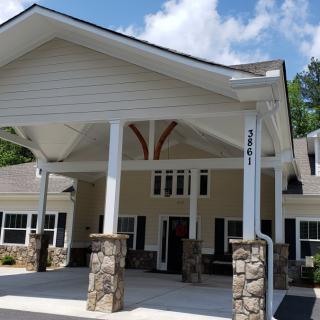
Green Park at Kennesaw
$2,500 to $5,500 / month6.0 miles away -
from +$200 / mo

Fite Living Center
$2,500 / month20.9 miles away -
from +$200 / mo
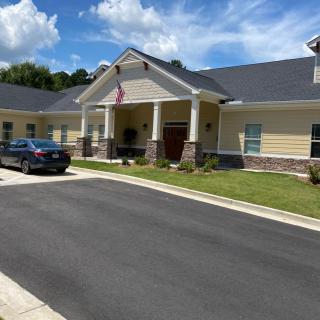
Grace Living Personal Care Home Of Marietta
$2,500 to $3,500 / month3.9 miles away -
from +$200 / mo

Care One At Jamerson
$2,500 / month7.9 miles away -
About the same

EPOCH Assisted Living of Roswell
$2,250 to $4,400 / month11.1 miles away
Overall Review of Aan Center
Pros
 The owner and main caregiver are well-liked.
- The facility is extremely spotless and welcoming.
- The director is very knowledgeable.
- The semi-private rooms include a roll-in shower.
- The facility is highly handicap accessible and friendly.
- The environment is warm and family-oriented.
- The overall well-being of patients is prioritized.
- The facility is excellent.
Review
Aan Center in Marietta, GA is best suited for seniors who want a clean, welcoming, and highly personal care setting where leadership is hands-on and the well-being of the resident is the central focus. This community shines for families seeking a small, intimate environment rather than a large campus, with daily life designed around mobility needs and dignity. The semi-private rooms with roll-in showers, combined with strong accessibility and a warm, family-oriented atmosphere, signal that practical living needs, like safe bathroom access and easy circulation, will be prioritized alongside social and emotional comfort. For someone who values a direct, involve-the-owners approach to care, Aan Center stands out as a place where residents are treated with a tangible sense of prioritization and care.
Those who should consider alternatives are families whose loved one requires high-acuity medical oversight, specialized memory care programming, or a broader array of on-site amenities. The reviews emphasize cleanliness, accessibility, and a caring leadership presence, but they do not describe extensive clinical staffing, advanced nursing services, or dementia-specific protocols. If a resident needs intensive 24/7 medical management, regular therapy services, or a large activity calendar with diverse program tracks, a larger community or a facility with documented memory-care design and dedicated clinical staff may be a better match. Also, households that prioritize privacy over a close-knit, home-like feel might prefer a setting with private rooms as the standard.
The strongest positives cluster around the tangible, day-to-day living experience. Extreme cleanliness and a welcoming atmosphere reduce infection risk, anxiety, and the friction that often comes with transitions to care settings. The director’s depth of knowledge translates into clear, confident problem-solving and smoother coordination of services, a boon for families navigating care plans and transitions. The semi-private room arrangement with a roll-in shower signals an emphasis on accessible design that supports independence and safe self-care, while the overall environment remains warm and approachable. These factors together create trust that a resident’s routine, safety, and comfort will be consistently prioritized.
Another key advantage is the visible involvement of the owner and main caregiver, which tends to equate to steady accountability and responsive communication. A leadership model that emphasizes hands-on oversight often translates into more predictable care planning, quicker adjustments to routines, and a higher likelihood that family concerns are heard and acted upon. The family-oriented ethos further strengthens engagement opportunities with loved ones, whether through regular updates, collaborative care planning, or open channels for feedback. For families who need reassurance that the person directing care remains connected to day-to-day operations, this is a meaningful differentiator.
Despite the strengths, there are practical considerations to keep in view. The reviews do not specify memory-care specialization, advanced medical staffing, or a broad menu of therapeutic services, so families should verify what is available if those needs exist. The intimate, smaller-scale setting, while a strength, can also mean fewer on-site amenities, fewer programming options, and a potentially narrower network of clinical partners than larger campuses. Prospective residents should confirm staff-to-resident ratios, exact services offered, and the availability of private rooms if privacy is a priority, along with contingency plans for surges in care needs.
Ultimately, Aan Center is a compelling choice for seniors who prize cleanliness, accessibility, and a personal, well-led care environment. It suits families seeking a warm, family-oriented atmosphere with direct access to leadership and a setting designed to support mobility and daily living with dignity. The recommended next steps are practical: schedule a tour and ask to meet the director; request a clear overview of daily routines, staffing patterns, and emergency protocols; discuss private-room options and associated costs; and confirm the availability of any needed therapies or memory-care supports. With these checks, families can determine if this smaller, meticulous operation aligns with their loved one’s medical needs, privacy expectations, and desired level of day-to-day engagement.
 3 resident community capacity
 Assisted Living
 Board and Care Home
 Activities off-site
 Bath tubs
 Cable or satellite TV
 Devotional services off-site
 Dining room
 Fully furnished
 Garden
 Housekeeping services
 Indoor common areas
 Move-in coordination
 Outdoor space
 Private
 Private bathrooms
 Respite or short term stays offered
 Telephone
 Wi-Fi/high-speed internet available
 William B Hartsfield-Atlanta International (23 miles away)
 24-hour supervision
 Ambulatory care
 Assistance with bathing
 Assistance with dressing
 Assistance with transfers
 Diabetes diet
 Diabetic care
 High acuity care
 Incontinence care
 Meal preparation and service
 Medication management
 Special dietary restrictions
 Transportation arrangement (medical)
 Transportation to doctors appointments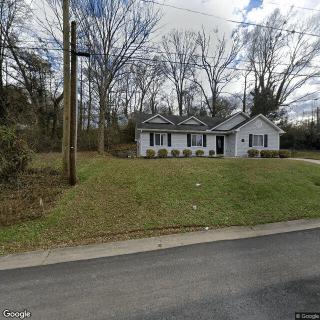




 8 Key Indicators That Suggest It May Be Time to Transition from Assisted Living to Skilled Nursing Care
 Vibrant Senior Living: A Comprehensive Guide for Active Older Adults
 When to Transition from Assisted Living to Memory Care: Key Indicators, Steps, and Finding the Right Community