
4580 NORTH MUMFORD RD BLDG 3718, Macon, GA 31210
To contact a resident: (478) 405-6684
For more information about senior living options: (866) 208-4318
Overall Review of WESLEY GLEN MIN 3718
Pros
 The birthday party for residents is described as great, with food, music, and gifts, and the residents enjoyed it.
- The staff are described as rock stars and are praised for their work with residents.
- Wesley Glen Ministries is described as a wonderful home for adults with intellectual/developmental delays, served by loving disability providers in a distinctly Christian environment.
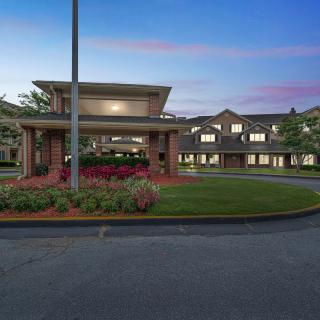
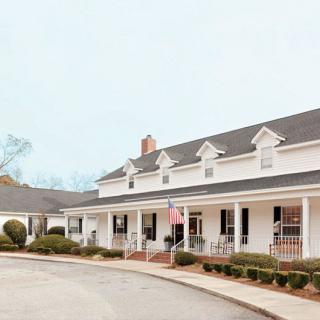
- It is described as a wonderful place with a beautiful landscape.
- The organization is said to have amazing people and an amazing purpose.
- The love, the smiles, and the joy of the residents are evident, inspiring generosity.
- Wesley Glen Ministries is noted for hosting free community events, inviting the public.
Cons
 The interim GA Support Coordinator failed miserably to advocate for her assigned client.
- There are systemic failures throughout Georgia's disability services system that affect adult clients.
- The staff reportedly told her she was too high functioning to support her gluten-free diet.
- The handling of the daughter’s situation left a permanent black mark on the organization.
- The prior group home was described as very negative, causing devastation for the family.
Review
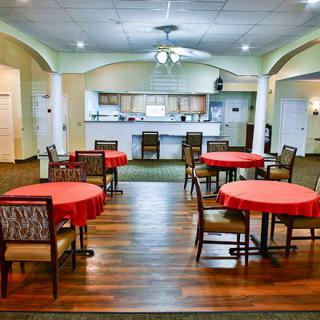
Wesley Glen Ministries in Macon is best suited for adults with intellectual and developmental delays who thrive in a faith-centered, community-based setting where disability services are delivered with warmth, care, and visible purpose. The campus atmosphere and programming are designed to honor residents through meaningful events, outings, and daily interactions that feel purposeful rather than custodial. Reviewers repeatedly highlight a loving staff, a distinctly Christian environment, and a culture of generosity that shows up in birthday parties, special songs, and opportunities to contribute to the community. The balance of a beautiful landscape with active engagement creates a sense of belonging that can make residents feel valued every day. For families seeking a place where staff-led compassion and purpose-driven living are core, Wesley Glen stands out as a compelling option.
However, alternatives should be considered for families with particular concerns or needs. Those whose loved ones require secular surroundings, more aggressive clinical oversight, or highly specialized medical or dietary accommodations may prefer other settings. One notably troubling thread in the feedback concerns intake and placement, where a family encountered friction and perceived discrimination around a higher-functioning individual and a gluten-free diet, followed by uneven advocacy from coordinators. This signals a real risk for families that rely on coordinated placement and clear, responsive communication. In short, for residents with complex medical or dietary requirements, or for those who want an environment explicitly free of faith-based framing, brighter options may exist with more robust clinical capability and secular programming.
On the upside, the core strengths, staff competence, genuine affection for residents, and a strong communal mission, often compensate for the gaps in administrative rhythm. The staff is described as capable, invested, and consistently supportive, with residents benefiting from predictable routines, engaging activities, and a sense that their wellbeing is a shared priority. The programmatic emphasis on community celebrations, disability-focused care, and the presence of “amazing” caregivers translates into tangible quality of life benefits: residents feel seen, included, and celebrated. The campus itself is praised for its beauty and its ability to host events that give residents experiences they may not otherwise have access to, reinforcing a sense of dignity and belonging that can be transformative for some families.
Yet the caveats are real and deserve weight in decision-making. Beyond the intake friction, there is a pattern of concerns around coordination and advocacy. An interim coordinator’s communication lapses can leave families feeling unheard and uncertain about what to expect next, which undermines trust during a vulnerable transition period. While these situations are not universal, they illuminate a potential mismatch between expectations and the level of clinical navigation provided by the program. The broader implication is that Wesley Glen’s strengths appear best matched to residents who fit within its clearly defined service envelope and faith-forward culture, rather than those needing aggressive, medically complex care or strictly secular settings.
When weighing the pros against the cons, a practical path emerges. For families prioritizing a warm, affirming community with a mission-driven approach to disability services, Wesley Glen offers a compelling value proposition: heartfelt staff engagement, meaningful resident programming, and a setting that fosters dignity through everyday celebration. To make this balance work, it is essential to bring very specific, upfront questions to tours and discussions: Can the program accommodate the resident’s gluten-free diet and any other dietary restrictions? What level of medical oversight and daily living support is available for epilepsy, cerebral palsy, or other complex needs? How does the intake process handle transitions for higher-functioning individuals, and who is the primary advocate if questions arise? Clarity on these points enables families to determine whether the emotional and community benefits align with the resident’s practical needs.
The bottom line is clear. Wesley Glen Ministries is a strong fit for families seeking a nurturing, faith-centered home where residents are surrounded by caring staff, intentional community activities, and a landscape that invites daily participation and joy. It is less suitable for those who require secular surroundings, or for residents with complex medical or dietary requirements that demand more intensive clinical oversight or a broader menu of specialized accommodations. Prospects should pursue a disciplined, candid inquiry process, tour the facility, speak to current families, request concrete care plans, and verify the ability to meet gluten-free and other dietary needs, before committing. For the right person, the match can be deeply meaningful; for others, a different setting may better protect medical needs and personal preferences while delivering similar levels of warmth and purpose.
 Board and Care Home
 Middle Georgia Regional (11 miles away)
 Nurturing Our Elders: Linda's Journey of Supporting Her Mother
 A Comprehensive Exploration of Common Misunderstandings about Powers of Attorney
 Senior Move Management: Understanding the Role, Value, and Associated Costs