
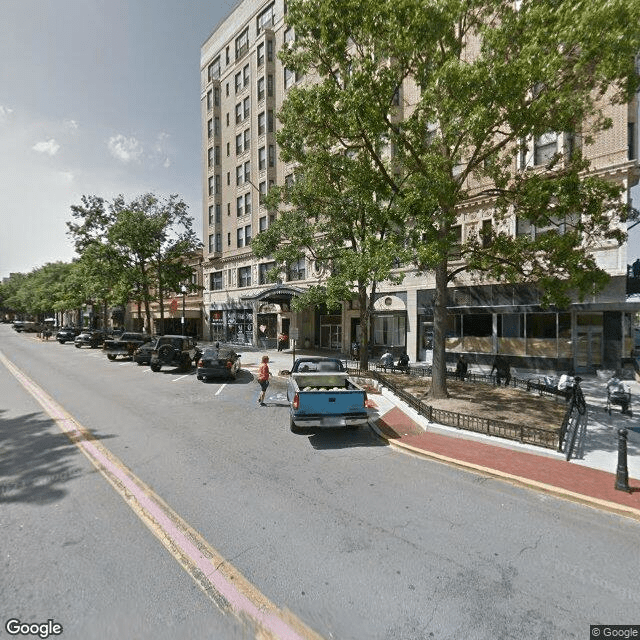
523 Cherry Street, Macon, GA 31201
To contact a resident: (478) 741-4471
For more information about senior living options: (866) 208-4318
Overall Review of Dempsey Apartments
Pros
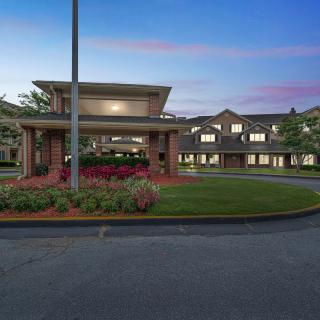
 The building is beautiful.
- The apartments are beautiful.
- Management is excellent.
- Maintenance is superb.
- The place is nice to start off.
- The place is a great place to live.
- The Dempsey Apartments feel like home with a welcoming atmosphere.
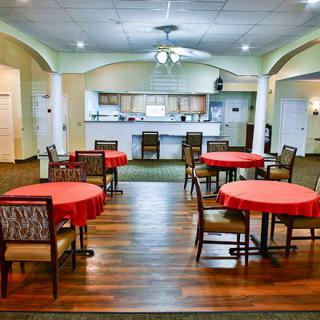
- The lobby features artful decor and a friendly, inviting environment.
Cons
 Too many gatherings outside the building on the corner of 3rd and Cherry, with people without permits blasting music and disturbing residents.
- Security and Management have tried to get it under control, but certain residents and vagrants continue to ignore even law enforcement and noise ordinances.
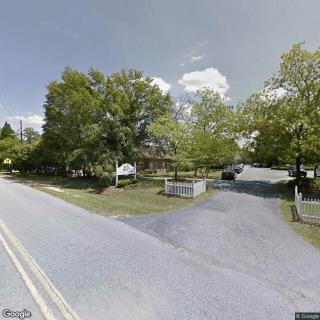
- The street corner is essentially a homeless encampment, with trash abundant, saliva splattered on the ground, and beggars and vagrants accosting passersby.
- Not a very pleasant place, with reports of valuable items going missing and dismissive responses from the manager.
- The place needs a facelift.
- The once crown jewel of middle Georgia has degraded into an eyesore and an embarrassment.
- Management allows a resident to stay there who bullies elderly women and pulls knives on them.
Review
This community is best suited for independent seniors who prize a striking, historically flavored building and can tolerate street-level activity, noise, and occasional gaps in on-site oversight. If quiet hallways, reliable 24/7 monitoring, and pest- and theft-free living are non-negotiables, this is not the right fit. Families should consider alternatives for loved ones who need constant supervision, frequent assistance with medications, or heightened safety protocols. The reality here is more a compromise between aesthetic appeal and practical risks than a no-brainer choice for the highly dependent.
On the upside, the property presents a visually appealing living environment. The building and units can feel upscale, with design touches that catch the eye and a sense of presence that some residents find energizing rather than stifling. In addition, there are longstanding impressions that maintenance and some management staff are capable, at least in certain periods, delivering functional repairs and routine upkeep. For residents who can self-manage small problems and enjoy a well-appointed space, these elements offer real, if uneven, value.
Yet the drawbacks consistently pull the experience the other way. Outside the building, gatherings and ambient street noise spill into units, especially those facing the busy corners. For anyone who values peace and predictability, this is a serious consideration; the noise isn’t a nuisance that fades with time. Security and safety concerns also color the picture: there are troubling anecdotes about theft, confrontations, and inconsistencies in how problems are handled, including claims that some staff responses fall short when issues arise with residents. The overall atmosphere can feel unstable, and that perception matters greatly for families evaluating long-term residence.
Pest history compounds the risk calculus. Past reports of bed bugs and other pests create a lingering worry about living conditions and ongoing remediation, even when a current space might be clean. When management responsiveness is inconsistent or perceived as dismissive, the certainty families need, especially for someone who may be incontestably vulnerable, drops. Add to that the street-level challenges, trash and loitering near the property, with encounters that can unsettle older adults and visitors, and the reality becomes clear: this community demands a resident who can tolerate some disruption while navigating their own day-to-day routines with confidence.
Given these dynamics, the pros do not fully offset the main cons for most assisted-living decision-makers. The beauty and potential reliability of maintenance can be enough for a strong, independent-minded senior who has family or staff support to address issues as they arise. But for anyone who anticipates needing regular assistance, vigilant supervision, or unequivocal clean conditions, the balance tilts decisively toward alternatives. The net value rests on the elder’s ability to self-advocate, tolerate noise, and endure a health-and-safety environment that can be variable.
If continuing the exploration, approach with a concrete plan. Request a quiet unit away from the exterior corner where noise is most likely, and verify current pest-control history and any recent remediation measures. Speak with multiple staff members, and demand current, specific responses to safety and medication-management questions. Interview several residents about incident history, but read between the lines, praise in some quarters exists alongside long-standing concerns in others. Above all, insist on a transparent review of on-site security, access controls, and what supports are actually available for residents who need more than independent living.
In the end, the call hinges on safety priorities and daily living needs. For a loved one who can live independently, manage minor maintenance, and endure occasional disturbances with family support, this community may be workable if a quiet unit is secured and pest history is demonstrably resolved. For anyone who requires consistent care, reliable staffing, or a consistently quiet, well-policed campus, other Macon options with stronger resident-safety records and steadier management will deliver greater peace of mind. Families should proceed with disciplined diligence, prioritizing concrete answers on noise, security, pest control, and staff responsiveness before making a commitment.
 Active Adult Communities (55+)
 Middle Georgia Regional (10 miles away)


 In-Home Care Costs in 2025: A Detailed State-by-State Exploration
 Understanding Home Health Care: A Comprehensive Guide
 Home Health Care Demystified: A Comprehensive Guide for Families and Caregivers