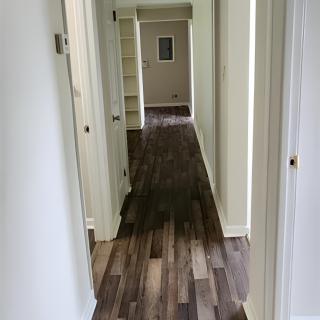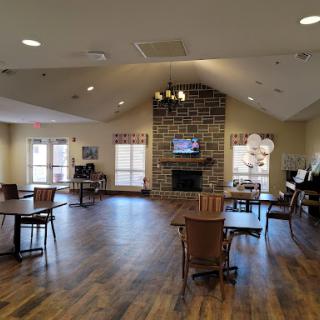
Agape Personal Care Home Of Macon

Save
Agape Personal Care Home Of Macon

Agape Personal Care Home Of Macon

4732 Sgoda Road, Macon, GA 31217

For more information about senior living options: (844) 490-3973

4 from 6 reviews
5 stars
3
4 stars
2
3 stars
0
2 stars
0
1 stars
1

Assisted Living Board and Care Home

Agape Personal Care Home Of Macon Costs & Pricing

Agape Personal Care Home of Macon offers competitive pricing for its residential care services, particularly when compared to both Twiggs County and the broader state of Georgia. For a semi-private room, Agape's monthly fee is set at $1,700, significantly lower than the county average of $2,163 and the state average of $2,529. Likewise, the cost for a private room at Agape is $2,200, which again presents a more affordable option compared to Twiggs County's average of $2,475 and Georgia's average of $2,864. This positioning highlights Agape Personal Care Home's commitment to providing quality care at accessible rates within the region.

Floor plansAgape Personal Care Home Of MaconTwiggs CountyGeorgia
Semi-Private$1,700$2,163$2,529
Private$2,200$2,475$2,864

Overall Review of Agape Personal Care Home Of Macon

Pros

  • pro The staff-to-client ratio at Agape Personal Care Home enables more personal, hands-on care.
  • pro The activities offered are good, including bingo, birthday parties, game nights, and outings.
  • pro They provide three cooked meals daily.
  • pro The staff are very helpful, informative, and forthcoming with information.
  • pro The environment is nice, clean, and homelike.
  • pro The staff are very kind and responsive to questions.
  • pro The caregivers are great people who will take care of loved ones.

Cons

  • pro The reviewer observed that residents are crying and often segregated from the rest of the house, described as a form of punishment.
  • pro The reviewer described an evening meal as just a hot dog and a scoop of beans.
  • pro The reviewer warned that financial troubles with rent or with Medicare/Medicaid/DEFACS can cause the home owner to turn on families.
  • pro The reviewer noted there is no chef, implying meals are not professionally prepared.
  • pro The reviewer alleged the home owner would pursue money owed through court, indicating ongoing financial disputes.
  • pro The reviewer found the location too far/out of the way for their needs.
  • pro The reviewer claimed residents with Alzheimer's or dementia can still sense mistreatment.

Review

Agape Personal Care Home of Macon is best suited for families seeking a small, hands-on care setting where residents receive attentive, personal care and a steady rhythm of social engagement. The community's strength is a favorable staff-to-resident ratio, which translates into more one-on-one check-ins, quicker response to calls, and more opportunities for meaningful interaction. Residents who do not require intensive medical intervention but value a home-like atmosphere, regular activities, and routine meals will likely feel comfortable here. However, proximity matters: the Macon location can be far for many families, limiting the frequency of visits. Those who cannot visit regularly may want to weigh alternatives that are closer to home or offer stronger on-site clinical oversight.

On the plus side, reviewers consistently point to a practical, hands-on caregiving culture. The staff is described as helpful, informative, and approachable, and the daily cadence includes structured activities - bingo, birthday parties, game nights, outings - that keep residents mentally and socially engaged. Three cooked meals a day are provided, which is appreciated even if there isn't a formal chef; for families seeking reliable meals in a home-like setting, this is a meaningful comfort. The atmosphere is repeatedly labeled homelike and clean, with a level of warmth that supports residents who respond well to regular contact and visible staff presence.

But there are standout cautions that cannot be ignored. A particularly troubling account described a resident who appeared well cared for at first glance, yet later showed signs of distress, including crying and perceived segregation from the rest of the home. Another report flagged meals that seemed insufficient and a pattern of punitive-feeling treatment. Financial friction also surfaced, with warnings about debt, billing disputes, and a history of contentious interactions when Medicaid, DEFACS, or other funding issues arise. A few reviews frame the pricing as premium, which means the decision must rest on whether the perceived quality aligns with the investment, especially given the potential for billing friction to sour the experience.

Those positives cannot erase the risk entirely, though they mitigate some concerns. A strong caregiver presence and accessible activity schedule can offset a lack of institutional breadth, delivering a dignified day-to-day experience for many residents. Yet the negative voices remind families to verify daily routines, food quality, and social dynamics in person. Prospective families should insist on observing mealtime service, request to review a resident satisfaction log, and probe how the home handles complaints and caregiving boundaries. In addition, clarify how the home documents and executes care plans for residents with memory impairment, and which staff supervise tasks during off-hours.

Price matters, and Agape is described as a bit pricey, which often reflects an expectation of higher-touch care. Those who are budget-conscious should weigh whether the incremental cost truly translates to better outcomes in daily life. The most cautionary notes involve financial administration; ensure transparent contracts, predictable billing, and a process for conflict resolution before committing. If finances ever threaten the resident's care, this environment has shown a willingness to take a hard line, which can feel punitive to families and residents alike.

Bottom line: Agape Personal Care Home is a fit for families who prize a warm, resident-focused small home with visible staff presence, structured activities, and dependable daily meals, and who are prepared to conduct thorough due diligence on care quality and finances. For families prioritizing near-term accessibility, airtight billing processes, or consistent specialty care for dementia, alternatives may be preferable. A decisive next step is to arrange an on-site tour with direct questions about staffing ratios, meal service standards, activity variety, and how finances are managed from intake onward. With careful evaluation, the right fit emerges: a setting that honors dignity and engagement without becoming a source of ongoing friction.

Features

Housing

  • 8 resident community capacity 8 resident community capacity

Types of Care

  • Assisted Living Assisted LivingAssisted living facilities provide crucial support and care for seniors who may need help with daily tasks such as medication management, bathing, and meal preparation. These communities offer a safe and comfortable environment where seniors can maintain their independence while receiving the assistance they need to thrive in their golden years.
  • Board and Care Home Board and Care HomeBoard and care homes provide a smaller, more intimate setting for seniors who require assistance with daily tasks but do not need the level of care offered by a nursing home. They offer personalized care, meals, and social activities in a homelike environment, ensuring that seniors receive individualized attention and support in their golden years.

Amenities

  • Activities off-site Activities off-siteEngaging in off-site activities is crucial for seniors to maintain social connections, stay active, and stimulate their minds. It promotes overall well-being and helps combat feelings of isolation and loneliness.
  • Activities on-site Activities on-siteActivities on-site are important for seniors because they provide opportunities for socialization, mental stimulation, physical activity, and overall well-being. Engaging in activities can help seniors stay active, maintain their independence, and improve their quality of life.
  • Air-conditioning Air-conditioningAir conditioning is important for seniors as they are more vulnerable to heat-related illnesses and may have underlying health conditions that make it difficult for them to regulate their body temperature. It helps to keep them comfortable, safe, and healthy in hot weather.
  • Bath tubs Bath tubsBath tubs are important for seniors because they provide a safe and relaxing way to bathe, helping to prevent slips and falls while promoting independence and overall well-being.
  • Cable or satellite TV Cable or satellite TVCable or satellite TV is important for seniors because it provides entertainment, news, and companionship, helping to combat loneliness and boredom. It also offers a wide range of programming options tailored to different interests and preferences.
  • Devotional services off-site Devotional services off-siteDevotional services off-site are important for seniors as they provide spiritual nourishment, social engagement, and a sense of community outside of the senior living facility. This can enhance overall well-being and help combat feelings of isolation and loneliness often experienced by older adults.
  • Devotional services on-site Devotional services on-siteDevotional services on-site provide seniors with spiritual support and a sense of community, as well as an opportunity for reflection and guidance during their senior living experience. This can promote emotional well-being and connection to others, leading to a more fulfilling and enriching lifestyle in their later years.
  • Dining room Dining roomDining rooms are important for seniors as they provide a space for socialization, connection, and nutritious meals. They offer opportunities for residents to bond over shared meals, foster a sense of community, and promote healthy eating habits. Dining rooms also ensure that seniors have access to well-balanced meals tailored to their dietary needs and preferences.
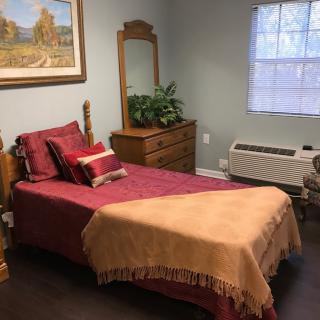
  • Fully furnished Fully furnishedFully furnished senior living communities are important for seniors because they provide convenience, comfort, and a hassle-free moving experience. Seniors can easily settle into their new living space without the stress of having to buy and move furniture. This allows them to focus on enjoying their new home and community.
  • Garden GardenGardens are important for seniors as they provide a peaceful and therapeutic environment for relaxation, physical activity, and socialization. Being in nature has been shown to reduce stress, improve mood, and promote overall well-being. Gardens also offer opportunities for seniors to engage in gardening activities, which can improve mobility, flexibility, and cognitive function. Additionally, gardens create a sense of community and connection with others who share a passion for plants and outdoor spaces.
  • Housekeeping services Housekeeping servicesHousekeeping services are important for seniors because they help maintain a clean and safe living environment, promote independence, and reduce the risk of accidents or illnesses. Additionally, having assistance with household chores can alleviate physical strain and allow seniors to focus on other aspects of their well-being.
  • Indoor common areas Indoor common areasIndoor common areas are crucial for seniors as they provide a space for socialization, recreation, and community engagement, promoting overall well-being and reducing feelings of isolation and loneliness.
  • Move-in coordination Move-in coordinationMove-in coordination is important for seniors because it helps ease the transition into their new living environment. It ensures that all logistics, such as packing, organizing movers, and setting up utilities are taken care of, allowing seniors to focus on settling in and adjusting to their new home. Having a smooth move-in process can alleviate stress and anxiety, making the transition smoother and more enjoyable for seniors.
  • Outdoor common areas Outdoor common areasOutdoor common areas are important for seniors as they provide a space for socialization, physical activity, and relaxation. Being outside in nature can improve mood and overall well-being, while also encouraging movement and engagement with others. These spaces can help combat feelings of isolation and promote a sense of community among residents.
  • Outdoor space Outdoor spaceOutdoor spaces are important for seniors as they provide opportunities for physical activity, social interaction, exposure to natural light and fresh air, and a sense of connection to nature. Having access to outdoor spaces can improve overall well-being and quality of life for older adults living in senior communities.
  • Private PrivatePrivacy is important for seniors as it allows them to maintain their independence, dignity, and sense of control over their own lives. It also gives them the space and freedom to relax, reflect, and engage in activities that bring them joy and fulfillment. Creating private spaces within senior living facilities is crucial for promoting overall well-being and quality of life.
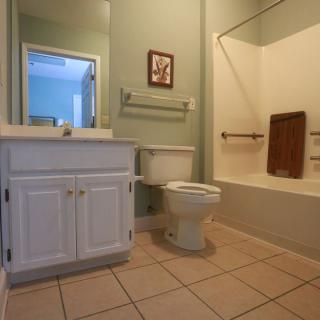
  • Private bathrooms Private bathroomsPrivate bathrooms are important for seniors in senior living communities because they provide independence, dignity, and comfort. Having a private bathroom allows seniors to maintain their personal hygiene routines without the need for assistance, promoting a sense of autonomy and privacy. Additionally, private bathrooms help prevent the spread of infections and provide a safe and clean environment for seniors to navigate safely.
  • Respite or short term stays offered Respite or short term stays offeredRespite or short term stays provide seniors with a temporary solution when their regular caregiver is unavailable, offering them the opportunity to receive additional care and support during times of need, while also giving caregivers a chance to rest and recharge.
  • Telephone TelephoneTelephones are important for seniors as they provide a lifeline for communication with loved ones, emergency services, and healthcare providers. They offer a sense of security and independence, enabling seniors to stay connected and access assistance when needed.
  • Wheelchair accessible showers Wheelchair accessible showersWheelchair accessible showers are crucial for seniors as they provide a safe and independent bathing option for those with mobility challenges. These showers help prevent falls and allow seniors to maintain their dignity and autonomy while ensuring they can bathe comfortably.
  • Wi-Fi/high-speed internet available Wi-Fi/high-speed internet availableWi-Fi/high-speed internet is important for seniors to stay connected with loved ones, access online resources, and participate in virtual activities to combat feelings of loneliness and isolation. It also allows them to easily manage healthcare needs, access entertainment, and engage in lifelong learning opportunities.

Transportation

  • Middle Georgia Regional (6 miles away) Middle Georgia Regional (6 miles away)

Care Services

  • 24-hour supervision 24-hour supervision24-hour supervision is important for seniors to ensure their safety, well-being, and access to immediate assistance in case of emergencies or health issues. This constant support provides peace of mind for both seniors and their loved ones, allowing them to age in place with dignity and security.
  • Activities of daily living assistance Activities of daily living assistanceActivities of daily living assistance are important for seniors because they provide essential support with tasks such as eating, bathing, dressing, and mobility. This assistance helps seniors maintain their independence, dignity, and overall quality of life as they age.
  • Ambulatory care Ambulatory care"Ambulatory care services provide essential medical support and treatment to seniors without requiring hospitalization, allowing them to maintain their independence and quality of life while managing chronic conditions or receiving routine medical care."
  • Assistance with bathing Assistance with bathingAssistance with bathing is crucial for seniors as it helps maintain personal hygiene, prevents infections, and ensures their overall well-being and comfort. It also provides a sense of dignity and independence for seniors who may struggle with this task on their own.
  • Assistance with dressing Assistance with dressingAssistance with dressing is important for seniors because it helps maintain their independence, promotes personal hygiene, prevents accidents and injuries, and improves overall quality of life. This service ensures that seniors can continue to dress comfortably and confidently, despite any physical limitations they may have.
  • Assistance with transfers Assistance with transfersAssistance with transfers is crucial for seniors as it helps prevent falls and injuries, maintains their independence, and ensures they can safely navigate their living environment. It also provides peace of mind for both seniors and their loved ones.
  • Coordination with health care providers Coordination with health care providersCoordination with health care providers is crucial for seniors to ensure proper medical care, medication management, and overall well-being. This collaboration helps prevent overlapping treatments, track progress more effectively, and provide comprehensive support tailored to individual needs.
  • Diabetes diet Diabetes dietA diabetes diet is crucial for seniors as it helps manage blood sugar levels, reduce risks of complications, and improve overall health and well-being. By following a balanced and nutritious diet tailored to their specific needs, seniors can better control their diabetes and enhance their quality of life.
  • Diabetic care Diabetic careDiabetic care is crucial for seniors as they are more susceptible to developing diabetes due to aging and other health conditions. Proper management of diabetes can help prevent complications such as heart disease, vision loss, and nerve damage, improving the overall quality of life for seniors in senior living communities.
  • High acuity care High acuity careHigh acuity care is important for seniors because it provides specialized medical attention and support for individuals with complex medical needs. This level of care ensures that seniors receive the appropriate treatment and assistance to maintain their health and quality of life as they age.
  • Incontinence care Incontinence careIncontinence care is essential for seniors to maintain their dignity, hygiene, and overall quality of life. By addressing incontinence issues promptly and effectively, seniors can enjoy a sense of independence and comfort in their daily activities.
  • Meal preparation and service Meal preparation and serviceMeal preparation and service are crucial for seniors as they may have limited mobility or energy to cook nutritious meals. Having access to healthy and convenient food options can ensure they are getting the proper nutrition needed to maintain their overall health and well-being.
  • Medication management Medication managementMedication management is crucial for seniors to ensure they are taking the right medications at the correct dosages and times. This helps prevent adverse drug interactions, reduces the risk of medication errors, and promotes overall health and well-being. Proactive management also allows for adjustments as needed based on changing health conditions or new prescriptions.
  • Special dietary restrictions Special dietary restrictionsSpecial dietary restrictions are important for seniors because age-related changes in metabolism and health conditions can make it difficult for their bodies to process certain foods. By following a diet tailored to their specific needs, seniors can maintain their overall health and well-being, manage chronic conditions, and reduce the risk of complications such as malnutrition or food interactions with medications.
  • Transportation arrangement (medical) Transportation arrangement (medical)Transportation arrangements for medical purposes are essential for seniors as they may have difficulty driving themselves to appointments or accessing public transportation. Having reliable and safe transportation options ensures that seniors can receive timely medical care and maintain their health and well-being.
  • Transportation to doctors appointments Transportation to doctors appointmentsTransportation to doctors' appointments is crucial for seniors as it ensures they have access to necessary medical care and support for their health needs. Without reliable transportation, seniors may struggle to attend important appointments, leading to potential delays in treatment and health complications. Providing transportation services helps seniors maintain their overall well-being and quality of life.

Dining

  • Diabetes diet Diabetes dietA diabetes diet is crucial for seniors as it helps manage blood sugar levels, reduce risks of complications, and improve overall health and well-being. By following a balanced and nutritious diet tailored to their specific needs, seniors can better control their diabetes and enhance their quality of life.
  • Low / no sodium Low / no sodiumLow/no sodium options are important for seniors because excessive sodium intake can lead to high blood pressure, heart disease, and other health issues commonly experienced by older adults. By choosing low/no sodium foods, seniors can better manage their health and reduce their risk of developing these conditions.
  • Meals provided Meals provided"Meals provided" are crucial for seniors in assisted living communities as it ensures they have access to nutritious, balanced meals without the stress of meal planning and preparation. This can help promote overall health and well-being for seniors who may have limited mobility or cognitive abilities.
  • No Sugar No SugarNo sugar diets are important for seniors because they can help prevent or manage chronic conditions such as diabetes, heart disease, and obesity. Sugar can also contribute to cognitive decline and inflammation in the body, so reducing sugar intake can lead to overall improved health and well-being in older adults.
  • Special dietary restrictions Special dietary restrictionsSpecial dietary restrictions are important for seniors because age-related changes in metabolism and health conditions can make it difficult for their bodies to process certain foods. By following a diet tailored to their specific needs, seniors can maintain their overall health and well-being, manage chronic conditions, and reduce the risk of complications such as malnutrition or food interactions with medications.

Activities

  • Activities off-site Activities off-siteEngaging in off-site activities is crucial for seniors to maintain social connections, stay active, and stimulate their minds. It promotes overall well-being and helps combat feelings of isolation and loneliness.
  • Activities on-site Activities on-siteActivities on-site are important for seniors because they provide opportunities for socialization, mental stimulation, physical activity, and overall well-being. Engaging in activities can help seniors stay active, maintain their independence, and improve their quality of life.
  • BBQs or picnics BBQs or picnicsBBQs or picnics provide seniors with social interaction, enjoyment of the outdoors, and a sense of community, contributing to their overall well-being and quality of life.
  • Birthday parties Birthday partiesBirthday parties are important for seniors as they provide an opportunity for celebration, socialization, and joy. They allow seniors to feel special and appreciated, boosting their mood and overall well-being. Additionally, birthday parties can help combat feelings of isolation and loneliness by fostering connections with friends, family, and community members.
  • Christian services Christian servicesChristian services are important for seniors because they provide a sense of community, spiritual support, and opportunities for connection with others who share their faith. These services can offer comfort, hope, and guidance as seniors navigate the challenges of aging and find meaning and purpose in their lives.
  • Community-sponsored activities Community-sponsored activitiesCommunity-sponsored activities are important for seniors as they provide opportunities for social interaction, mental stimulation, and physical activity. These activities can help improve overall well-being, combat loneliness and isolation, and promote a sense of belonging and purpose among older adults.
  • Devotional activities offsite Devotional activities offsiteDevotional activities offsite are important for seniors because they provide social engagement, spiritual growth, and a sense of community outside of their living environment. This can improve overall well-being, mental health, and combat feelings of isolation or loneliness.
  • Devotional activities on-site Devotional activities on-siteDevotional activities on-site provide seniors with a sense of community, spiritual fulfillment, and emotional support, promoting overall well-being and a positive sense of purpose in their lives.
  • Scheduled daily activities Scheduled daily activitiesScheduled daily activities are important for seniors because they provide structure, socialization, mental stimulation, and physical activity. Engaging in regular activities can improve overall well-being and quality of life for seniors living in a community setting.

Description

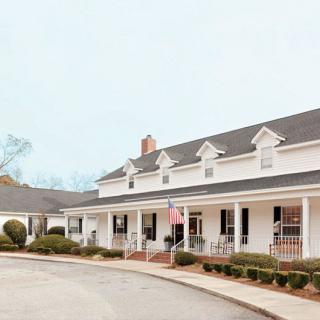
Agape Personal Care Home of Macon is a warm and inviting assisted living community located in Macon, GA. Our community offers a comfortable and home-like environment where residents receive personalized care and support.

At Agape Personal Care Home, we provide board and care services, ensuring that our residents have all their needs met. The amenities we offer include air-conditioning throughout the facility to ensure a pleasant living experience, private bathrooms for convenience and privacy, cable or satellite TV for entertainment, and Wi-Fi/high-speed internet access so residents can stay connected with loved ones.

Our dedicated staff members are committed to providing assistance with activities of daily living such as bathing, dressing, and transfers. We also offer support with medication management to ensure that each resident's health needs are met. Additionally, our community provides specialized care for diabetic residents through diabetes diets and diabetic care.

Keeping our residents engaged and entertained is important to us. We offer a wide range of activities on-site including BBQs or picnics, birthday parties, devotional activities both on-site and off-site, as well as scheduled daily activities. Our indoor common areas provide spaces for socializing while our beautiful garden and outdoor spaces allow for relaxation amidst nature.

Meals at Agape Personal Care Home are carefully prepared with dietary restrictions in mind. We offer low/no sodium options as well as meals without sugar to cater to specific dietary needs. Residents can enjoy delicious meals provided by our team.

Transportation arrangements for medical appointments are available to ensure that our residents can easily access healthcare services when needed. In addition, there are four places of worship conveniently located nearby for those who wish to practice their faith.

Agape Personal Care Home of Macon is committed to creating a safe and comfortable home for seniors in need of assistance with daily tasks. Our caring staff members strive to enhance the quality of life for all residents while respecting their individual needs and preferences.

Nearby Places of Interest

This part of Macon, Georgia offers a variety of amenities for senior living. There are several places of worship nearby, including Laurel Grove Baptist Church and Antioch Baptist Church. For transportation, there is easy access to Robins AFB Flight Line and Macon Station. In terms of dining options, residents can enjoy meals at McDonald's, Seoul House Korean Restaurant, and Waffle House. There are also several pharmacies and healthcare facilities in the area, such as Fmc-Ds of Houston County and Houston Medical Associates. Additionally, there are parks like East Macon Park for outdoor recreation. Overall, this neighborhood provides a convenient and comfortable environment for seniors looking to settle in Macon.

Places of Worship

  • Laurel Grove Baptist Church (2.7 miles)
  • Southern Baptist Convention (3 miles)
  • Southern Baptist Convention (4.6 miles)
  • D D Memorial Baptist Church (4.8 miles)
  • Old Marion Baptist Church (7 miles)
  • Antioch Baptist Church (7.4 miles)
  • Shiloh CME Church (7.4 miles)

Transportation

  • Robins AFB Flight Line (6.1 miles)
  • Warner Robins Truck Rental Warner Robins (7.2 miles)
  • Macon Station (9.7 miles)

Restaurants

  • McDonald's (6.7 miles)
  • McCall's Tastes To Remember (7.5 miles)
  • Seoul House Korean Restaurant (7.6 miles)
  • Fincher's Barbecue (7.9 miles)
  • Waffle House (8 miles)
  • Krystal (8.1 miles)
  • Burger King (8.7 miles)

Physicians

  • Fmc-Ds of Houston County (7 miles)
  • Scott, William Dr - Guiding Light Healthcare Services (7.1 miles)
  • Alison Hall Wright (7.5 miles)
  • Rutland Family Healthcare (7.9 miles)
  • Houston Medical Associates (8 miles)
  • Madalyn N Davidoff (8.1 miles)
  • Wells Colleen DO (8.1 miles)

Pharmacies

  • Medicine Stop Compounding Pharmacy (8 miles)
  • Medicine Shoppe (8.1 miles)
  • CVS Pharmacy (8.1 miles)
  • Anco A Division of Chem-Aqua (9.1 miles)
  • Walmart Pharmacy (9.2 miles)
  • Walgreens (9.3 miles)
  • CVS Pharmacy (9.8 miles)

Hospitals

  • Houston Healthcare (8.2 miles)
  • Houston Medical Center (8.2 miles)
  • Albert Luce Heart Tower (10 miles)

Parks

  • East Macon Park (8.5 miles)

Cafes

  • Starbucks (9.9 miles)

Frequently Asked Questions

How much does it cost to live at Agape Personal Care Home Of Macon in Macon, GA?
Where is Agape Personal Care Home Of Macon?

Nearby Communities

  • Country Manor Estates

    Country Manor Estates

    Macon, GA

    4.5 from 11 reviews
    $2,400 / month

    pro Homey, family-like atmosphere with personalized, attentive care and home-cooked meals.

  • New Hope

    New Hope

    Warner Robins, GA


    pro Small, fully furnished board-and-care with 24-hour supervision, diabetes-friendly meals, and daily activities.

  • Elberta Health Care

    Elberta Health Care

    Warner Robins, GA

    4.5 from 22 reviews
    $4,000 to $4,500 / month

    pro Extensive amenities and comprehensive care services.

  • Frederick - Community Living Arrangement

    Frederick - Community Living Arrangement

    Dry Branch, GA


    pro Intimate setting with personalized care and comprehensive services

  • Southern Community Living

    Southern Community Living

    Dry Branch, GA


    pro Comprehensive care with 24-hour supervision, medication management, diabetes-friendly meals, and a range of amenities in a small, intimate setting.

  • Kiernan Group Home

    Kiernan Group Home

    Macon, GA


    pro Intimate setting with personalized care and comprehensive on-site services.

  • The Canopy at Warner Robins

    The Canopy at Warner Robins

    Warner Robins, GA

    4.7 from 139 reviews
    $3,500 to $4,175 / month

    pro Modern, clean, hotel-like setting with friendly staff and strong on-site amenities.

  • The Lodge

    The Lodge

    Warner Robins, GA

    3.7 from 10 reviews
     

    pro Clean, well-maintained facility with friendly staff and good therapy.

  • St. Paul Apartments

    St. Paul Apartments

    Macon, GA

    3.7 from 96 reviews
    $537 / month

    pro Friendly staff and a clean, active community with engaging activities.

Related Resources

  • assisted living costUnderstanding the True Cost of Assisted Living in 2025: A Comprehensive Guide

    Assisted living in 2025 offers a crucial balance of independence and support for seniors, with costs varying from $2,500 to over $7,000 per month based on factors such as location and care level. Understanding pricing complexities, including regional differences and potential hidden fees, is essential for families to plan financially while ensuring quality care for their loved ones.

  • does medicaid pay for assisted livingUnderstanding Medicaid Coverage for Assisted Living: A Comprehensive Guide

    The guide outlines the complexities of Medicaid coverage for assisted living, highlighting significant state-to-state variations, limited coverage often restricted to personal care services, and the existence of specialized waivers for certain needs like memory care. It advises families to consult local Medicaid offices for options while emphasizing the importance of understanding state-specific regulations and facility policies.

  • does medicaid pay for assisted livingHow and When Medicaid May Cover Assisted Living Costs

    Medicaid coverage for assisted living varies by state and is primarily available to low-income individuals, with eligibility dependent on strict income and asset limits. Some states offer HCBS waivers for specific services in assisted living, but families must generally cover room and board costs, and should verify facility acceptance of Medicaid while considering potential waiting lists.