
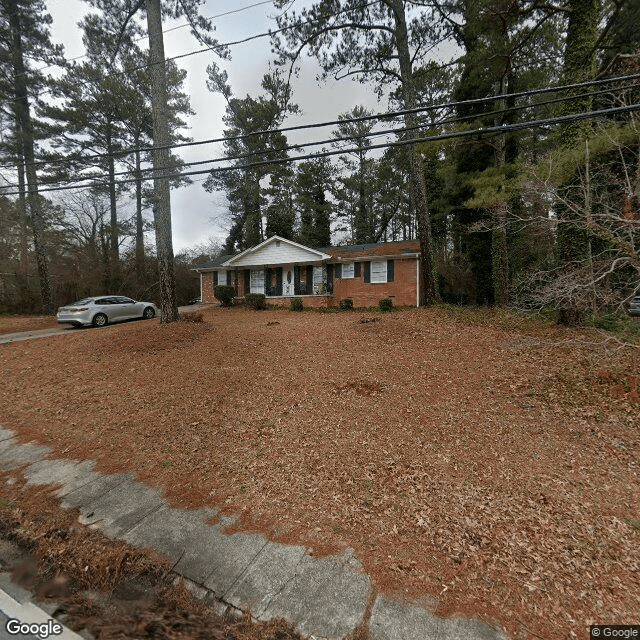
814 Boggs Road, Mableton, GA 30126
To contact a resident: (678) 402-6960
For more information about senior living options: (866) 208-4318
Taker's House Costs & Pricing
At Taker's House, the monthly cost for a private room is set at $2,000, which positions it significantly below the average rates in Cobb County and the state of Georgia. In Cobb County, similar accommodations typically run about $2,788 per month, while across Georgia, the average climbs to approximately $2,864. This pricing structure not only reflects a more affordable option for residents seeking privacy and comfort but also highlights Taker's House as an attractive alternative in a market where costs can be considerably higher.
| Floor plans | Taker's House | Cobb County | Georgia |
|---|---|---|---|
| Private | $2,000 | $2,788 | $2,864 |
Senior living communities with a similar price nearby
-
from +$100 / mo
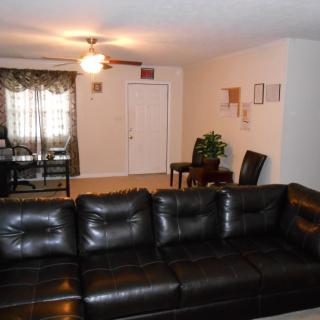
Premium Personal Care Home
$2,100 to $2,850 / month6.1 miles away -
from +$100 / mo
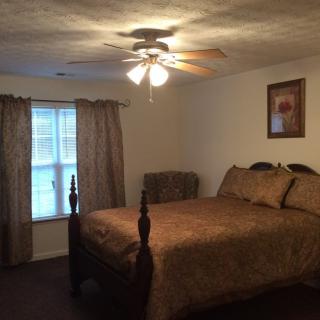
Abiding Care Home
$2,100 / month22.0 miles away -
from +$300 / mo
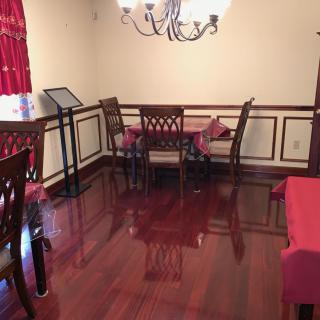
Dalia Precious Memories
$2,300 / month18.2 miles away -
from -$300 / mo
Rose's Premier Personal Care Home
$1,700 / month17.9 miles away -
from -$200 / mo

Fern's Tender Loving Care Home
$1,800 / month20.0 miles away
Overall Review of Taker's House
Pros
 TAKERS is a new personal care home in Mableton that is described as safe, supportive, clean, and homelike.
 - Visitors loved the home at TAKERS.
- TAKERS is the answer for those seeking a safe, supportive, clean, and homelike environment.
Cons
 Taker's House is not the answer.
- If someone wants their loved one to receive assistance in a peaceful, quiet, comforting and loving environment, they should not choose this facility.
Review
Taker’s House in Mableton is best suited for families seeking a compact, personal care home where safety, cleanliness, and a homelike atmosphere are the primary selling points. The facility’s new construction and intimate footprint create spaces that feel manageable and well-kept, which can translate into close supervision and easier daily routines. This is the kind of setting that appeals to families prioritizing a fresh, modern look and a closer, more individualized touch in care.
Those who may want to consider alternatives are families chasing a truly tranquil, consistently peaceful environment or a longer track record of proven stability. The reviews present a clear split: two heartfelt endorsements emphasize a safe, clean, and homelike vibe, while two other assessments warn that the atmosphere may fail to feel peaceful or comforting. That tension matters because for many residents, the emotional climate, calm, predictable routines, and a soothing ambience, can be as important as safety and basic care. If memory care, complex behavioral support, or extensive programming for daily engagement are nonnegotiable, this facility may not meet those needs as reliably as larger, more established communities.
The strongest positives center on the facility’s freshness and the sense of safety that comes with a new build. A modern environment usually implies clean spaces, up-to-date safety features, and straightforward maintenance, all of which support a home-like vibe without the clutter of an older campus. In a small setting, staff can be more visible and responsive, which reinforces attentive, personable care. Those factors can meaningfully offset some limitations in program breadth, providing a foundation where residents feel seen and cared for on a daily basis.
Yet the main drawbacks cast a longer shadow for decision-makers who must weigh peace of mind against the benefits of a new, intimate home. The negative reviews suggest the atmosphere may not feel peaceful or emotionally comforting to every resident, a crucial consideration for anyone prone to anxiety, agitation, or sensitivity to noise. In practice, the delicacy of a serene environment hinges on staffing consistency, daily routines, and the warmth of interactions, areas that are not laid out in detail by the mixed feedback. When calm, predictable days are essential, questions about how quiet hours are enforced, how activities are scheduled, and how residents are supported during difficult moments become decisive.
From a practical standpoint, the decision hinges on matching priorities with what Taker’s House delivers. If safety, cleanliness, and a distinctly homelike feel in a small setting are the top criteria, this community can be a strong fit. If serenity, a long-standing quiet environment, and a robust, well-established routine program outweigh other considerations, alternatives with steadier reputations in those domains may be preferable. The mixed reviews don’t negate the potential strengths; they simply illuminate a critical disparity between what some families value and what others deem essential in daily living.
On a tour, focus on tangible cues that distinguish a well-run small home from one that may disappoint. Observe noise levels during peak hours and nap times, inquire about staff-to-resident ratios across shifts, request a sample day’s care plan and meal schedule, and ask how activities are customized versus generalized for the group. Speak with current residents and family members about what a typical day feels like, and probe for stability in staffing and consistency of routines. Ask for references and any recent changes in management or programming, and look for clear, written policies on safety, medication administration, and incident handling.
In sum, Taker’s House offers a fresh, clean, and intimate setting with an undeniable homelike appeal that can satisfy families seeking close-by supervision and a hands-on touch. For those where a consistently peaceful, comforting ambience and a proven quiet atmosphere are nonnegotiable, better-alternatives warrant serious consideration. The right choice arises from aligning the facility’s contemporary strengths with the resident’s emotional needs, verified through a targeted tour and a candid comparison against other small or larger communities.
 Board and Care Home
 Activities off-site
 Bath tubs
 Beautician on-site
 Devotional services off-site
 Indoor common areas
 Outdoor common areas
 Private
 William B Hartsfield-Atlanta International (14 miles away)
 Ambulatory care
 Diabetic care
 High acuity care
 Medication management
 Kosher



 Encouraging Participation in Adult Day Care: A Guide to Supporting a Hesitant Parent
 Comprehensive Exploration of Living Wills and Other Advance Directives
 A Detailed Exploration of Living Wills and Advance Directives