
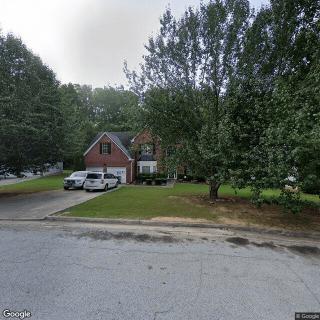
4921 Hamlet Ct, Lithonia, GA 30038
For more information about senior living options: (866) 208-4318
Kada J's Pch Costs & Pricing
Kada J's Pch presents a significantly higher cost structure compared to both DeKalb County and the broader state of Georgia. For semi-private rooms, residents can expect to pay $5,700 monthly, which starkly contrasts with the county average of $2,188 and the state figure of $2,529. Similarly, the pricing for private rooms at Kada J's Pch is set at $9,450 per month. This not only surpasses DeKalb County's rate of $2,415 but also exceeds the state average of $2,864 by a considerable margin. These figures suggest that Kada J's Pch positions itself as a premium option in the market, likely offering enhanced amenities and services that contribute to its elevated pricing.
| Floor plans | Kada J's Pch | DeKalb County | Georgia |
|---|---|---|---|
| Semi-Private | $5,700 | $2,188 | $2,529 |
| Private | $9,450 | $2,415 | $2,864 |
Assisted Living communities with a similar price nearby
-
from -$800 / mo
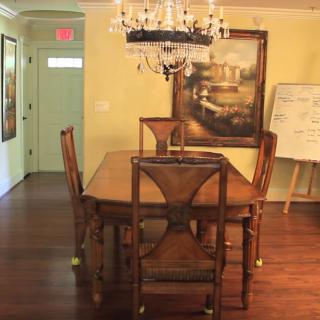
Safe Haven at Brookhaven
$4,900 / month14.5 miles away -
from -$960 / mo

Sunrise of Five Forks
$4,740 to $7,710 / month13.2 miles away -
About the same

Orchard at Brookhaven
$5,550 to $6,850 / month12.9 miles away -
from -$450 / mo
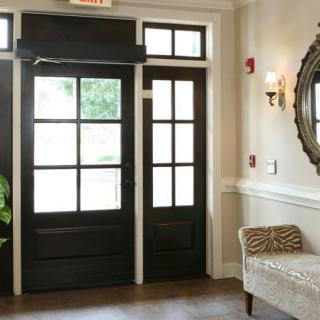
Dogwood Forest of Dunwoody
$5,250 to $6,275 / month20.3 miles away -
from -$950 / mo

Monarch Villa At Stockbridge
$4,750 to $5,280 / month12.8 miles away
Overall Review of Kada J's Pch
Pros
 The care is excellent and residents are treated like family.
- The staff are patient, loving, and attentive to every need.
- The environment feels like a home away from home, warm and nurturing.
- The meals are home-cooked, delicious, and nutritious.
- Residents participate in daily exercise and social activities, including outings.
- Families gain peace of mind knowing their loved ones are in good hands.
- The owner, Tawanda Vauss, is meticulous, compassionate, and dedicated to well-rounded lives for residents.
- The facilities are clean, well-maintained, and professionally operated, with greenery and privacy.
Cons
 My grandma was terrified when I spoke to her about placing her in a personal care home.
Review
This community is best suited for families seeking a warm, home-like personal care setting in which a small, attentive team delivers highly individualized daily care. It works well for seniors who thrive on routine, companionship, and visible family connection, including those with mild memory challenges who benefit from a familiar, affectionate atmosphere. For families prioritizing meals that feel like home, regular light-to-moderate activity, and steady, respectful interaction with caregivers who treat residents as family, this model delivers peace of mind in spades.
Those who may want to consider alternatives include families with greater medical complexity or stringent clinical needs. If 24/7 on-site nursing, intensive skilled care, or a highly structured, clinical environment is non-negotiable, a larger, more medically oriented facility will be a better fit. Similarly, if extensive mobility support, transportation to appointments, or a broader calendar of outings and specialized programs is essential, a bigger community with dedicated clinical staff and broader resources may outperform a smaller home-style setting.
The strongest pros here are the emotional and relational benefits: caregivers who deliver patient, respectful, and compassionate care, with residents treated like family, create a reassuring sense of safety and belonging. Families repeatedly highlight the home-like atmosphere, the consistent attention to residents’ basic needs, and the way meals, exercise, and social activities are woven into daily life. The ability for families to stay connected through regular updates and visits adds another layer of reassurance, turning what can be a stressful transition into a smoother, more predictable experience for both residents and loved ones.
Another standout is the emphasis on quality of life within a well-maintained environment. The homes are described as clean, orderly, and private, with grounds and spaces that feel inviting rather than institutional. Residents are encouraged to participate in daily exercise and sociable activities, and there is clear evidence that residents’ emotional well-being is a priority alongside physical care. For seniors who appreciate a schedule that blends nourishment, movement, and companionship, these factors often translate into brighter days, more smiles, and less agitation or withdrawal.
Where the positive themes meet practical decision-making, the key offset is clear: a small, affection-forward setting can deliver superior personalized attention that larger facilities struggle to match. The intimate staff-to-resident dynamic means concerns are likely noticed quickly, communication with families can be frequent and personal, and adjustments to routines can be made with less red tape. However, potential buyers should validate whether the current level of clinical oversight, emergency procedures, and medication management aligns with the resident’s needs. This model shines when medical needs are well-supported by external providers and the core value is everyday dignity, not high-intensity clinical care.
In the touring and decision phase, prioritize a candid assessment of staff engagement, the consistency of caregivers, and how meals, activities, and cognitive stimulation are actually implemented day-to-day. Inquire about the exact processes for updating families, the ability to tailor activities to personal interests, and how care plans are documented and reviewed. Confirm licensing status, safety measures, and whether there is reliable access to healthcare services if medical needs escalate. If these align with what matters most, home-like comfort, consistent caregiving, and meaningful daily engagement, the choice becomes compelling.
Ultimately, this model represents a compelling choice for families who want a genuine “home away from home” experience with a loving, committed care team and visible, ongoing family involvement. It is less suitable for those seeking a large, highly medicalized environment or a calendar saturated with clinical programs. For seniors who flourish in intimate settings where warmth, dignity, and daily connection drive well-being, this approach offers a rare combination of heartfelt care and practical reassurance. In Lithonia, for families prioritizing peace of mind through intimate, personalized care, this option stands out as a dependable, people-centered choice.
 6 resident community capacity
 Assisted Living
 Board and Care Home
 Cable or satellite TV
 Dining room
 Fully furnished
 Garden
 Housekeeping services
 Move-in coordination
 Outdoor space
 Telephone
 Wi-Fi/high-speed internet available
 William B Hartsfield-Atlanta International (14 miles away)
 24-hour supervision
 Activities of daily living assistance
 Assistance with bathing
 Assistance with dressing
 Assistance with transfers
 Diabetes diet
 Meal preparation and service
 Medication management
 Special dietary restrictions
 Transportation arrangement (medical)
 Transportation to doctors appointments
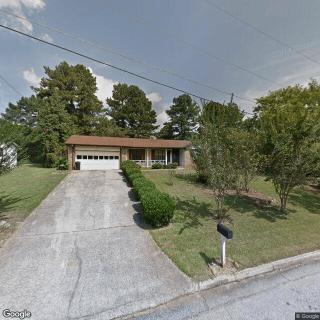



 Senior Transition Services: Understanding Their Role, Cost, and Importance
 Exploring the Path to Senior Living: A Comprehensive Look at Independent Living and Assisted Living
 Is Assisted Living Deductible on Your Taxes? Understanding the Complexities of Assisted Living Expenses and Deductions