

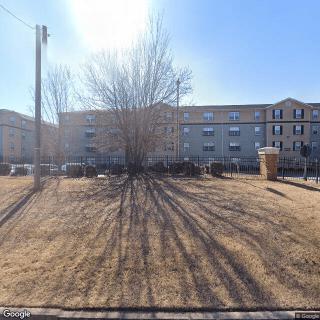
5618 Wellborn Creek Drive, Lithonia, GA 30058
For more information about senior living options: (866) 208-4318
Family Pch Costs & Pricing
Family Pch offers competitive pricing for its services compared to the broader costs of care in Rockdale County and the state of Georgia. For a semi-private room, Family Pch charges $1,500 per month, which is significantly lower than the county average of $1,926 and the state average of $2,529. Similarly, their private room option at $2,000 also undercuts both local and state figures - Rockdale County's average is $2,363 while Georgia's overall average reaches $2,864. This pricing structure not only highlights Family Pch's commitment to providing affordable care but also positions it as an attractive choice for families seeking quality support without excessively high financial burdens.
| Floor plans | Family Pch | Rockdale County | Georgia |
|---|---|---|---|
| Semi-Private | $1,500 | $1,926 | $2,529 |
| Private | $2,000 | $2,363 | $2,864 |
Assisted Living communities with a similar price nearby
-
About the same
Lend A Hand Personal Care Home
$1,500 to $2,000 / month15.7 miles away -
About the same

Candler Ridge II
$1,500 to $2,000 / month20.2 miles away -
from +$275 / mo

Senior Living At Mercy's Point
$1,775 to $1,875 / month18.7 miles away -
About the same

Joy's Manor Pch
$1,500 to $4,000 / month6.0 miles away -
About the same

Wesley Woods Towers
$1,504 to $2,973 / month11.5 miles away
Overall Review of Family Pch
Pros
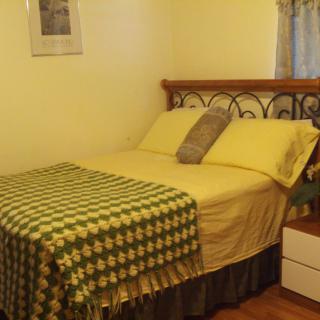
 The place is nice.
- It is described as a nice place.
- Guests find the property pleasant and inviting.
Cons
 The stairs to the upstairs bedrooms are very steep and intimidating.
- The stairs to the upstairs bedrooms were very steep and intimidating.
Review
Family Pch in Lithonia, GA is best suited for seniors who can handle stairs and who prize a pleasant, home-like atmosphere over a strictly accessible, hospital-like setting. The two reviews emphasize a generally attractive, nicely kept environment, described as a “nice place” that suggests comfort, routine stability, and a welcoming vibe. That atmosphere can support daily life, social interaction, and a sense of belonging, which matters when choosing a neighborhood where familiar surroundings and a calm pace help maintain independence. The critical caveat is the stair access: the upstairs bedrooms are reached by steep stairs that feel intimidating, a factor that immediately narrows the ideal resident profile.
Those with significant mobility limitations or a high concern for fall risk should seriously consider alternatives. If a resident’s care plan calls for minimal stair use, barrier-free layouts, or reliable elevator access, this community is unlikely to satisfy those criteria. The absence of information about accessible first-floor accommodations or easy vertical transitions makes the stairs not a mere inconvenience but a potential barrier to safe, autonomous living. In short, anyone who anticipates needing frequent assistance with stairs or who could be destabilized by steep stair ascent or descent should look elsewhere.
The main pro, the inviting, well-kept environment, offers intangible but real benefits. A pleasant setting can enhance mood, reduce stress, and make daily routines more predictable, which in turn supports engagement with activities and regular caregiver routines. For residents who can safely manage stairs, the ambiance becomes a practical advantage: familiar, comfortable common areas, straightforward daily rhythms, and a living space that feels less clinical and more like home. Yet this upside does not fully compensate for the single most salient drawback: the upstairs access challenge remains a potential obstacle to seamless independence.
Conversely, the steep stairs to upstairs bedrooms underscore a concrete safety and practicality concern. For a person with evolving mobility or for a family planning around contingencies (hearing a fall, needing rapid nighttime assistance, or transferring a resident between floors), the stairs introduce risk and friction that can complicate caregiving schedules and daily autonomy. The reviews do not indicate what alternatives exist on the first floor, whether elevators are available, or how often upstairs access becomes an operational issue. That lack of explicit accessibility detail makes the stair problem a defining factor in weighing this community’s fit.
Prospective decision-makers should adopt a focused, action-oriented assessment before committing. Schedule a tour with emphasis on accessibility: confirm whether any first-floor bedrooms or apartment options exist, verify the presence and reliability of an elevator, and map out the actual routes used for day-to-day activities. Ask bluntly about how staff assist residents with stairs, what procedures are in place during night hours, and whether changes to a resident’s mobility status would trigger a move within the community. Gather concrete data on maintenance of stair railings, lighting, and tread depth, and compare these safety features with those of nearby alternatives that advertise one-floor living or more robust accessibility.
Bottom line: this community offers a pleasant, welcoming setting that can support quality of life for residents who can navigate stairs without risk. For anyone whose mobility is doubtful or whose care plan hinges on avoiding stairs entirely, alternatives with better barrier-free access are a smarter, safer bet. With only two reviews and a middling overall rating, the data is sparse, but the stair issue provides a decisive, actionable criterion that should drive the decision. In practical terms, if stairs are negotiable and the resident values the aesthetic and atmosphere, Family Pch is worth a closer look; if not, steer toward options designed around flat, accessible living.
 3 resident community capacity
 Assisted Living
 Board and Care Home
 Cable or satellite TV
 Dining room
 Fully furnished
 Garden
 Housekeeping services
 Move-in coordination
 Outdoor space
 Private
 Telephone
 Wi-Fi/high-speed internet available
 William B Hartsfield-Atlanta International (17 miles away)
 24-hour supervision
 Activities of daily living assistance
 Ambulatory care
 Assistance with bathing
 Assistance with dressing
 Assistance with transfers
 Diabetes diet
 Diabetic care
 High acuity care
 Incontinence care
 Meal preparation and service
 Medication management
 Special dietary restrictions
 Transportation arrangement (medical)
 Transportation to doctors appointments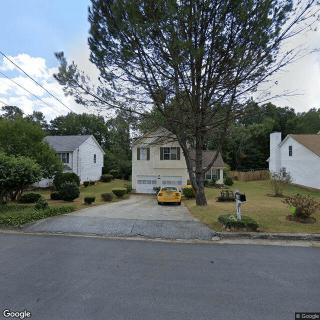


 Securing Financial Support for Assisted Living: A Comprehensive Overview
 Social Security Benefits and Assisted Living: Navigating Options Across the U.S.
 An Extensive Exploration of the VA Aid and Attendance Benefit