
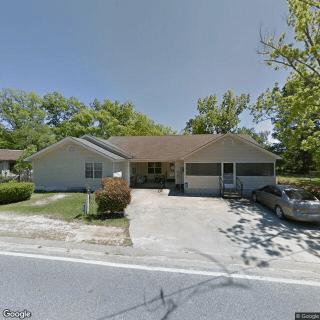
103 West Main Street, Lakeland, GA 31635
For more information about senior living options: (866) 208-4318
Overall Review of Lake Irma Retirement Home
Pros
 They are very kind to residents' mothers and provide exceptional care.
- They do an outstanding job caring for residents, including those with aphasia, and keep them clean and well fed.
- They understand residents well, and the residents seem happy there.
- Visiting is easy, with options to check residents out to go to a movie or visit somewhere different.
- If the need arises for a nursing home, this is a place one would choose.
- The facility is newly built, very clean, with very caring staff.
Cons
 He is very hard to understand due to his aphasia.
Review
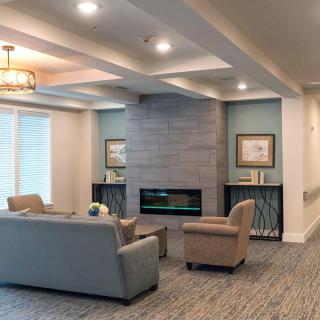
Lake Irma Retirement Home in Lakeland, GA is best suited for families seeking a warm, person-centered option for an aging loved one, delivered in a newly constructed, clean, homey setting. The community earns its strong rating by showing that daily caregiving is more than routine tasks, it is relationship-driven. Residents appear well cared for, and staff are praised for kindness and attentiveness. The testimonies emphasize practical strengths: residents are clean and well fed, care plans are followed closely, and there is visible effort to maintain dignity. Visitors repeatedly note how easy it is to drop in or to take a resident out for an activity, including a movie, which reflects a flexible, resident-centered culture.
Those weighing alternatives should consider whether a loved one has needs that demand highly specialized memory care, high-acuity medical oversight, or a larger campus with expansive rehab programs. Lake Irma’s reviews highlight personal attention and a clean environment, but they do not describe dedicated memory-care wings, heavy rehabilitation services, or institutional-level medical complexity. Families seeking intensive, round-the-clock clinical management or a more clinical setting may want to compare with facilities that emphasize memory units or hospital-style capabilities. For residents who thrive on structured medical programming, a broader spectrum of services may be preferable.
The strongest pros, compassionate staff, a clean, newly built environment, and strong visitation flexibility, largely offset the absence of any obvious drawbacks in the reviews. The care for a stroke survivor with aphasia stands out, with staff who appear to understand communication needs and maintain consistent daily routines. Being able to visit easily, go on outings, or even take a loved one to a local movie contributes to quality of life and reduces the sense of confinement that can accompany longer stays. While no facility is perfect, the voices in these accounts suggest a trustworthy level of safety, dignity, and everyday competence that minimizes typical risk concerns.
A closer reading of the anecdotes confirms a pattern: residents remain clean and well fed, and caregivers go beyond the basics to ensure comfort and morale. Newly built facilities can offer modern safety features, accessible mobility, and clean, inviting common areas that encourage socialization. The testimonials also suggest a staff that communicates well with families, an essential factor when care needs evolve, such as aphasia therapy, daily living assistance, and coordinating outings. The combination of cleanliness, responsiveness, and respect for personal routines creates a stable daily rhythm that can ease the decision for families facing transition.
Prospective caregivers should use a practical decision checklist: request a tour and observe caregiver-resident interactions; inquire about current activity programming, transportation for outings, and opportunities for family involvement; confirm the availability of speech therapy and other rehabilitative services appropriate to stroke recovery; verify meal quality and dietary accommodations; and discuss emergency protocols, medication management, and staffing levels. Ask about how flexible the facility is with external outings, what the typical visitor experience looks like, and how care plans are updated as needs change. These concrete questions reveal whether the warmth captured in reviews translates into day-to-day reliability.
In sum, Lake Irma Retirement Home stands out for families prioritizing personal attention, cleanliness, and a welcoming visiting environment. It is a compelling option for someone who values staff responsiveness and a home-like atmosphere over hospital-like settings. For those whose priorities include highly specialized memory care, intensive medical oversight, or a larger campus with extensive rehab resources, alternatives should be explored. With its evident strengths, the community warrants a decisive, hands-on evaluation, schedule a tour, meet caregiving teams, and verify alignment with the specific needs of the loved one, particularly around stroke and communication support.
 15 resident community capacity
 Assisted Living
 Board and Care Home
 Respite Care
 Cable or satellite TV
 Dining room
 Fully furnished
 Garden
 Housekeeping services
 Move-in coordination
 Outdoor space
 Telephone
 Wi-Fi/high-speed internet available
 Valdosta Regional (21 miles away)
 24-hour supervision
 Activities of daily living assistance
 Assistance with bathing
 Assistance with dressing
 Assistance with transfers
 Diabetes diet
 Meal preparation and service
 Medication management
 Special dietary restrictions
 Transportation arrangement (medical)
 Transportation to doctors appointments



 Exploring the Path to Senior Living: A Comprehensive Look at Independent Living and Assisted Living
 Is Assisted Living Deductible on Your Taxes? Understanding the Complexities of Assisted Living Expenses and Deductions
 Assisted Living Support for Veterans: A Complete and Detailed Overview