
3802 Macland Road, Hiram, GA 30141
To contact a resident: (770) 439-4918
For more information about senior living options: (866) 208-4318
House Of Lord Home Care Costs & Pricing
House Of Lord Home Care presents a compelling value for those seeking assisted living services, particularly when assessed against the broader costs in Paulding County and across Georgia. For semi-private accommodations, residents can expect to pay $1,600 per month - significantly lower than the average of $3,162 in Paulding County and $2,529 statewide. Similarly, the private room option at House Of Lord is priced at $1,800 per month, which not only undercuts the local average of $2,634 but also remains competitive compared to the state average of $2,864. These rates reflect a commitment to providing quality care while ensuring affordability for families navigating this important decision.
| Floor plans | House Of Lord Home Care | Paulding County | Georgia |
|---|---|---|---|
| Semi-Private | $1,600 | $3,162 | $2,529 |
| Private | $1,800 | $2,634 | $2,864 |
Overall Review of House Of Lord Home Care
Pros
 The interaction between residents and staff is fantastic.
- The non-institutional, home-cooked meals make a big difference.
- House of Lord feels just like living at home.
- It is close enough to allow brief visits or longer regular visits.
- The residents and staff emphasize physical and speech therapy, more than conventional home health care.
Cons
 House of Lord is small, with only about seven residents.
- The other residents and staff help more with physical and speech therapy than with home health care.
Review
House of Lord Home Care in Hiram, Georgia, is best suited for seniors who want a small, home-like setting where residents and staff function as a tight-knit caregiving community. With roughly seven residents, the place operates as a household rather than a campus, and that scale yields unusually intimate attention. The strongest draw is the way daily life blends caregiving with genuine companionship: staff and residents interact so fluidly that therapy and daily support feel integrated into ordinary living, not separate services. The emphasis on real, home-style meals, non-institutional, plainly cooked food, nonetheless signals a deliberate choice to preserve a sense of everyday life. It is the kind of environment where a family can stop by for a brief visit or settle in for a longer stay without feeling like a disruption.
Families should consider alternatives if the priority is broad clinical oversight or a wide array of on-site medical services. Residents who require intensive 24/7 nursing, complex medical management, or dementia-specific programming may outgrow the capacity of a seven-resident home setting. Similarly, those seeking a large calendar of organized activities, formal therapies delivered by licensed specialists, or a campus with extensive amenities may find that a smaller home-style model cannot meet those expectations. In short, the larger, more resource-dense communities are better fits for individuals who prioritize breadth of medical services and a bustling activity calendar over intimate, homey living.
The key strengths lie in the small-scale intimacy and the practical, hands-on approach to support. The interaction among residents and staff is described as fantastic, fueled by a sense of mutual care and daily cooperation. Physical and speech therapy presence is felt through everyday assistance rather than isolated sessions, which can accelerate progress and foster confidence in movement and communication. The home-like atmosphere reduces the clinical stiffness that can accompany other settings, helping residents feel respected and engaged rather than segregated into formal care routines. And because the environment mirrors a real home, meals, routines, and conversations carry a warmth that reinforces emotional well-being, often just as important as physical support.
That said, the compact model comes with trade-offs. The same small scale that creates this warmth can limit the range of services and the pool of specialists available on-site. Therapy and daily care hinge more on the community’s caregiving energy than on a formal, extensive home-health program, which means families should verify exactly what is included in “home health care” at this location and whether licensed professionals are always accessible when needed. The upside is a highly responsive team that adapts quickly to changing needs and preferences; the downside is potential gaps if a more specialized or hospital-level service becomes necessary. In practice, the offset is clear: the emotional safety and ease of visits, plus consistent, one-on-one attention, can compensate for fewer on-demand clinical resources.
For families evaluating this option, a practical checklist helps crystallize the decision. Confirm the level of medical oversight actually available on-site and whether routine nursing or physician access is guaranteed or situational. Inquire how physical and speech therapy are delivered, are there licensed therapists on staff, or do staff facilitate activities and exercises in collaboration with external providers? Clarify meal planning and dietary flexibility, since a home-cooked approach is a distinctive strength. Ask about daily routines, privacy considerations, and how visiting policies work for both quick check-ins and longer stays. Finally, discuss future needs: how easily would the community accommodate a step-up in care if memory support or mobility requirements evolve?
Overall, House of Lord Home Care represents a compelling choice for families seeking a warm, intimate, home-like setting where residents receive practical, relationship-driven support and enjoy real food in a small, neighborly environment. Its advantages, genuine interaction, flexible, practical care, and an atmosphere that feels like living at home, are powerful compensators for a lack of expansive clinical services. For seniors whose priority is comfort, connection, and a caregiving team that treats each day as a personal partnership, this community delivers with uncommon candor and consistency. Those needing extensive medical supervision or dementia-specific programming should explore other options, but for many, the payoff is a lived-in quality of life that larger facilities struggle to mirror. A thoughtful visit will reveal whether this compact, familial model aligns with the resident’s goals and pace.
 4 resident community capacity
 Assisted Living
 Board and Care Home
 Activities off-site
 Bath tubs
 Cable or satellite TV
 Devotional services off-site
 Dining room
 Fully furnished
 Garden
 Housekeeping services
 Indoor common areas
 Move-in coordination
 Outdoor common areas
 Private
 Private bathrooms
 Respite or short term stays offered
 Telephone
 Wi-Fi/high-speed internet available
 24-hour supervision
 Ambulatory care
 Assistance with bathing
 Assistance with dressing
 Assistance with transfers
 Diabetes diet
 Diabetic care
 Incontinence care
 Meal preparation and service
 Medication management
 Special dietary restrictions
 Transportation arrangement (medical)
 Transportation to doctors appointments
 Christian services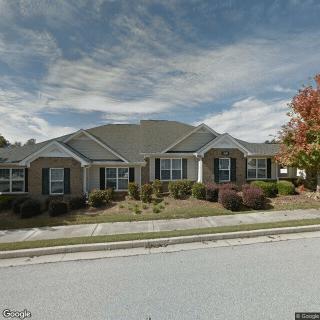




 How and When Medicaid May Cover Assisted Living Costs
 A Detailed Exploration of Assisted Living Medicaid Waivers Across the United States
 Comprehensive Residential Support and Assisted Living Solutions for Individuals with Disabilities