

4884 Price Rd, Gainesville, GA 30506
To contact a resident: (770) 538-0001
For more information about senior living options: (866) 208-4318
Resting Nest Costs & Pricing
Resting Nest offers a private room option at a monthly cost of $5,700, which stands in contrast to the average costs for similar accommodations in Hall County and across Georgia. In Hall County, private room expenses average around $3,368 per month, while the state-wide average is approximately $2,864. This significant difference suggests that Resting Nest positions itself as a premium choice within the market, likely reflective of enhanced services or amenities designed to provide a higher standard of care and comfort. While it may be a more considerable financial commitment compared to local and state averages, prospective residents can expect an elevated experience that justifies the investment.
| Floor plans | Resting Nest | Hall County | Georgia |
|---|---|---|---|
| Private | $5,700 | $3,368 | $2,864 |
Senior living communities with a similar price nearby
-
About the same

Cumming Nursing Center
$5,675 / month18.9 miles away -
from -$400 / mo
The Mann House Assisted Living and Memory Care Cumming and Johns Creek
$5,300 to $8,480 / month22.8 miles away -
from -$400 / mo

The Olive Branch PCH Oakwood
$5,300 / month11.6 miles away -
from -$1065 / mo

Gracemont Senior Living
$4,635 to $6,025 / month8.5 miles away -
About the same

Home Instead - Gainesville, GA
$5,799 / month9.2 miles away
Overall Review of Resting Nest
Pros
 The staff are kind, polite, and consistently knowledgeable and caring.
- The Resting Nest treats residents like family and keeps their families informed.
- The home is warm, welcoming, clean, and beautifully furnished.
- The staff ensure residents' comfort, dignity, and well-being every day.
- The owner and staff go above and beyond to meet residents' needs and preferences.
- The meals are home-cooked with thoughtful snacks and attention to residents' preferences.
- The environment feels like a close-knit, loving, and supportive community.
Cons
 They stole money and were terribly rude and disrespectful after being trusted and treated as if they were family.
- The woman who runs this place is fake and will say whatever suits her, good or bad.
- These people just want to extract as much money as possible from others.
- They claim to be Christian but are everything but that.
Review
Resting Nest is best suited for families seeking a warm, intimate home-like setting where residents receive highly personalized attention from a stable, caring staff. It shines for seniors who value daily routine framed by familiarity: a clean, aesthetically pleasing environment, home-cooked meals, and caregiving that feels more like a family’s involvement than a shift change in a hospital corridor. The emphasis on personal dignity, consistent staff relationships, and a culture that treats residents with affectionate respect makes it a compelling choice for those with dementia or memory-care needs who benefit from a calm, predictable rhythm and staff who know their histories, preferences, and triggers.
There is, however, a candid caveat: this is not a marketing splash but a small-community option with potential trade-offs. Families should consider alternatives if a larger campus with more formal memory-care programming, broader medical oversight, or more transparent, scalable operations is essential. A lone, high-stakes complaint in the record raises a red flag for due diligence, one review alleging financial misbehavior by the owner. While many families dispute that account, it is prudent to verify contracts, understand fee structures, and request current references before committing. The core question becomes whether the intimate model aligns with the resident’s acuity and the family’s tolerance for smaller-scale governance.
The strongest pros here clearly offset some of the practical concerns. Staff excellence dominates the narrative: polite, knowledgeable, and relentlessly attentive, with every caregiver described as caring for residents as though they were family. This level of attention translates into tangible benefits, staff who monitor conditions closely, respond quickly to needs, and tailor routines around individual likes and dislikes. Families consistently report good communication, with care teams that track dietary preferences, clothing choices, and daily wellbeing. In short, the relational model reduces anxiety for families by delivering visible, ongoing affection and professional competence in tandem.
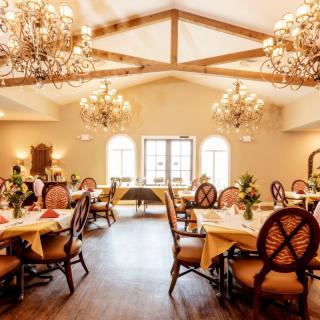
Culture and environment deserve particular emphasis. The Resting Nest cultivates a genuine sense of belonging, the place feels like a well-kept home rather than a clinical campus. Facilities are described as clean, warm, and inviting, with manicured yards and a dining approach that supports social meals or in-room dining when needed. The owner’s willingness to go above and beyond translates into a perception of security and stability for families facing the emotional weight of elder care. When residents appear content, engaged, and treated with dignity, families gain peace of mind about daily life, mealtime routines, personal care, and everyday comfort all feel thoughtfully managed.
That intimate advantage, though, can also shape expectations. For some residents, the limited scale may translate into fewer on-site resources for highly complex medical needs or sudden shifts in health status. Prospective families should assess whether the staff-to-resident ratio and available medical supports match the intensity of care required now and in the near term. Tours should probe for details about how emergencies are handled, how often staff turnover occurs, and whether there are formal processes for care planning, medications, and escalation. These questions help determine if the emotional warmth and personalized care can sustain beyond the next few months.
Ultimately, Resting Nest serves as a strong recommendation for families prioritizing a home-like, affection-forward approach, especially for dementia-related care, with staff who demonstrate consistently high levels of kindness and competence. It is a compelling choice for those who want to minimize institutional distance and maximize everyday comfort, meals, and personal attention. For families prioritizing formalized memory-care programs, larger campuses, or rigorous financial transparency, alternatives should be compared with the same diligence given to any major housing decision. A structured visit, open dialogue about cost, and direct references will reveal whether this intimate setting balances heart and oversight to fit the unique trajectory of a loved one’s aging journey.
 Board and Care Home
 Activities off-site
 Bath tubs
 Beautician on-site
 Devotional services off-site
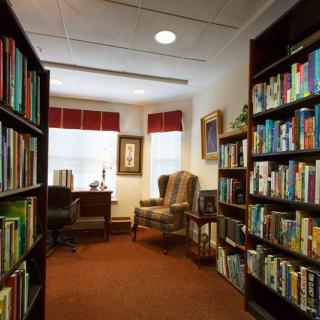
 Indoor common areas
 Outdoor common areas
 Private
 Private bathrooms
 Swimming pool / hot tub
 Wheelchair accessible showers
 Ambulatory care
 Diabetic care
 High acuity care
 Incontinence care
 Medication management
 Kosher
 Adventist services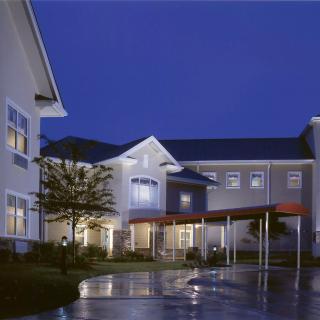


 A Comprehensive Exploration of Common Misunderstandings about Powers of Attorney
 Senior Move Management: Understanding the Role, Value, and Associated Costs
 Weight Training for Seniors: Building Strength and Vitality